The Price of Protection: Guam’s Ongoing Struggle with Military Contamination and Strategic Expansion

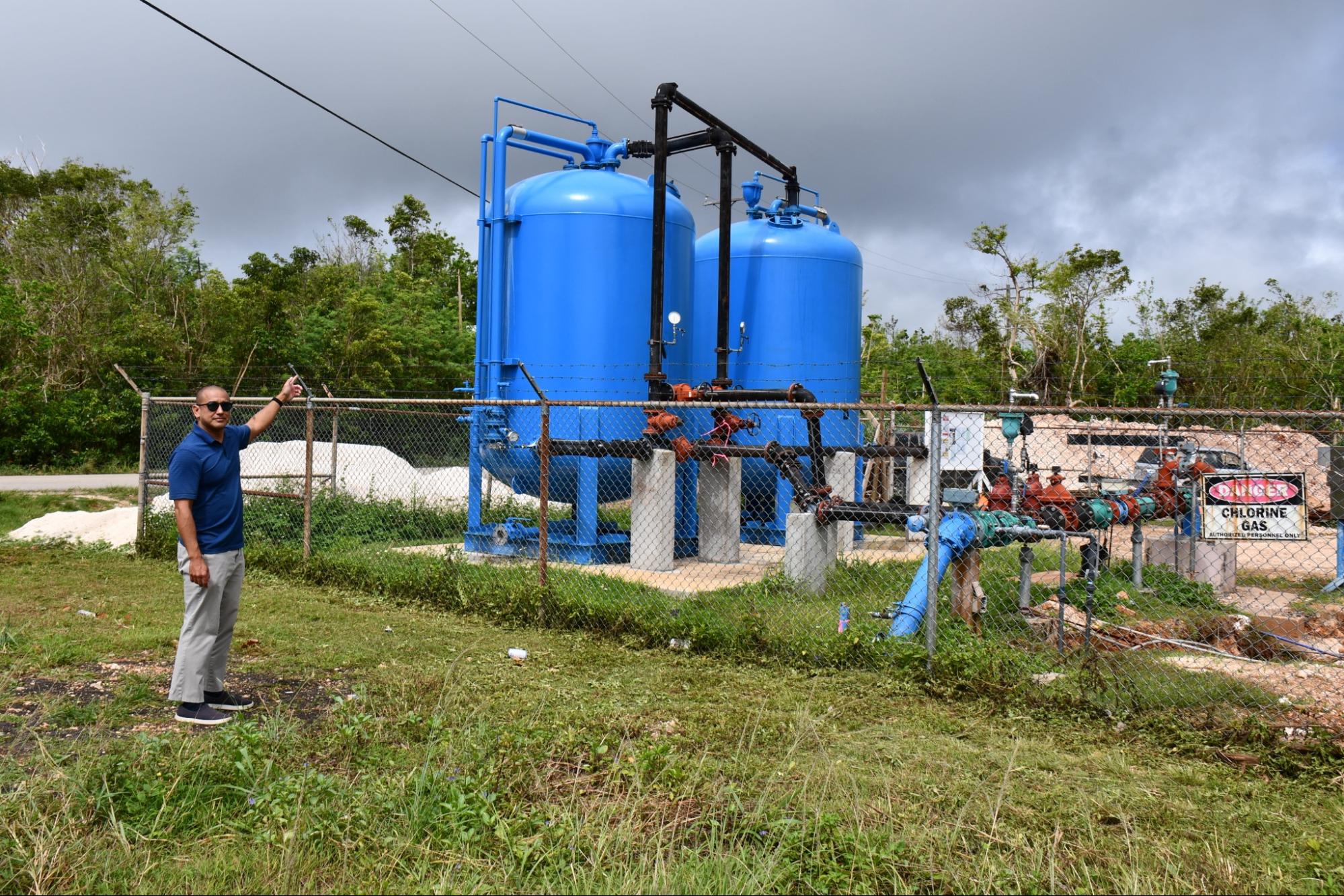
Leevin Camacho was brushing his teeth one morning last fall when the reality of living in a militarized territory hit him with the force of a warning label. His mother had called, breathless and urgent, to report that the water in their northern village of Yigo was contaminated. Moments later, a photo of a municipal flyer appeared on his screen, emblazoned with a chilling directive: "DO NOT DRINK." The notice cited high levels of dieldrin, an organochlorine insecticide banned in the United States since 1987, warning of increased cancer risks and adverse effects on the liver. As his young children stood at the sinks, oblivious to the chemical profile of the water they were using, Camacho realized the systemic failure of oversight that has defined the U.S. military’s relationship with Guam for over a century.
A Legacy of Environmental Exposure
The detection of dieldrin in Yigo’s wells is not an isolated incident but the latest chapter in a long-standing pattern of environmental degradation across the Pacific. While the Pentagon officially designated dieldrin as a "chemical of concern" at the Andersen Air Force Base as early as 1993, local records indicate that elevated levels have been present in the community’s water supply since at least 2008.
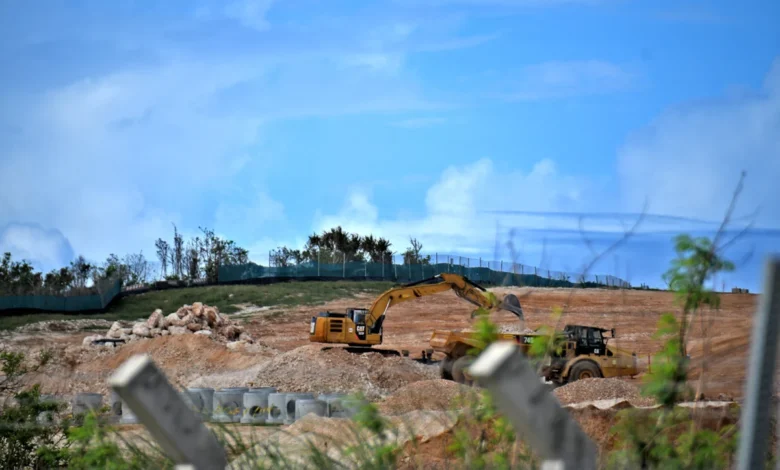
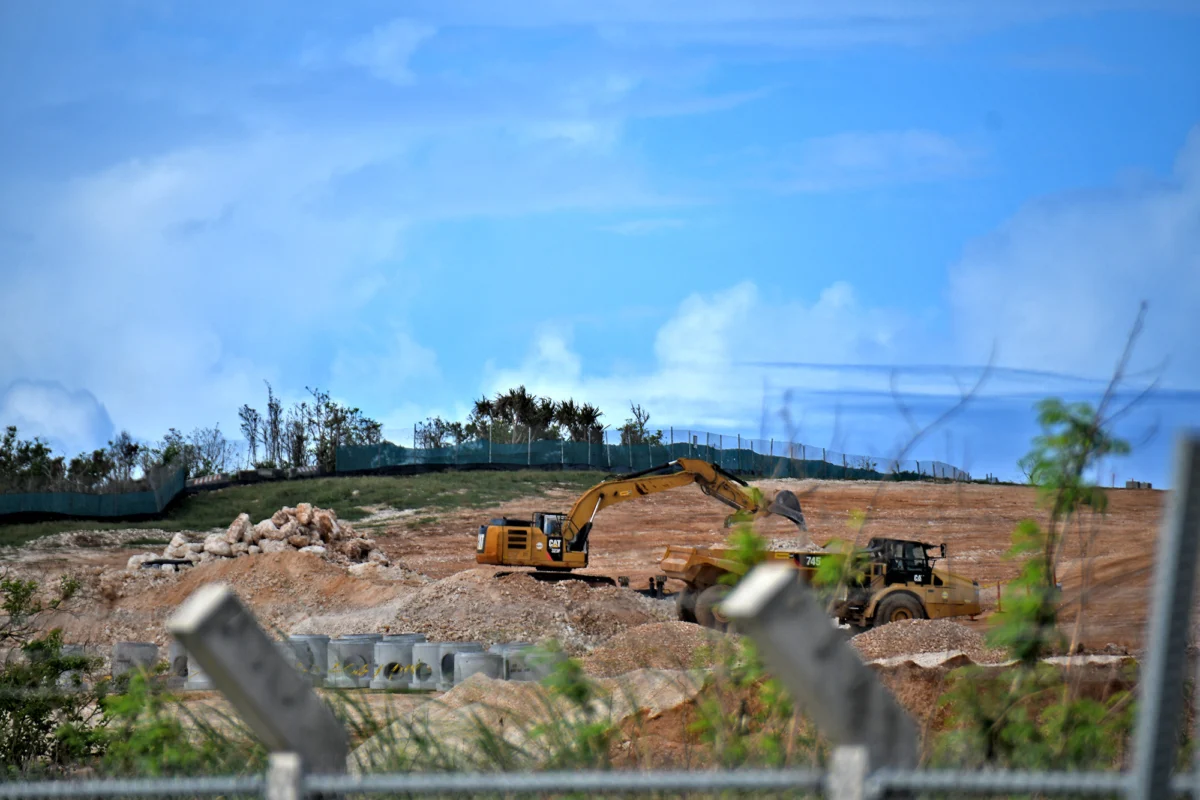
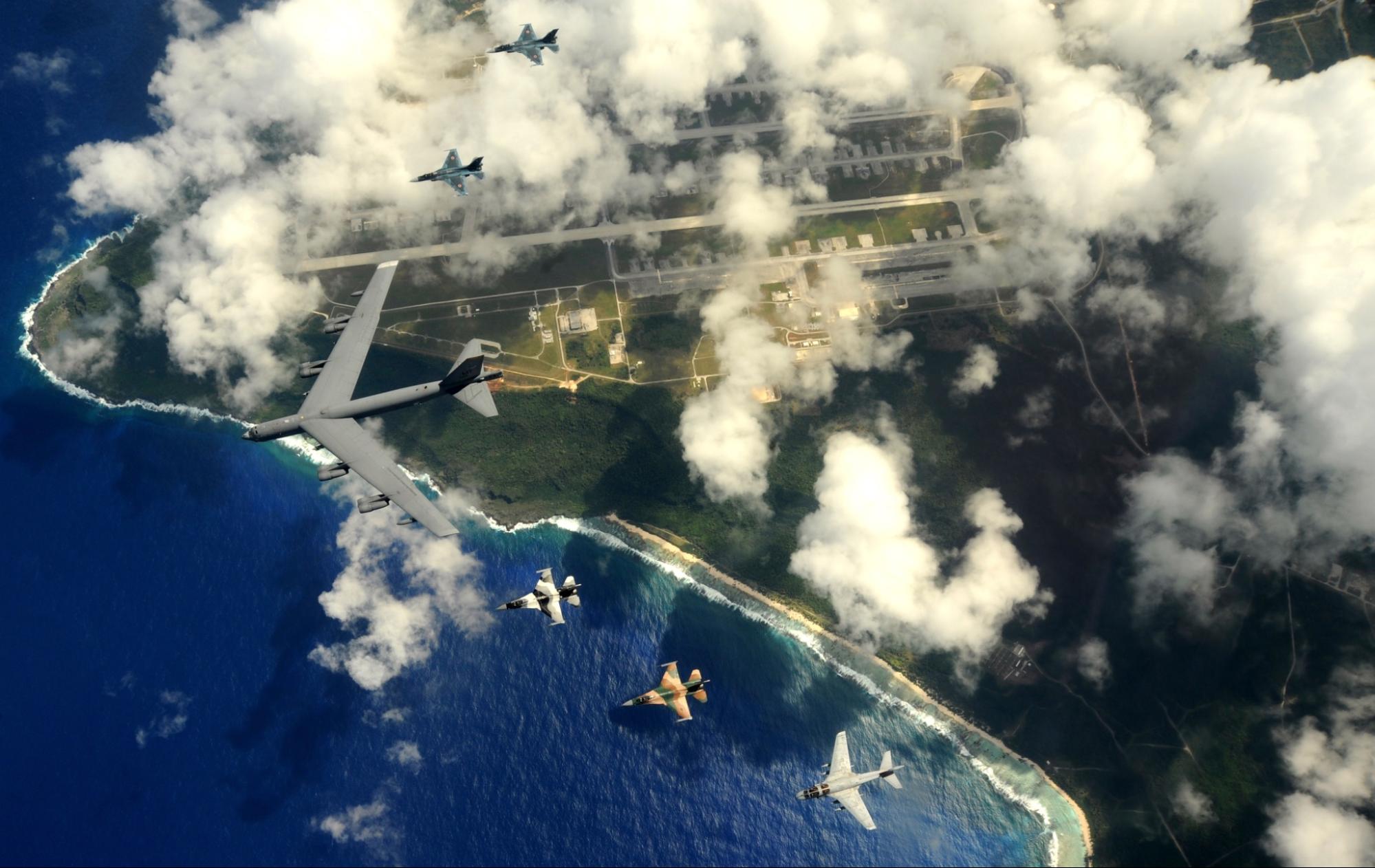
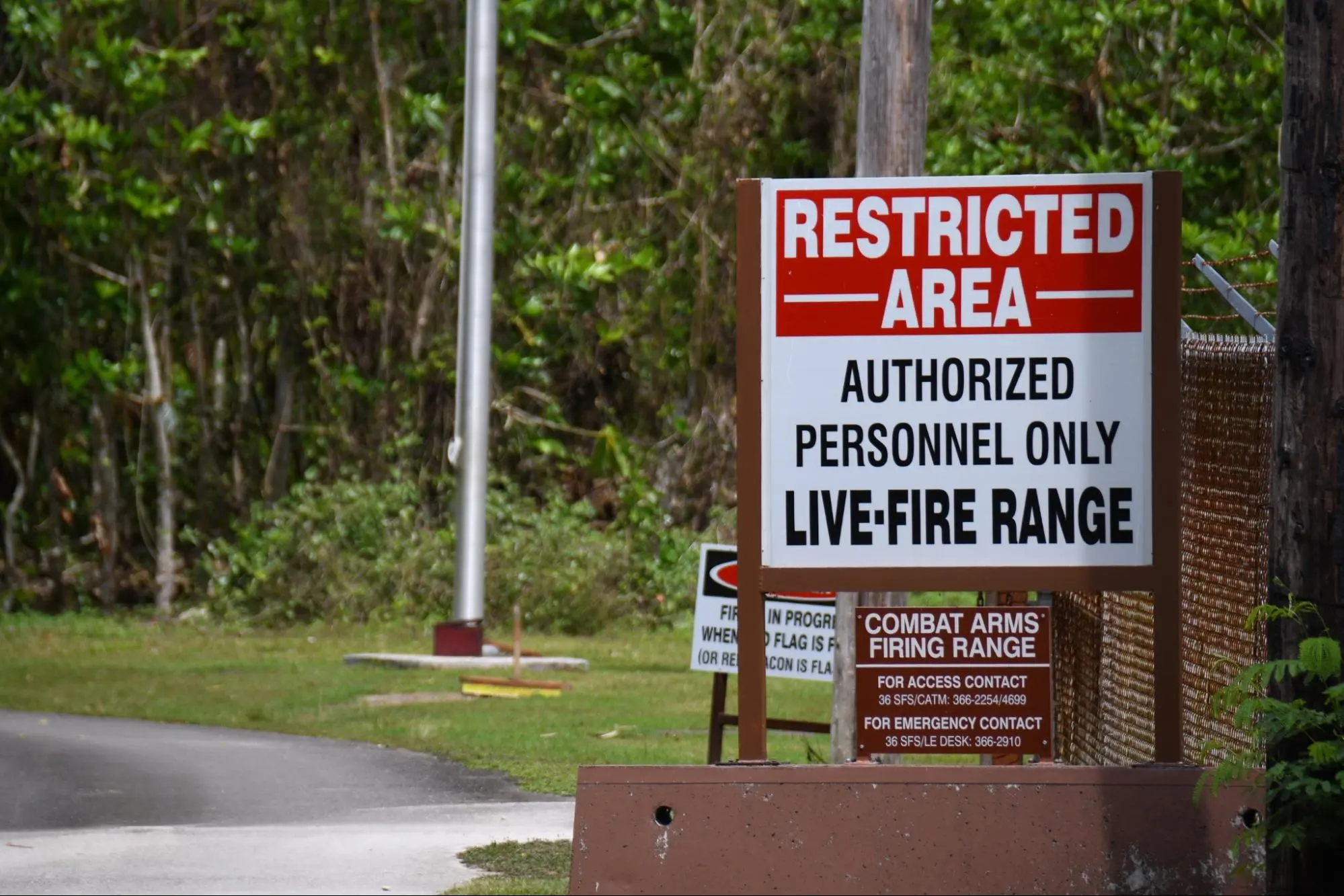
The presence of such persistent pollutants is emblematic of the "sacrifice zone" dynamic that many CHamoru residents argue has been imposed upon them. Guam, a U.S. territory, hosts a disproportionate amount of military infrastructure, including Andersen Air Force Base and the recently activated Marine Corps Base Camp Blaz. These facilities, while vital to the Department of Defense’s Indo-Pacific strategy, have historically left a trail of contamination. Beyond dieldrin, the island’s environment bears the scars of previous decades: unexploded ordnance hidden in jungles, PCB contamination in local fish, and long-term degradation of the island’s primary aquifer.
Chronology of Conflict and Expansion
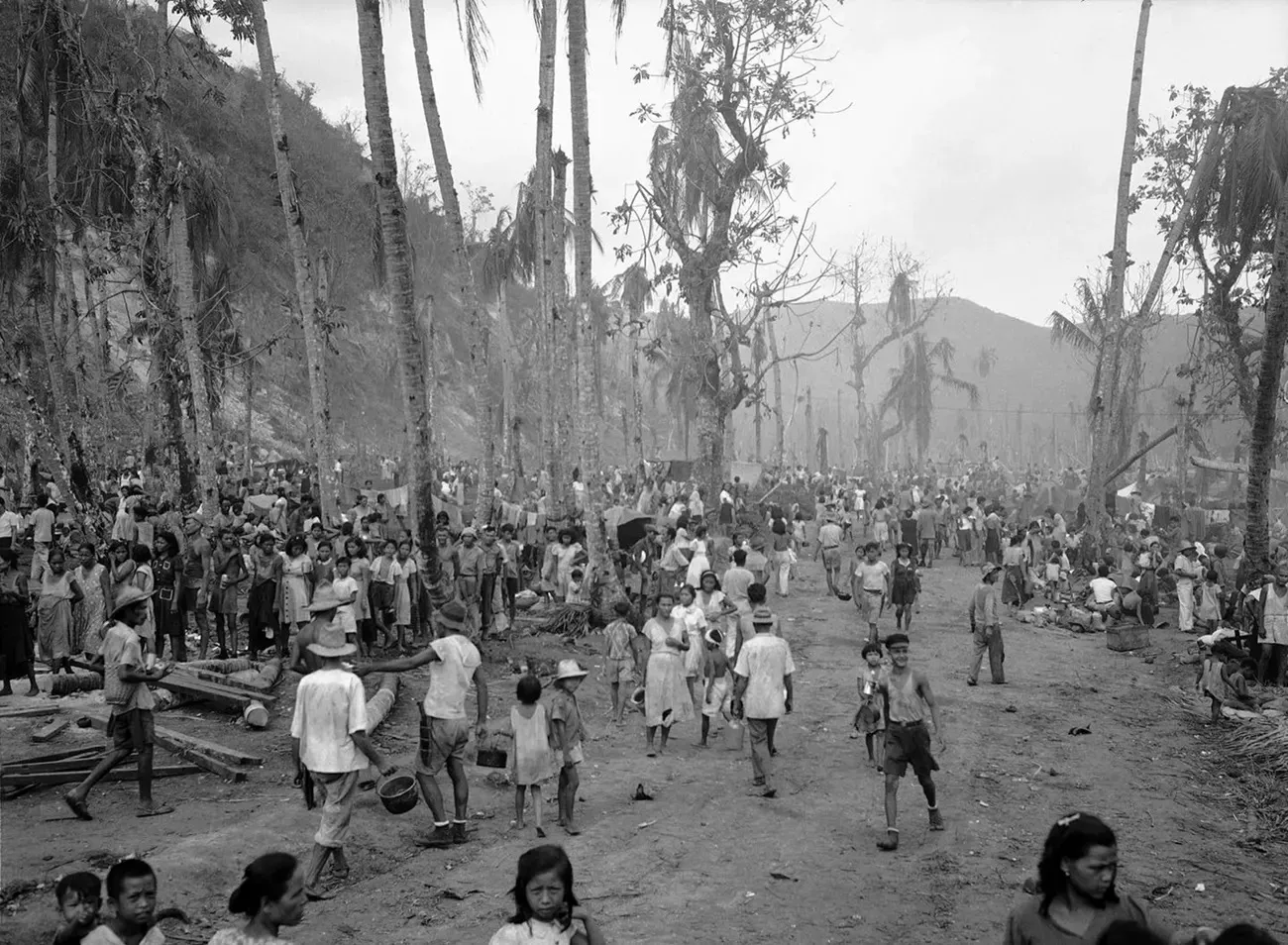
To understand the current crisis, one must look at the timeline of the U.S. military’s footprint on the island. Following the brutal Japanese occupation of Guam during World War II, the United States reclaimed the island in 1944. While the liberation was celebrated, it ushered in a new era of strategic occupation. In the immediate postwar years, the U.S. military acquired nearly two-thirds of the island’s land, effectively displacing local communities into refugee camps and reconfiguring the island’s landscape to prioritize military logistics over civilian life.
In the decades that followed, Guam became a critical node in the U.S. Pacific strategy. The 21st century saw a renewed emphasis on this "tip of the spear" doctrine. The current military buildup, which includes the movement of 5,000 Marines from Okinawa to the newly established Camp Blaz, has accelerated construction. Missile defense systems, port upgrades for nuclear submarines, and new training ranges now dominate the northern landscape, often encroaching upon ancestral lands and environmentally sensitive areas.
The Economic Paradox
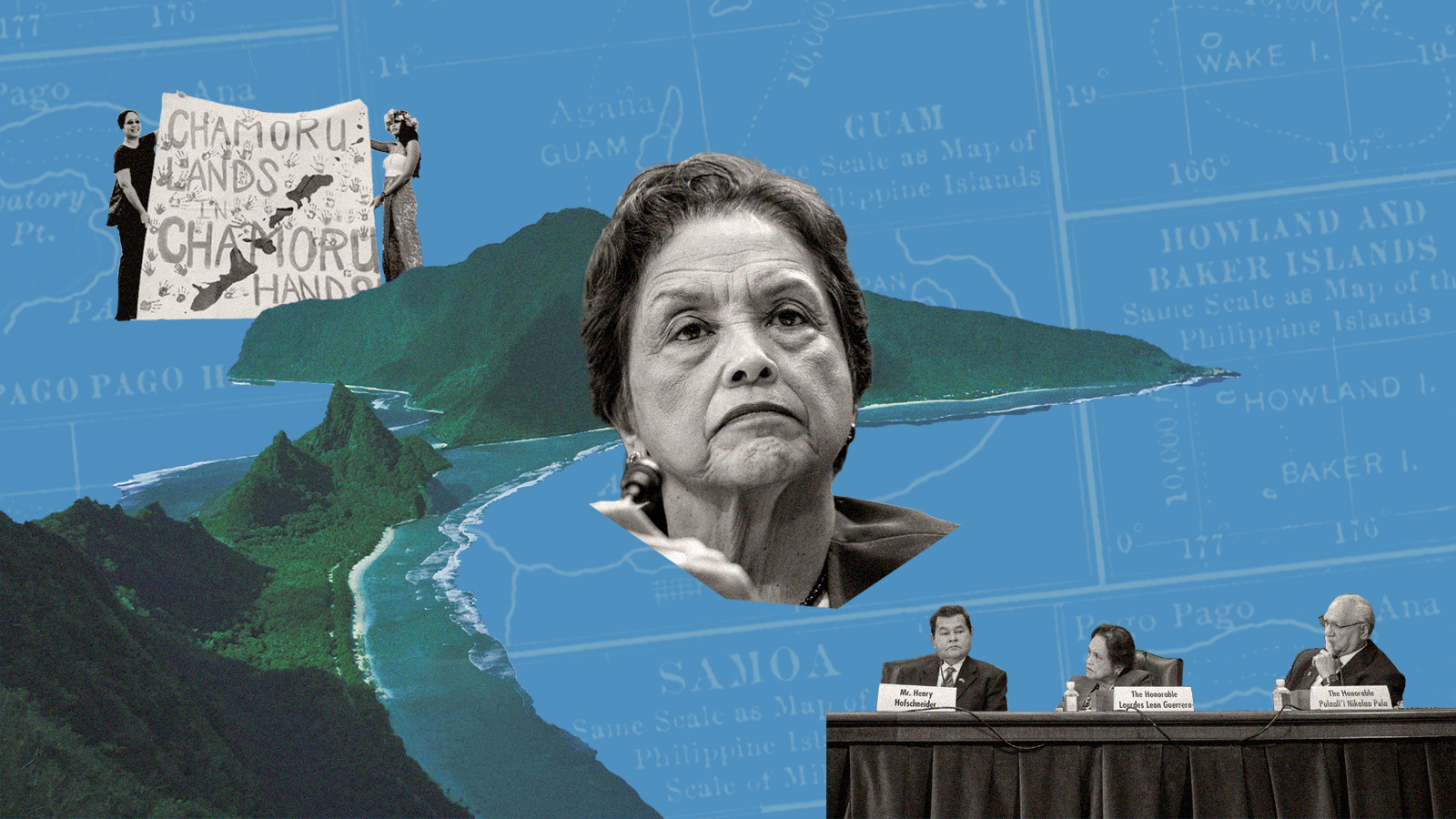
The relationship between the military and the island is deeply complex, characterized by both dependency and resentment. For Governor Lou Leon Guerrero and other proponents of the buildup, the Department of Defense is an essential economic engine. Recent data suggests that for every dollar the Pentagon spends on the island, approximately 75 cents is added to the local GDP. This infusion of capital has spurred commercial growth, high-rise development, and increased opportunities for residents, one in nine of whom serve in the armed forces.
However, this prosperity comes at a cost that is rarely captured on balance sheets. Housing prices on Guam have surged, with median home values reaching nearly half a million dollars—a significant barrier for many local families. Furthermore, the reliance on military spending creates a precarious economic model that leaves the island vulnerable to the fluctuating priorities of Washington, D.C., and the escalating geopolitical tensions in the region.
Official Stance and Accountability
Rear Admiral Brett Mietus, commander of Joint Region Marianas, maintains that the military is operating within the bounds of federal law. In his view, the multi-billion-dollar investment in missile defense systems is a direct testament to the military’s commitment to protecting the island and its residents from external threats, specifically referencing China’s recent ballistic missile testing near the island.
"We are meeting every letter of every law for environmental regulations and rules," Mietus stated, emphasizing the financial and logistical scale of the mission to defend the Indo-Pacific. However, he acknowledged the inherent risks associated with being a primary military hub, stating that living on Guam carries a certain level of exposure to global conflict.
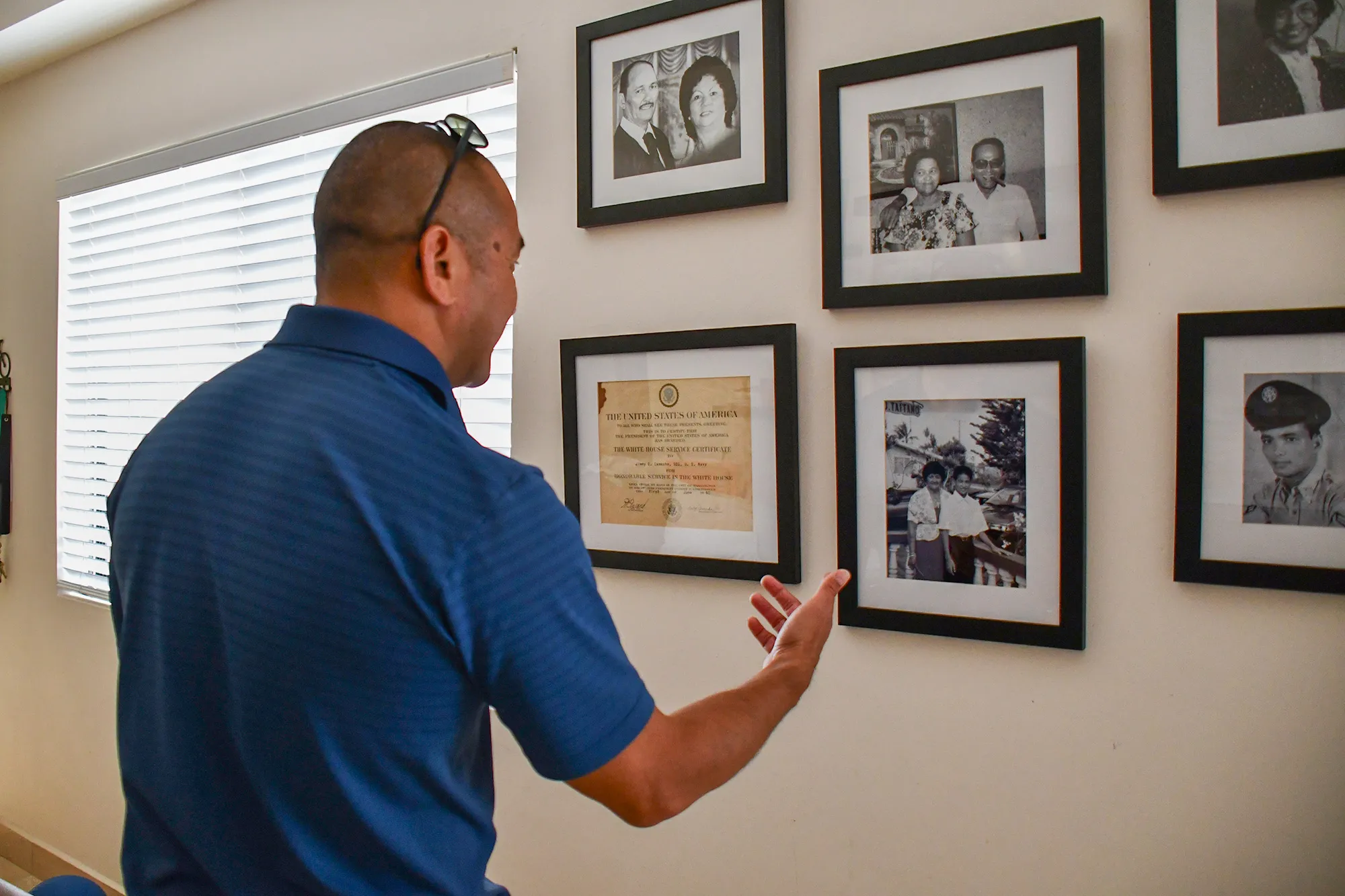
Critics, including Camacho and vice mayor of Yigo, Pedro Blas, find this justification inadequate. They argue that the military’s "commitment" is hollow when it fails to provide basic safeguards, such as clean water or adequate bomb shelters for the civilian population. The lack of transparency regarding the source of the dieldrin contamination—and the fact that investigations are often confined to military-controlled areas behind fences—has fueled a profound lack of trust between the community and the base leadership.
Regional Implications: A Pacific Strategy
The buildup on Guam is merely the anchor for a much broader regional strategy. The U.S. is currently engaging with the Federated States of Micronesia, Palau, and the Northern Mariana Islands to upgrade World War II-era facilities. On the island of Yap, for instance, a Navy proposal to dredge a lagoon to create a seaport has sparked significant local opposition. Indigenous leaders have raised alarms over the potential destruction of coral reefs, the disturbance of ancestral graves, and the transformation of a quiet, non-militarized state into a potential battlefield.
This "island hopping" strategy, while designed to counter geopolitical rivals, is viewed by many as a re-colonization of the Pacific. Legal challenges, such as those filed by Indigenous groups in Palau and the Marshall Islands, highlight a growing demand for the right to "free, prior, and informed consent"—a principle that critics argue the U.S. military consistently ignores in favor of strategic necessity.
The Path Forward: Seeking Justice
For Leevin Camacho, who served as Guam’s Attorney General from 2019 to 2023, the fight for accountability is personal and professional. His track record includes a landmark Supreme Court victory against the Navy regarding the cleanup of the Ordot Dump, which resulted in a $48.9 million settlement for the territory. This success provides a blueprint for his current efforts: forcing the federal government to internalize the costs of its environmental legacy rather than passing them on to local citizens.
Camacho’s current legal work, including over 700 claims filed on behalf of Yigo residents regarding water contamination, serves as a rallying point for a community that feels ignored. "Unless someone is forcing the issue, the Department of War isn’t going to voluntarily agree to be held accountable," Camacho asserts.
As Guam stands at the intersection of global power competition and local survival, the fundamental question remains: who is the military actually protecting? For the residents of Yigo, the answer is far from clear. As long as their water remains tainted and their land is treated as a strategic commodity, the tension between the "liberator" narrative of World War II and the reality of modern militarization will continue to define life on the island. For Camacho, the mission is singular: ensuring that his children have a home to return to—one that is not only secure from external threats but also safe from the hidden costs of the protection they are forced to host.