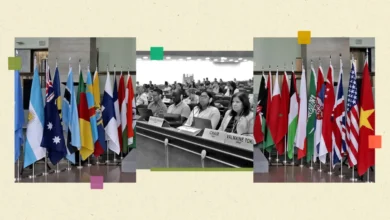
A Landmark United Nations Resolution Secures the Future of Sinking Island Nations Amid Shifting Global Geopolitics

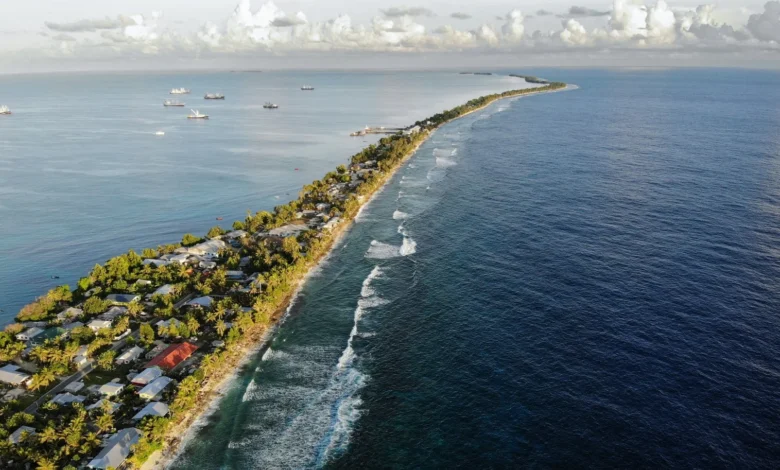
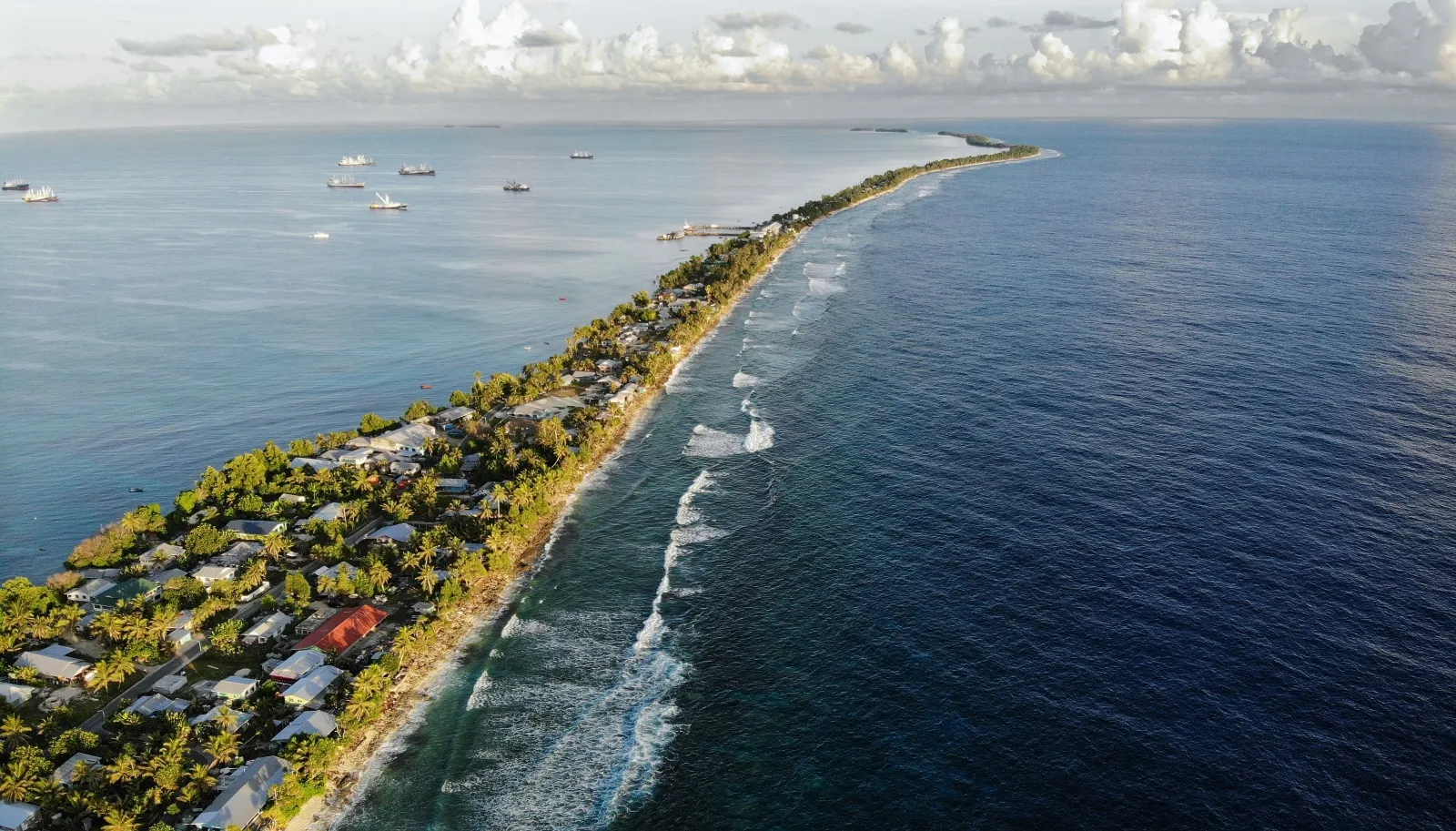
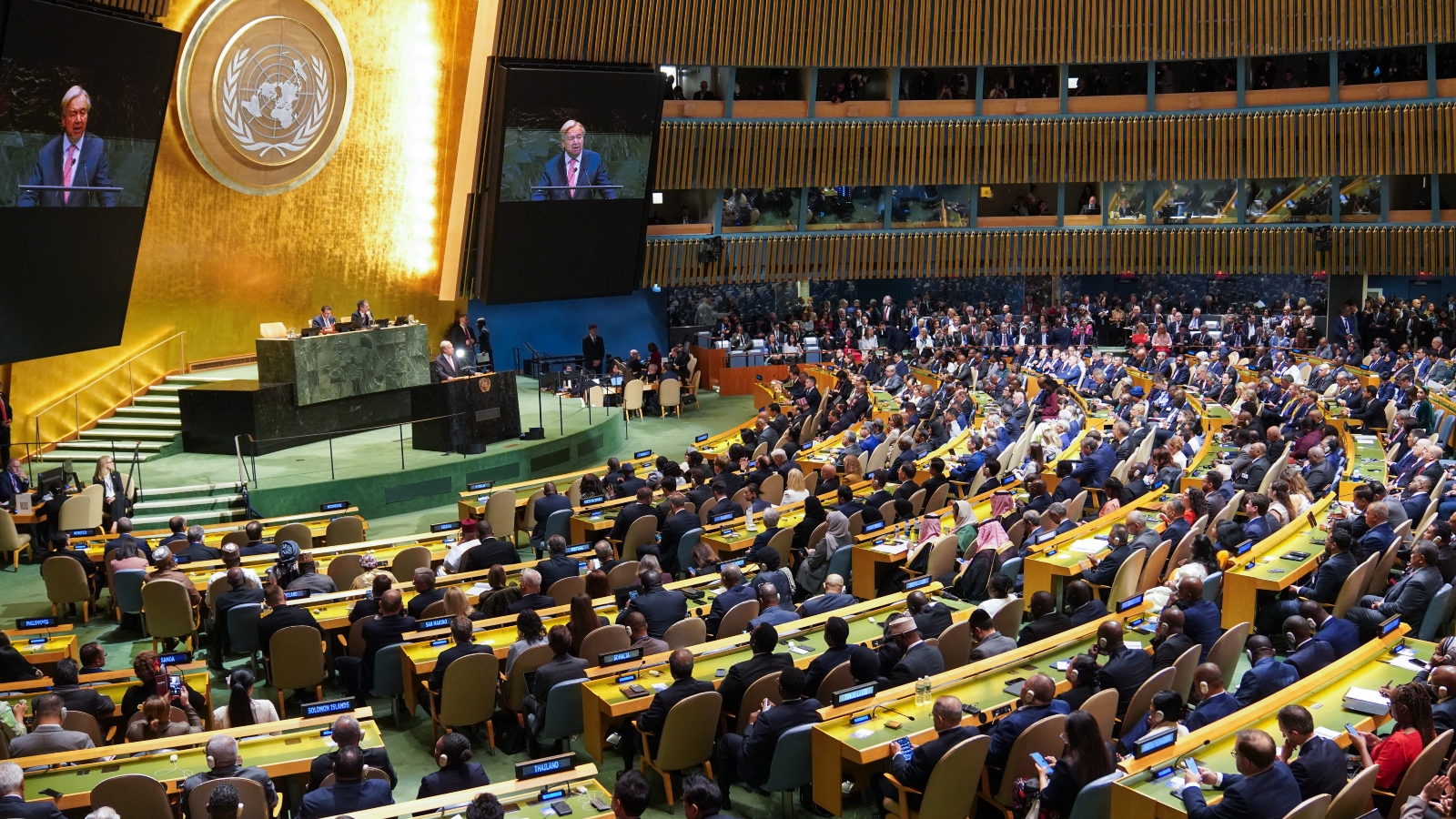
In a surprising departure from the isolationist climate policies that have characterized the current administration, the United States joined a unanimous United Nations General Assembly resolution this week to formalize protections for sovereign states facing total inundation due to sea-level rise. The accord represents a significant, if unexpected, victory for multilateral diplomacy, offering a lifeline to low-lying nations like Tuvalu, the Marshall Islands, and the Bahamas, which face the existential threat of disappearing entirely beneath the Pacific and Atlantic oceans by the turn of the century.
This diplomatic consensus arrived at the United Nations General Assembly (UNGA) during a period defined by intense friction between the U.S. and the international community. Under President Donald Trump’s second term, the United States has consistently withdrawn from climate-related obligations, including the Paris Agreement, while actively obstructing global initiatives aimed at implementing carbon taxes on the shipping industry. Furthermore, the administration has utilized the threat of retaliatory tariffs to silence nations advocating for more aggressive climate action. Against this backdrop, the U.S. decision to allow the sea-level rise resolution to pass without objection marks a rare moment of alignment between the White House and the international climate agenda.
The Legal Framework of Perpetual Statehood
The core of the declaration rests on the principle of "presumption in favor of continued statehood." For decades, the international legal community has grappled with the hypothetical—and increasingly probable—scenario of a country losing its entire landmass to rising tides. Under the newly ratified UN declaration, these states will retain their legal status as sovereign entities, even if their physical territories are submerged.
Crucially, the agreement codifies the right of these nations to maintain control over their existing maritime zones. These zones, which extend from a nation’s coastline, grant countries exclusive rights to fishing, energy development, and military jurisdiction. By enshrining these boundaries in international law, the declaration protects vulnerable island states from the "might makes right" scenarios where larger powers might otherwise attempt to seize control of mineral-rich or strategically vital ocean territory during a climate-induced evacuation.
This development follows a landmark ruling by the International Court of Justice (ICJ) last year, which established that the disappearance of a country’s land does not automatically extinguish its legal personality. The UNGA resolution serves as the political endorsement of that judicial precedent, effectively moving the concept from a theoretical legal debate to an active pillar of international policy.
Chronology of the Crisis and Diplomatic Response
The path to this resolution was paved by years of advocacy from the Alliance of Small Island States (AOSIS), a coalition of 39 low-lying nations that have been at the forefront of the climate emergency.
- 2019: Hurricane Dorian inflicts catastrophic damage on the Bahamas, underscoring the immediate economic and physical vulnerabilities of island nations to extreme weather intensified by climate change.
- 2024: During the COP29 climate summit in Baku, world leaders reach a consensus on a new, ambitious financial target of $300 billion in annual climate aid by 2035, though progress remains slow and heavily reliant on loans rather than grants.
- 2025 (Early): The International Court of Justice issues a landmark ruling affirming that statehood persists even if physical territory is lost to rising sea levels.
- 2025 (August): Diplomatic tensions peak as the U.S. threatens tariffs against nations aggressively lobbying for climate-finance reform.
- 2026 (September): The United Nations General Assembly adopts the unanimous resolution, cementing the "presumption of statehood" and formalizing the obligations of historic emitters to support adaptation efforts.
The Economics of Adaptation and Financial Gaps
While the resolution is a diplomatic triumph, it does not automatically bridge the massive funding gap required for survival. The OECD reports that developed nations currently provide approximately $130 billion annually in climate finance—a figure that falls well short of the trillions required for comprehensive infrastructure projects like seawalls, mangrove restoration, and the managed retreat of populations.
For nations like the Bahamas, the financial burden is compounded by existing national debt. Prime Minister Philip Davis has noted that much of his country’s debt stems directly from recovery efforts following historic storm events. When international aid arrives in the form of high-interest loans rather than grants, it traps these nations in a cycle of debt, leaving them with fewer resources to invest in long-term climate resilience.
Despite the U.S. administration’s general hostility toward international aid, the inclusion of language requiring "expanded access" to adaptation funds remained in the final text. This provision acknowledges that developed nations—the primary contributors to historical carbon emissions—have an urgent, albeit often unfulfilled, obligation to assist those currently paying the price for global temperature increases.
Strategic Interests: Why the U.S. Agreed
Political analysts and legal scholars suggest that the U.S. decision not to block the resolution was not born of a sudden shift in climate ideology, but rather a calculation of national self-interest. Bryce Rudyk, a legal advisor to AOSIS and a professor at New York University, explains that the issue of shifting maritime boundaries affects every coastal nation, including the United States.
"Everyone will lose land, and no one wants to lose ocean territory," Rudyk stated. "It is in the interest of every nation to ensure that established maritime borders remain fixed, regardless of the physical changes to the coastline."
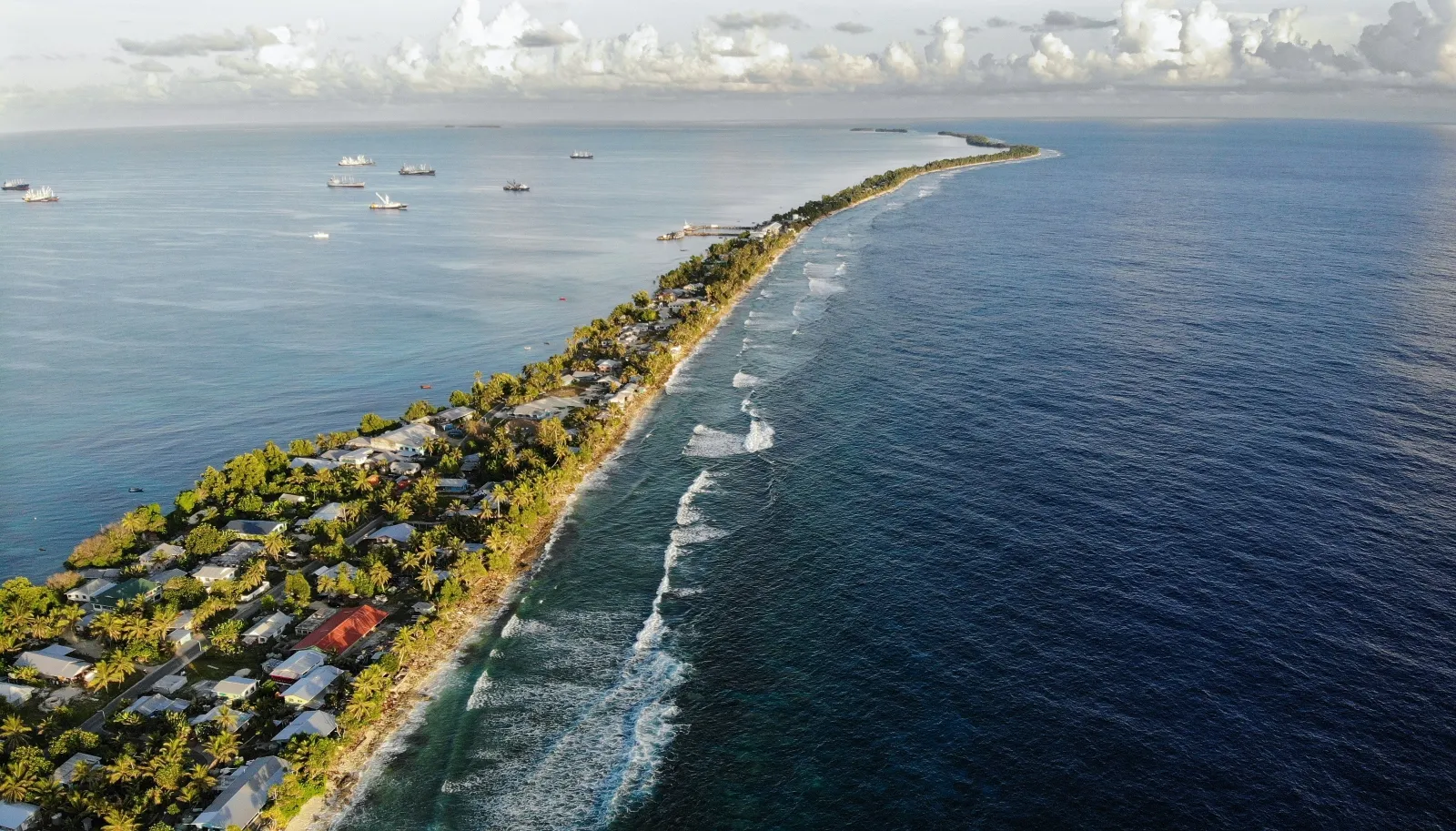
As sea levels rise, the prospect of contested sovereignty over offshore oil, minerals, and renewable energy sites like offshore wind farms becomes a source of significant geopolitical anxiety. By supporting a universal rule that maritime boundaries are fixed, the U.S. protects its own extensive territorial waters from future international disputes. In this light, the UN declaration provides a predictable legal environment that appeals to the strategic and economic interests of even the most climate-skeptic nations.
Broader Implications for Global Governance
The resolution serves as a test case for whether international institutions can still function effectively in an era of resurgent nationalism. Kamal Amakrane, managing director of the Global Center for Climate Mobility, emphasized the rarity of this consensus. "What was long treated as a legal ‘presumption’ is now an affirmation," Amakrane said. "The world has agreed to preserve small islands by consensus, in a year when consensus has been hard to come by."
The long-term success of this resolution will depend on how rigorously it is enforced. For the Marshall Islands and Tuvalu, the declaration is not merely a legal technicality; it is the difference between becoming a nation in exile and losing their identity entirely. By protecting the legal framework of statehood, the international community has bought these nations time to organize, preserve their culture, and negotiate the terms of their future as "floating states."
However, the resolution remains a fragile instrument. While it creates a shield against the erasure of statehood, it does not stop the water from rising. Without a significant, sustained increase in international climate finance, the physical survival of these nations remains precarious. The next phase of this struggle will likely shift from the legal chambers of the United Nations to the financial boardrooms of the G20, where the actual cost of climate adaptation must be reconciled with the political reality of global economic priorities.
For now, the international community has sent a clear message: the geography of the world may be changing, but the sovereignty of the nations that inhabit it is not for sale, and their right to exist is now firmly anchored in the bedrock of international law. Whether this momentum can be sustained in the face of continued climate inaction remains the defining question of the decade.