For the burgeoning offshore wind sector in the Gulf of Mexico, the last two years have been defined by a strategy of strategic hibernation. Faced with an administration that has made the systematic dismantling of renewable energy infrastructure a cornerstone of its domestic policy, industry leaders, engineers, and supply chain operators in Louisiana are playing a long game. They are operating under the assumption that the current federal hostility toward wind energy is a temporary political hurdle rather than a permanent death knell for the industry.
The political environment for offshore wind underwent a radical transformation starting in January 2025. Upon taking office, President Trump utilized a series of executive orders to effectively freeze the industry. These actions included the withdrawal of federal waters from new leasing opportunities and the suspension of permitting processes for projects already in the pipeline. By leveraging federal "stop-work" orders and offering financial incentives for companies to abandon their leases, the administration has successfully navigated a path that avoids protracted litigation while systematically removing wind power capacity from the U.S. energy portfolio.
A Financial and Structural Retreat
The scale of this retreat is substantial. Industry analysts estimate that the administration has paid out approximately $4 billion to developers to terminate lease agreements. This move has resulted in the loss of 21 gigawatts of potential energy capacity—enough, by federal estimates, to power more than 5 million homes. Among the casualties is a high-profile 2-gigawatt project situated 44 miles south of Lake Charles, Louisiana, which was being developed by the German energy firm RWE. The project had already secured a power purchase agreement with Entergy, intended to provide renewable electricity to hundreds of thousands of homes across Louisiana and Texas.
The financial incentive for developers to walk away is rooted in the high cost of holding offshore leases while simultaneously facing a regulatory environment that offers no clear path to construction. As Madelyn Smith, a program manager with the Southeastern Wind Coalition, noted during a recent energy forum at Tulane University, developers are essentially cutting their losses in a market where the federal government has signaled a multi-year period of inaction.
The Gulf Coast Supply Chain in Limbo
Louisiana, a state historically synonymous with the oil and gas industry, had spent the better part of a decade successfully pivoting its technical expertise toward offshore wind. By 2024, nearly a quarter of all offshore wind work contracts in the United States were being fulfilled by Gulf-based firms. This transition was not merely a matter of economic diversification; it was a logistical necessity for the nascent industry. The shipyards, metal fabricators, and specialized maritime supply fleets that supported oil and gas exploration proved uniquely qualified to construct and maintain the massive foundations and turbine components required for offshore wind farms.
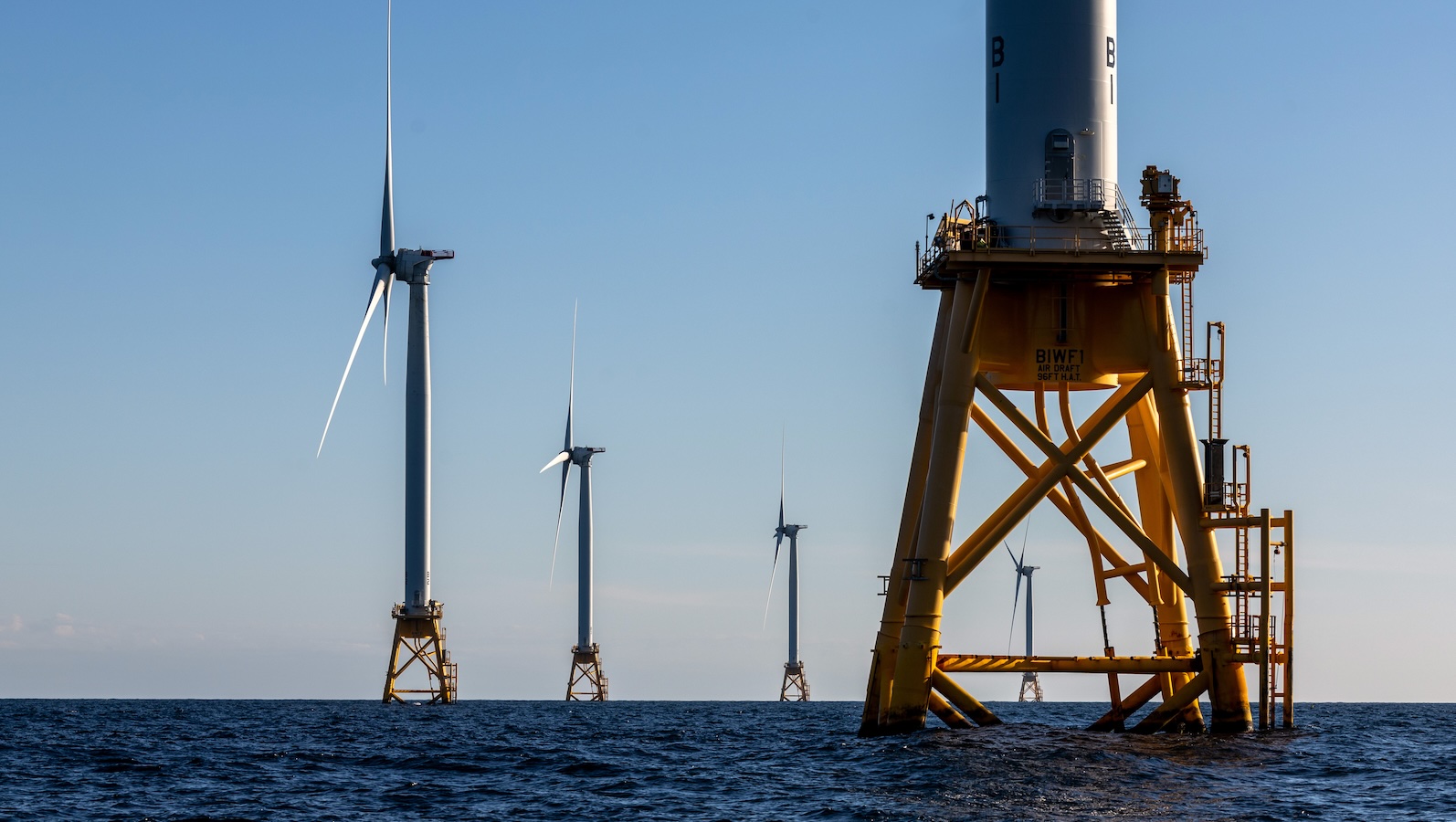
According to data from the Oceantic Network, roughly $1 billion in private investment had flowed into the region’s ship and fabrication yards to facilitate this shift. State Representative Joe Orgeron, a Republican and a veteran of the offshore wind supply industry, has been a vocal proponent of this evolution. His family-owned supply boat business was instrumental in the construction of the Block Island Wind Farm, the nation’s first offshore wind project, in 2016. For Orgeron and many of his colleagues, the current federal administration’s "one-man stopping show" is a frustrating interruption of a natural market evolution.
"Come January 21st, 2029, we all get to wave goodbye," Orgeron stated during the Tulane forum. His sentiment reflects a broader consensus among local industry stakeholders: the goal is to preserve the existing expertise and workforce until a more favorable political climate arrives.
Educational and Institutional Shifts
The impact of the current federal policy extends beyond the corporate boardroom and into the state’s educational institutions. In anticipation of a growing labor market, Louisiana colleges had significantly altered their curricula to prepare a new generation of technicians and engineers. Nunez Community College, for example, developed a specialized turbine technician program, while the University of New Orleans launched a "Wind Energy Hub" to foster engineering talent.
The suspension of major projects has left these programs in a precarious position. Students who once expected a clear career path into a high-growth sector are now facing a period of uncertainty. Similarly, firms like Gulf Wind Technology, based in Avondale, have been forced to pivot back to the aerospace and defense sectors to keep their engineers employed and their facilities operational. CEO James Martin has described the current situation as a "big pause button on what was a sleeping giant of an industry." He warned that the human cost is mounting, as some of the most specialized talent in the energy sector is choosing to leave the field entirely after years of professional stagnation.
The Historical Roots of the Opposition
President Trump’s opposition to wind energy is not a recent development. His rhetoric has remained remarkably consistent since at least 2006, when he engaged in a decade-long legal and public relations battle against the Scottish government over an offshore wind farm proposed near his golf course in Aberdeen. Over the years, he has utilized a variety of arguments to attack the industry, ranging from concerns over property values and wildlife to debunked claims regarding the health impacts of turbine noise and vibrations.
This long-standing ideological opposition has now been codified into federal policy. By making the "crackdown" on offshore wind a signature component of his domestic agenda, the President has successfully linked the energy transition to a broader cultural and political battle. For the developers, the irony is palpable: the very same engineering prowess that made the Gulf of Mexico a global leader in fossil fuel extraction is now being sidelined due to a political conflict that has little to do with the technical or economic viability of wind power.
Broader Implications and Future Outlook
The broader implications for the U.S. energy market are significant. By paying developers to exit the market, the federal government has effectively shortened the nation’s long-term energy transition roadmap. The loss of 21 gigawatts of capacity is not easily replaced, especially as demand for electricity rises due to the expansion of data centers, electric vehicle infrastructure, and industrial electrification.
Furthermore, the "wait and see" strategy adopted by Louisiana companies carries its own risks. Skill sets can degrade, capital investment may shift permanently to other global markets, and the momentum gained through years of legislative and private sector cooperation could be lost. If the industry is to successfully restart in 2029, it will require not only a change in administration but a significant reinvestment in the supply chain and workforce development programs that have been allowed to atrophy.
Despite these challenges, the resilience of the Gulf-based supply chain remains a key factor. These firms have survived the boom-and-bust cycles of the oil and gas industry for decades; they are accustomed to navigating market volatility and shifting federal priorities. The question remains whether this resilience will be enough to keep the offshore wind dream alive for another three years. For now, the message from Louisiana is one of cautious endurance. As the industry watches the clock, they remain convinced that the economic logic of offshore wind will eventually outweigh the political opposition of the current moment. The technology, they argue, is sound, the infrastructure is in place, and the market demand—despite the current regulatory blockade—is only expected to grow.