The Silent Crisis in the Pacific: How Militarization and Contamination Are Reshaping Guam and Micronesia

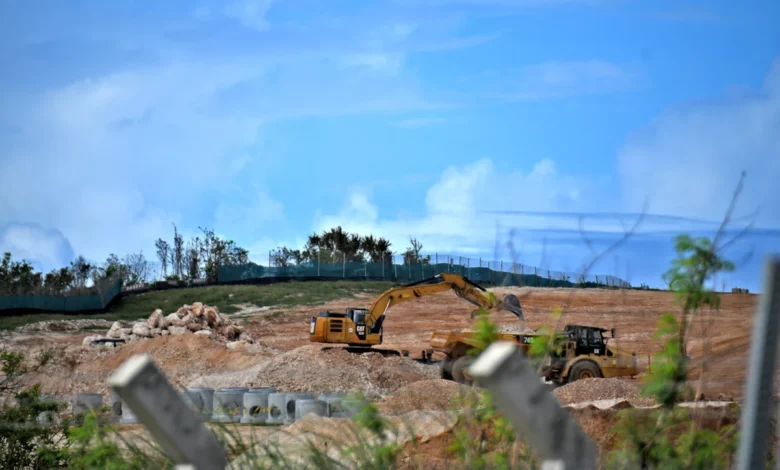
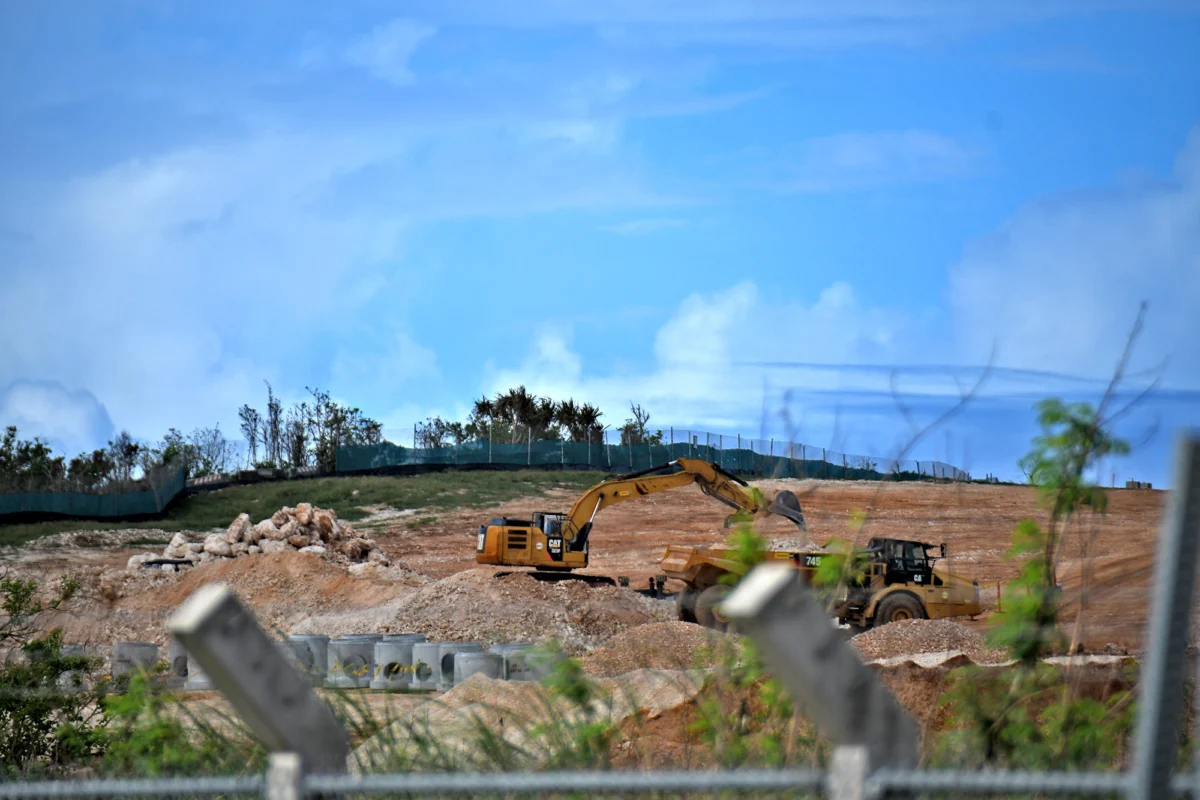
For Leevin Camacho, the realization that his community’s water supply had been compromised was not a sudden shock, but the grim culmination of a lifetime lived in the shadow of American military expansion. The catalyst was a simple text message from his mother, accompanied by a photograph of a municipal flyer that carried a chilling, stark instruction: DO NOT DRINK. The warning, issued by local water authorities in the northern village of Yigo, cited the presence of dieldrin, a hazardous organochlorine insecticide that has been banned in the United States since 1987. The flyer further cautioned that the chemical, a persistent environmental pollutant, posed a significant cancer risk and was linked to adverse impacts on the liver.
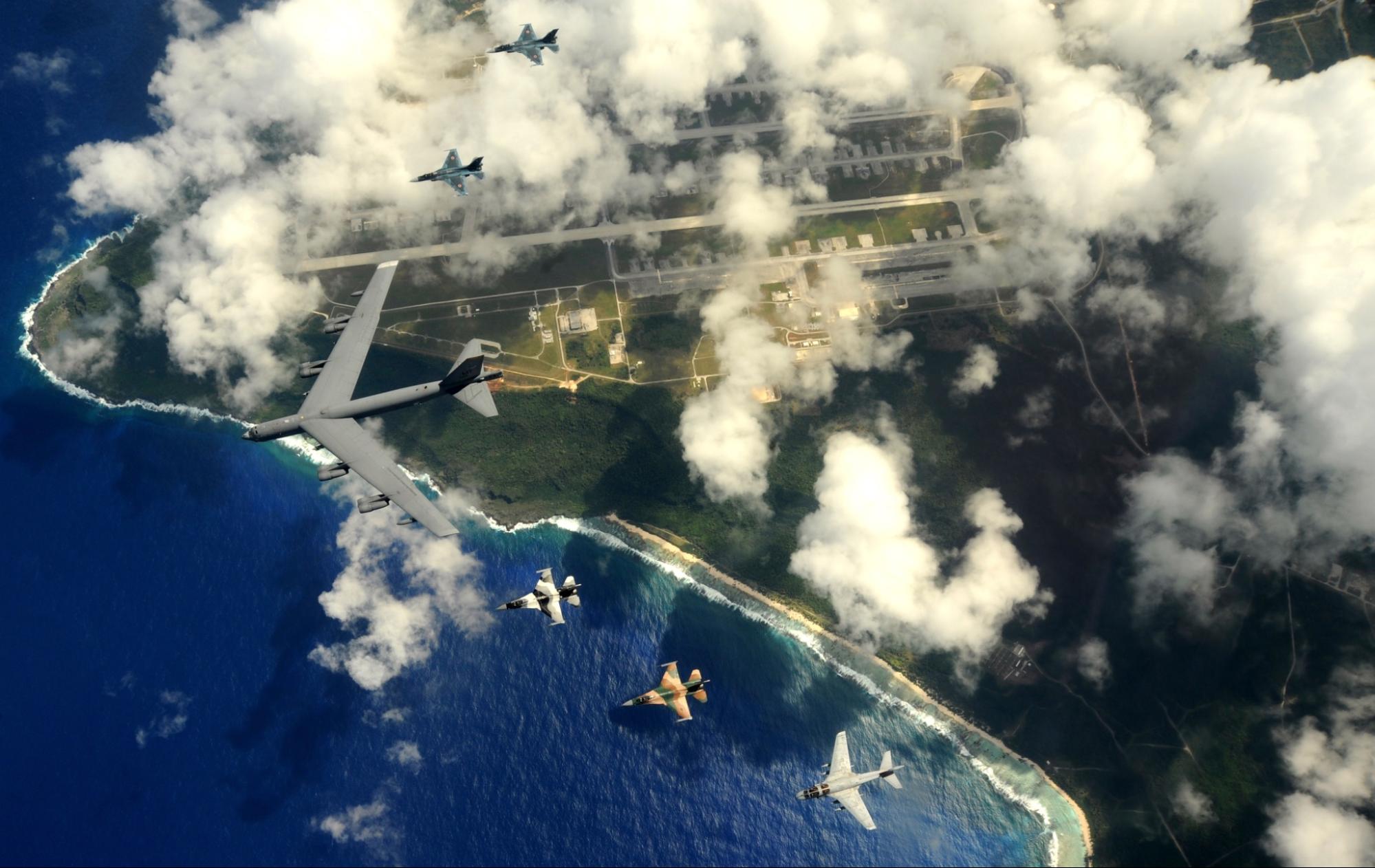
As Camacho looked at his children, aged 10 and 12, he was forced to reconcile the reality of his daily life with the legacy of a U.S. military presence that has dominated the island for over a century. His children had been drinking, bathing, and cooking with that water for nearly their entire lives. A search of the contaminant revealed that high levels of dieldrin had been detected in the Yigo well serving his home since at least 2008. For residents of Guam, this is more than an isolated plumbing failure; it is a manifestation of the systemic environmental costs associated with the island’s role as the "tip of the spear" in American Pacific strategy.
A Legacy of Contamination and Oversight
The presence of dieldrin in Guam’s groundwater is not a localized anomaly but part of a broader, decades-long history of chemical exposure. Documents suggest that the U.S. Air Force base adjacent to the Yigo well had identified the pesticide as a "chemical of concern" as early as 1993. While the Pentagon’s investigation into the specific source of the pollution remains in its infancy, local officials and residents point to a recurring pattern: the military occupies vast swaths of land, utilizes chemicals for operational needs, and leaves behind a landscape riddled with unexploded ordnance, PCBs in coastal waters, and tainted aquifers.
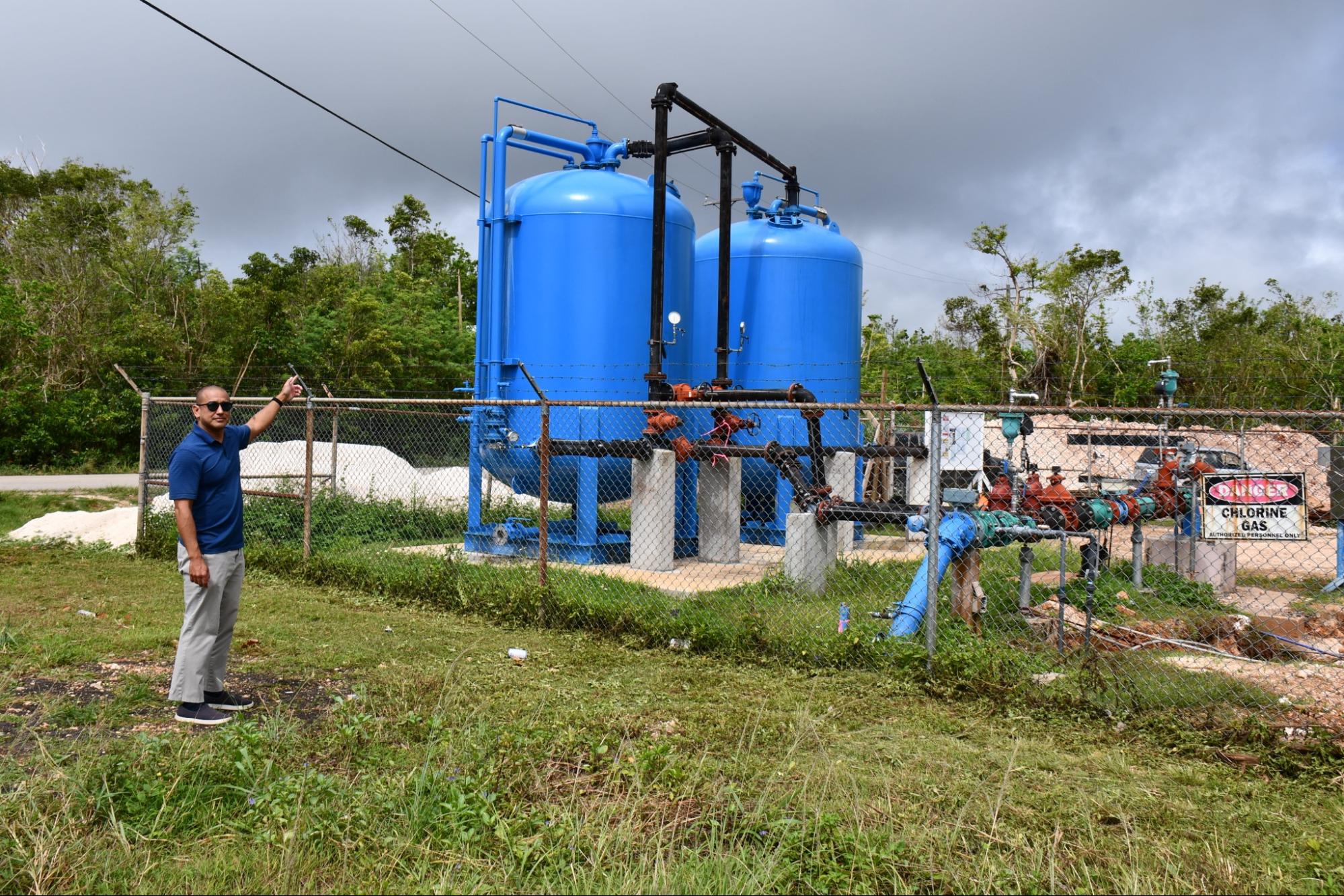
The contamination of Guam’s water table reflects the island’s unique and precarious position. As a U.S. territory, its citizens are subject to federal defense policies but lack the voting power in Congress to hold the Department of Defense (DoD) fully accountable. For residents like Camacho, the dissonance between the military’s stated mission of protection and the reality of the environmental degradation they face is a source of profound frustration.
Chronology of an Expanding Strategic Footprint
The tension on Guam is currently being amplified by a massive, multi-billion-dollar military buildup. This strategic pivot, designed to counter growing geopolitical competition in the Indo-Pacific—specifically regarding China—is transforming the landscape of the Western Pacific.
- 1898: The United States acquires Guam from Spain, initiating a century of military-governed land usage.
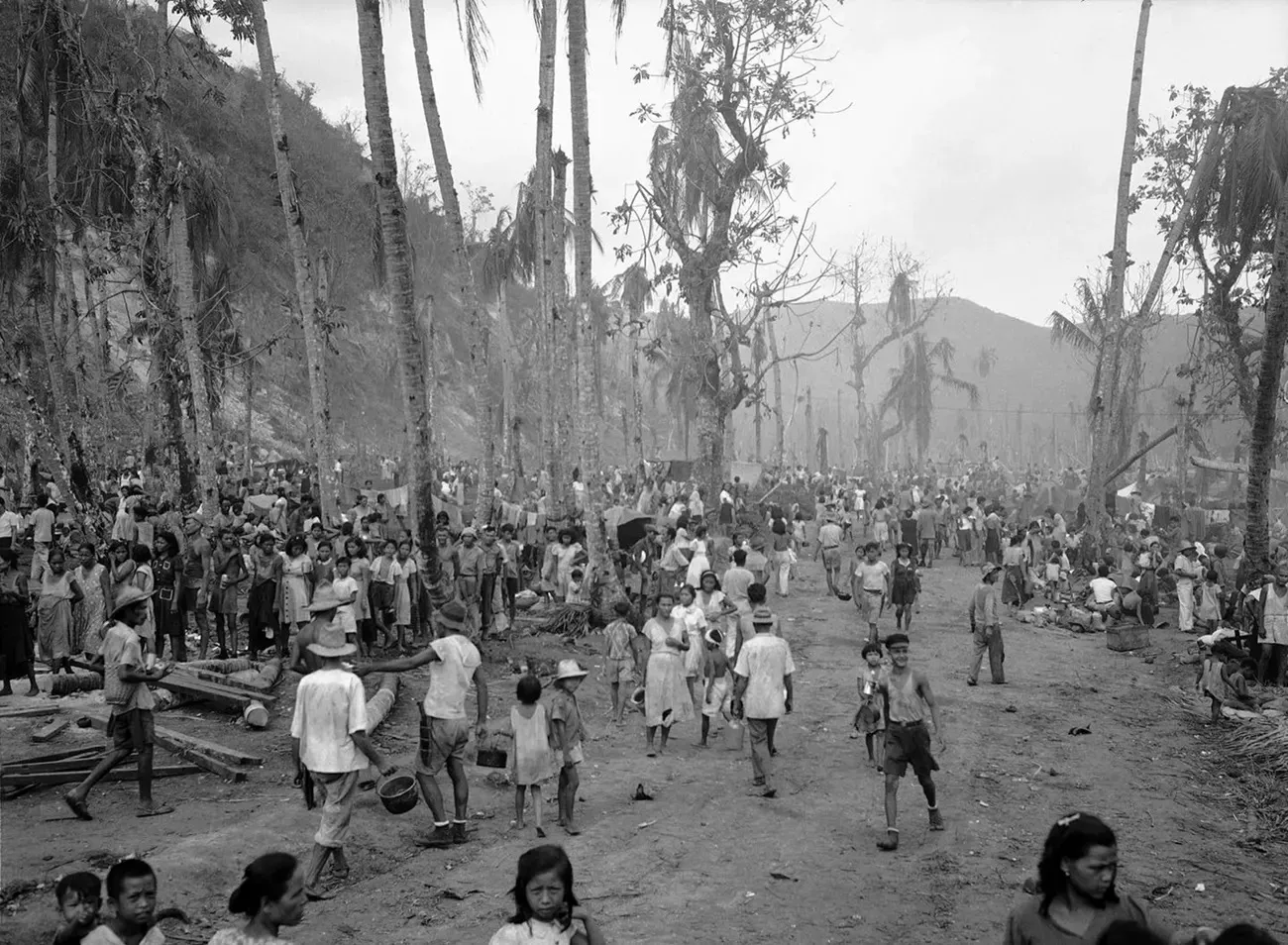
- 1941–1944: Guam suffers a brutal Japanese occupation during World War II, followed by a U.S. liberation that fostered a deep, historical sense of gratitude toward the American military.
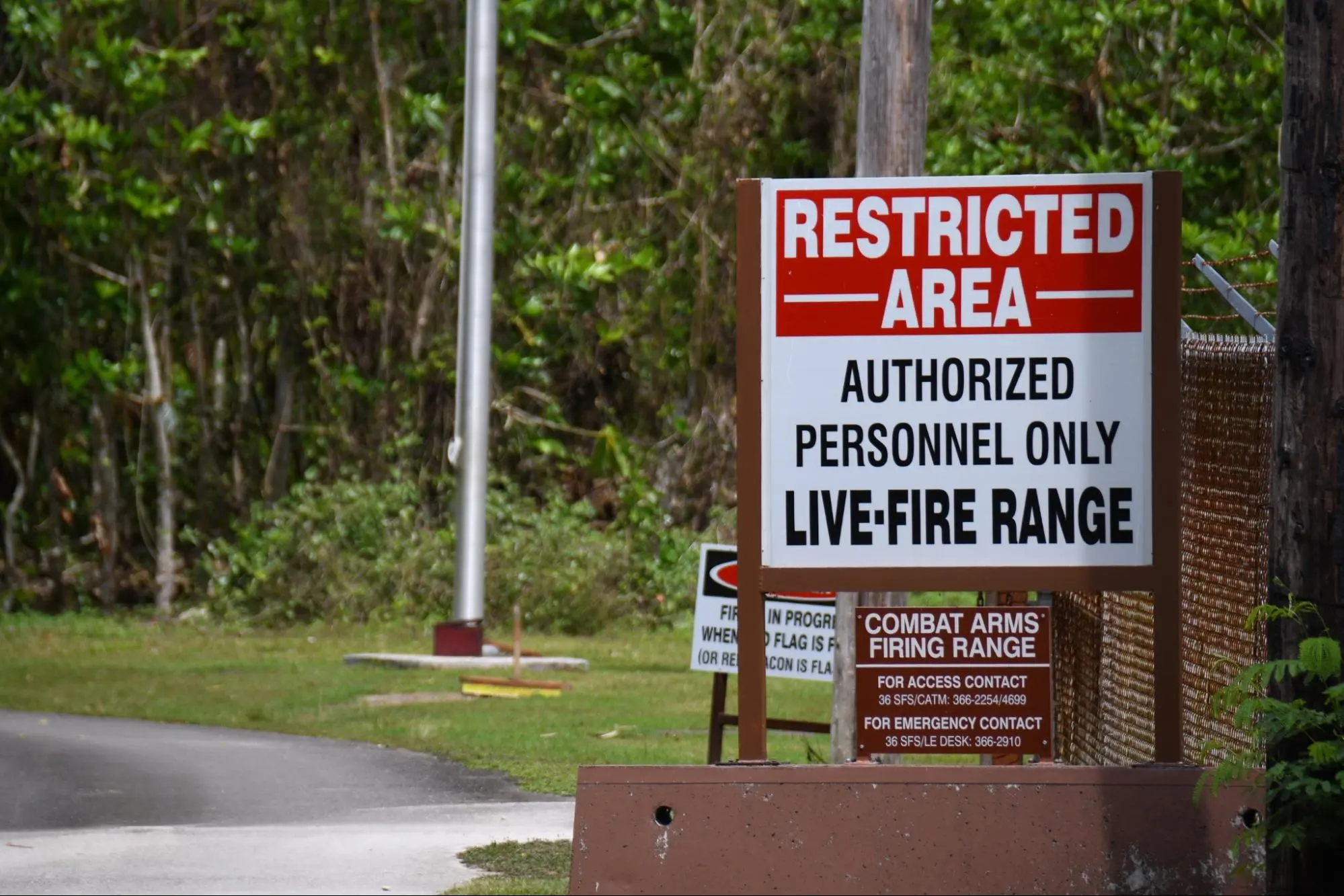
- 1945–1950s: The U.S. military engages in a massive land-grab, seizing roughly two-thirds of the island, forcing Indigenous CHamoru residents into refugee camps.
- 2008: Early detections of high dieldrin levels are recorded in northern wells in Yigo.
- 2010: Residents form community groups like We Are Guåhan to sue the U.S. government, successfully halting some land expansion plans and reducing the number of Marines slated to transfer from Okinawa.
- 2020: The U.S. Marine Corps officially activates Camp Blaz, a new installation on Guam.
- 2026: Ongoing construction of new missile defense systems, valued at $8 billion, continues as regional geopolitical tensions hit record highs.
The Economics of Security vs. Environmental Health
The military’s presence on Guam is a dual-edged sword. Supporters of the current buildup, including Governor Lou Leon Guerrero, emphasize the economic vitality that the DoD brings to the island. Statistics show that for every dollar the Pentagon spends on the island, roughly 75 cents is added to the local GDP. This infusion of capital has fueled a commercial boom, characterized by high-rise hotels, shopping centers, and a robust construction sector.
However, this economic growth is uneven. The influx of military personnel and contractors has driven the median home price from roughly $216,000 in 2010 to nearly half a million dollars today, making the island increasingly unaffordable for its own residents. Furthermore, the military’s land-use patterns have left the island’s infrastructure—designed for military movement rather than civilian life—struggling to support the growing population.
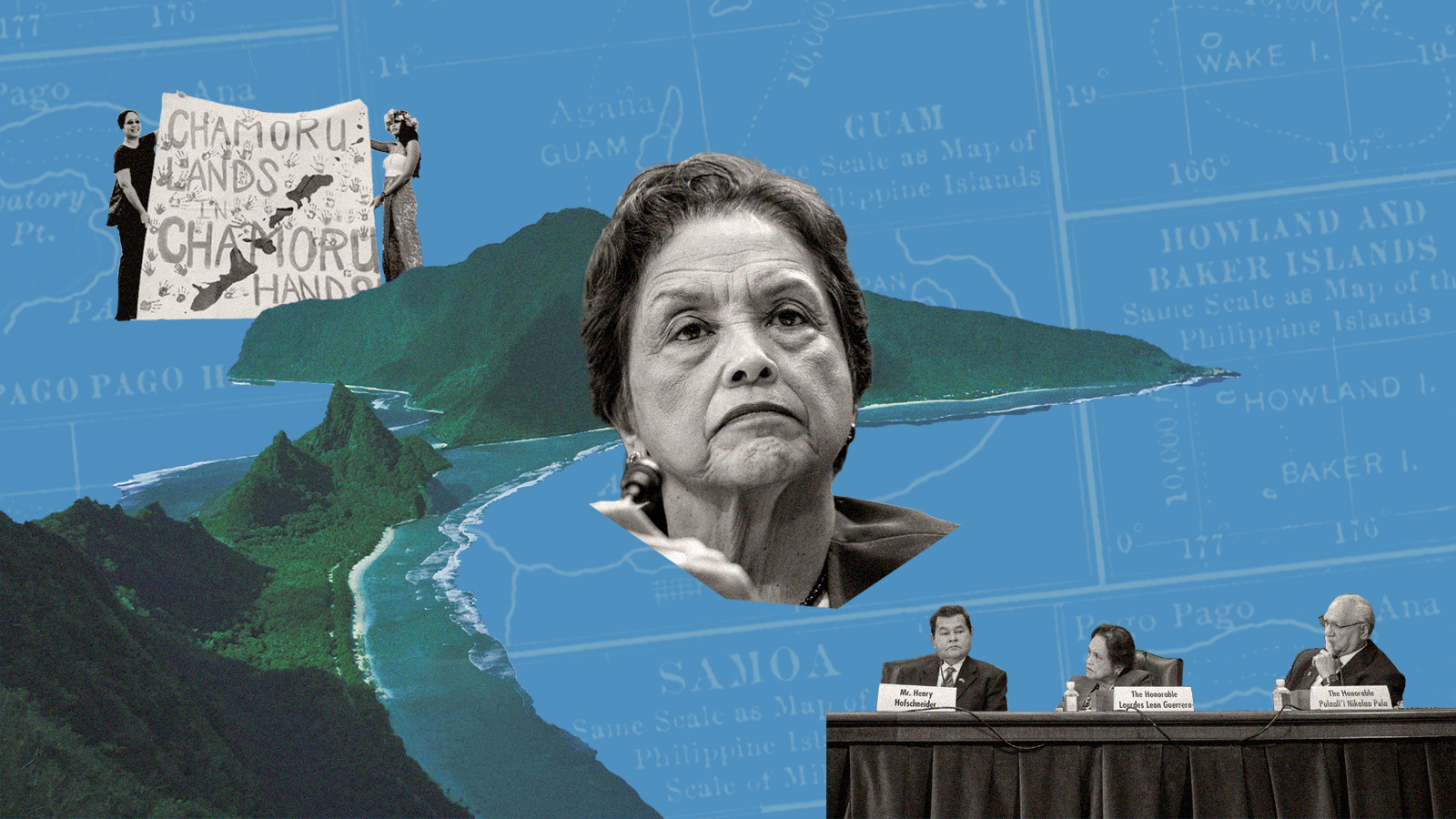
Rear Admiral Brett Mietus, the head of Joint Region Marianas, maintains that the military is operating within the letter of the law. "We spend a lot of time and a lot of money making sure that we meet every U.S. regulation," Mietus stated, noting that the command is currently spending billions to defend the island from advanced missile threats. From the military perspective, these defensive measures are the ultimate act of commitment to the people of Guam.
Broader Implications for the Pacific
The buildup is not confined to Guam. The Pentagon is actively seeking to expand its reach across the Federated States of Micronesia, Palau, and the Northern Mariana Islands. In Yap, plans to dredge a lagoon to create a deep-water seaport and airfield have met with significant resistance from local leaders who fear the destruction of reefs, the disturbance of ancestral graves, and the loss of food security.
The climate crisis further complicates this expansion. The Pentagon is the world’s largest institutional emitter of greenhouse gases, and the destruction of forests and reefs to facilitate military training ranges exacerbates the vulnerability of Pacific islands to typhoons and sea-level rise. For many Indigenous leaders, the U.S. military’s strategy of "island hopping" in the 21st century feels uncomfortably similar to the tactics of the 1940s, leaving them to wonder if they are once again being viewed as collateral damage in a contest between global superpowers.
Seeking Accountability
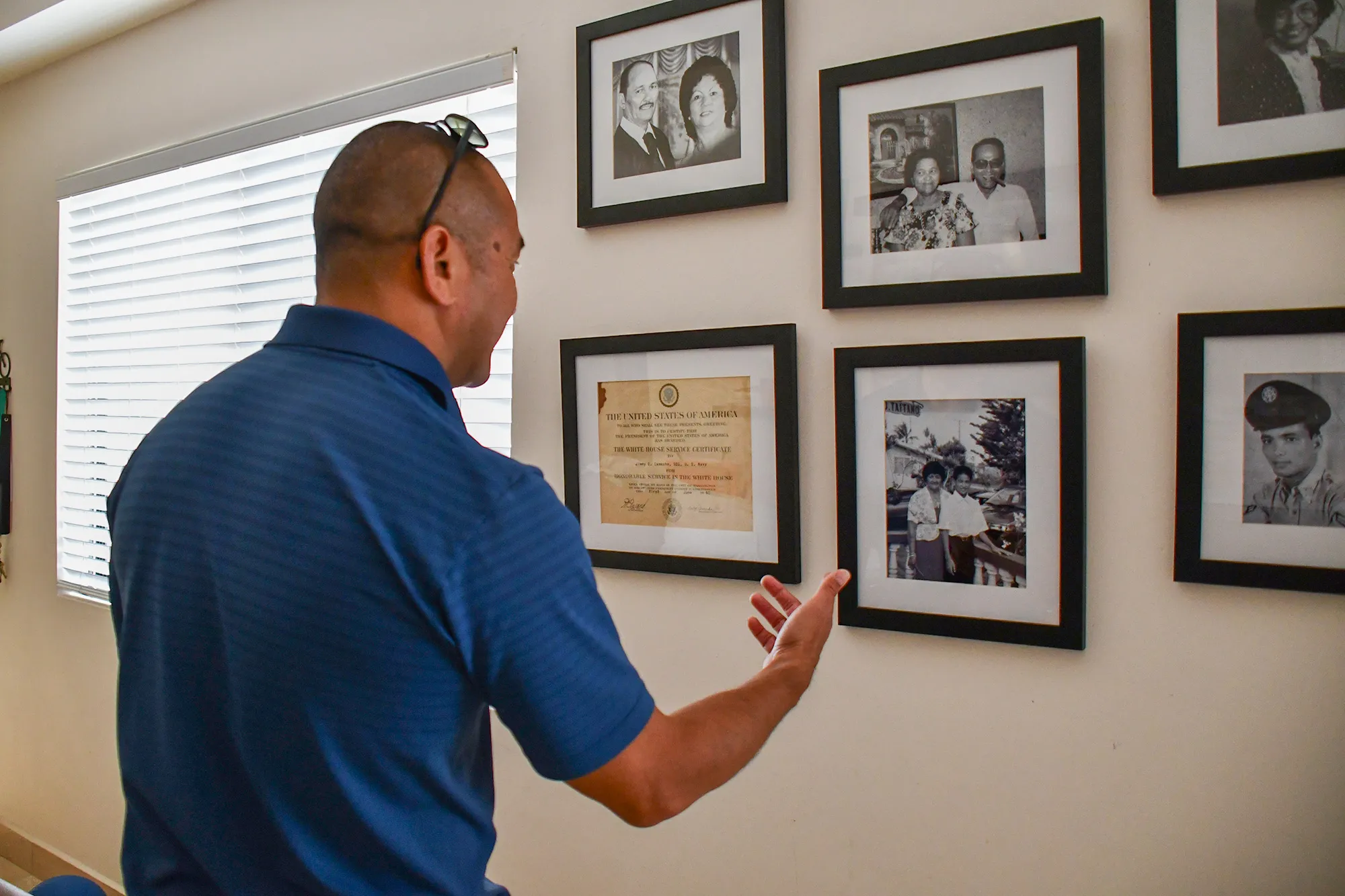
Leevin Camacho, who served a term as Guam’s attorney general, has dedicated his career to navigating these systemic injustices. His legal advocacy, including a successful Supreme Court case that forced the federal government to pay $48.9 million for the cleanup of a hazardous, abandoned landfill, highlights the importance of institutional pressure.
"Regulatory agencies will bend over backwards to not pick a fight with the military," Camacho observed. His work now involves representing over 700 claimants in the dieldrin contamination case, seeking to force the government to accept responsibility for the toxic legacy of its past operations.
The situation in Yigo serves as a microcosm for the broader Pacific region. As the United States strengthens its military posture, the fundamental question for islanders remains: what is the cost of being the "tip of the spear"? For the residents of Guam, the cost is already visible in their poisoned water, their lost forests, and their uncertain future. As the military continues to prioritize its strategic goals, activists like Camacho and organizations like Prutehi Guåhan are determined to ensure that the voices of the people who call these islands home are not silenced by the roar of jets or the bureaucratic language of national security. The path forward remains fraught, but for the communities of the Pacific, the demand for accountability is no longer a request—it is a necessity for survival.
Related posts: