Heat Exhaustion and Systemic Failure: The Critical Collapse of Matthew Mayich at Arizona State University

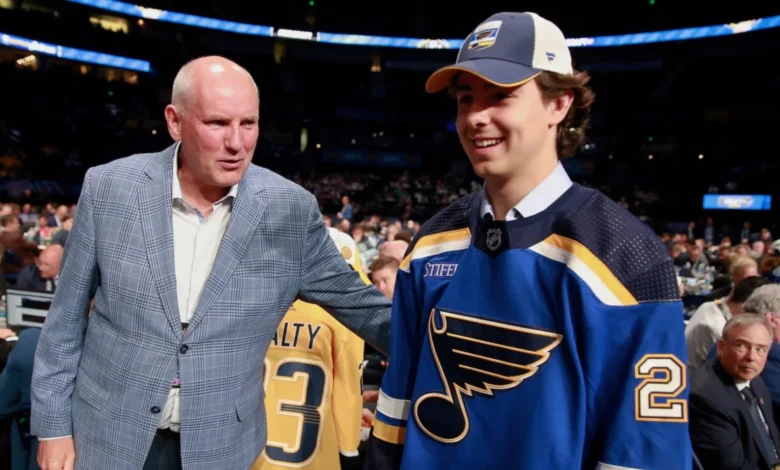
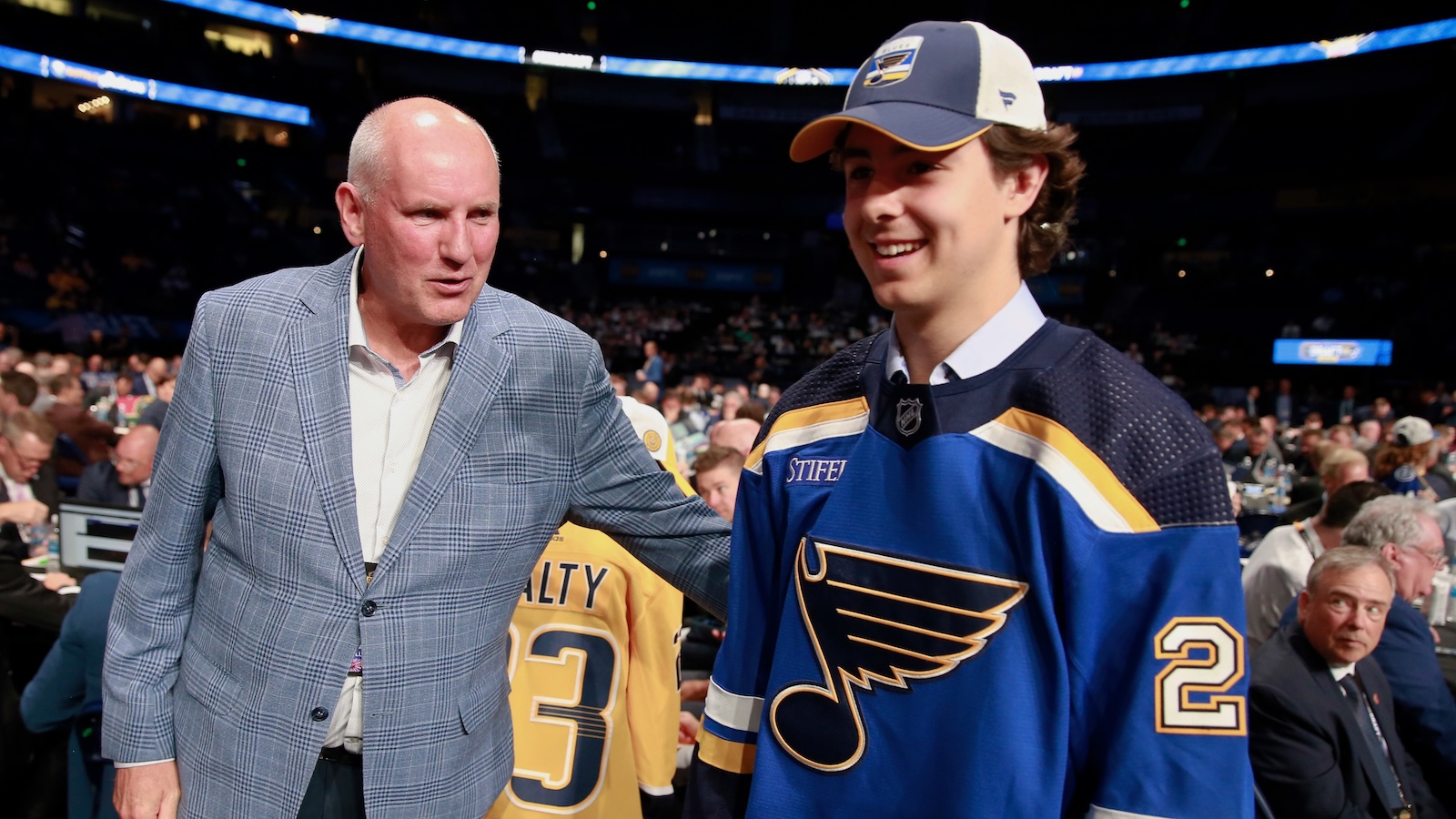
Matthew Mayich, a promising 21-year-old hockey prospect with dreams of playing for the St. Louis Blues, remains in critical condition following a catastrophic exertional heat stroke during a team training session at Arizona State University’s Sun Angel Stadium on August 20. The incident, which occurred under the desert sun as temperatures climbed toward 90 degrees Fahrenheit, has ignited a firestorm of controversy, raising profound questions about the adequacy of institutional safety protocols and the oversight of athletic training in an era of intensifying climate change.
The tragedy began at 7 a.m. when Mayich and his teammates were subjected to an intense, 75-minute conditioning workout led by guest trainer Tim Ziesel, a former Green Beret. What was intended to be an inaugural practice for the new season devolved into a life-threatening crisis. According to a scathing letter submitted to ASU President Michael M. Crow by seven of Mayich’s teammates, the session included a grueling sequence of push-ups, planks, flutter kicks, bear crawls, squats, sprints, and buddy-carries. The workout culminated in a "medicine ball run," during which Mayich, already visibly struggling, collapsed and was unable to rise.
A Chronology of Negligence
The timeline of the events leading to the collapse reveals a stark disconnect between established safety mandates and on-field execution. Mayich, a Canadian native, had arrived in Tempe only eight days prior to the session. Under optimal conditions, athletes require a seven- to 14-day gradual acclimatization period to adjust to extreme heat. While the university’s internal policy suggests such a period, the teammates’ letter alleges that previous voluntary workouts were held in climate-controlled indoor environments, rendering them insufficient for physiological heat adaptation.
As the session progressed, teammates reported that Mayich showed clear signs of distress—including visible disorientation and crawling on his hands and knees—long before the final exercise. Critically, the letter asserts that the university failed to adhere to its own stated safety guidelines: no immersion tub was present, no ice chests were accessible, no scheduled breaks in the shade were provided, and, crucially, no on-field heat measurement was taken. Instead of utilizing the industry-standard Wet Bulb Globe Temperature (WBGT) gauge, the university reportedly relied on data from a remote weather station located a mile away, which researchers have repeatedly warned can underestimate localized heat stress by several degrees.
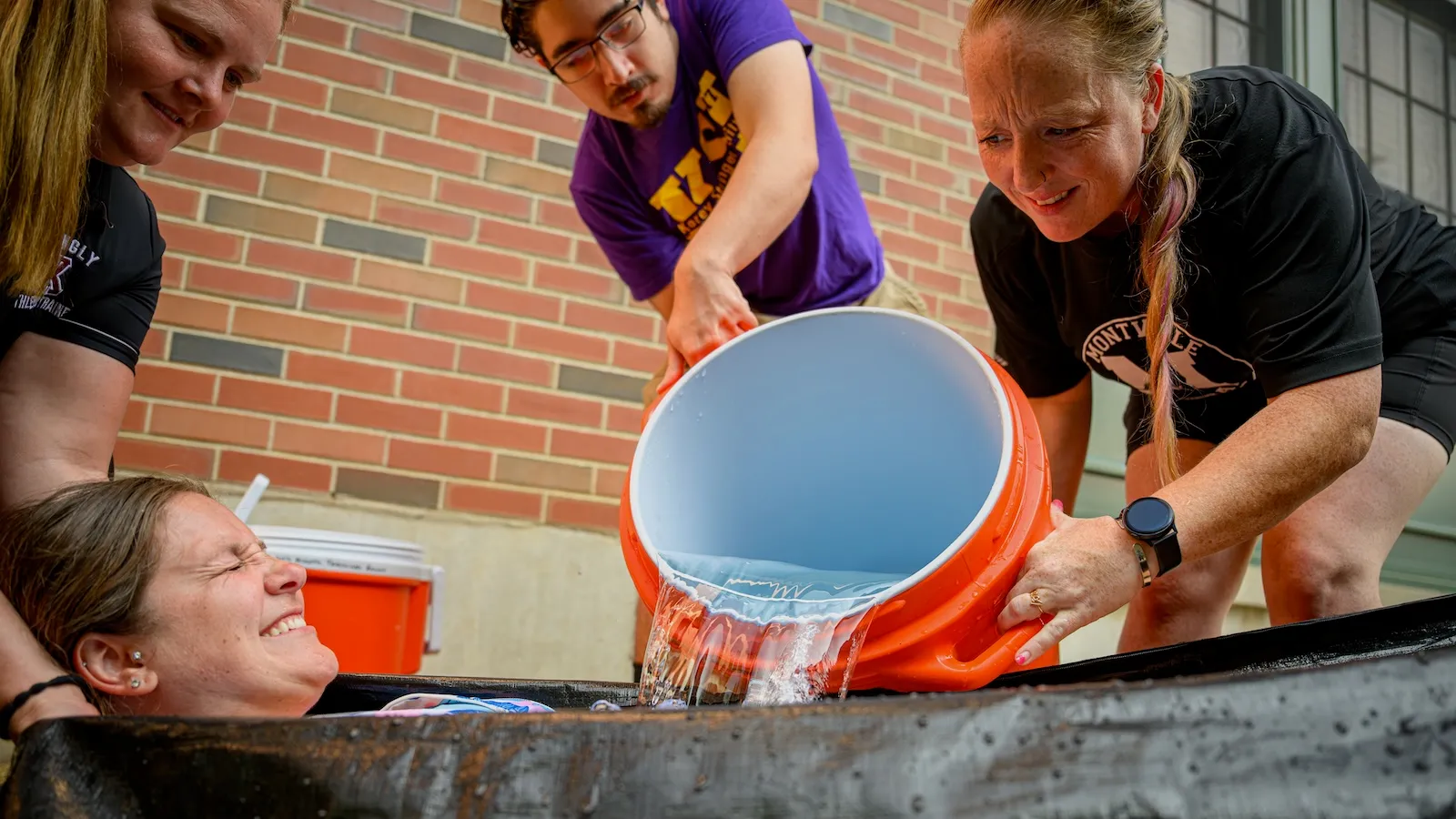
When Mayich finally succumbed, the emergency response was allegedly inadequate. Teammates stated that he lay on the hot synthetic turf for 17 minutes before paramedics arrived, during which time staff utilized only garden-variety water bottles and a garden hose to cool him. Medical experts, including Doug Casa of the Korey Stringer Institute, emphasize that cold-water immersion is the gold standard for treating heat stroke, as it provides a significantly faster cooling rate than air conditioning or misting. Without this immediate intervention, the window to prevent irreversible organ damage closes rapidly.
The Broader Context of Athletic Heat Safety
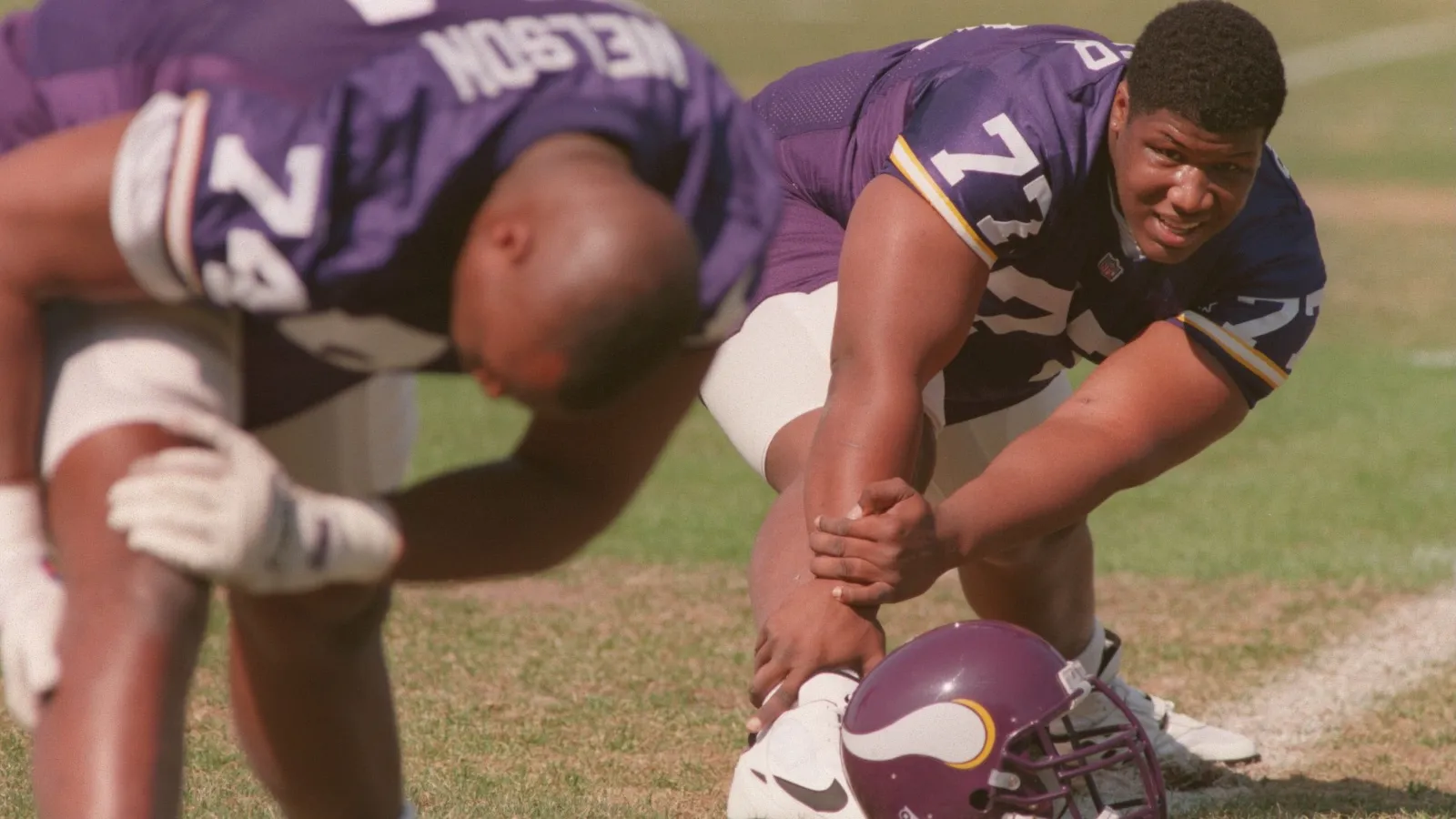
The incident at Arizona State is the latest in a sobering history of heat-related athletic fatalities. Twenty-five years ago, the death of NFL offensive lineman Korey Stringer during Minnesota Vikings training camp fundamentally altered the landscape of sports medicine. Stringer, who died at age 27, suffered from an internal body temperature of 108.8 degrees. His death spurred the creation of the Korey Stringer Institute, an organization dedicated to the prevention of sudden death in sports.
Despite two decades of progress, the systemic application of these safety measures remains inconsistent. While professional leagues like the NFL and high-profile collegiate programs often have the resources to implement robust policies, enforcement is frequently hindered by a lack of centralized, mandatory standards. In many cases, policies are framed as "recommendations" rather than non-negotiable requirements, allowing institutions to interpret them with dangerous flexibility.
The challenge is compounded by the warming climate. Recent data from World Weather Attribution indicates that the probability of extreme heat events in U.S. cities has at least doubled since the mid-1990s. Furthermore, the proliferation of synthetic turf surfaces—which can reach temperatures far exceeding the ambient air—has created "heat islands" on athletic fields. ESPN recently reported on an NFL game where turf temperatures reached 157 degrees, leading to melted cleats and players requiring intravenous hydration.
Official Responses and Internal Investigations
The university’s response to the Mayich incident has been characterized by defensive posturing and delayed transparency. Head coach Greg Powers, who insisted at a September 23 press conference that he remained the "right guy" to lead the program, was placed on paid leave shortly thereafter, following the release of the anonymous letter from players challenging the administration’s narrative.
Legal representatives for both the university and the trainer, Tim Ziesel, have sought to minimize the severity of the training. Ziesel’s attorney, Larry Kazan, asserted that the workout was not as difficult as media reports suggested, a claim that stands in direct opposition to the firsthand accounts of those who participated.
In a move to address the mounting pressure, Arizona State announced that former Arizona Supreme Court Chief Justice Scott Bales will lead an independent review of the university’s athletic policies. However, this move has met with skepticism from the Mayich family. Through their attorney, Robert Carey, the family argued that the current scope of the review is insufficient and demanded a deeper, transparent investigation into the specific actions of the coaching staff and the potential violation of NCAA and conference rules.
Implications for the Future of Sports Policy
The failure to protect Matthew Mayich serves as a grim reminder that policy on paper is meaningless without rigorous implementation. As noted by Dr. Michele LaBotz, a pediatrician and researcher, the current state of youth and collegiate sports safety is akin to the "wild west," where standards vary wildly between districts and institutions.
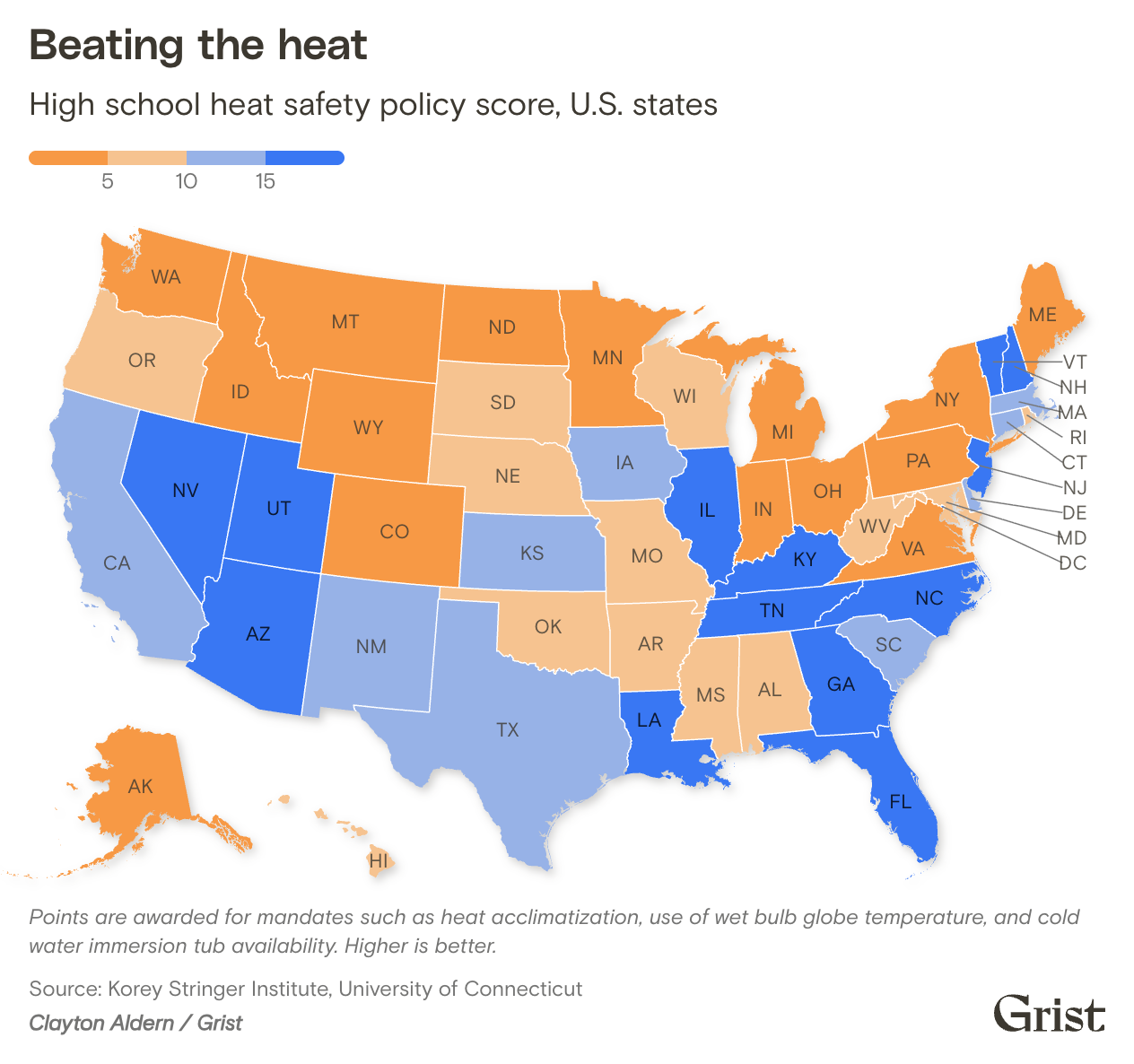
Georgia stands as a notable exception, having transformed its high school football safety record by implementing mandatory WBGT monitoring and strict heat acclimatization protocols. Their success demonstrates that heat-related illnesses are largely preventable with political will and standardized enforcement. Yet, as the Korey Stringer Institute’s analysis shows, many states—particularly in the Mountain West and Northern regions—still lag significantly in adopting these proven safeguards.
The irony of the situation at Arizona State was underscored just days after the incident, when the university hosted a symposium to launch its new Center for Heat Preparedness. During the event, university officials spoke at length about the dangers of extreme heat, all while the primary victim of their own athletic program’s failure remained on life support just two miles away at the Barrow Neurological Institute.
For the Mayich family, the pursuit of truth is not merely a legal strategy but a moral imperative. They, along with many in the sports medicine community, are calling for a national standard for heat safety that removes the discretion of individual coaches and prioritizes the biological reality of the athlete over the demands of competitive training. Whether this incident will serve as the necessary catalyst for the NCAA to move beyond voluntary guidelines remains to be seen. In the absence of federal regulation or binding mandates, the current system continues to leave the most vulnerable—the athletes—to bear the cost of institutional negligence.
The case of Matthew Mayich remains a stark, heartbreaking example of how the intersection of extreme weather and bureaucratic failure can destroy a life in an instant. As the independent review progresses, the public focus remains on whether the university will embrace accountability or continue to hide behind a shield of vague policies and administrative delay. For the teammates who witnessed the collapse, the truth is already clear: a series of preventable mistakes turned a routine training session into a life-altering tragedy.