Bears Ears National Monument Mining Claims Surge Following Federal Boundary Reductions

The delicate balance between federal land conservation and mineral extraction has once again tilted toward industry interests in the American West. On September 11, the very day that approximately 1.2 million acres of land in southeast Utah were formally reopened to industrial development following a significant reduction in the size of the Bears Ears National Monument, prospectors moved quickly to secure their foothold. Within hours of the Bureau of Land Management (BLM) opening the lands, 16 new mining claims were filed. This rapid mobilization highlights the volatile status of public lands that have become central to a long-standing national political struggle over resource management, tribal sovereignty, and the transition to renewable energy.
The recent downsizing of the monument, directed by President Donald Trump, represents the latest chapter in a cycle of administrative oscillation that has defined the landscape for nearly a decade. By shrinking the monument by roughly 90 percent, the administration has effectively removed federal restrictions that previously barred new mining operations, sparking immediate interest from local mining operators who view the move as a long-awaited opportunity to tap into the region’s mineral wealth, particularly uranium.
A Chronology of Conflict: The Pendulum of Federal Protection
To understand the current rush for mining claims, one must examine the decade-long tug-of-war over these high-desert landscapes. The conflict began in late 2016 when President Barack Obama designated 1.35 million acres as Bears Ears National Monument, a move celebrated by a coalition of five Native American tribes as a vital step toward protecting sacred ancestral sites, archaeological treasures, and ecologically fragile terrain.
The shift in federal policy occurred rapidly thereafter:
- December 2017: President Trump issued a proclamation reducing the monument’s footprint by approximately 85 percent, arguing that the designation was an overreach of federal authority.
- October 2021: President Joe Biden restored the original boundaries of the monument and authorized a slight expansion, reinforcing the collaborative management role of the tribal commission.
- July 2026: Following a new executive order, the Trump administration again moved to shrink the monument, formally disbanding the tribal commission that had been instrumental in managing the area alongside the BLM.
- September 11, 2026: The date the lands were officially opened to the filing of new mining claims, triggering the immediate influx of 16 filings by private operators.
This cycle of expansion and contraction has created significant instability for land managers, local businesses, and stakeholders who rely on the region for either its cultural heritage or its mineral resources.
The Rise of Local Prospectors and the Uranium Connection
The 16 claims filed on September 11 were primarily led by small-scale, local entities rather than large multinational corporations. Among the most prominent figures is Kyle Kimmerle of Kimmerle Mining, a Moab-based family enterprise. Kimmerle, who was appointed to the board of directors of Urano Energy in 2024, has long been a vocal critic of the monument designation.
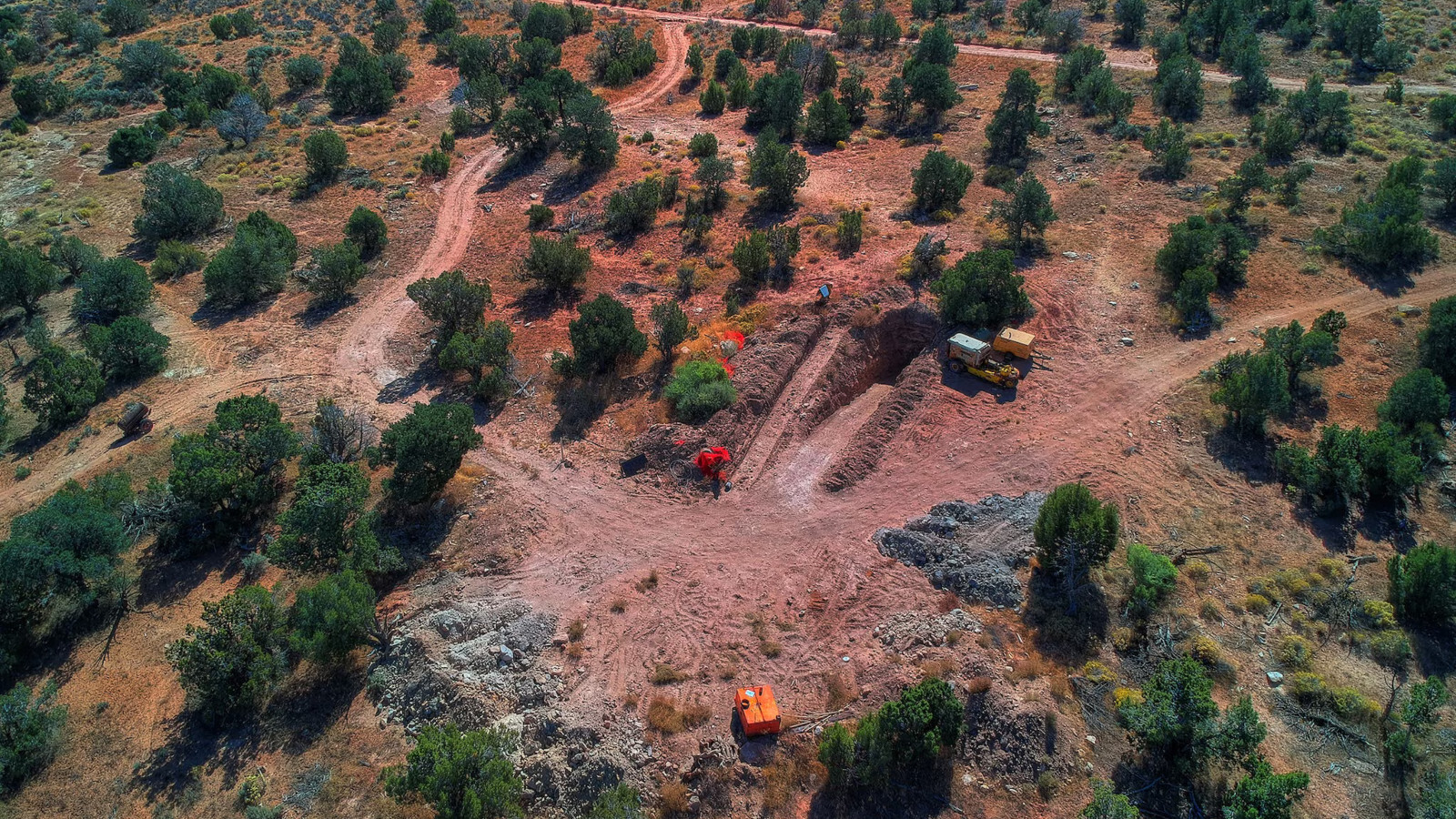
Kimmerle’s interest is rooted in his previous ownership of the Easy Peasy mine. In 2018, during the first Trump administration’s reduction of the monument, the mine was active, extracting approximately 30 tons of ore. However, unfavorable market conditions for uranium forced the operation into dormancy. With the global surge in interest regarding nuclear energy—driven largely by the power demands of artificial intelligence data centers and the broader push for carbon-free baseload electricity—the economics of uranium extraction have shifted.
Proponents of the mining expansion argue that these minerals are essential to the nation’s energy security. The official proclamation by the Trump administration cited a "grab bag of minerals," including silver, copper, molybdenum, lead, zinc, and vanadium, asserting that these resources are vital to the American economy. Critics, however, point to the historical failure of these mines to produce significant yields even when market conditions were purportedly favorable. Steve Bloch, an attorney for the Southern Utah Wilderness Alliance, noted that despite decades of "poking around" and surface-level disturbance, there have been no large-scale, commercially viable production mines established in the region.
Environmental and Cultural Implications
The Southern Utah Wilderness Alliance and other conservation groups remain deeply concerned about the long-term degradation of the monument. The primary concern is not merely the potential for large-scale mining, but the cumulative impact of "hobby mining"—smaller, less regulated operations that may leave behind pollution, road damage, and physical scarring of the landscape.
Beyond the ecological concerns, the disbanding of the tribal commission has caused profound alarm. The commission was designed to ensure that the management of Bears Ears respected the deep cultural and historical ties that indigenous nations hold to the land. By dismantling this structure, the current federal policy has effectively sidelined the very groups that campaigned for the monument’s creation, leading to accusations that the administration is prioritizing extraction over the protection of ancestral history.
Economic Realities and Industry Skepticism
While industry advocates argue that the reopening of these lands is a victory for the local economy, experts remain skeptical about the actual profitability of the venture. Uranium mining is a high-cost, high-risk endeavor. The presence of Energy Fuels’ White Mesa Mill—the only conventional uranium processing facility in the United States—in close proximity to the monument provides the necessary infrastructure, yet the geological quality of the deposits within the newly opened acreage remains speculative.
Furthermore, the legal landscape remains fraught with uncertainty. The history of litigation surrounding the monument suggests that these latest boundary changes will likely face further challenges in federal courts. For operators like Kimmerle, the legal environment is a significant factor in business planning. In a 2023 lawsuit, Kimmerle claimed that the restoration of monument boundaries under the Biden administration rendered his claims "useless," resulting in losses of up to $3 million. As the political winds shift, so too does the viability of these investments.
Broader Context: The National Energy Debate
The push for mining in Bears Ears is a microcosm of a larger, national debate regarding the role of public lands in the transition to a green economy. While nuclear energy is increasingly viewed by some policymakers as a necessary component of a low-carbon energy grid, the extraction of the fuel required—uranium—creates a direct conflict with the preservation of public lands.
The administration’s strategy seems to favor a "multiple-use" philosophy, which holds that BLM lands should be open to a variety of activities, including grazing, recreation, and mineral extraction. Critics argue that the designation of a National Monument is specifically intended to prioritize preservation over multiple-use, and that the constant re-designation of these lands creates an unsustainable environment for all stakeholders.
As the BLM processes the influx of new claims, the agency faces a monumental task in balancing its mandate to manage federal lands with the rapidly changing directives from the executive branch. For the residents of southeast Utah, the situation remains a source of division. Some see the potential for job creation and a return to the region’s mining heritage, while others fear the irreversible loss of a unique, irreplaceable landscape.
Ultimately, the future of Bears Ears remains as volatile as the policies that govern it. Whether the newly filed claims will lead to a new era of uranium production or merely add to the history of abandoned, speculative projects in the Colorado Plateau remains to be seen. What is clear, however, is that the legal, environmental, and cultural battles surrounding these 1.2 million acres are far from resolved, setting the stage for continued litigation and national debate in the years ahead. As the situation evolves, the eyes of the environmental community and the energy industry alike will remain fixed on the red rock canyons of Utah, waiting to see if the promise of mineral wealth can overcome the logistical, legal, and ecological hurdles that have thus far kept the region largely untouched.