Tag California Housing Market

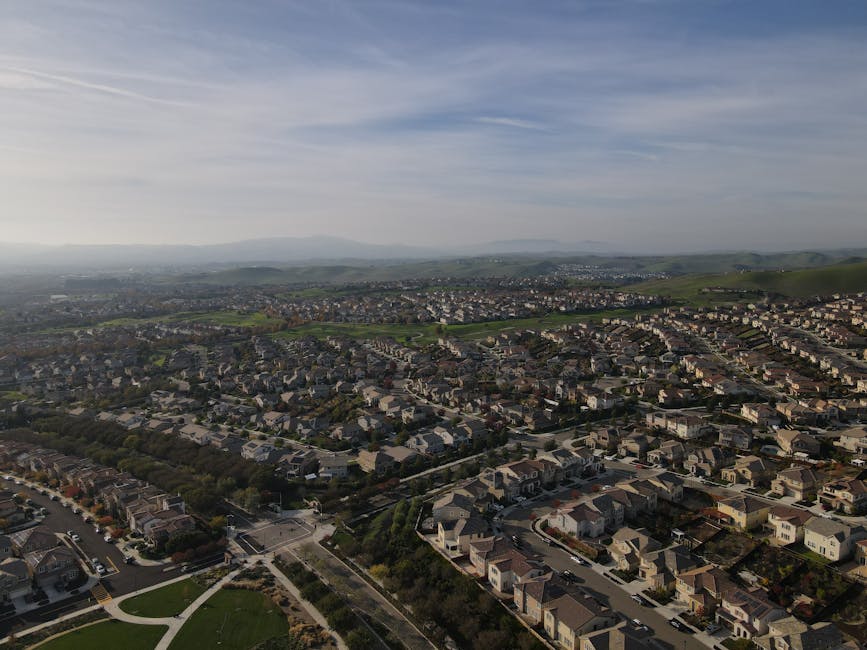
California Housing Market: Decoding Trends, Challenges, and Investment Opportunities
The California housing market is a complex and dynamic ecosystem, characterized by soaring demand, limited supply, and a persistent affordability crisis. This article delves into the multifaceted aspects of this significant market, analyzing current trends, identifying prevailing challenges, and exploring potential investment opportunities for buyers, sellers, and investors. Understanding the intricate forces at play is crucial for navigating this high-stakes environment effectively.
Current Market Trends: A Deep Dive into Supply, Demand, and Price Appreciation
At the core of the California housing market’s current state are powerful forces of supply and demand. Decades of underbuilding, coupled with a consistently growing population and a robust economy, have created a fundamental imbalance. The Golden State continues to attract individuals seeking its renowned economic opportunities, technological innovation, and desirable lifestyle. This influx of new residents perpetually fuels demand for housing across all segments, from starter homes to luxury estates.
However, the supply side of the equation remains stubbornly constrained. Zoning regulations, environmental protections, and community opposition to new development often hinder the construction of new housing units. The lengthy and expensive permitting processes further exacerbate this issue, making it difficult for developers to bring new projects to fruition. This chronic shortage of housing stock directly translates into intense competition among buyers, driving up prices.
Median home prices in California have experienced significant appreciation over the past decade, significantly outpacing national averages. While specific figures fluctuate by region, the statewide median sale price for an existing single-family home consistently hovers in the upper six to seven figures, a figure that has become increasingly unattainable for many prospective buyers. This appreciation is not uniform, with coastal urban centers like San Francisco, Los Angeles, and San Diego generally exhibiting the highest price points due to concentrated economic activity and desirability. Inland areas, while often more affordable, are also experiencing price growth as spillover effects from more expensive regions occur.
Inventory levels, a key indicator of market health, have remained critically low. The number of homes available for sale has struggled to keep pace with demand, leading to bidding wars and waived contingencies becoming commonplace. This low inventory is a multi-faceted problem, stemming from a reluctance of existing homeowners to sell (often due to capital gains taxes or the difficulty of finding an affordable replacement home) and the aforementioned supply-side constraints. This persistent scarcity is a primary driver of ongoing price increases.
Interest rates, while subject to macroeconomic influences, also play a pivotal role. Fluctuations in mortgage rates directly impact buyer purchasing power. Higher interest rates increase monthly mortgage payments, effectively reducing the loan amount a buyer can qualify for, thereby cooling demand to some extent. Conversely, lower interest rates stimulate demand by making homeownership more accessible and affordable. The Federal Reserve’s monetary policy decisions are therefore closely watched by those operating within the California housing market.
The rental market mirrors the challenges faced in the ownership market. High demand and limited supply of rental units have led to rapidly escalating rental rates. This affordability crisis extends beyond homeownership, making it difficult for many Californians to find secure and reasonably priced housing, contributing to a growing segment of the population struggling with housing insecurity.
Challenges Facing the California Housing Market: Affordability, Supply Shortages, and Regulatory Hurdles
The most significant and persistent challenge plaguing the California housing market is affordability. The median home price in California is astronomically high compared to the median income, creating a substantial gap that prevents a large portion of the population from achieving homeownership. This affordability crisis has far-reaching consequences, including increased commute times as people are pushed further from job centers, a decline in the ability of essential workers to live in the communities they serve, and a brain drain as talent seeks more affordable living environments.
Closely linked to affordability is the issue of supply shortages. As previously detailed, California has not built enough housing to keep pace with its population growth for decades. This deficit is a fundamental structural problem that requires sustained, large-scale efforts to rectify. The current rate of construction is insufficient to address the backlog and meet ongoing demand.
Regulatory hurdles present another substantial obstacle to increasing housing supply. Local zoning ordinances often restrict the types and density of housing that can be built, favoring single-family homes over multi-unit developments. Environmental review processes, while crucial for protecting natural resources, can be lengthy and complex, adding time and cost to development projects. The California Environmental Quality Act (CEQA), intended to safeguard the environment, has been criticized by some for being used as a tool to delay or block development, even when projects offer significant public benefits.
NIMBYism (Not In My Backyard), or community opposition to new development, is another significant impediment. Residents concerned about increased traffic, strain on infrastructure, or changes to neighborhood character frequently resist the construction of new housing, particularly denser, multi-family projects. This opposition can translate into political pressure that influences local planning decisions, further limiting housing availability.
The cost of construction itself is also a contributing factor. High labor costs, material prices, and the complex permitting and entitlement process all drive up the expense of building new homes. This makes it challenging for developers to deliver housing at price points accessible to moderate- and low-income households.
The aging housing stock in many established neighborhoods presents its own set of challenges. Older homes may require significant upgrades and renovations to meet modern building codes and energy efficiency standards, adding to the cost of purchasing and maintaining them.
Finally, economic volatility and interest rate fluctuations introduce an element of uncertainty into the market. While California’s economy is generally strong, regional economic downturns or shifts in national monetary policy can impact housing demand and prices, creating periods of volatility.
Investment Opportunities in the California Housing Market: Navigating a High-Cost Environment
Despite its challenges, the California housing market continues to present compelling investment opportunities for those with a strategic approach. The enduring demand, driven by a strong economy and desirable lifestyle, ensures continued appreciation potential, albeit at varying rates across different sub-markets.
Real Estate Investment Trusts (REITs) offer a way for investors to gain exposure to the California real estate market without direct property ownership. Diversified REITs focused on residential, commercial, or industrial properties in California can provide income through dividends and potential capital appreciation. This approach allows for diversification and professional management, mitigating some of the risks associated with direct investment.
Long-term rental property investment remains a viable strategy, particularly in areas with persistent rental demand and limited supply. Identifying neighborhoods with strong job growth, universities, or desirable amenities can lead to consistent rental income and property value appreciation. However, investors must carefully analyze vacancy rates, property management costs, and local landlord-tenant laws. Properties in areas experiencing significant job growth or gentrification may offer higher appreciation potential.
House flipping, while requiring significant capital, market expertise, and tolerance for risk, can be profitable in opportune segments of the California market. Identifying undervalued properties in desirable locations, undertaking strategic renovations, and selling quickly in a competitive market can yield substantial returns. This strategy is best suited for experienced investors with a deep understanding of local market conditions, construction costs, and buyer preferences.
Affordable housing initiatives and impact investing represent a growing area of opportunity. With the severe affordability crisis, there is increasing governmental and private sector focus on developing and preserving affordable housing. Investing in projects that aim to create or maintain affordable housing units can offer both financial returns and social impact. This often involves partnerships with non-profit organizations or government agencies.
Commercial real estate in California, particularly in sectors experiencing growth like technology and logistics, can offer attractive investment prospects. Office buildings in innovation hubs, industrial warehouses supporting e-commerce, or retail spaces in high-traffic areas can generate strong rental income and appreciate in value. However, the performance of commercial real estate is highly sensitive to economic conditions and industry-specific trends.
The burgeoning short-term rental market, while facing increasing regulation in some jurisdictions, can offer high yields in tourist destinations or areas with significant business travel. Careful consideration of local ordinances, licensing requirements, and operational costs is paramount. Properties in popular vacation spots or near major convention centers can be particularly lucrative.
For those seeking direct ownership, focusing on entry-level properties in emerging or more affordable sub-markets can be a strategic approach. As more affluent buyers drive up prices in core urban areas, neighboring communities with developing infrastructure and amenities may offer more attainable price points and future growth potential. Researching areas experiencing infrastructure investment or attracting new businesses is key.
Luxury real estate continues to be a strong segment, driven by high net-worth individuals and international investors. While requiring substantial capital, prime luxury properties in desirable coastal or exclusive enclaves can offer significant appreciation and rental income potential, especially for unique or architecturally significant homes.
Finally, real estate crowdfunding platforms provide a more accessible entry point for smaller investors to participate in larger real estate deals in California. These platforms allow individuals to pool funds with others to invest in various properties, offering diversification and potentially higher returns than traditional savings accounts. Due diligence on the platform, the specific deal, and the management team is crucial.
The Future Outlook of the California Housing Market: Navigating Towards Sustainability
The future of the California housing market will be shaped by a complex interplay of economic forces, policy decisions, and demographic shifts. The persistent demand, fueled by population growth and a dynamic economy, is unlikely to abate significantly in the long term. However, the current trajectory of escalating prices and diminishing affordability presents a substantial societal challenge that will necessitate proactive and sustained solutions.
One of the most critical factors influencing the future market will be the effectiveness of efforts to increase housing supply. State and local governments are increasingly recognizing the urgency of this issue, and we may see continued reforms aimed at streamlining permitting processes, encouraging denser housing development, and incentivizing the construction of affordable housing units. The success of these initiatives will be crucial in mitigating supply constraints and easing price pressures over time. However, overcoming entrenched opposition and the sheer scale of the housing deficit will be a long and arduous process.
Interest rate movements will continue to be a significant determinant of affordability and market activity. While predicting future rate hikes or cuts is speculative, any sustained period of higher rates would likely temper demand and potentially lead to a moderation of price growth. Conversely, a return to historically low rates could reignite intense bidding wars.
The evolution of work arrangements, particularly the continuation of hybrid and remote work models, could have a profound impact. If a significant portion of the workforce can operate effectively outside of traditional urban cores, this could lead to increased demand in more affordable inland areas and potentially alleviate some pressure on the most expensive coastal markets. Conversely, a strong return to in-office work could re-intensify demand in established job centers.
Technological advancements in construction, such as modular building and 3D printing, could eventually offer more efficient and cost-effective ways to build housing, potentially contributing to increased supply. However, widespread adoption and integration into the existing construction industry will take time.
Climate change and its implications will also play a growing role. Increased awareness of climate risks, such as sea-level rise and wildfires, may influence desirability and insurance costs in certain regions, potentially impacting property values and investment decisions. This could lead to a greater focus on resilient building practices and strategically located developments.
The regulatory landscape surrounding housing development will remain a key battleground. Ongoing debates about zoning reform, CEQA reform, and the balance between environmental protection and housing needs will shape the pace and nature of new construction.
Ultimately, a more balanced and sustainable California housing market will likely require a multi-pronged approach involving increased supply, innovative housing solutions, thoughtful policy interventions, and a continued commitment to addressing the affordability crisis. The path forward will undoubtedly involve challenges and require collaboration among government, developers, community stakeholders, and residents to ensure that California remains a place where people can afford to live, work, and thrive. The market will continue to be dynamic, presenting both risks and rewards for those who are well-informed and adaptable.


