The Wood Pellet Industry and the Fight for Environmental Justice in North Carolina

The quiet landscape of Faison, North Carolina, changed significantly when the world’s largest producer of wood pellets, Enviva Biomass, established a facility that it described as a state-of-the-art contribution to the global green energy transition. For Ruby Bell, a retired educator and long-time resident, the facility’s arrival did not bring the promised prosperity of a "clean" industrial neighbor; instead, it brought a persistent layer of dust, the constant roar of heavy machinery, and a new role as a community advocate. Bell’s experience is a microcosm of a much larger struggle playing out across the American South, where the burgeoning biomass industry is being met with fierce resistance from local residents and environmental justice organizations who argue that the industry’s environmental and social costs are being borne by the region’s most vulnerable populations.
The Grassroots Mobilization in Sampson County
Ruby Bell’s transition from a quiet retirement to frontline activism began with a physical realization. After spending an afternoon speaking with neighbors about the new wood pellet facility, she returned home to find her eyes burning and her respiratory system reacting as if she had been in a sandstorm. Upon sitting down, she noticed her clothing was covered in a fine layer of industrial dust—the byproduct of thousands of tons of timber being chipped, dried, and compressed. This realization prompted her to begin organizing, attempting to prevent the facility from further expanding its footprint in an area already burdened by industrial pollution.
Bell’s efforts caught the attention of Sherri White-Williamson, a former federal official who returned to her native North Carolina after decades in Washington, D.C. At the age of 63, White-Williamson enrolled in Vermont Law School, driven by a conviction that she could better serve rural communities by understanding the legal frameworks of environmental protection. Upon graduation, she founded the Environmental Justice Community Action Network (EJCAN). The organization’s mission is to empower residents to advocate for themselves, providing them with the scientific data and legal literacy necessary to challenge corporate interests and regulatory oversights.
White-Williamson’s work initially focused on the impacts of industrial hog farming and large-scale landfills, both of which have long histories of contaminating groundwater and air in eastern North Carolina. However, the rapid expansion of the wood pellet industry presented a new and urgent threat. According to White-Williamson, the role of EJCAN is to bridge the gap between affected residents and the decision-makers who often ignore them. She emphasizes that advocacy is most effective when it is led by those directly impacted by the pollution.
A Chronology of the Biomass Boom
The rise of the wood pellet industry in the United States is inextricably linked to energy policy shifts thousands of miles away in Europe. In the late 2000s, the European Commission established a series of climate and energy targets known as the "20/20/20" goals. These mandated a 20% reduction in greenhouse gas emissions, a 20% increase in renewable energy consumption, and a 20% improvement in energy efficiency by the year 2020.
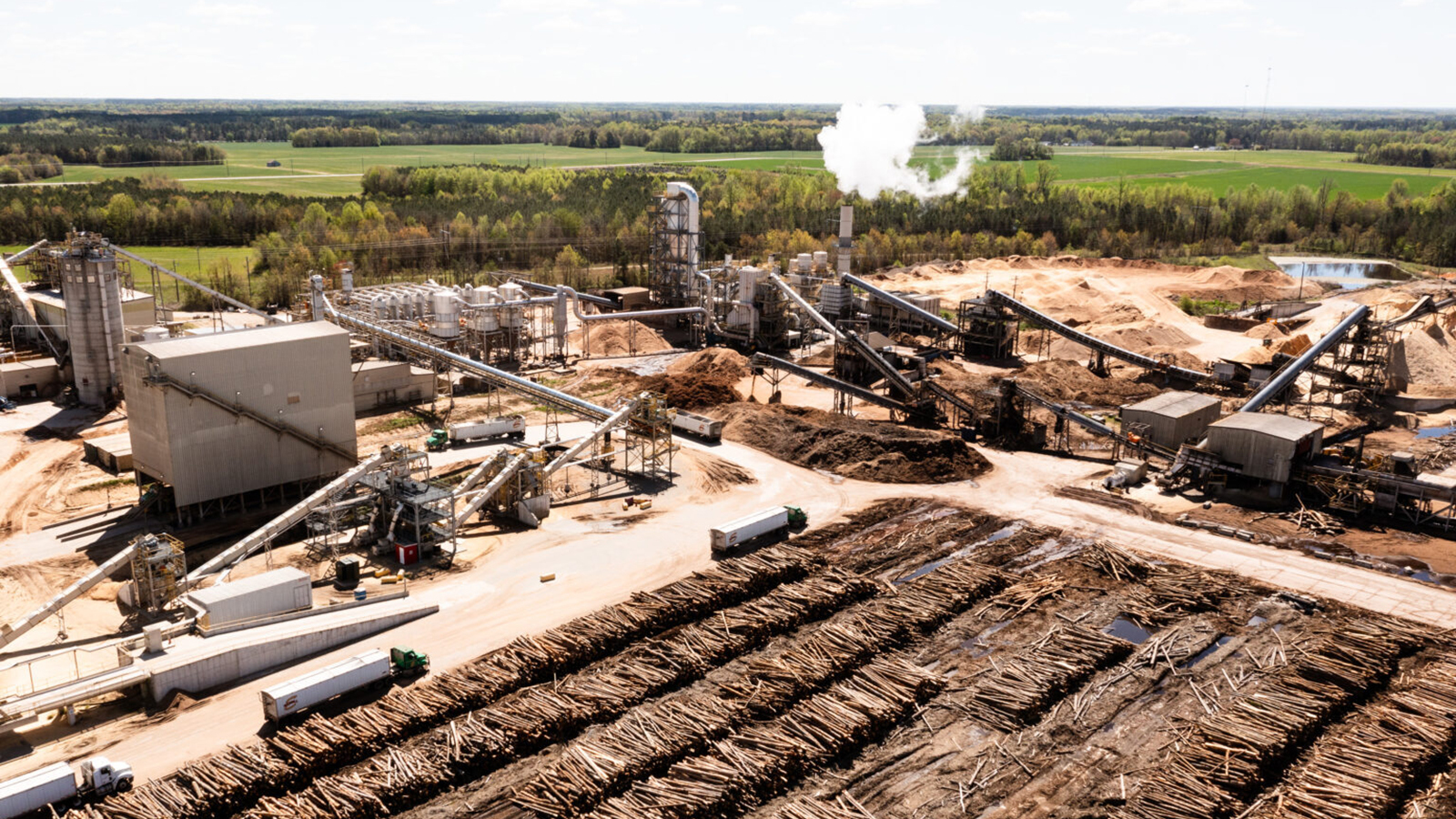
Under these regulations, wood pellets were classified as a "carbon-neutral" renewable energy source. The logic was that the carbon dioxide released during combustion would be reabsorbed by the growth of new trees. This classification created a massive market for biomass, and the dense, productive forests of the American South became the primary source of supply. Enviva Biomass and other companies moved quickly to establish processing plants across North Carolina, South Carolina, Georgia, and Mississippi.
By the mid-2010s, North Carolina had become a global hub for wood pellet production. However, as production ramped up, so did local opposition. In 2019, despite receiving multiple citations for emitting toxic pollutants above permitted levels, the North Carolina Department of Environmental Quality (NCDEQ) granted Enviva’s request to expand its production capacity at the Sampson County facility. This decision was met with formal community objections, which residents say were largely dismissed by state officials.
Scientific Contradictions and Carbon Accounting
The central promise of the biomass industry is its supposed carbon neutrality. Enviva maintains that it primarily uses wood waste—tree limbs, tops, and low-grade wood unsuitable for furniture or construction—to create its pellets. The company argues that its operations promote healthy forest management by providing a market for forest residuals.
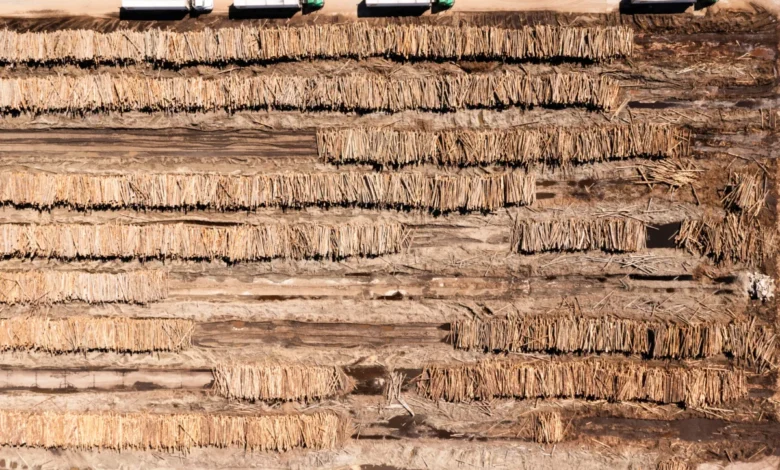
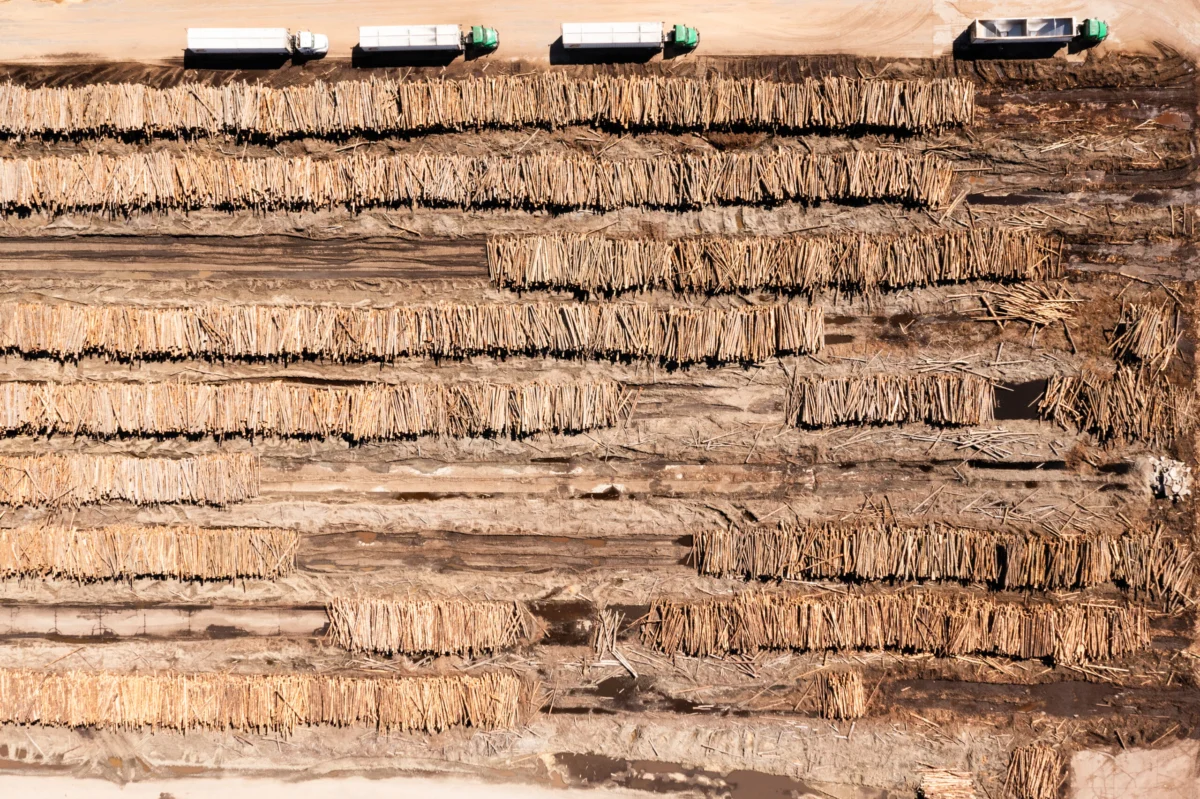
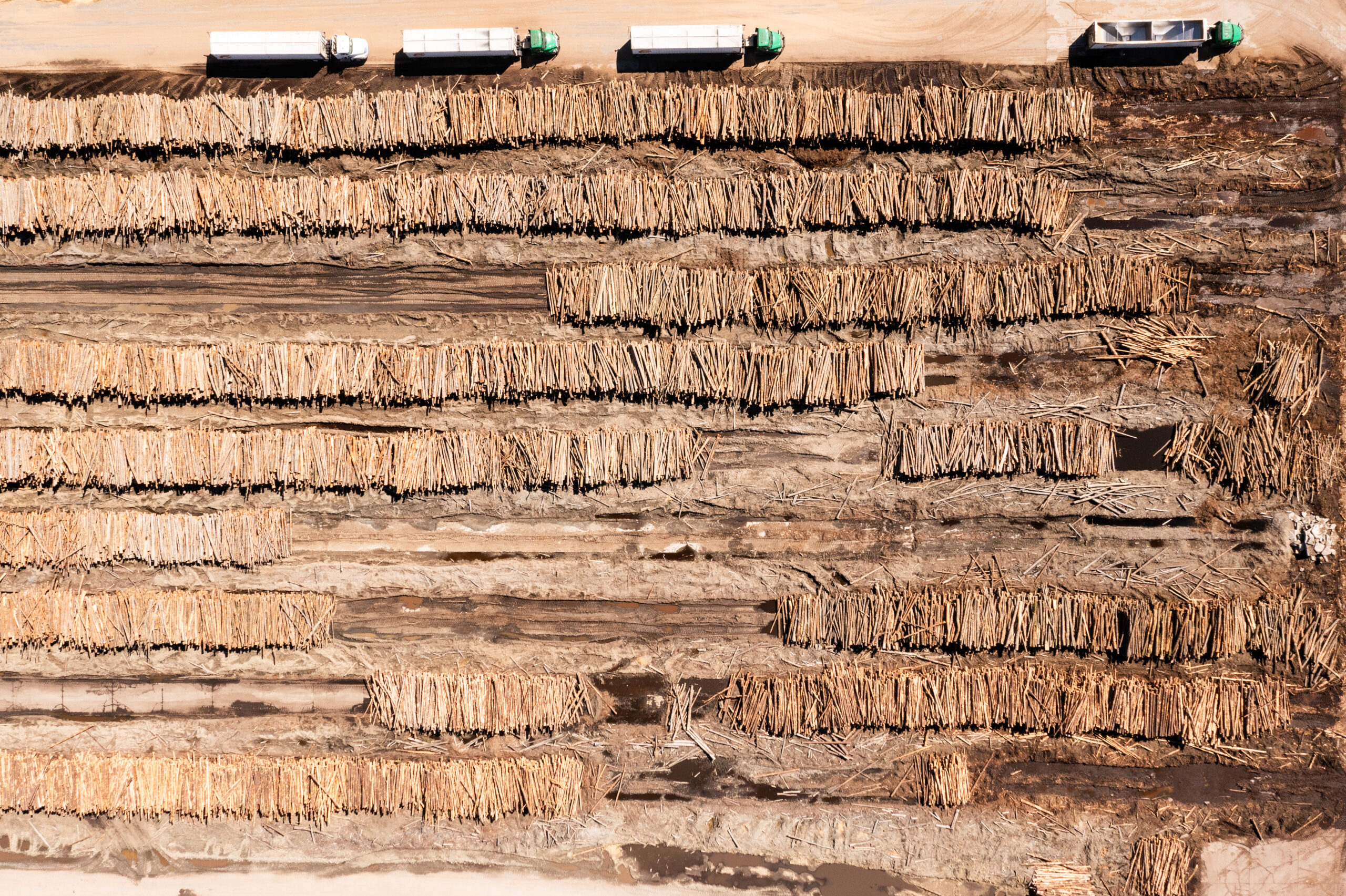
However, environmental watchdogs like the Dogwood Alliance and the Southern Environmental Law Center (SELC) have provided evidence that contradicts these claims. Satellite imagery and drone footage have documented the clear-cutting of mature hardwood forests and the transport of whole, large-diameter logs to pellet mills. Estimates from the Dogwood Alliance suggest that Enviva’s facilities in North Carolina alone consume approximately 50,000 acres of forest annually.
The climate impact of this deforestation is a subject of intense academic debate. A growing body of research, including studies from the Massachusetts Institute of Technology (MIT), indicates that burning wood pellets actually releases more carbon dioxide per unit of energy than burning coal. While it is true that trees eventually grow back, the "carbon debt" created by cutting down mature forests can take between 40 and 100 years to be repaid. In the context of urgent climate targets that require immediate emission reductions, critics argue that the 100-year timeline for biomass neutrality is a dangerous distraction.
Furthermore, the process of manufacturing the pellets is itself energy-intensive and polluting. To turn raw wood into pellets, the material must be dried in massive kilns, which release volatile organic compounds (VOCs), particulate matter, and nitrogen oxides into the air.

The Disproportionate Burden on Vulnerable Communities
The location of wood pellet plants is rarely accidental. Data analysis has revealed that Enviva’s facilities are 50% more likely to be situated in "vulnerable" communities—those characterized by high poverty rates and a high percentage of residents of color. This pattern is a hallmark of environmental injustice, where industrial facilities are placed in areas where residents are perceived to have the least political and economic power to resist.
Danielle Purifoy, a professor of geography and environment at the UNC Gillings School of Public Health, points out that the pollutants released by these plants—specifically particulate matter (PM2.5) and carbon monoxide—have well-documented health impacts. These include aggravated asthma, decreased lung function, and increased respiratory symptoms like coughing or difficulty breathing. For communities already dealing with the odors and water quality issues associated with industrial hog operations and landfills, the addition of a wood pellet plant represents a cumulative health burden that can be devastating.
In 2024, the SELC released a comprehensive report based on surveys of residents living near wood pellet facilities. The findings provided quantitative weight to the qualitative complaints of people like Ruby Bell. Residents reported needing to wash their cars and houses daily to remove dust, a constant inability to enjoy outdoor spaces like porches, and a persistent noise from the hundreds of trucks that enter and exit the facilities daily. Some respondents even reported wearing masks inside their own homes to mitigate the effects of the fine dust.
Economic Promises vs. Local Reality
When wood pellet companies enter rural counties, they often lead with promises of economic revitalization. In Sampson County, Enviva pledged to bring hundreds of high-paying jobs and stimulate the local economy. For many local officials, these promises were the primary justification for providing tax incentives and fast-tracking permits.
Over a decade later, the economic reality for residents has been underwhelming. While the facilities do provide some employment, many of the roles are specialized or outsourced, and the total number of long-term, high-paying jobs has often fallen short of initial projections. Meanwhile, the costs to the county—such as the accelerated wear and tear on local roads from heavy log trucks and the potential decline in property values near the plants—are often borne by the taxpayers.
"The story is always the same," Sherri White-Williamson observed. "The community that doesn’t have the power or the access to decision-makers is always getting the short end of the stick."
Broader Implications and the Future of Biomass
The struggle in North Carolina has gained international attention, sparking a re-evaluation of biomass policy in the European Union and the United Kingdom. Critics are calling for an end to the subsidies that make the transatlantic wood pellet trade profitable. If the EU were to remove the "carbon-neutral" designation for primary forest biomass, the economic model for companies like Enviva could collapse.
In the United States, the fight continues through legal challenges and grassroots monitoring. Organizations like EJCAN are training residents to use air quality monitors to gather their own data, ensuring that they are no longer solely dependent on the self-reported figures provided by the industry to state regulators.
The situation in Faison serves as a cautionary tale for the global energy transition. It highlights the necessity of ensuring that "green" solutions do not come at the expense of local environments and marginalized communities. As Ruby Bell and Sherri White-Williamson continue their work, they are not just fighting a single facility; they are challenging a global system that treats the forests of the American South as a disposable fuel source and its residents as an acceptable sacrifice for international climate targets.
The fight for environmental justice in Sampson County underscores a fundamental truth in the climate era: a solution that harms the health and dignity of a community cannot truly be considered sustainable. For the residents living in the shadow of the wood pellet mills, the path forward involves holding both corporations and regulators accountable, demanding that the air they breathe and the forests they live near be protected for future generations.
Related posts: