The Green Glacier: Why the Great Plains are Fighting a Silent War Against Woody Encroachment

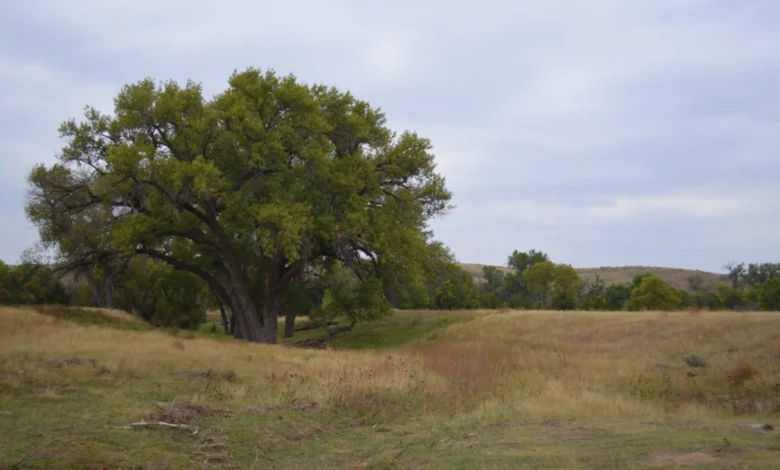
From the cockpit of a Bonanza A36 aircraft, the Nebraska Sandhills appear as an endless, rolling tapestry of golden grasses, sculpted by wind and dotted with grazing cattle. Spanning 19,500 square miles, this landscape is a bastion of the American High Plains. Yet, for those who monitor the ecological health of this region, the view from above reveals a creeping, insidious transformation. Shelly Kelly, a lifelong rancher and executive director of the Sandhills Task Force, watches as the horizon shifts. What was once an uninterrupted sea of native prairie is increasingly punctuated by the dark, encroaching silhouettes of Juniperus virginiana—the eastern red cedar. This phenomenon, known as "woody encroachment" or the "green glacier," has moved from a localized nuisance to an ecological crisis of massive proportions across the Great Plains.
The transition is slow, subtle, and deceptively peaceful. To the untrained eye, a few trees dotting a pasture might look like a benign addition to the landscape. To ecologists and land managers, however, these trees are a symptom of a systemic breakdown in the prairie’s natural resiliency. The eastern red cedar, while native to parts of North America, has surged in population due to a century of fire suppression and land-use policies that inadvertently favored its expansion over the grasses that define the region.
A Historical Context of Cultivation and Consequences
The current crisis has deep roots in the settlement history of the American West. When the Homestead Act of 1862 and the Kinkaid Act of 1904 were signed into law, they effectively mandated that settlers transform the landscape. To claim title to their land, settlers were often required to cultivate it, which frequently meant planting trees. Nebraska, once known as the "Tree Planter State," adopted a culture of arboriculture that was seen as a virtuous act of taming the wilderness.
For generations, ranchers planted rows of red cedars to serve as windbreaks, protecting calving heifers from the brutal winters of the Plains. These windbreaks became a standard feature of the agricultural aesthetic. However, these orderly rows have become nurseries. Improved horticultural varieties and a lack of natural fire cycles have allowed these trees to shed seeds that travel hundreds of feet, colonizing pastures that were once clear. As the climate shifts and atmospheric carbon levels rise, these woody plants are finding new competitive advantages, growing more efficiently than the native grasses that have historically anchored the prairie ecosystem.
The Economics of Lost Range
The impact of woody encroachment is not merely aesthetic or ecological; it is a significant economic drain on the ranching industry. According to data provided by the Texas A&M AgriLife Extension, the expansion of woody species across the ten Great Plains states accounts for approximately $4 billion in lost annual range production.
When trees take hold, they consume vast quantities of water, outcompeting the grasses that provide the primary food source for livestock. Furthermore, the trees render sections of the land inaccessible to cattle. As a cedar grove matures, it creates a thicket that offers little to no forage, effectively shrinking the usable acreage of a working ranch. For an industry that operates on thin margins, the loss of grazing land represents a direct threat to the financial viability of family-run operations.
The Ecological Mechanism of the Prairie
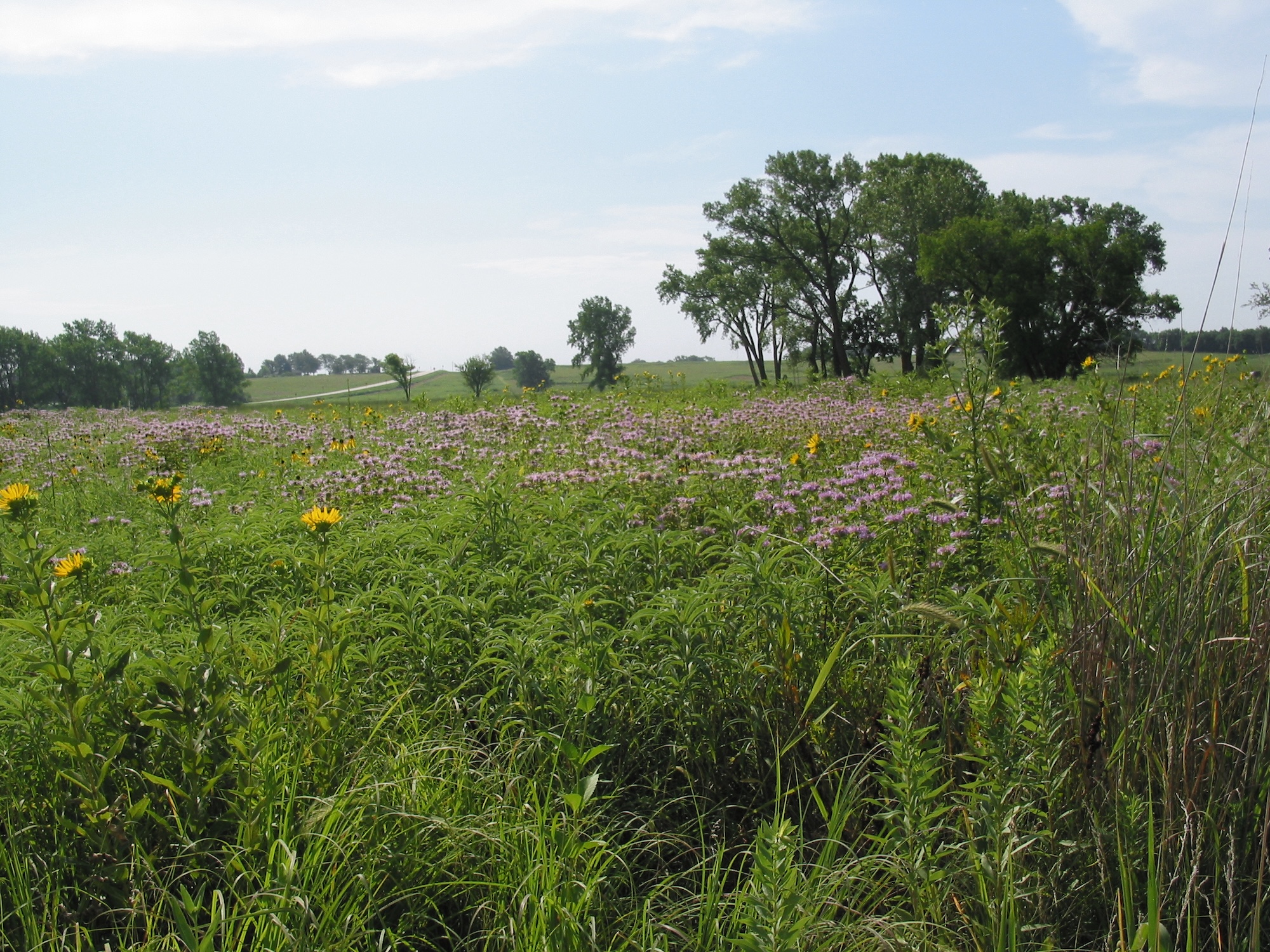
To understand the severity of this shift, one must appreciate how the prairie functions. Tallgrass and mixed-grass prairies are ecosystems built on disruption. For millennia, they thrived on the interplay between drought, grazing by bison, and, most importantly, fire. These factors maintained a delicate balance that prevented woody plants from gaining a foothold.
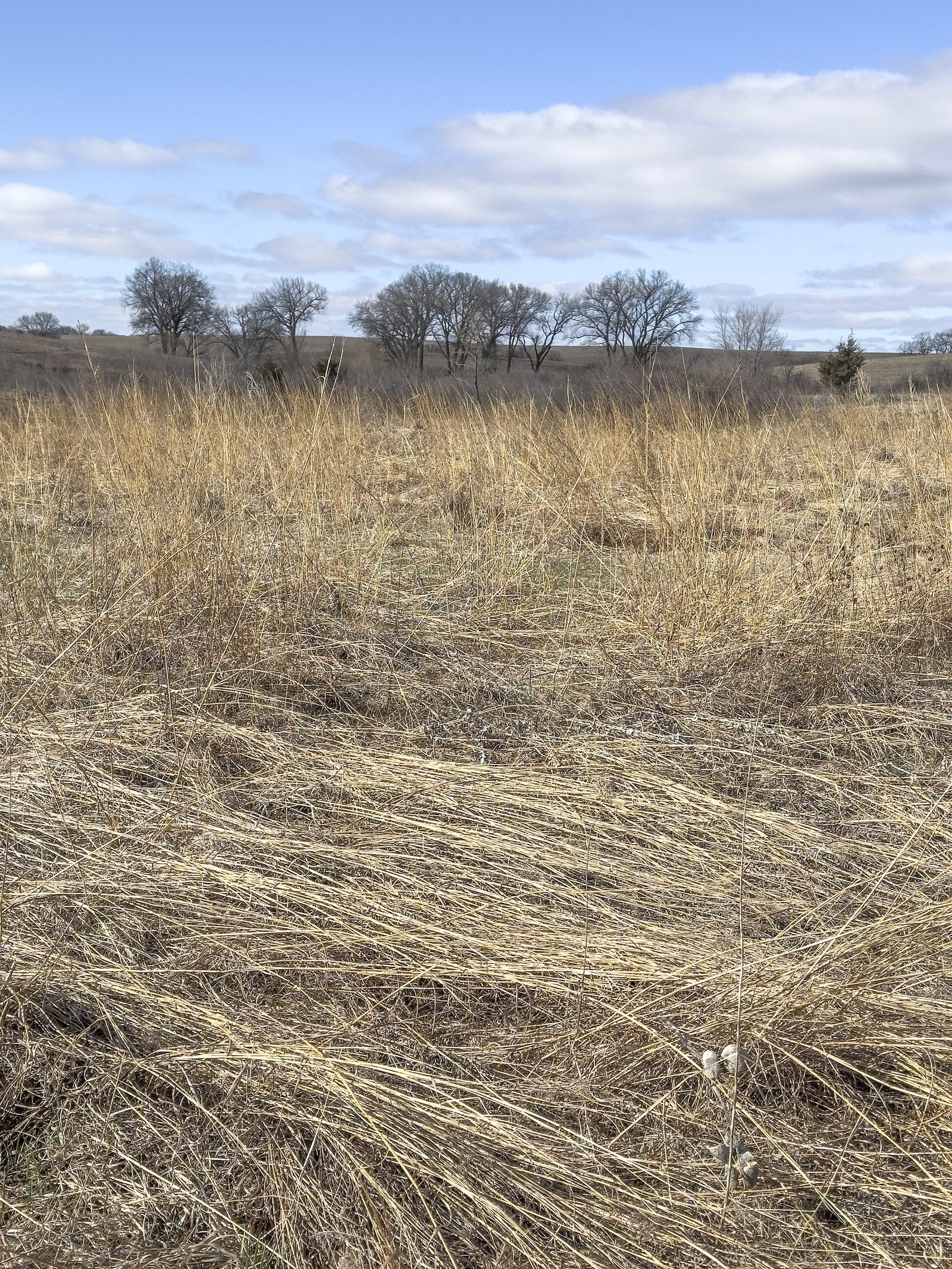
Fire is the primary architect of the prairie. Natural wildfires and, later, intentional prescribed burns, would periodically clear away woody saplings, returning nutrients to the soil and stimulating the growth of deep-rooted native grasses. These grasses, some of which possess root systems extending 20 feet below the surface, are remarkably drought-resistant and serve as massive, stable carbon sinks.

In the absence of fire, the landscape stagnates. When overgrazing occurs simultaneously, the competition for resources is reduced, allowing trees like the red cedar to flourish. Because these trees have thick bark, they become fire-resistant as they age, making it increasingly difficult to reclaim the land once the encroachment has reached a certain density.
The Shift Toward Prescribed Burning
Restoring the balance requires a cultural and operational shift, particularly in regions where the practice of prescribed burning has fallen out of favor. Brian Obermeyer, the Great Plains grasslands strategy director for The Nature Conservancy, emphasizes that the persistence of healthy tallgrass prairies in places like the Flint Hills of Kansas and the Osage Hills of Oklahoma is largely due to a long-standing tradition of burning.
Evidence of this history exists in agricultural archives; lease contracts dating back to 1915 have been found that specifically mandate regular burning to ensure cattle access to the tender, nutrient-dense grasses that follow a fire. The challenge for modern land managers is not technical, but social. Convincing landowners to reintroduce fire to their properties requires education, liability management, and a fundamental shift in the way the public views the role of trees in a grassland ecosystem.
Climate Change and the Carbon Sink Debate
The perception that "more trees equals better environment" is a hurdle that environmentalists and ranchers must navigate together. While global climate strategies often prioritize reforestation, the reality of the High Plains is different. Grasslands are actually more reliable and stable carbon sinks than forests in this specific climate.
When a forest burns—as is increasingly common due to uncontrolled, intense wildfires—the carbon stored in the trunks and branches is released back into the atmosphere. Because trees store the majority of their carbon above ground, they are vulnerable to rapid loss. Conversely, grasslands store the vast majority of their carbon deep underground in their root systems. Even after a surface fire, the prairie remains intact and continues to sequester carbon. For the High Plains, the "green glacier" represents not a carbon-capture solution, but an ecological trade-off that threatens to destroy a critical, irreplaceable biome.
Collaborative Solutions and Future Outlook
The effort to combat woody encroachment is gaining momentum through a combination of private initiative and government support. Organizations like the Sandhills Task Force are working directly with ranchers to provide financial incentives for cedar removal, with some programs covering up to 75 percent of the costs. This has spurred a growing industry of land-clearing services that help ranchers return their pastures to their original state.
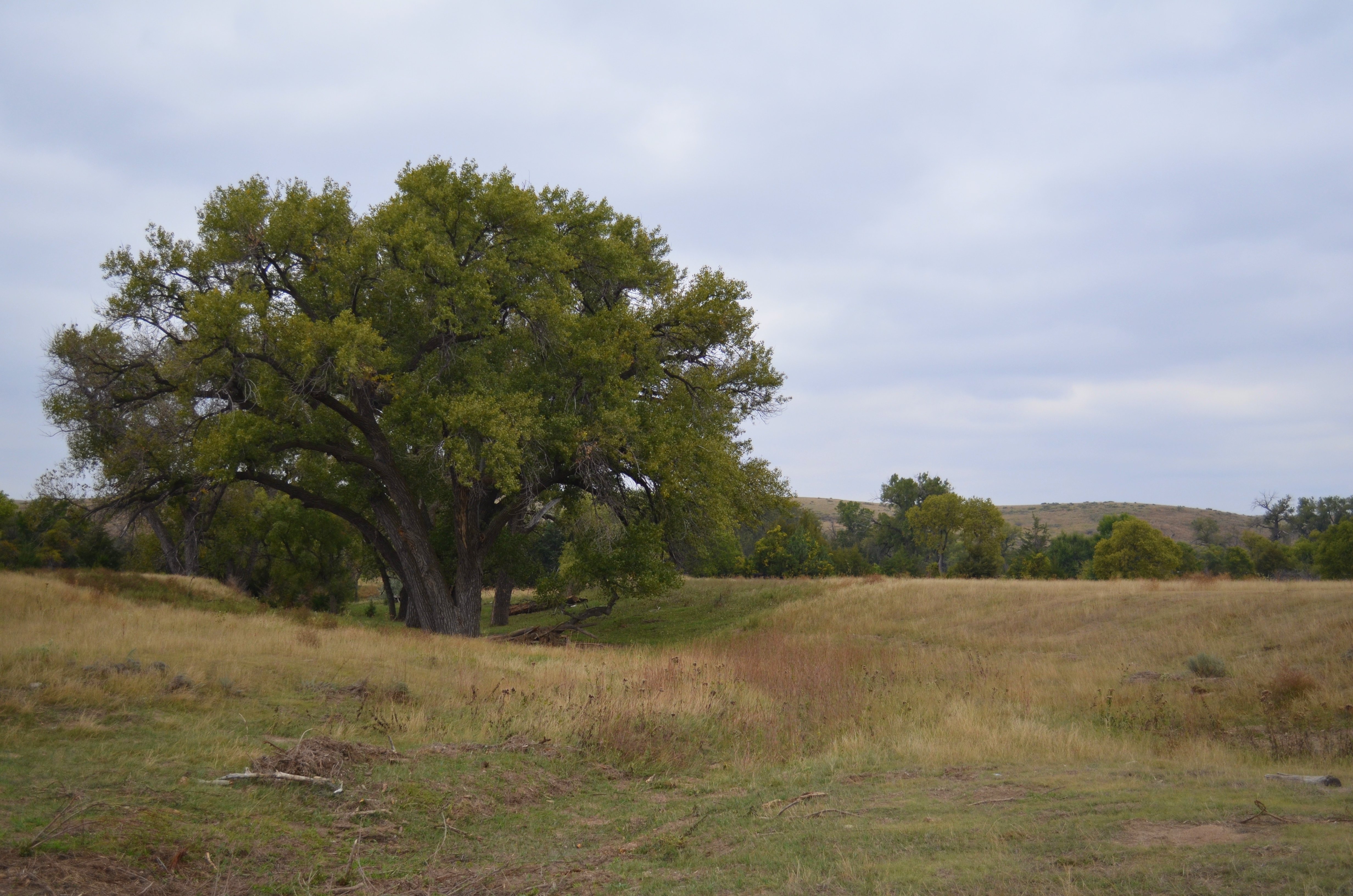
Chris Helzer, the Nebraska director of science and stewardship for The Nature Conservancy, notes that there is a critical "line" that determines the health of the land. "To some extent, you can have a prairie that has trees," Helzer said. "But there’s a line—when you cross that line, you have a woodland with clearings, not a grassland with trees."
The goal is not to eradicate every tree, but to manage the landscape with the same precision that Indigenous peoples and early settlers once utilized. By incorporating rotational grazing, strategic prescribed burns, and targeted removal of invasive species, stakeholders are beginning to reclaim the range.
The stakes remain high. With only 4 percent of North America’s original tallgrass prairie remaining, the preservation of the High Plains is a race against time. Yet, there is cause for optimism. A new generation of ranchers, environmentalists, and tribal leaders are working in concert to restore the biodiversity of the plains. As they clear the cedars and reintroduce the fire, they are not just saving an industry; they are preserving one of the most unique and resilient ecosystems on the planet. The "green glacier" may be slow, but the effort to turn the tide is gaining speed, grounded in the understanding that the future of the prairie depends on the courage to let it burn.