Texas Solar Power Set to Overtake Coal Generation for the First Time as Energy Transition Accelerates in ERCOT Market

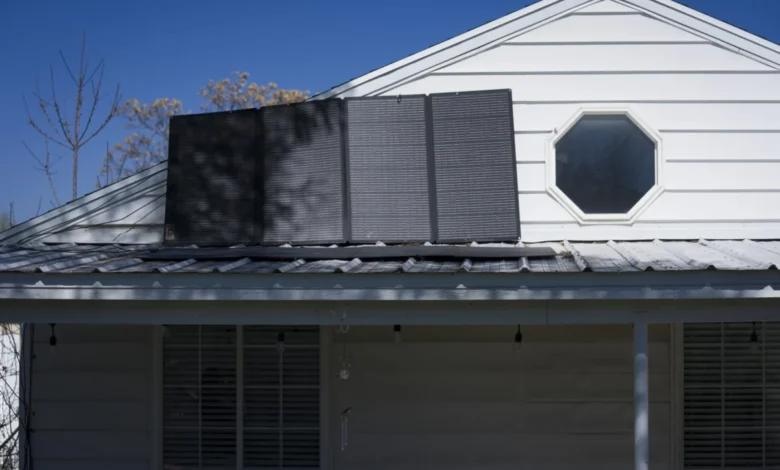
The energy landscape in Texas is undergoing a fundamental transformation as solar energy prepares to surpass coal-fired generation for the first time in history. Data from the U.S. Energy Information Administration (EIA) indicates that in the market managed by the Electric Reliability Council of Texas (ERCOT), solar power is on a trajectory to become a dominant force, reflecting a broader national shift away from carbon-intensive fossil fuels. According to federal projections, ERCOT is expected to receive approximately 78 billion kilowatt-hours (kWh) of electricity from solar sources in 2026, significantly outperforming the 60 billion kWh projected from coal. By 2027, that gap is expected to widen further, with solar output reaching an estimated 99 billion kWh—a 27 percent increase in just one year.
This milestone marks a symbolic and practical end to the era of coal dominance in the Lone Star State. While no new coal-fired power plants are being constructed in Texas, solar developers are expanding capacity at a rate that leads the nation. The divergence in these two energy paths highlights the impact of market-driven economics, technological advancement, and the unique regulatory environment of the Texas power grid.
The Evolution of the Texas Energy Mix
The transition from coal to solar has been decades in the making, rooted in policy decisions and market reforms initiated in the late 20th century. To understand the current surge in solar, one must look at the chronology of the Texas energy market.
In the 1990s and early 2000s, Texas underwent a radical restructuring of its electricity sector. Unlike most states, which rely on centralized planning by monopoly utilities overseen by federal regulators, Texas opted for a "maverick" approach. The state moved to a deregulated, free-market system designed to encourage competition among power generators. This environment allowed new players to enter the market without the bureaucratic hurdles found in other jurisdictions.
The first wave of this transition was characterized by the wind boom. Texas quickly became the national leader in wind energy, utilizing the vast, gusty plains of West Texas. However, the second wave—the solar surge—is proving to be even more disruptive to the status quo. In the early 2010s, solar was a marginal player in the ERCOT mix. By the early 2020s, however, the plummeting cost of photovoltaic panels and favorable federal tax credits made solar the most attractive investment for developers.
In 2023, solar output began beating coal on a monthly basis during the peak sun months of March through August. In 2024, the EIA expects solar to outperform coal for ten out of twelve months. By 2026, the transition is expected to be permanent, with solar maintaining its lead year-round.
Supporting Data: The Economics of the Solar Surge
The rapid ascent of solar in Texas is driven by several data-backed economic factors. The Levelized Cost of Energy (LCOE) for utility-scale solar has dropped by nearly 90 percent over the last decade, making it one of the cheapest forms of new electricity generation available.
According to ERCOT’s recent "Capacity, Demand, and Reserves" reports, the amount of installed solar capacity in the state has grown exponentially. As of early 2024, Texas has over 22,000 megawatts (MW) of utility-scale solar capacity, with tens of thousands of additional megawatts in the interconnection queue. In contrast, the coal fleet in Texas is aging, with many plants exceeding 40 years of service. These older plants face increasing maintenance costs and find it difficult to compete with solar’s near-zero marginal operating costs.
Furthermore, the integration of battery storage has acted as a force multiplier for solar energy. Texas is currently adding grid-scale batteries faster than almost any other state. These systems store excess solar energy generated during the day and discharge it during the evening hours when demand peaks and the sun sets. This synergy has mitigated one of the primary criticisms of solar—its intermittency—and has allowed solar to eat into the market share traditionally held by "baseload" coal and gas plants.
Federal Policy vs. State Market Realities
The Texas solar boom presents a stark contrast to the energy narratives often promoted at the federal level. During the Trump administration, significant emphasis was placed on achieving "energy dominance" through the revitalization of the coal and gas industries. Federal initiatives sought to keep struggling coal plants operational through subsidies and regulatory relief, often framed as a necessity for national security and grid reliability.
The Department of Energy (DOE) has previously intervened to keep uneconomic coal plants on "life support," a move critics argue comes at a high cost to taxpayers and consumers. Simultaneously, the Department of the Interior has faced scrutiny for administrative hurdles that delayed wind and solar projects on public lands.
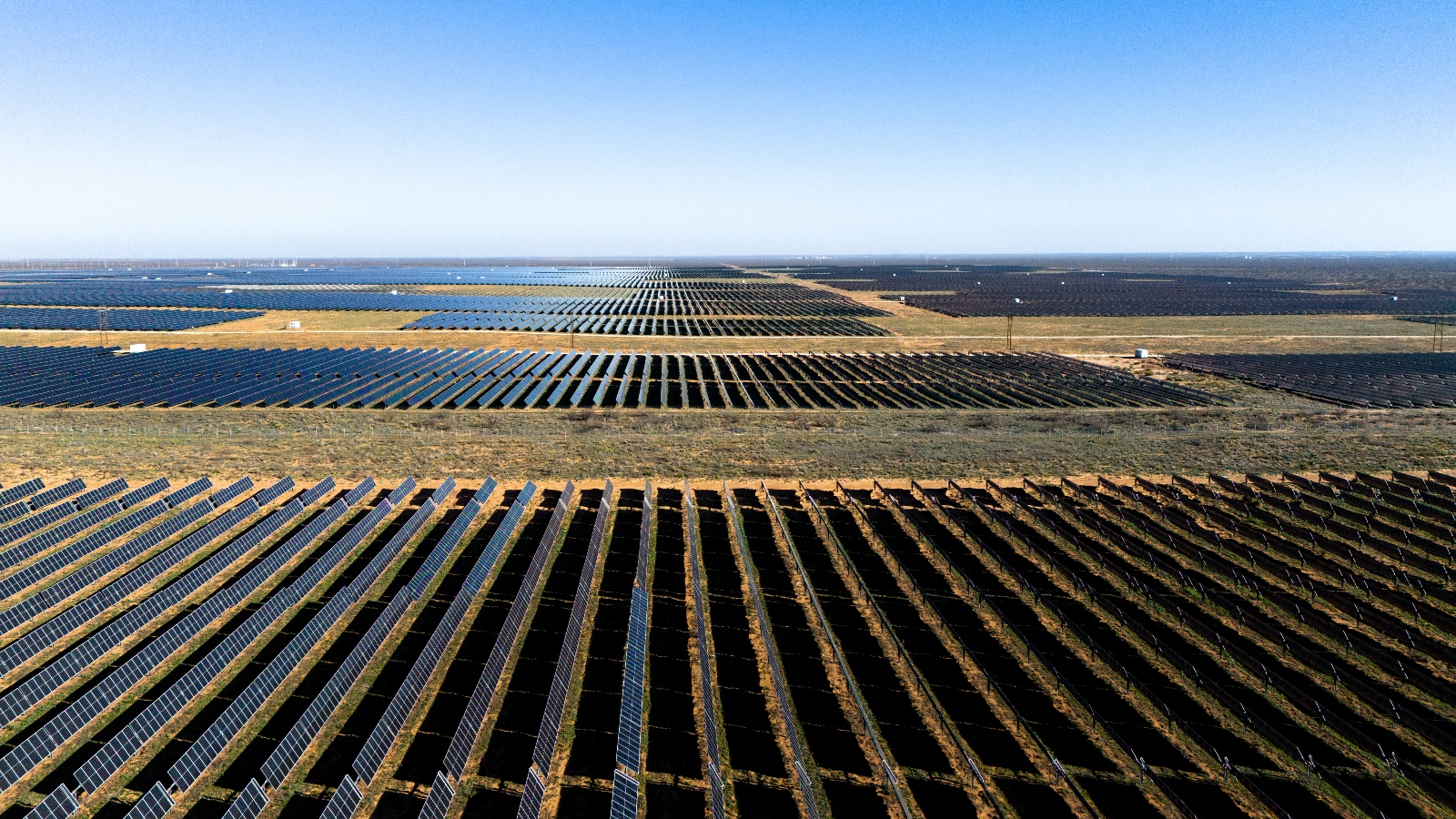
However, the Texas experience suggests that market forces are often more powerful than federal directives. Despite the political rhetoric favoring coal, the Texas market—driven by private investment and competitive bidding—has chosen solar. This creates a political paradox: one of the most conservative states in the U.S. is leading the nation in the renewable energy transition, not necessarily because of climate mandates, but because of its commitment to free-market competition.
Grid Reliability and the Multi-Fuel Strategy
One of the most persistent debates surrounding the rise of solar is its impact on grid reliability. Opponents of the transition argue that coal is superior because it provides "around-the-clock" power. They point to the catastrophic grid failure during Winter Storm Uri in 2021 as evidence that the system is fragile.
However, energy analysts and ERCOT officials have noted that solar has actually been a stabilizing force during recent summer heatwaves. During periods of record-breaking temperatures in 2023 and 2024, solar production peaked exactly when demand for air conditioning was at its highest. This "coincidental peak" helped prevent rolling blackouts and tempered price spikes that would have occurred if the grid had to rely solely on expensive gas "peaker" plants.
To ensure reliability during the night or during cloudy stretches, ERCOT utilizes a diverse portfolio. While coal is waning, natural gas remains a significant part of the mix, providing flexible generation that can ramp up or down. Combined with nuclear power, wind, and the burgeoning battery fleet, the Texas grid is evolving toward a multi-fuel strategy where solar provides the bulk of daytime energy, and other sources fill the gaps.
Industry Reactions and Stakeholder Perspectives
The shift has drawn varied reactions from across the energy sector. Environmental advocacy groups have hailed the EIA projections as a victory for public health and climate goals. "The decline of coal in Texas is a testament to the fact that clean energy is no longer a niche alternative; it is the economic engine of the future," said a spokesperson for a prominent regional environmental non-profit.
Conversely, representatives of the coal industry have expressed concerns about the speed of the transition. Industry advocates argue that the rapid retirement of coal plants could leave the grid vulnerable during extreme weather events where solar and wind are unavailable. They continue to call for "firming" requirements that would mandate renewable developers to provide guaranteed capacity, a move that renewable proponents argue would unfairly tilt the scales back toward fossil fuels.
Market analysts, however, suggest that the trend is irreversible. Financial institutions are increasingly wary of funding new coal projects or extending the life of old ones, citing both environmental, social, and governance (ESG) criteria and the sheer lack of competitiveness against solar and gas.
Broader Implications and Lessons for Other States
The Texas solar surge offers a blueprint—and a warning—for other states. For liberal states with ambitious climate goals, such as California or New York, Texas demonstrates that streamlining the permitting process and allowing for market competition can result in faster deployment of clean energy than centralized mandates.
The "Texas Model" suggests that to accelerate the energy transition, states should:
- Reduce Permitting Barriers: Texas’s relatively lax land-use regulations have allowed developers to break ground on massive solar farms in record time.
- Prioritize Grid Interconnection: ERCOT’s process for connecting new generators to the grid, while not perfect, is often faster than the multi-year backlogs seen in other regional transmission organizations (RTOs).
- Encourage Storage Innovation: By allowing batteries to compete on an equal footing in the ancillary services market, Texas has incentivized the backup power needed to support a solar-heavy grid.
As solar generation continues to climb toward its projected 99 billion kWh in 2027, the implications for carbon emissions are profound. Texas has long been the highest carbon-emitting state in the U.S. due to its industrial base and reliance on coal. The displacement of coal by solar represents one of the most significant single-state contributions to national decarbonization efforts in history.
In conclusion, the rise of solar over coal in Texas is more than just a change in statistics; it is a fundamental realignment of the American energy economy. As the "upstart" solar industry leaves its coal competition in the dust, the Lone Star State is proving that the future of energy is being decided in the fields and on the rooftops of Texas, driven by the sun and the inescapable logic of the marketplace.