The Surge in Diesel Costs Triggers High-Stakes Debate Over Federal Export Restrictions

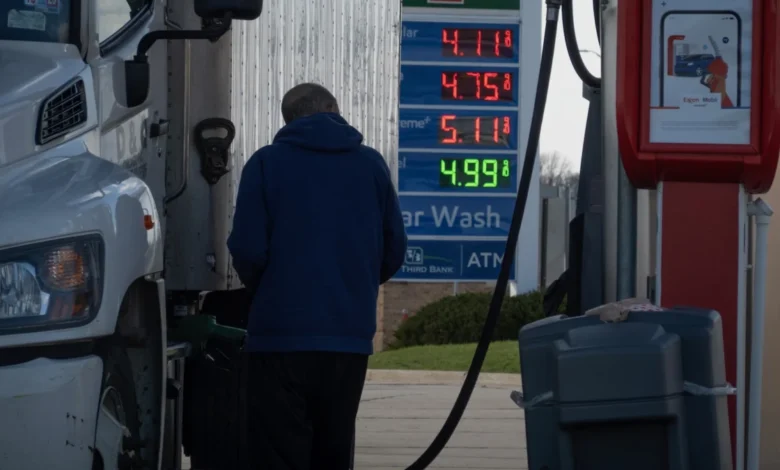
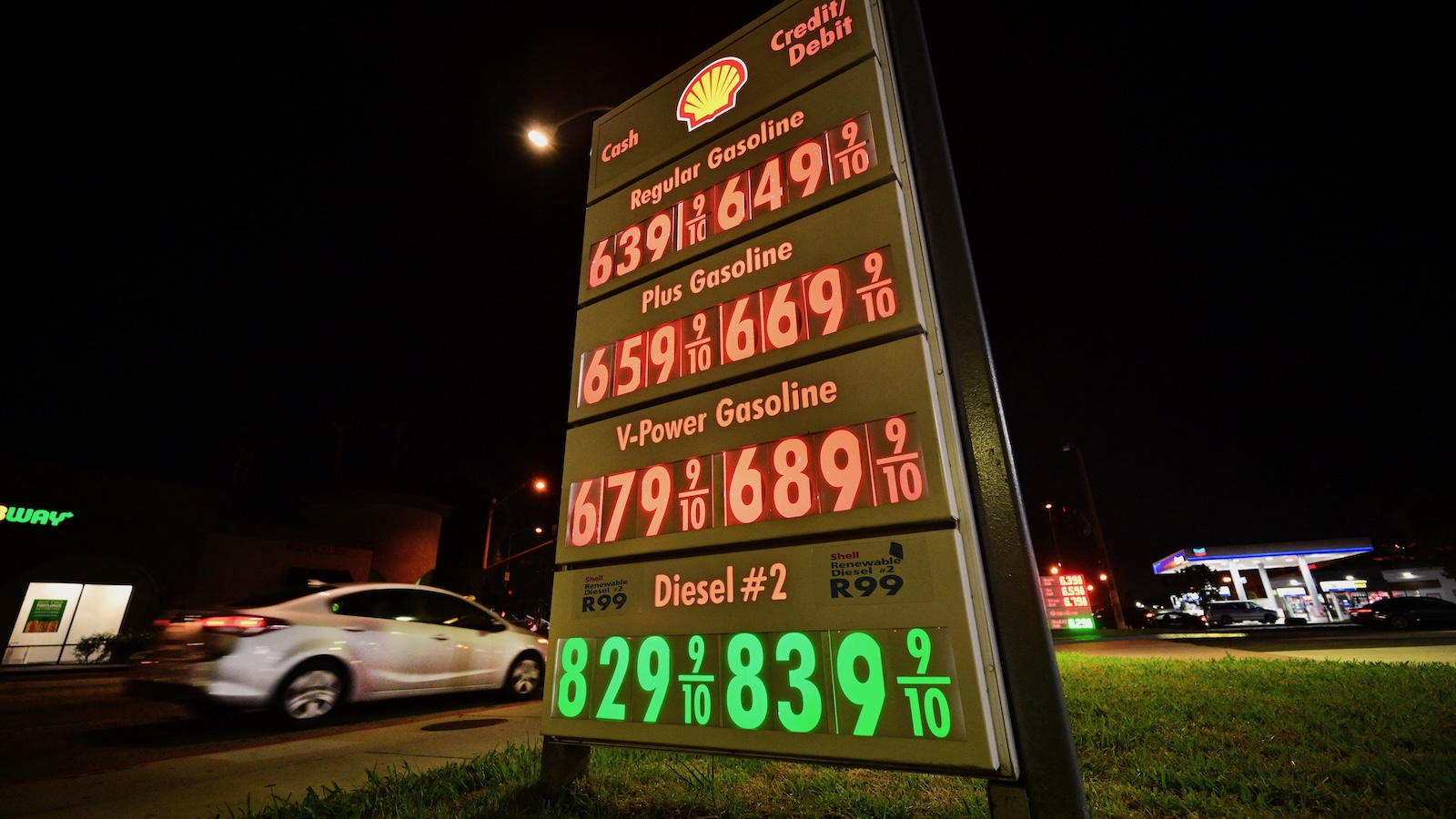
The United States is currently grappling with a historic energy crisis as diesel prices reach unprecedented levels, setting new records nearly every day this month. According to data from AAA, the national average for a gallon of diesel hit $6.52 on Tuesday, placing an immense financial burden on the logistics, agricultural, and manufacturing sectors that serve as the backbone of the American economy. As costs continue to climb—rising nearly 80 percent since the outbreak of hostilities between the United States and Iran earlier this year—the political pressure on the White House to intervene has intensified. President Donald Trump has recently signaled his support for a potential ban on diesel exports, a controversial policy move that has ignited a fierce debate among economists, lawmakers, and industry stakeholders regarding the efficacy and consequences of market intervention.
The Economic Catalyst: Conflict and Global Supply Chains
The current crisis is deeply rooted in the geopolitical instability following the escalation of the conflict between the U.S. and Iran. The war has effectively paralyzed maritime traffic through the Strait of Hormuz, a critical maritime chokepoint that accounts for roughly 10 percent of the world’s water-borne diesel supply. This disruption, compounded by Ukrainian military strikes targeting Russian energy infrastructure, has severely constricted the global flow of distillate fuels.
As global supply chains fracture, the United States has increasingly become the primary supplier for nations scrambling to offset the loss of Russian and Middle Eastern energy exports. Data from the U.S. Energy Information Administration (EIA) underscores the scale of this reliance: during the week of September 11, the U.S. produced over 5 million barrels of distillate fuels per day, yet exported roughly 1.6 million of those barrels to international markets. Simultaneously, domestic oil reserves have dwindled to their lowest levels since 1982, leaving the U.S. market highly vulnerable to price shocks and localized supply shortages.
A Chronology of Escalation
The trajectory of the current crisis can be traced through several key developments:
- Early Year: The commencement of the war between the United States and Iran disrupts shipping lanes in the Persian Gulf, triggering the initial spike in global oil and diesel prices.
- Late Summer: Persistent supply chain bottlenecks and reduced Russian output create a "perfect storm" for domestic refineries, which prioritize lucrative international export contracts.
- September 1–20: Diesel prices at the pump accelerate, rising by nearly $1 per gallon in just three weeks.
- September 22: President Trump, while attending the United Nations General Assembly in New York, explicitly states his support for a potential diesel export ban, telling reporters, "I’ve called for it. I’ve called for it within my people."
- September 23: Prominent congressional figures, including Senator John Thune, acknowledge they are open to legislative discussions regarding export restrictions to alleviate the squeeze on American consumers.
The Legislative Tug-of-War
The prospect of an export ban has divided the political landscape. Proponents argue that the current situation is a national emergency that warrants prioritizing domestic needs over free-market principles. Senator Chuck Grassley of Iowa took to social media to draw a parallel between the current crisis and trade policy, stating, "If our government can embargo chips to China, it can embargo diesel to help American farmers and truckers."
Representative Ashley Hinson, also of Iowa, emphasized the downstream effects of the high prices, noting that the costs are being passed directly to consumers at the checkout line. Senate Majority Leader John Thune has echoed these concerns, signaling a willingness to explore legislative avenues if it can be proven that a ban would provide meaningful relief at the pump.
However, the proposal faces stiff resistance from within the administration and from the energy sector. Interior Secretary Doug Burgum has publicly expressed skepticism, warning that a ban could be counterproductive and ultimately harm the very Americans it intends to help. Senator John Cornyn of Texas, representing the nation’s largest oil-producing state, characterized the proposal as a "gimmick," arguing that it fails to address the underlying supply-side issues.
Industry and Economic Analysis
The American Fuel & Petrochemical Manufacturers (AFPM) association has issued a formal warning against the policy, asserting that export bans do not create more fuel. In a recent statement, the association argued that such measures would weaken U.S. energy security, discourage production, and allow foreign competitors to seize market share that the U.S. may struggle to reclaim.
The argument from economists remains equally polarized. Jeff Colgan, a political scientist at Brown University, suggests that a ban would theoretically increase domestic supply and lower prices. According to a dashboard tracking the war’s economic impact, the average American household has already incurred nearly $400 in additional costs due to the diesel crisis, amounting to over $51 billion in total economic strain.
Conversely, analysts like Patrick De Haan of GasBuddy contend that the U.S. market is inextricably linked to global pricing mechanisms. "U.S. diesel prices are determined not by a U.S. supply and demand balance, but a global one," De Haan noted. "Keeping distillates and diesel home does not change the world price."
Historical Context and Future Implications
The debate over export bans is not without precedent. In 1975, in response to the OPEC oil embargo, Congress passed the Energy Policy and Conservation Act, which effectively banned the export of U.S. crude oil. That restriction remained in place for four decades until it was lifted in 2015. While the 1975 ban was a reaction to geopolitical coercion, the current discussion centers on the tension between domestic affordability and global energy market integration.
Tyson Slocum, director of the energy program at Public Citizen, argues that the current discourse is plagued by a false binary choice between total deregulation and a complete export shutdown. Slocum suggests that a more nuanced approach—such as implementing quotas or temporary, flexible export limits—could provide a "significant short-term drop in diesel prices" without triggering the structural collapse of the energy export market.
As the administration weighs its options, the political reality remains complex. While President Trump has signaled support, White House officials have previously indicated that no formal plan is currently in motion. The path forward remains unclear: if the administration chooses to pursue an executive action, it will likely face immediate legal challenges from the energy industry. If it seeks a legislative solution, it must build a bipartisan coalition in a Congress deeply divided over the role of government intervention in the energy sector.
Ultimately, the resolution of this crisis may hinge on whether the administration views the high cost of diesel as a temporary market fluctuation or a permanent fixture of a shifting global geopolitical order. For now, American farmers, truckers, and small business owners continue to absorb the costs of a conflict that has moved from the battlefield of the Middle East to the front lines of the American economy.