Stalemate on the Hill: The Future of the U.S. Farm Bill Remains in Peril as Partisan Tensions Persist


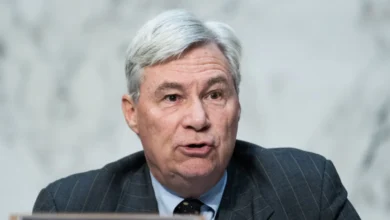
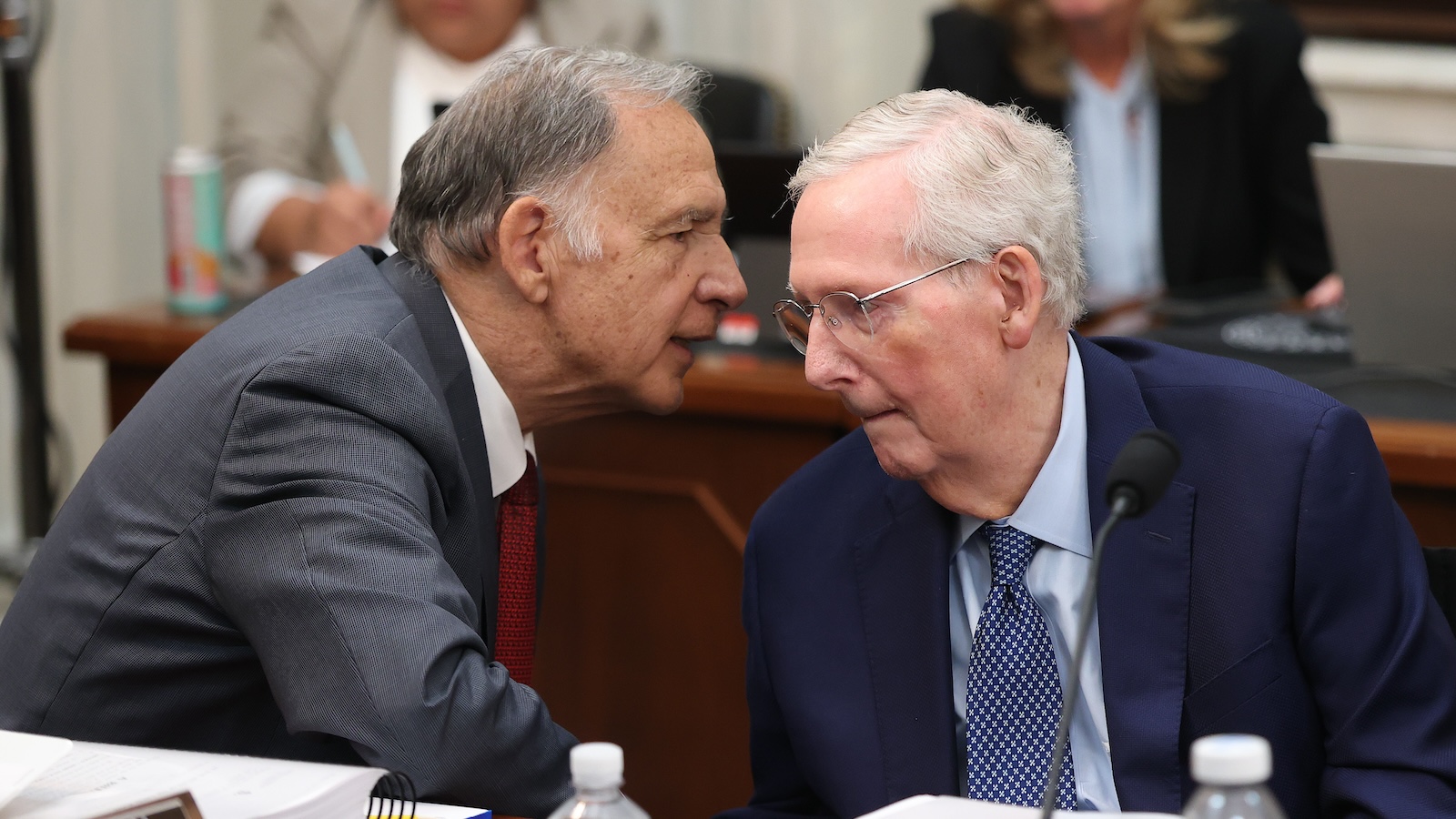
Last Tuesday marked a pivotal, if ultimately symbolic, moment in the halls of the U.S. Senate as Senator Mitch McConnell returned to the chamber following a three-month absence. His presence allowed him to cast a deciding vote in the Republican-led Agriculture Committee, pushing a version of the farm bill forward. However, despite this legislative maneuver, the path to a fully enacted piece of agricultural policy remains fraught with partisan roadblocks, increasing the likelihood that Congress will fail to renew the nation’s cornerstone food and farming legislation for the fourth consecutive year.
The current legislative gridlock stems from deep-seated disagreements regarding funding for the Supplemental Nutrition Assistance Program (SNAP) and broader concerns over agricultural priorities. With the midterm elections looming in November, the political window to reconcile these differences is rapidly closing. While Republicans hold a 53-seat majority in the Senate, they require a 60-vote threshold to break potential filibusters and pass major legislation, necessitating a level of bipartisan cooperation that has thus far remained elusive.
A Chronology of Legislative Dysfunction
The failure to pass a comprehensive farm bill is not a recent development; it is the culmination of years of stalled negotiations and shifting political priorities. Traditionally, the farm bill—a massive piece of omnibus legislation covering everything from crop insurance and rural development to food stamps—is renewed on a five-year cycle. The last successful passage of a full, long-term bill occurred in 2018, providing a stability that has been absent since 2022.
In August, Senate Democrats successfully blocked the Republican-drafted version of the farm bill from reaching the floor, citing unacceptable cuts to social safety nets. The current impasse was compounded by the passage of the One Big Beautiful Bill Act, signed into law by President Donald Trump last summer. That legislation introduced a seismic shift in federal spending, slashing SNAP funding by $186 billion. Because the current farm bill draft fails to restore these funds or delay the implementation of administrative cost-sharing burdens on states, Democratic opposition has remained steadfast.
The SNAP Controversy and State-Level Impacts
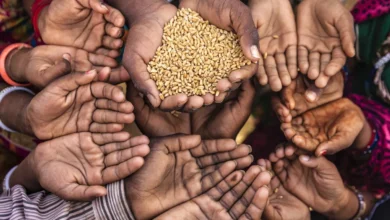
At the heart of the current debate is the Supplemental Nutrition Assistance Program, which serves as the primary defense against food insecurity for millions of low-income Americans. The $186 billion reduction in funding has not only created a humanitarian concern but has also triggered a fiscal crisis for state governments.
Policy analysts, including Mike Lavender of the National Sustainable Agriculture Coalition, have highlighted the "difficult decisions" now facing state legislatures. As states grapple with tighter budgets, they are being forced to weigh essential services against one another. When the federal government offloads administrative costs or reduces support for SNAP, states are often left to choose between funding education, transportation, or maintaining the efficacy of their state-level food assistance programs.
The ripple effects extend into the rural economy, where the symbiotic relationship between local farmers and SNAP participants is profound. According to Jody Osmund, a founding member of the FACE Ag Network, rural communities often have higher rates of SNAP participation than urban centers. When those benefits are curtailed, the customer base for small- and medium-sized family farms shrinks, further destabilizing an agricultural sector already struggling with record-high input costs, such as diesel and fertilizer, and the volatility of international trade markets.
The Battle Over Agricultural Conservation
While the debate over SNAP has dominated the headlines, the legislative package contains other contentious elements. One significant point of contention involves the Environmental Quality Incentives Program (EQIP) and the Conservation Stewardship Program. Critics argue that these programs are not only underfunded but structurally flawed.
Sustainable agriculture advocates are pushing for a paradigm shift in how conservation dollars are allocated. Currently, a significant portion of these funds is directed toward managing waste at industrial-scale livestock operations. Critics contend that these resources should instead be pivoted toward climate adaptation and regenerative practices that provide long-term resilience for smaller farms.
Conversely, the agricultural community found a rare point of consensus in the exclusion of the "Save Our Bacon Act." This provision, had it been included, would have preempted state-level regulations and potentially legalized more intensive, less humane methods for confining livestock. The decision to strip this language from the current draft was seen as a victory for animal welfare advocates and coalition groups who had lobbied aggressively in Washington leading up to the committee vote.
Economic Implications for the American Farmer
For small- and medium-sized producers, the uncertainty surrounding the farm bill is perhaps more damaging than the content of the bill itself. The agricultural industry relies on the predictability of federal programs to secure loans, plan planting cycles, and invest in equipment.
As noted by market analysts, the combination of rising fuel prices and unstable global trade deals has squeezed profit margins to their thinnest levels in decades. When the federal government fails to provide a long-term framework, farmers are forced to operate in a climate of instability. Many in the agricultural sector are now questioning whether the current legislative proposals offer enough support to offset the rising costs of production.
"A continuation of the 2018 farm bill may be better," Osmund suggested in an interview. "It’s not ideal, but no deal on the current version of the farm bill is much better than a very, very bad deal."
The Road Ahead: 2027 and Beyond
With the midterms approaching, the Senate floor is unlikely to see a vote on the current farm bill draft unless there is a major concession from Republican leadership regarding SNAP funding or a significant change in the political temperature of the chamber. If no consensus is reached before the end of the year, Congress will be forced to rely on further stopgap measures, effectively punting the issue into the next legislative session.
This would mean that in 2027, lawmakers will likely be starting from scratch. For a nation that relies on its agricultural sector for both domestic food security and international trade dominance, the inability to pass a comprehensive, forward-looking farm bill represents a significant failure of governance.
The current situation highlights a growing divide in American politics where the "cornerstone" of agricultural policy has become a battleground for broader ideological conflicts. Until policymakers can reconcile the needs of the nutrition assistance population with the shifting demands of modern, sustainable farming, the U.S. agricultural sector remains in a state of administrative limbo.
Summary of Legislative Stance
- Republican Position: Seeking to pass a version of the bill that aligns with current budget constraints, prioritizing industrial stability and limiting federal spending as part of a broader fiscal platform.
- Democratic Position: Refusing to move forward without the restoration of $186 billion in SNAP funding and the suspension of administrative cost-shifting that places a heavy burden on state budgets.
- Stakeholder Reaction: A mixed response from farming groups, who generally oppose the cuts to conservation and nutrition but favor the exclusion of controversial animal welfare provisions.
As the clock ticks toward the November midterms, the pressure on lawmakers to deliver a win for their constituents is immense. However, given the current impasse, it appears that the farm bill may join a growing list of major legislative items that have fallen victim to the deepening polarization of the U.S. Congress. Whether through a last-minute compromise or a total collapse of negotiations, the outcome will have lasting consequences for the American food system, the families who rely on it, and the farmers who sustain it.