Supreme Court Confronts Landmark Climate Liability Case as Boulder Battles Oil Giants

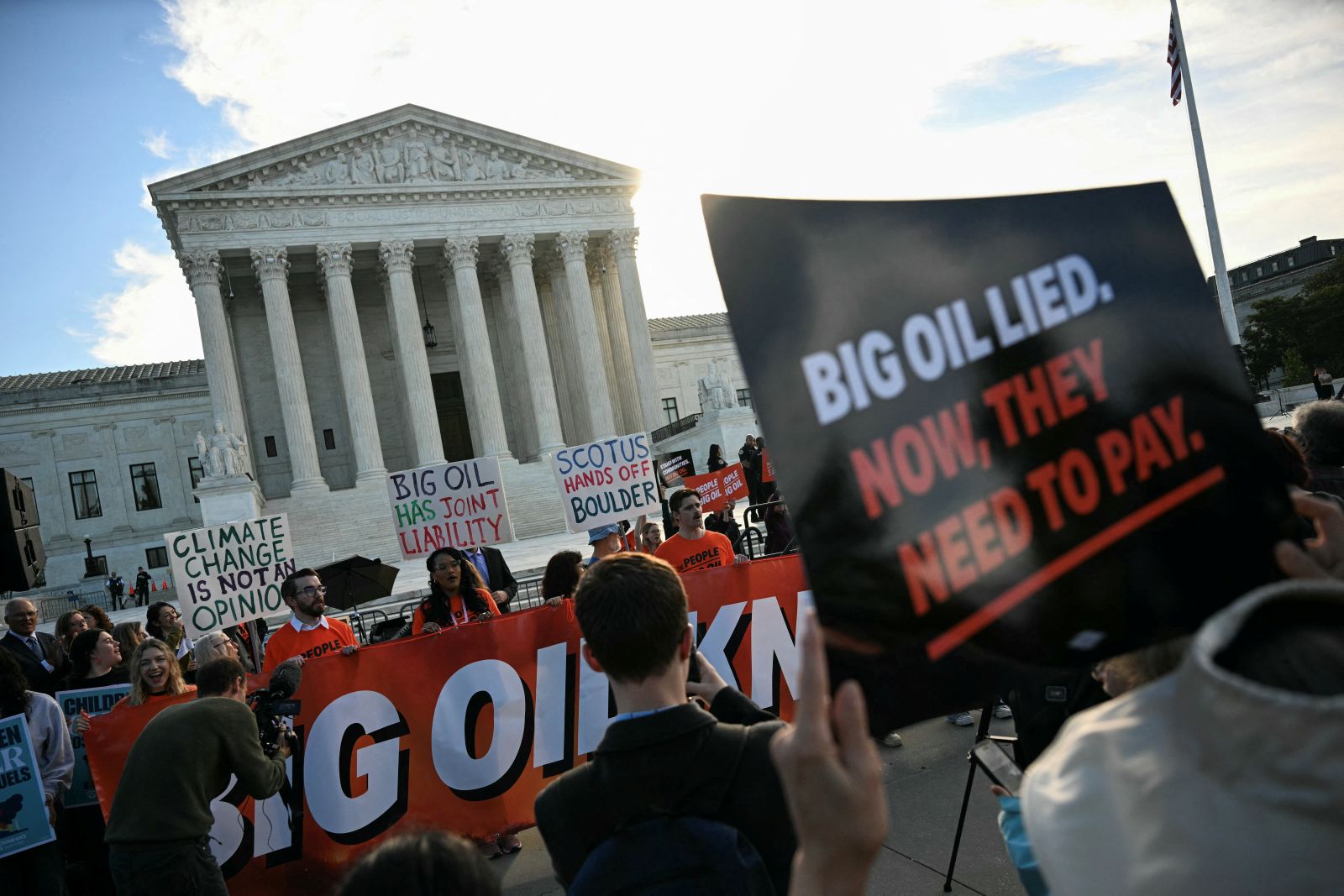
The Supreme Court of the United States opened its 2026-2027 term with a high-stakes legal confrontation that could fundamentally reshape how American courts handle the costs of a warming planet. At the heart of the proceedings is a lawsuit initiated by Boulder, Colorado, against energy conglomerates Exxon Mobil and Suncor. The case, which reached the high court after years of procedural maneuvering, serves as a bellwether for dozens of similar lawsuits filed by cities, counties, and states across the country seeking to hold fossil fuel companies financially accountable for the localized impacts of climate change, ranging from devastating wildfires to unprecedented flooding.
The justices heard two hours of oral arguments on Monday, a session characterized by intense scrutiny from the bench and a palpable tension between the legal theories of the plaintiffs and the existential concerns raised by the defendants. Justice Samuel Alito recused himself from the proceedings, leaving eight justices to weigh the merits of the case. While the court offered no immediate indication of how it would rule, the discourse underscored a profound judicial struggle to reconcile local tort law with the global, systemic nature of anthropogenic climate change.
The Core Conflict: Deception vs. Regulation
The fundamental disagreement in the courtroom centered on the purpose of Boulder’s litigation. The oil companies, represented by attorney Kannon Shanmugam, argued that the lawsuit is an unprecedented and dangerous attempt to use state court proceedings to regulate global energy conduct. From the industry’s perspective, any attempt to assign liability for climate impacts to individual companies is inherently an attempt to influence greenhouse gas emission levels—a matter they contend belongs exclusively to Congress and federal regulatory bodies like the Environmental Protection Agency (EPA).
Conversely, Boulder’s legal team, led by Kevin Russell, maintained that the city is not seeking to ban fossil fuel production or dictate energy policy. Instead, the lawsuit rests on a "deception theory." The city asserts that fossil fuel companies spent decades intentionally misleading the public about the climate risks associated with their products. By withholding information or spreading disinformation, the companies allegedly prevented local governments from making informed infrastructure and emergency management decisions.
Justice Elena Kagan drew a notable parallel to the landmark tobacco litigation of the 1990s. In those cases, states successfully sued tobacco companies not to prohibit the sale of cigarettes, but to recover public health costs and force companies to fund corrective advertising regarding the dangers of smoking. Russell echoed this sentiment, arguing that under their theory, oil companies could continue to produce fossil fuels as long as consumers are fully informed of the consequences. "It doesn’t prohibit them from engaging in the conduct," Russell argued. "It requires them to internalize a portion of the cost of their activities by paying for some of the damage."
Chronology of the Climate Litigation Wave
The path to the Supreme Court has been arduous, marked by years of jurisdictional battles.
- 2017-2018: The first wave of modern climate liability suits began in California, with cities like San Francisco and Oakland suing major oil companies. These early cases were largely dismissed or moved to federal court, where they often stalled.
- 2020-2022: A second, more refined wave of litigation emerged, with local governments—including Boulder, Colorado—strategically filing in state courts. They focused on "nuisance" and "consumer protection" claims to avoid the federal preemption traps that thwarted earlier efforts.
- 2023-2025: Oil and gas companies successfully appealed various procedural rulings to federal appellate courts, eventually petitioning the Supreme Court to intervene on the grounds that these issues present a "national question" that cannot be fragmented across 50 state court systems.
- October 2026: The Supreme Court grants certiorari, setting the stage for the current term’s opening session.
The Economic Stakes and Potential Implications
The financial stakes for the oil and gas industry are immense. Industry representatives have warned that a ruling in favor of Boulder could open the "floodgates" to thousands of similar lawsuits. Each case seeks billions of dollars in damages to cover the costs of climate-resilient infrastructure, wildfire recovery, and flood mitigation.
Justice Brett Kavanaugh expressed skepticism regarding the potential scale of these damages, describing the plaintiffs’ position as "cavalier" and warning that such judgments could effectively bankrupt some of the nation’s largest energy providers. "This case involves an unprecedented effort to use state law to regulate global conduct," Shanmugam noted during his arguments, highlighting the fear that a favorable ruling for local governments would leave individual companies vulnerable to endless, localized litigation across every jurisdiction in which they operate.
However, legal experts suggest that the court’s focus on the "consequences" of the ruling may be an attempt to find a middle ground. Erika Kranz, an attorney with Harvard Law School’s environmental and energy law program, notes that the justices are clearly concerned about the potential for economic disruption. "Whether these other cases run into trouble will depend on how justices write their decision," Kranz explained. A narrow ruling—perhaps one that questions the specific legal basis of the nuisance claims—could allow the court to sidestep a broader declaration on climate liability while still curbing the current surge in litigation.
Data and Context: The Cost of Climate Change
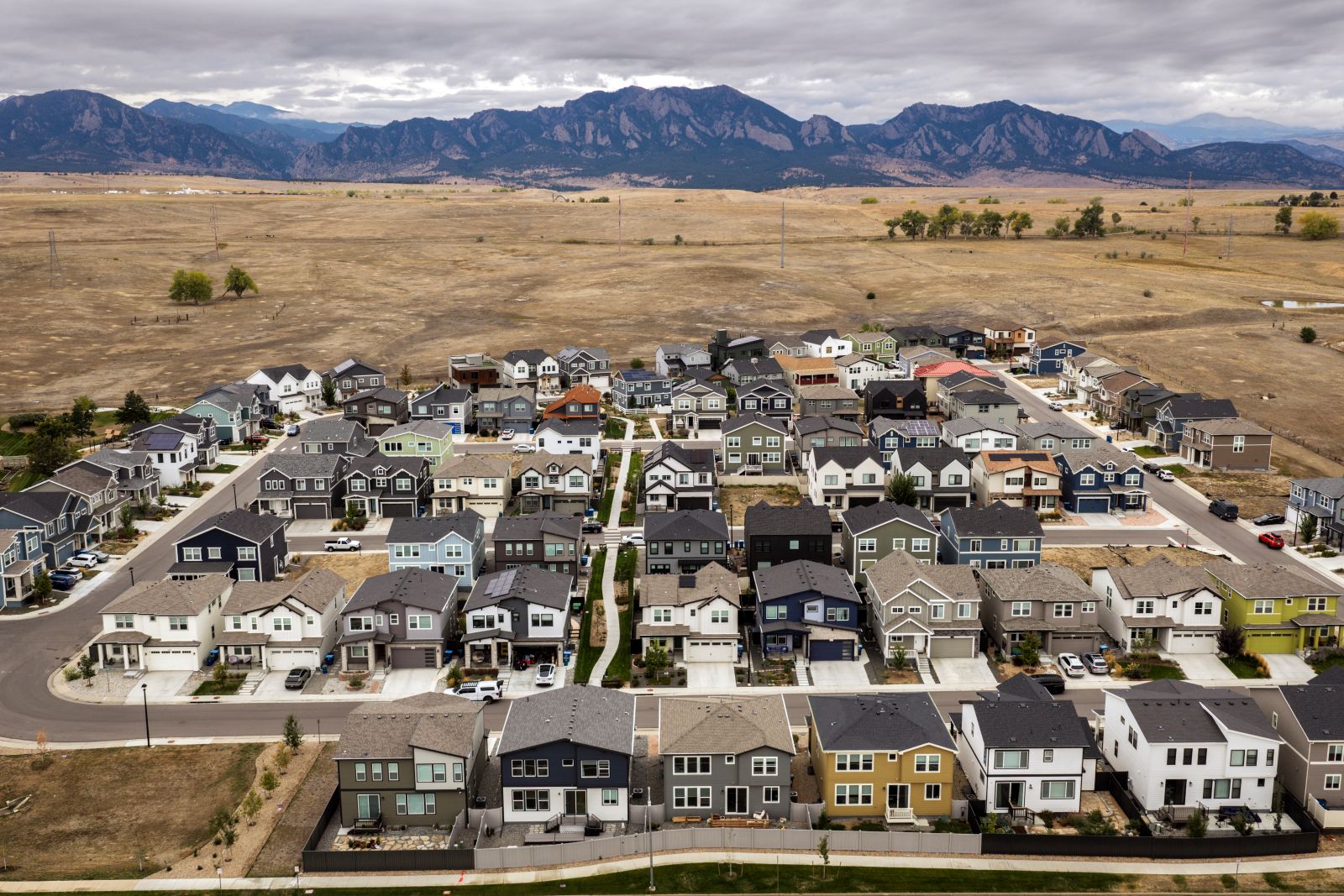
The urgency behind these lawsuits is rooted in the rising costs of climate-related disasters. According to the National Oceanic and Atmospheric Administration (NOAA), the United States has seen a sharp increase in "billion-dollar disasters" over the last decade. Boulder County, in particular, is still grappling with the long-term aftermath of the 2021 Marshall Fire, which destroyed over 1,000 homes and caused an estimated $2 billion in damages.
Local governments argue that they are currently forced to bear these costs alone, through property taxes and local bond measures, while the companies that profited from the fossil fuels driving the temperature increases continue to record record profits. Proponents of the lawsuit argue that if the "polluter pays" principle is applied, these costs should be shared by the corporations that knowingly contributed to the atmospheric conditions that exacerbated these disasters.
Official Responses and Legal Outlook
The industry remains steadfast in its defense. In filings leading up to the hearing, Suncor and Exxon Mobil emphasized that climate change is a global phenomenon resulting from the actions of billions of people over two centuries. They argue that singling out a handful of companies for the entirety of global warming is legally incoherent.
Meanwhile, environmental advocacy groups and local government associations have expressed hope that the court will at least allow these cases to proceed to discovery. Discovery would force companies to turn over internal documents, which advocates believe will prove that the industry knew of the climate impacts of their business models decades before they acknowledged them publicly.
As the court deliberates, the legal community remains divided on the outcome. Some observers suggest that the court’s emphasis on the "complexity" of the matter might signal an interest in developing a new federal standard, while others believe the justices may ultimately remand the case back to Colorado to be settled under state law, thereby avoiding a sweeping Supreme Court intervention that could be perceived as judicial overreach.
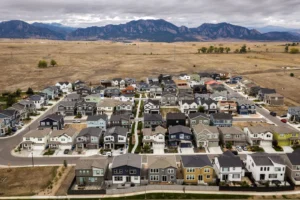
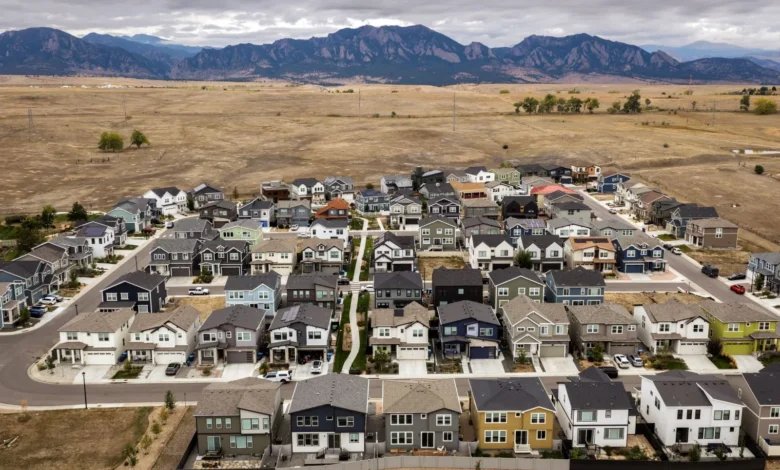
Whatever the final decision, the outcome of Boulder v. Exxon Mobil will define the scope of corporate liability for the remainder of the century. It represents a collision between traditional legal concepts of property and harm and the modern, borderless reality of a warming planet. For the residents of towns like Superior, Colorado, who are still rebuilding from the wreckage of climate-fueled disasters, the case is not an abstract legal theory—it is a question of who will pay for the future of their communities.