The Long Road to Electrification: How Boston’s Fairmount Line Became a Catalyst for Transit Justice

Decades of grassroots advocacy in Boston’s Dorchester neighborhood are finally culminating in a technological milestone for the Massachusetts Bay Transportation Authority (MBTA). What began as a local frustration with a commuter rail line that bypassed low-income communities of color is evolving into a pioneering project for sustainable urban transit. The MBTA is set to introduce a fleet of battery-electric multiple unit (BEMU) trains on the Fairmount Line by 2030, a move that promises to replace aging, diesel-burning locomotives with cleaner, more efficient technology. This $765 million initiative represents a pivotal case study in the intersection of climate action, public health, and transit equity.
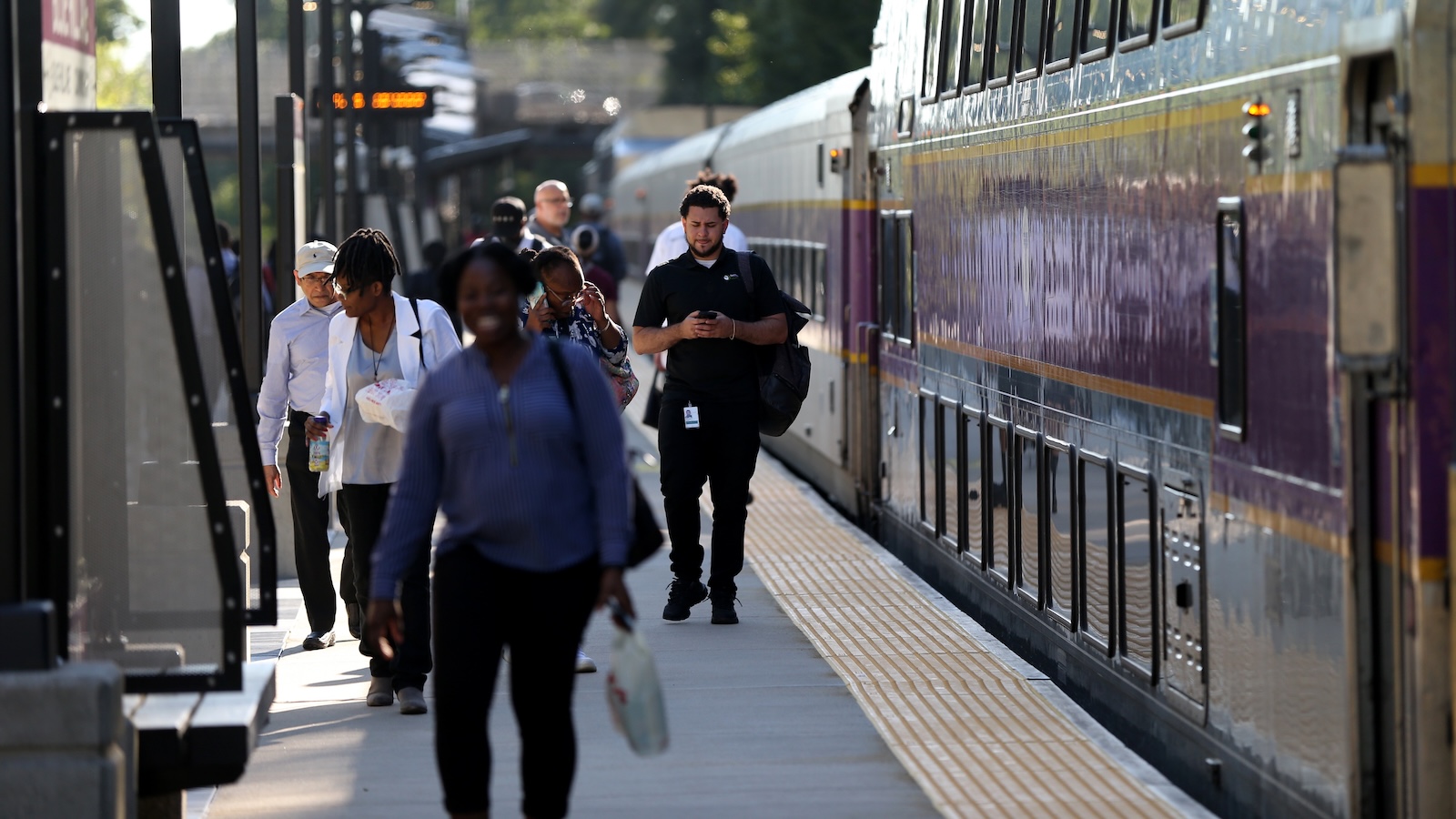
The historical trajectory of the Fairmount Line serves as a reminder of how urban infrastructure often reflects the socioeconomic disparities of the communities it traverses. For years, residents in the Four Corners area watched as commuter trains—largely serving more affluent, suburban demographics—sped through their neighborhoods without providing the essential transit links needed to reach downtown Boston. Marvin Martin, the former head of the transit advocacy organization Action for Equity, became a central figure in challenging this status quo. In 1995, Martin and his colleagues launched a persistent campaign to force the MBTA to stop treating the Fairmount Line as a pass-through corridor and start viewing it as a vital municipal artery.
The struggle for accessibility was long and arduous. It took 15 years of consistent lobbying before the MBTA committed to expanding the line’s utility. In 2012 and 2013, the agency added three new stops in Dorchester, followed by a fourth in Mattapan in 2019. However, for activists like Martin, the battle was never just about stop locations; it was about the environmental and health impacts of the transit technology itself. The diesel locomotives that powered the line were notorious for spewing toxic particulates into neighborhoods already burdened by air quality issues. "We want a train that would not be spewing a bunch of toxic particulates into the air," Martin noted, reflecting on the decades-long push for a zero-emission solution.
A New Era of Battery-Electric Rail
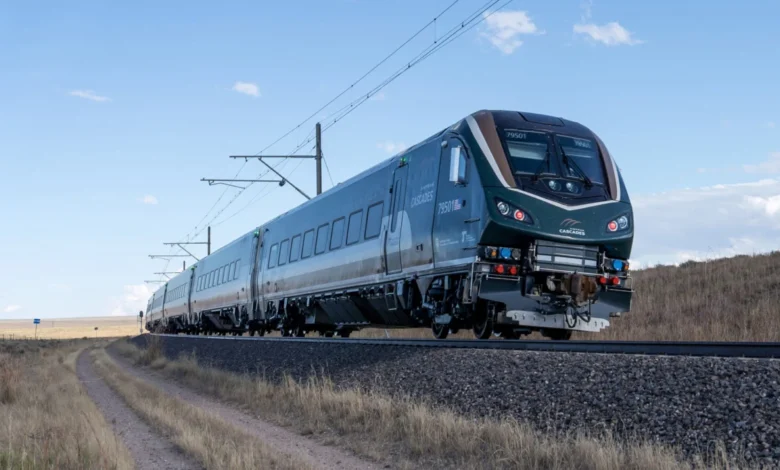
The MBTA’s decision to adopt battery-powered trains represents a strategic compromise between environmental necessity and fiscal constraints. Unlike traditional electric rail, which requires the installation of complex and prohibitively expensive overhead catenary lines, battery-powered trains can operate on existing infrastructure with minimal structural modifications. The agency has entered a 15-year lease for seven four-car trainsets from the Swiss manufacturer Stadler.
Beyond the immediate environmental benefits—which the MBTA estimates will prevent 17,700 tons of carbon dioxide emissions annually—the electrification project is designed to improve the daily quality of life for riders. By increasing service frequency from 30-minute intervals to 20-minute windows, the line will function more like a rapid transit system than a traditional, infrequent commuter rail service. This shift is critical for residents who rely on the line for daily commutes, as increased frequency is the most significant factor in boosting ridership and reducing dependence on automobiles.
The Technological Gamble
While the move toward battery-electric trains is widely praised by environmental advocates, it is not without its skeptics. The technology remains relatively nascent in the context of high-volume, daily commuter rail. Chris Friend, the interim executive director of the advocacy group TransitMatters, acknowledges the logic of starting with the Fairmount Line—the system’s shortest route—but expresses caution. "Is this the thing, or are we going to end up in another quagmire of an unproven technology?" Friend asked.
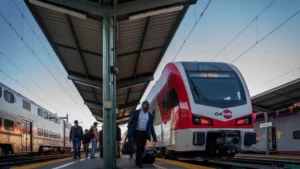
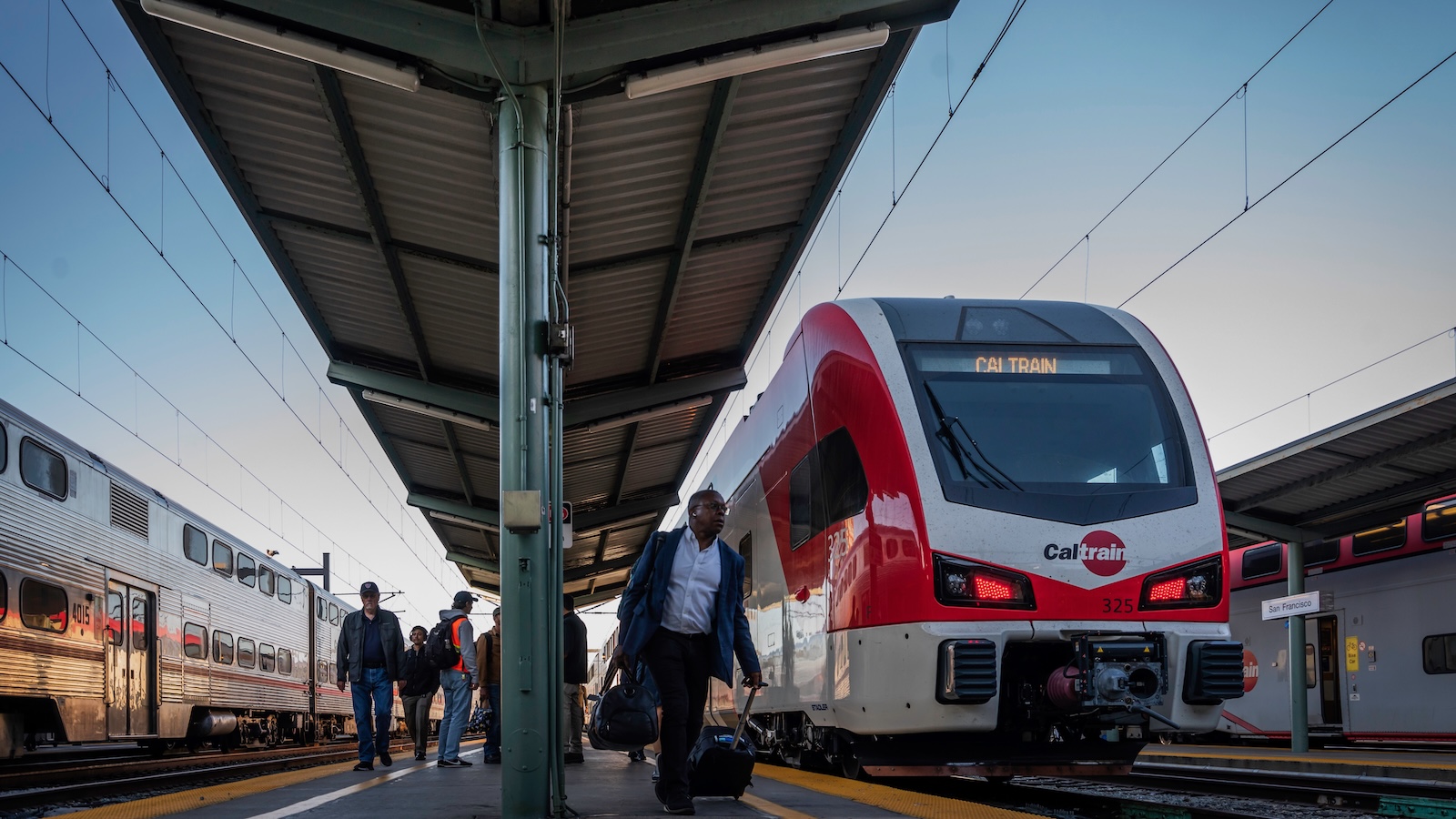
The concern lies in whether battery capacity can maintain reliable service levels under the rigors of a standard urban transit schedule. Other major transit agencies are watching the MBTA’s experiment closely. Both Chicago’s Metra and California’s Caltrain are pursuing similar timelines for the introduction of battery-electric trains, effectively creating a nationwide pilot program for this technology. If these projects succeed, they could provide the blueprint for decarbonizing rail systems across the United States that lack the capital for full-scale electrification of their entire networks.
The Global Context of Transit Electrification
Boston is no stranger to the evolution of rail technology. The city was a pioneer in the 19th century, unveiling its first electric streetcar in 1889 and opening the Tremont Street Subway—the first electric subway in North America—shortly thereafter. However, as the 20th century progressed, the dominance of diesel and internal combustion engines solidified.
Globally, the push for electrification is being accelerated by the volatility of fuel prices. The average cost of diesel has seen dramatic fluctuations, placing immense pressure on the operating budgets of transit agencies. Dani Simons, vice president of communications for Alstom in the Americas, notes that while the technology is best suited for medium-ridership lines, the economic argument for electrification is becoming impossible to ignore. In Germany, Alstom has already successfully deployed battery-powered trains on a 50-mile route, serving approximately 2 million passengers annually. This international precedent suggests that the technology is maturing rapidly enough to transition from niche applications to mainstream urban service.
Environmental Health and Social Equity
The health implications of transitioning from diesel to electric are profound. Historical analysis of rail-heavy corridors shows that the particulate matter produced by diesel locomotives contributes significantly to respiratory issues in adjacent residential areas. Evidence from the San Francisco Bay Area provides a clear preview of the potential benefits. When Caltrain transitioned from diesel to electric on its 51-mile route, researchers led by Joshua Apte, an environmental engineer at UC Berkeley, measured an 89 percent drop in black carbon exposure for riders.
Such data suggests that the Fairmount Line electrification is as much a public health initiative as it is a transportation project. For communities that have historically been sidelined, the introduction of modern, clean, and reliable rail is a form of restorative justice. It signals a shift in priorities where the environmental burdens of transportation are no longer disproportionately placed on lower-income populations.
The Path Forward: Lessons from History
Historians like Albert Churella of Kennesaw State University remind us that society often views new technology through the lens of a "cure-all." While electrification is a vital tool for carbon reduction, it must be supported by long-term planning and robust infrastructure maintenance. Nicholas Dagen Bloom, author of The Great American Transit Disaster, points out that the decline of passenger rail in the mid-20th century was largely a policy choice—a decision to favor diesel and highway expansion over the capital-intensive infrastructure required for electrification.
The current re-electrification of transit systems is, in many ways, an attempt to correct a century-old error. By returning to electricity, agencies are reclaiming the efficiencies that made rail the backbone of American cities in the late 1800s. However, this time, the goal is not merely to connect suburbs to city centers, but to ensure that all urban corridors—regardless of the wealth or demographic composition of the neighborhood—are provided with modern, sustainable transit options.
As the 2030 deadline for the Fairmount Line’s new fleet approaches, the project stands as a testament to the power of community-led advocacy. For Marvin Martin, the journey has been long, and while he notes that the cleaner air will be a welcome change, his focus remains on the fundamental promise of the project: providing reliable, dignified service to his community. "I’m pretty satisfied with where we ended up," Martin said. "As long as we still get that train."
The success of the Fairmount Line will be measured not just in carbon tons saved or minutes shaved off a commute, but in the precedent it sets for the future of American transit. If the MBTA can successfully navigate the challenges of BEMU technology, it will provide a replicable model for hundreds of other transit corridors, potentially sparking a nationwide renaissance in electrified, equitable, and sustainable rail transportation. The path to 2030 is set, and with it, the potential to finally close the chapter on decades of transit disparity in the heart of Boston.