Supreme Court Weighs High-Stakes Climate Liability Case Between Boulder and Big Oil

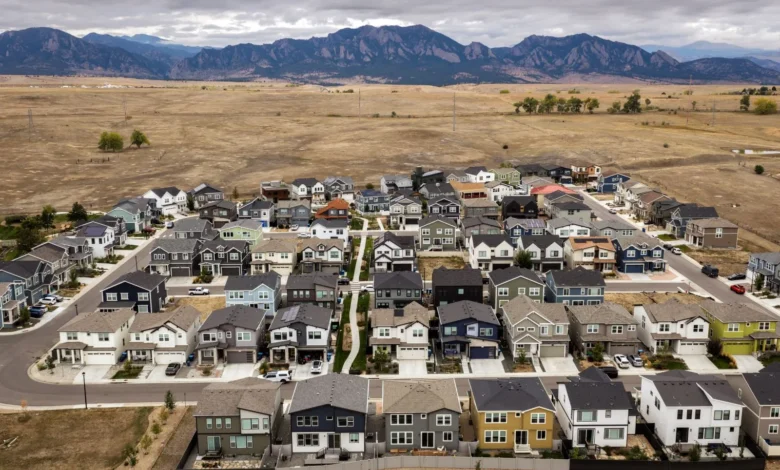
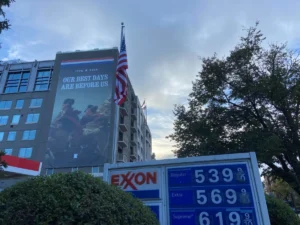
The Supreme Court of the United States opened its 2026-2027 term with a consequential legal showdown that could redefine the boundaries of corporate liability for climate change. At the center of the dispute is a lawsuit filed by Boulder, Colorado, against energy giants Exxon Mobil and the Canadian oil company Suncor. The case, which has been making its way through the federal court system for years, centers on whether local municipalities have the standing to sue fossil fuel corporations in state courts for the mounting costs associated with environmental disasters, infrastructure degradation, and public health crises linked to a warming planet.
As the justices heard two hours of oral arguments on Monday, the courtroom atmosphere was characterized by a palpable struggle to distill a complex, multi-layered environmental conflict into a narrow legal question. While the case focuses on a specific claim of deception—that these companies allegedly misled the public about the climate impacts of their products—the broader implications are clear: a ruling in favor of Boulder could trigger a massive wave of litigation across the country, potentially holding the fossil fuel industry accountable for billions of dollars in climate-related damages.
A Chronology of Climate Litigation
The roots of this legal battle stretch back to a growing trend of municipal litigation that began in the mid-2010s. Cities, counties, and states across the United States, from California to Massachusetts, have sought to utilize state consumer protection laws and nuisance claims to force energy companies to pay for the "cost of climate change."
The timeline of the current dispute is as follows:
- 2018: Boulder County and other local Colorado entities file a lawsuit in state court against Exxon Mobil and Suncor, alleging deceptive marketing practices.
- 2019-2022: The oil companies initiate a series of procedural maneuvers, attempting to move the case from state to federal court, arguing that federal law—specifically the Clean Air Act—preempts state-level litigation.
- 2023-2025: Lower courts remain divided on the jurisdictional question, with some rulings favoring the municipalities’ right to stay in state court and others supporting the industry’s push for federal preemption.
- 2026: The Supreme Court grants certiorari to resolve the jurisdictional impasse, marking the first time the high court has addressed the core merits of these specific climate-related tort claims.
The Arguments: Deception vs. Regulation
The central tension in the courtroom revolved around the characterization of the lawsuit. Kannon Shanmugam, representing the oil and gas defendants, argued that the litigation is an "unprecedented effort to use state law to regulate global conduct." His defense team posits that climate change is a global, atmospheric phenomenon that cannot be adjudicated by individual state courts without inviting a chaotic patchwork of inconsistent regulations.
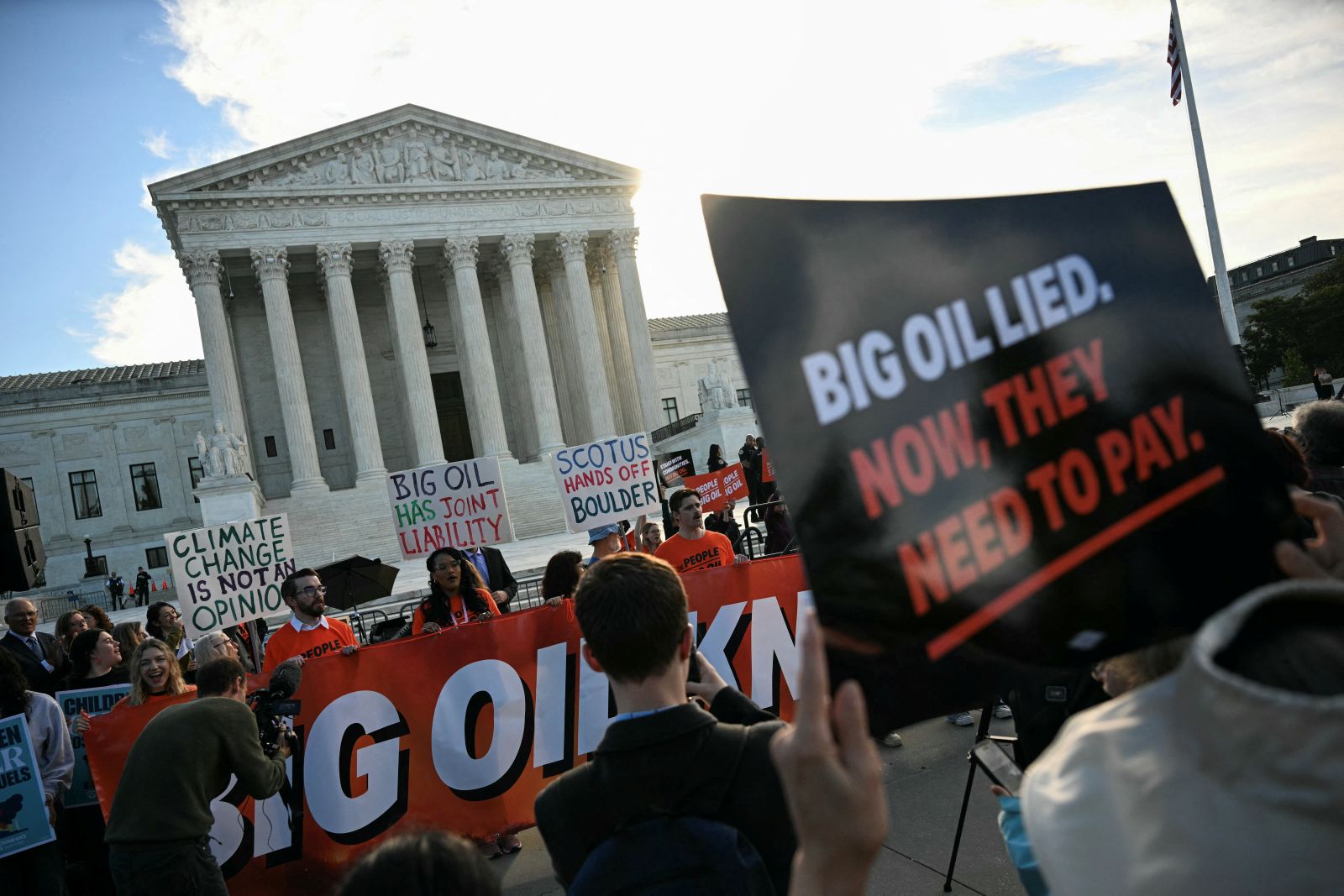
"Boulder could tag me when I am in Colorado in two weeks and sue me on a nuisance claim for refilling my car and thereby contributing to global climate change," Shanmugam argued, illustrating the slippery slope he believes the Court is facing. The industry’s stance is that any attempt to hold them liable for the cumulative impact of their products is essentially a backdoor attempt to force them to reduce greenhouse gas emissions, a policy domain that they argue is exclusively reserved for Congress and federal agencies.
Conversely, Kevin Russell, representing the city of Boulder, offered a starkly different framing. He argued that the lawsuit is not about regulating emissions, but about accountability for a specific, localized harm: the alleged deception of the public. By drawing parallels to the landmark 1990s tobacco litigation, Russell argued that companies should be held liable for hiding the known risks of their products while continuing to profit from them. "It doesn’t prohibit them from engaging in the conduct," Russell noted. "It requires them to internalize a portion of the cost of their activities by paying for some of the damage."
The Justices’ Perspective and Judicial Caution
Justice Samuel Alito recused himself from the proceedings, reportedly due to concerns regarding personal financial holdings in the energy sector. This left eight justices to deliberate on the matter. During the session, the bench exhibited a shared concern over the systemic risk the case poses to the oil and gas industry.
Justice Brett Kavanaugh emerged as a particularly vocal critic of the potential impact of the litigation. He explicitly questioned whether allowing such cases to proceed in state courts could lead to the bankruptcy of major energy firms, given the sheer volume of pending litigation. He questioned the logic of allowing a single state judge to oversee a case that effectively holds a global industry accountable for a global climate crisis.
Meanwhile, Justice Elena Kagan steered the conversation toward the precedent of state-level consumer protection suits. By comparing the case to the tobacco settlements, she highlighted a potential path for the Court to distinguish between "regulation of emissions" and "liability for consumer deception." However, the consensus remained elusive. The justices seemed wary of setting a precedent that would empower state courts to manage the legal consequences of international climate policy.
Data and Economic Context
The economic weight behind this case is substantial. According to recent industry reports, major oil companies have explicitly warned their shareholders that the proliferation of climate-related tort cases represents a "material risk" to their long-term balance sheets.
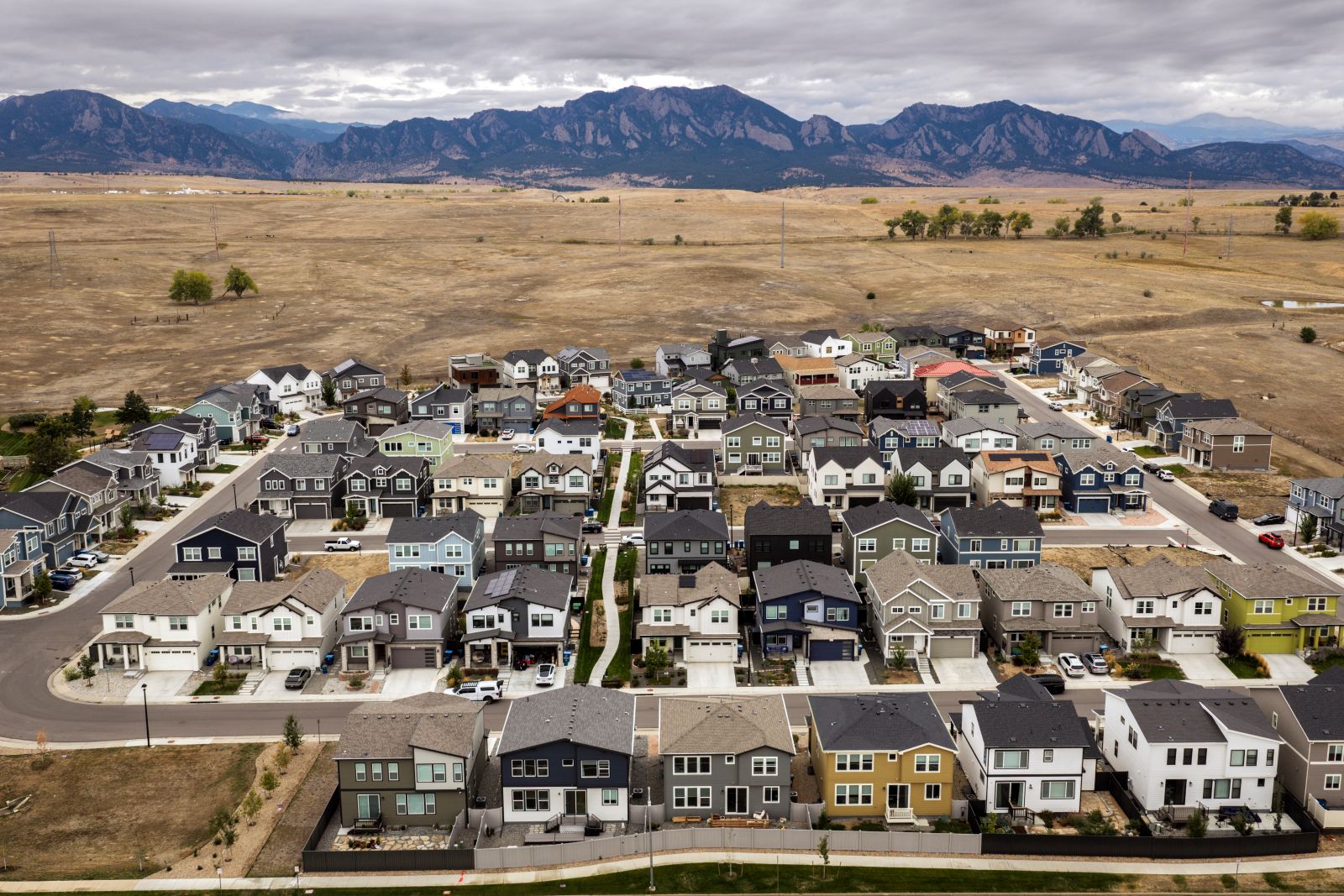
Data from the Center for Climate Integrity suggests that there are currently dozens of similar cases pending across the United States, with plaintiffs seeking damages to fund climate adaptation projects—such as seawalls, heat-resistant infrastructure, and disaster response systems—that are projected to cost local governments hundreds of billions of dollars over the next two decades. For the energy sector, the "deception theory" is viewed as a significant threat because it bypasses federal regulatory hurdles and goes directly to the question of whether a company’s marketing and internal knowledge of climate risks create a liability that can be settled by a jury.
Broader Implications and Future Outlook
The Supreme Court’s decision, expected in the coming months, will likely serve as a foundational ruling for environmental law in the 21st century. Legal scholars note that the Court has several avenues for its ruling:
- Jurisdictional Dismissal: The Court could determine that the case does not belong in federal court and remand it back to Colorado, effectively allowing the litigation to continue at the state level.
- Federal Preemption: The Court could rule that the Clean Air Act or other federal statutes preclude state-level nuisance claims, effectively killing the majority of these climate lawsuits nationwide.
- The "Deception" Narrowing: The Court could attempt to create a middle ground, allowing claims of consumer fraud to proceed while barring claims that seek to hold companies liable for the emissions themselves.
Chris Winter, executive director of the Getches-Wilkinson Center at the University of Colorado Law School, suggests that the outcome may hinge on whether the justices can compartmentalize the financial consequences from the legal theory. "There is a lot of concern from the oil industry, from corporate actors, and from the conservative justices about the significant consequences of these cases," Winter said. "One way to get at that is to equate this case with previous cases, which were much more directly about the regulation of pollution."
Conclusion: A Turning Point
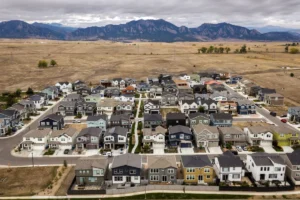
The courtroom drama in Washington highlights the limitations of the current judicial framework when applied to a problem as vast and complex as climate change. As the judiciary contemplates whether the courtroom is the appropriate venue for resolving the costs of a warming world, the residents of cities like Superior and Boulder continue to grapple with the tangible realities of extreme weather events, such as the destructive Marshall Fire, which serves as a grim backdrop to these legal proceedings.
The final decision will likely not settle the science of climate change, but it will certainly define the legal framework under which the energy industry operates for decades to come. Whether the Court chooses to shield the industry from a cascade of state-level lawsuits or opens the door for a new era of corporate accountability, the ruling will stand as a landmark event in the ongoing struggle to address the financial and environmental legacy of the fossil fuel age. For now, both the energy sector and the local governments they are pitted against must wait for the Court to bridge the chasm between constitutional legal theory and the accelerating costs of a changing climate.