The Supreme Court Confronts the Future of Climate Liability in High-Stakes Boulder v. Exxon Mobil Litigation

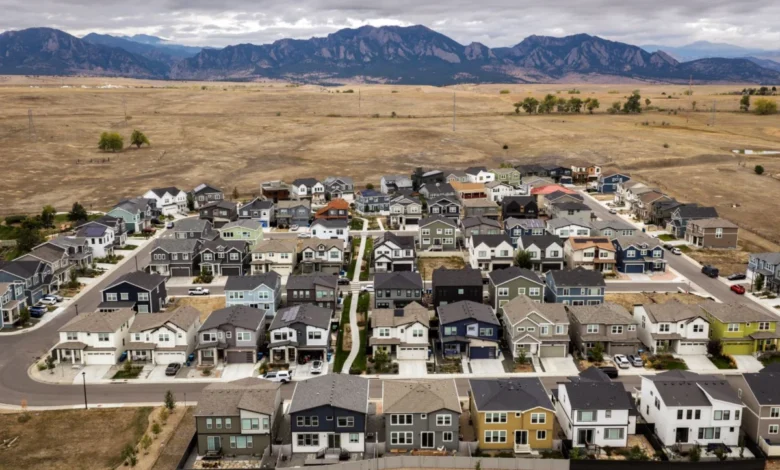
The Supreme Court opened its 2026-2027 term this Monday with a landmark hearing that could fundamentally reshape the legal landscape for fossil fuel companies and climate change accountability. The case, brought by Boulder, Colorado, against energy giants Exxon Mobil and the Canadian firm Suncor, serves as a bellwether for dozens of similar lawsuits filed by municipalities across the United States. At its core, the litigation seeks to force major oil and gas producers to compensate local governments for the staggering financial costs associated with climate-induced disasters, infrastructure damage, and adaptation efforts.
The proceedings lasted two hours, during which the eight presiding justices—Justice Samuel Alito recused himself from the case—grappled with the complex intersection of state tort law, federal regulatory authority, and the global nature of greenhouse gas emissions. While the court offered no definitive signal regarding its ultimate ruling, the tone of the questioning underscored a deep judicial anxiety regarding the potential for state courts to set national, or even international, environmental policy.
A Chronology of Climate Litigation
The roots of the current Supreme Court battle stretch back nearly a decade. Following the lead of the tobacco litigation of the 1990s, where states successfully sued tobacco companies for health care costs, local governments began shifting their legal strategies toward fossil fuel companies in the mid-2010s.
- 2017–2018: California cities, including San Francisco and Oakland, filed early nuisance suits against major oil companies, seeking billions to fund sea-level rise infrastructure.
- 2020: Boulder County and the cities of Boulder and San Miguel, Colorado, filed their suit in state court, arguing that the defendants engaged in a long-standing campaign of deceptive marketing regarding the climate risks of their products.
- 2021–2025: The case spent years caught in procedural limbo as energy companies moved to shift the jurisdiction from state courts to federal courts, a tactic intended to leverage federal preemption defenses under the Clean Air Act.
- October 2026: The Supreme Court officially hears oral arguments to determine whether the case can proceed in Colorado state courts or if it must be dismissed on federal preemption grounds.
The Arguments: Deception vs. Regulation
The central conflict hinges on how the court characterizes Boulder’s claim. The oil companies, represented by attorney Kannon Shanmugam, argued that the lawsuit is an "unprecedented effort to use state law to regulate global conduct." They contend that because climate change is a global phenomenon driven by the cumulative emissions of billions of actors, it is impossible for a single state court to adjudicate liability without effectively rewriting national energy policy.
"Boulder could tag me when I am in Colorado in two weeks and sue me on a nuisance claim for refilling my car and thereby contributing to global climate change," Shanmugam argued, illustrating the perceived chaotic potential of allowing state-level climate litigation to proceed.
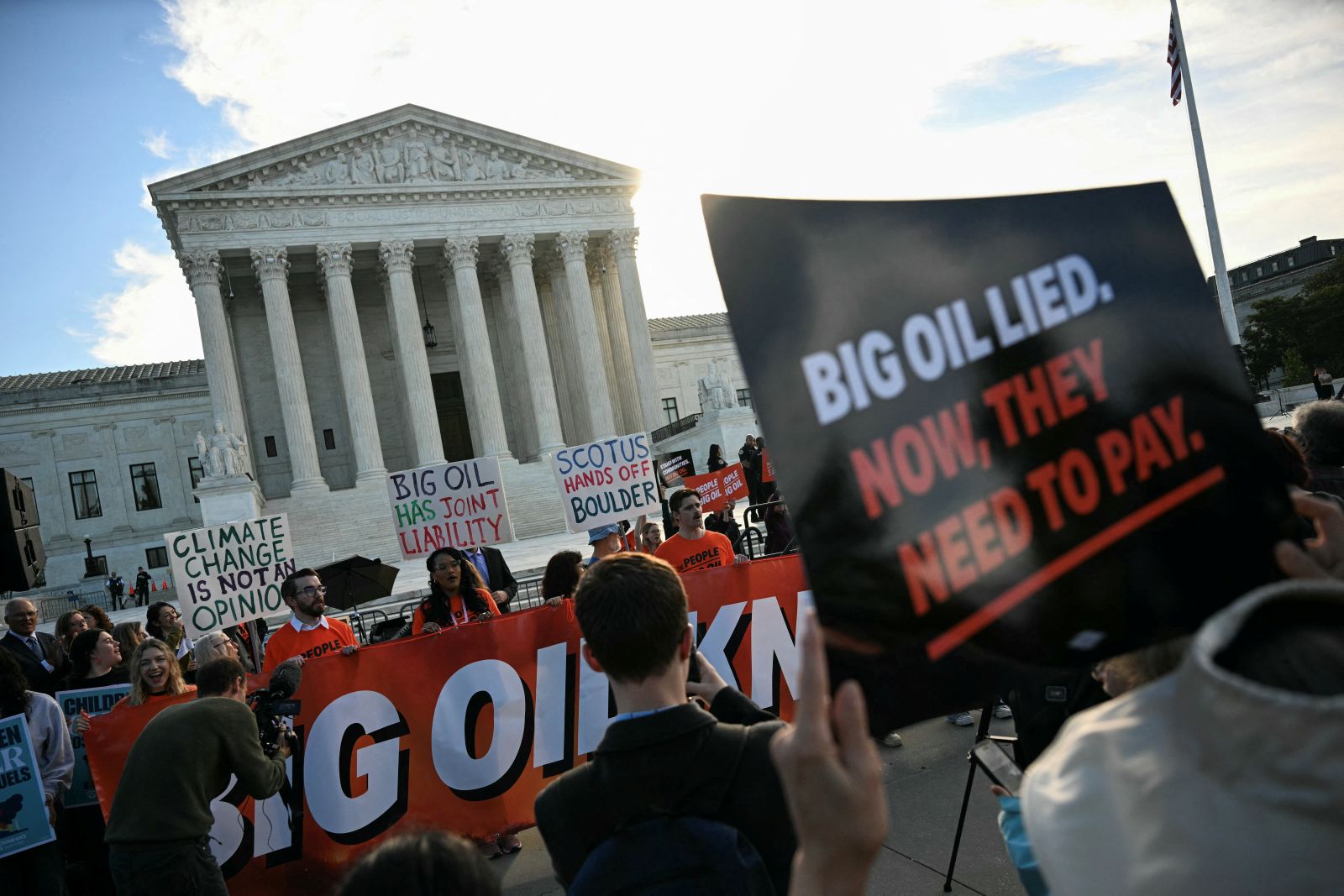
Conversely, counsel for Boulder, Kevin Russell, pushed back against this interpretation. He maintained that the city is not seeking to regulate the production of oil or gas, nor are they asking the court to dictate emission standards. Instead, the suit is framed as a consumer protection and fraud case. Boulder alleges that for decades, these corporations possessed internal research confirming the catastrophic effects of their products while simultaneously funding public campaigns to cast doubt on the science of climate change.
"This is not an effort to reduce emissions," Russell stated during his rebuttal. "Under our deception theory, they can continue to produce as much fossil fuels as they like and contribute to as much air pollution and greenhouse gas emissions as the market will bear when consumers are properly informed about the consequences of that decision."
The Economic Scale of Climate Damages
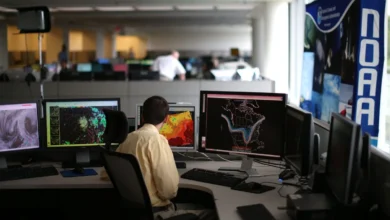
The financial implications of these cases are substantial. According to recent reports from the National Oceanic and Atmospheric Administration (NOAA), the United States has experienced an increasing frequency of billion-dollar weather and climate disasters. In 2025 alone, the U.S. recorded record-breaking losses due to wildfires, flooding, and extreme heat events.
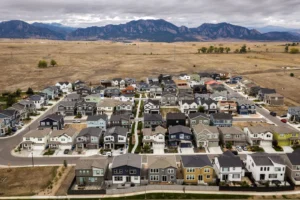
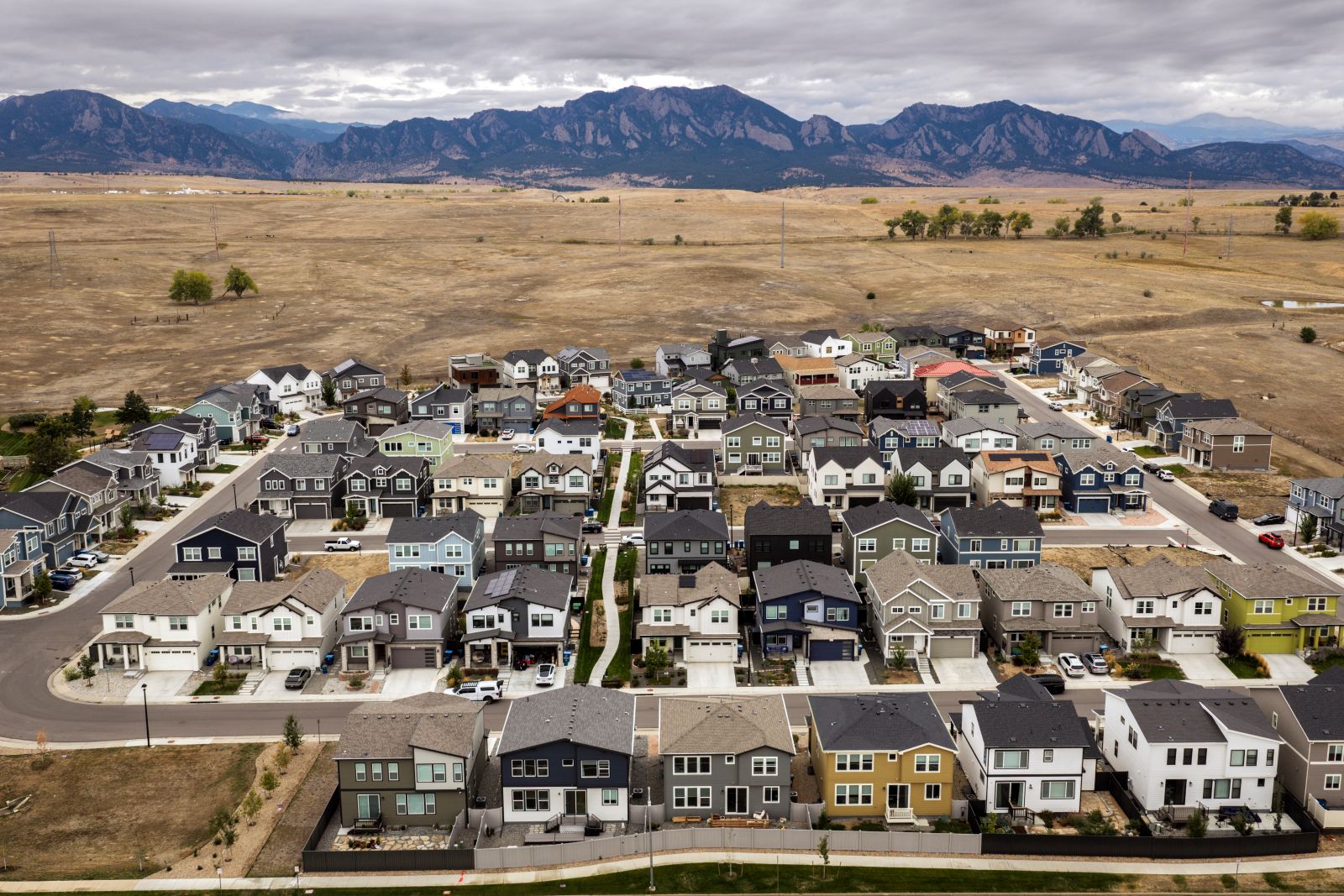
Municipalities are currently grappling with the "adaptation gap"—the difference between the funds available for climate resilience and the actual costs required to protect public safety. In Colorado, the aftermath of the Marshall Fire—which destroyed nearly 1,100 homes in Boulder County—has served as a visceral, visual argument for the plaintiffs. The local government argues that the tax burden for reconstruction and climate-proofing infrastructure should not fall solely on residents, but should be shared by the corporations that allegedly misled the public about the risks of the fossil fuels that exacerbate such disasters.
However, Justice Brett Kavanaugh expressed skepticism regarding the economic impact, characterizing the plaintiff’s view of the costs as "cavalier." He suggested that the damages sought could potentially bankrupt major industry players, a risk that several firms, including Suncor, have already highlighted in their disclosures to shareholders.
Judicial Perspective and Legal Precedents
Justice Elena Kagan drew a direct comparison to the Master Settlement Agreement (MSA) of 1998, which settled lawsuits between 46 states and the four largest tobacco companies. Under that settlement, companies were required to pay billions in perpetuity to cover smoking-related health costs and were forced to cease specific deceptive marketing practices.
"It doesn’t prohibit them from engaging in the conduct," Russell noted, echoing Kagan’s line of reasoning. "It requires them to internalize a portion of the cost of their activities by paying for some of the damage."
Despite this, the court appears wary of the "slippery slope" argument. The justices repeatedly probed whether a victory for Boulder would invite thousands of similar suits, effectively turning the judiciary into a regulatory body for global industry. Legal analysts suggest that the court may look for a narrow path, perhaps ruling that the Clean Air Act pre-empts these specific types of claims, or by finding that the issues are "political questions" better suited for Congress than the courts.
Broader Implications for Environmental Law
The outcome of this case will serve as a definitive precedent for dozens of other pending actions across the country. Erika Kranz, an attorney with Harvard Law School’s environmental and energy law program, noted that the legal basis for these suits varies significantly from state to state. "States and local governments are trying to recoup costs related to harms from climate change in a lot of different types of lawsuits," she said. "Whether these other cases run into trouble will depend on how justices write their decision."
If the Supreme Court rules in favor of the oil companies, it would effectively shield the industry from a massive wave of litigation that has been building for years. If they allow the case to return to Colorado, it could signal a new era of "climate accountability" litigation, where state courts become the primary venue for forcing internal corporate cost-accounting for climate damages.
As the court deliberates, the industry remains on high alert. The Heritage Foundation, a conservative think tank, and other industry-aligned groups have closely monitored the proceedings, signaling that the defense of fossil fuel interests remains a priority for the conservative legal movement. Meanwhile, climate advocacy groups view this as a potential turning point, a rare opportunity to force the fossil fuel industry to confront the real-world financial consequences of the warming planet they helped create.
With the justices expected to spend months drafting their opinion, the nation remains in a state of legal suspense. The decision will not only affect Boulder’s ability to recoup the costs of the Marshall Fire but will determine whether the judiciary will permit local entities to serve as the front line in the battle for climate justice. For now, the legal system remains at a crossroads, balancing the desire for corporate accountability against the systemic concerns of an expansive, potentially unmanageable, wave of climate litigation.
Related posts: