The Tragic Collapse of Matthew Mayich Highlights Critical Failures in Collegiate Heat Safety Protocols

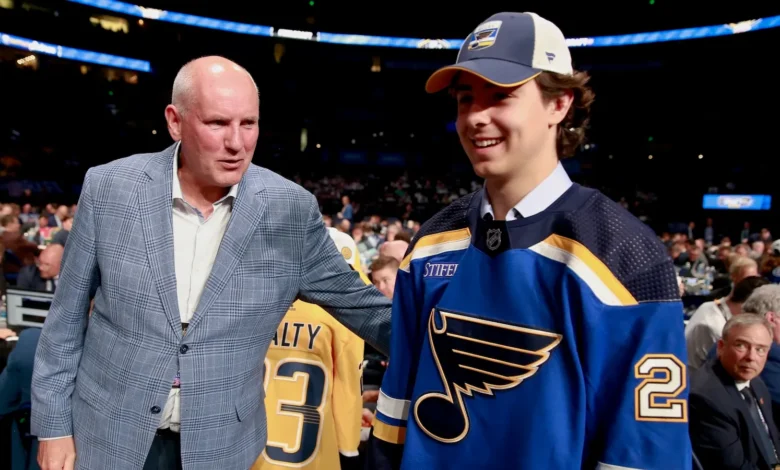
On the morning of August 20, 2026, the promise of a new season for Arizona State University’s hockey team was shattered in the sweltering heat of Tempe, Arizona. Matthew Mayich, a 21-year-old standout prospect drafted by the St. Louis Blues, collapsed during an intense, high-exertion outdoor training session at Sun Angel Stadium. As temperatures climbed toward 90 degrees Fahrenheit, the young athlete suffered a medical crisis that would leave him in critical condition, sparking a fierce debate over athletic accountability, the adequacy of institutional heat policies, and the widening gap between safety guidelines and their actual implementation.
The incident has since become the focal point of a national conversation regarding the protection of student-athletes in an era of accelerating climate change. For Mayich’s family, the path forward is defined by a desperate search for answers. "We want accountability for what happened to our son," his parents, John and Christina Mayich, stated. "We want the truth."
A Timeline of a Preventable Crisis
The events of August 20 did not occur in a vacuum. According to documents obtained by investigators and internal university timelines, the training session was led by Tim Ziesel, a guest trainer and former Green Beret. While the university initially described the session as a 45-minute workout, subsequent accounts provided by seven of Mayich’s teammates—submitted in an anonymous letter to ASU President Michael M. Crow—suggest a much more grueling reality.
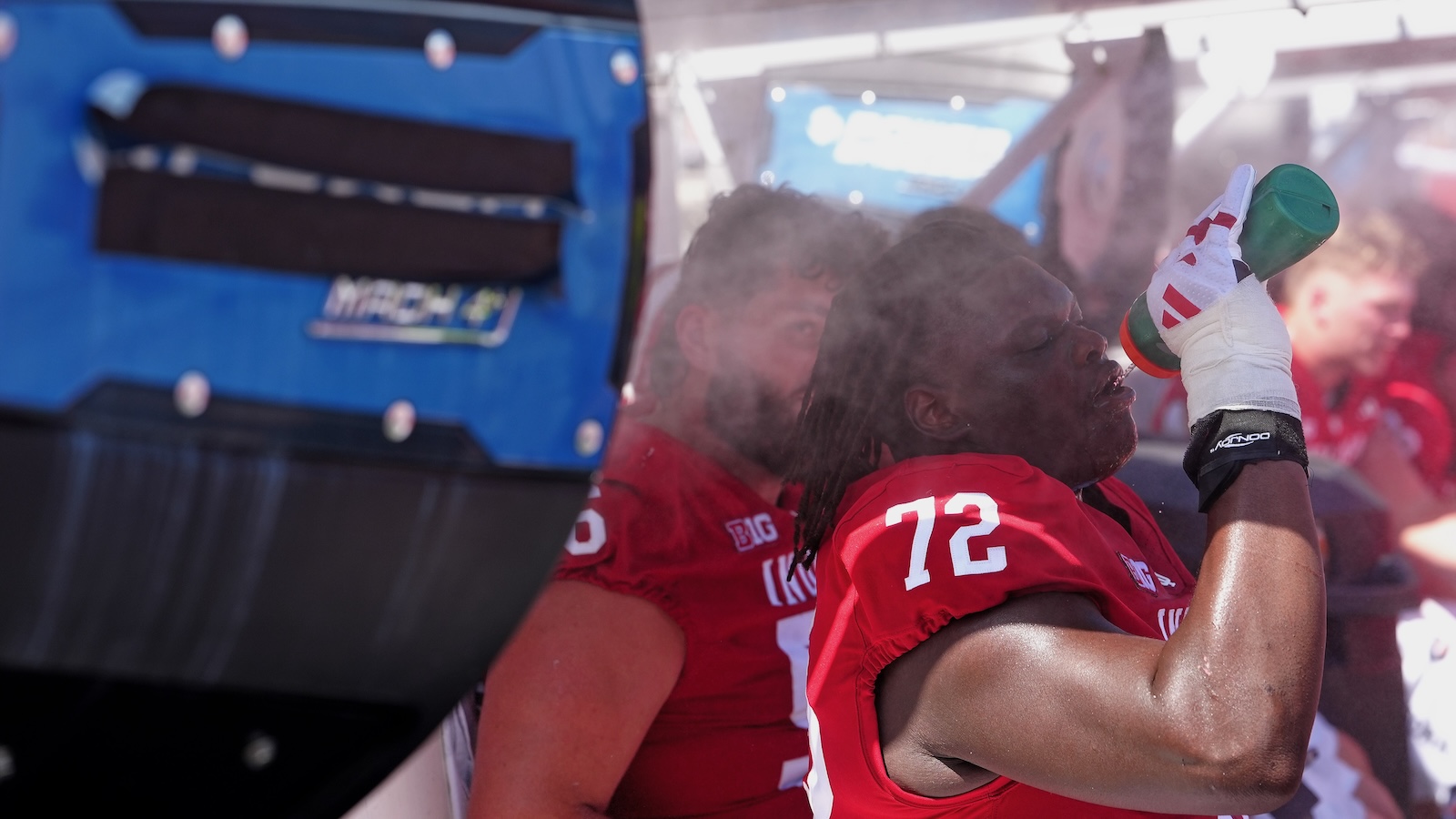
The teammates allege that the session spanned 75 minutes and included a relentless series of high-intensity movements: push-ups, planks, flutter kicks, bear crawls, squats, sprints, and buddy-carries. The final stage of the workout, a medicine ball run, proved to be the breaking point for Mayich. Witness accounts describe him stumbling, dropping the ball, and struggling to regain his footing, signaling clear signs of physical distress long before emergency services were eventually summoned.
The university’s response, as detailed in its internal timeline, notes that staff utilized iced towels and cool water after his collapse. However, teammates contend that the standard of care was fundamentally inadequate. They allege that Mayich was left on the hot turf for approximately 17 minutes without effective cooling measures, and that he was sprayed with a garden hose—a method far removed from the medical standard for treating exertional heat stroke.
The Science of Heat Stroke and the Failure of Protocol
Exertional heat stroke (EHS) is a medical emergency that occurs when the core body temperature rises above 104 degrees Fahrenheit, leading to central nervous system dysfunction and multi-organ failure. The gold standard for treating EHS is cold-water immersion (CWI), a process that rapidly lowers the body’s core temperature.
Doug Casa, CEO of the Korey Stringer Institute at the University of Connecticut, has been a leading voice in heat safety since the 2001 death of NFL lineman Korey Stringer, whose passing remains a grim benchmark for the dangers of heat-related illness in sports. Casa argues that had proper immersion protocols been in place at Sun Angel Stadium, the outcome for Mayich might have been different.

"If they had treated him properly, he probably would have had dinner with his teammates that night," Casa remarked. "The cooling rates of CWI are astronomical compared to other methods. It is the single most effective way to prevent a life-threatening incident from becoming a fatality."
The teammates’ letter specifically cites the absence of these life-saving measures, noting: "The precautions required by ASU’s heat policy were not in place: no immersion tub, no ice chests, no on-field heat measurement, no scheduled breaks in shade."
Institutional Responses and Accountability
In the wake of the incident, the response from university leadership has been characterized by delays and administrative maneuvers. Head coach Greg Powers, who initially insisted he was the "right guy" to lead the program, was placed on paid leave in late September, more than a month after the incident.
The university has appointed former Arizona Supreme Court Chief Justice Scott Bales to lead an independent review of the school’s athletic safety policies. While the Mayich family has expressed cautious support for the investigation, they have also demanded that the mandate be expanded to include a specific forensic accounting of the events on the field that morning and a determination of whether university or NCAA rules were violated.
Meanwhile, representatives for Tim Ziesel have downplayed the intensity of the workout, with attorney Larry Kazan stating that the training was "not difficult as some media outlets have attempted to color it." This defense contrasts sharply with the accounts of the student-athletes, who described visible disorientation, vomiting, and physical collapse among the participants throughout the session.
The Broader Landscape: A "Wild West" of Safety
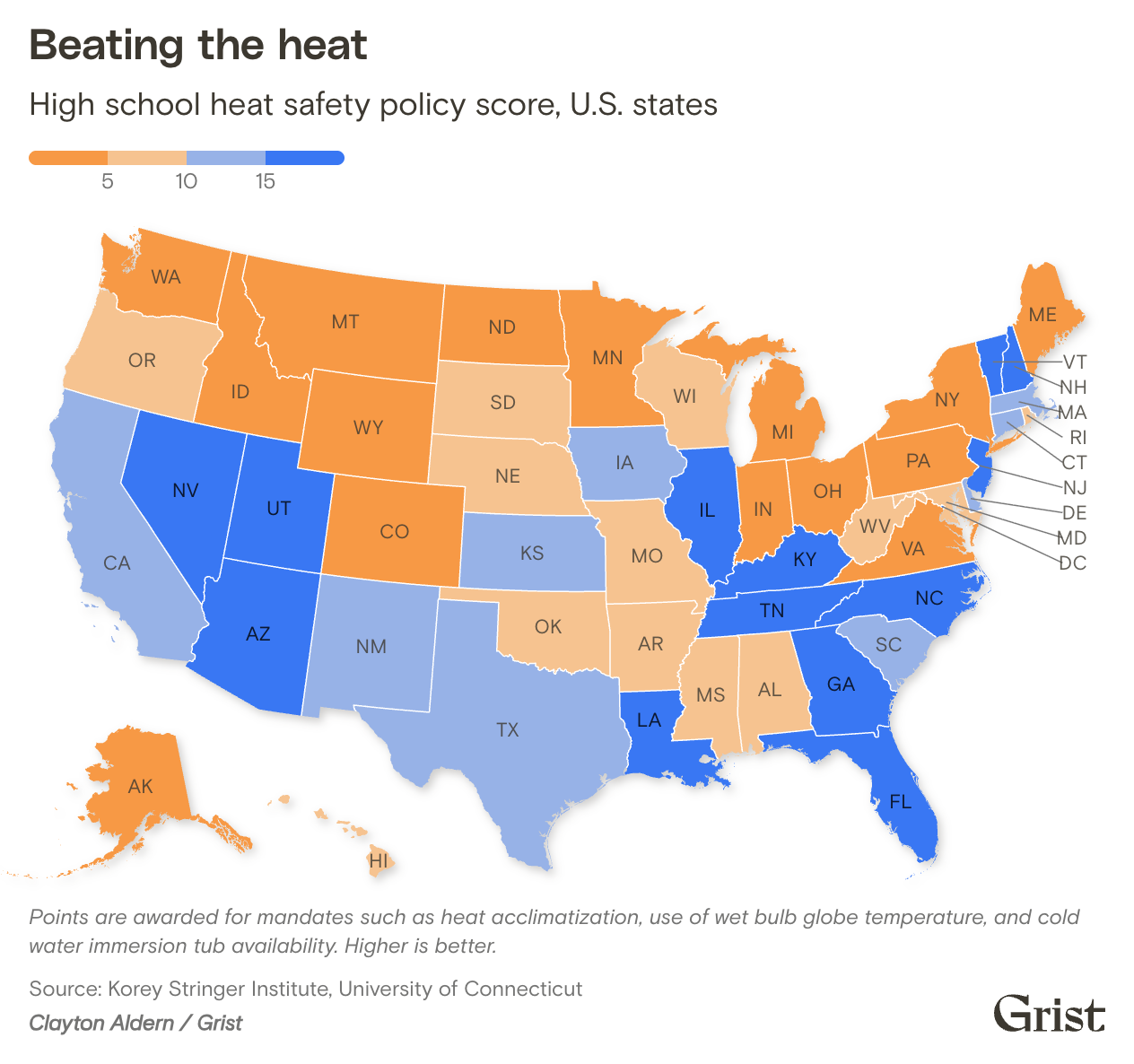
The tragedy at ASU serves as a microcosm of a larger, systemic issue in American sports. There are no federal regulations mandating heat safety for athletes. Instead, responsibility is fragmented among state athletic associations, university administrations, and individual coaching staffs.
While some organizations, such as the Georgia High School Association, have implemented rigorous, evidence-based heat protocols—including mandatory wet bulb globe temperature (WBGT) monitoring and strict acclimatization periods—others operate on "recommendations" that lack enforcement teeth. The NCAA, which oversees collegiate athletics, provides guidelines that are largely voluntary, leaving a vacuum where individual institutions can interpret or ignore best practices at their discretion.
The environmental context adds further urgency. Research from the University of Arizona and other institutions confirms that synthetic turf surfaces can reach temperatures as high as 157 degrees, creating a hazardous environment that standard air temperature readings fail to capture. The use of regional weather station data—which was utilized by ASU in its assessment—often masks the extreme, localized heat stress present on an open-air field.
Implications for the Future of Collegiate Athletics
The irony of the situation was not lost on observers; just two miles from the hospital where Mayich remains on life support, Arizona State University held a symposium to launch its new Center for Heat Preparedness. The event emphasized the dangers of extreme heat, yet the university’s internal policy failures remained a looming shadow over the proceedings.
The case of Matthew Mayich is likely to trigger a re-evaluation of how universities manage risk. Legal experts suggest that the failure to adhere to stated institutional policies—such as the requirement for immersion tubs—could create significant liability for the university. Furthermore, the willingness of the student-athletes to break their anonymity to challenge the official narrative suggests a growing generational shift, where athletes are increasingly prioritizing their own safety and demanding transparency from the institutions they represent.
As the independent review by Scott Bales proceeds, the sports world watches to see if this tragedy will serve as a catalyst for mandatory, standardized heat safety reforms. Without a shift from "voluntary recommendations" to strict, enforceable mandates, experts warn that the risk of further preventable tragedies remains high.
For now, the focus remains on the recovery of a 21-year-old athlete whose career was paused in the prime of his life. The case stands as a stark reminder that as global temperatures rise, the "old way" of training—defined by grit, endurance, and a disregard for environmental limits—is no longer compatible with the health and survival of modern athletes. The question remains whether the institutions responsible for these lives will finally adopt the standards necessary to prevent the next crisis.