Boston Fairmount Line Electrification Project Marks a Decisive Shift Toward Equitable and Sustainable Transit

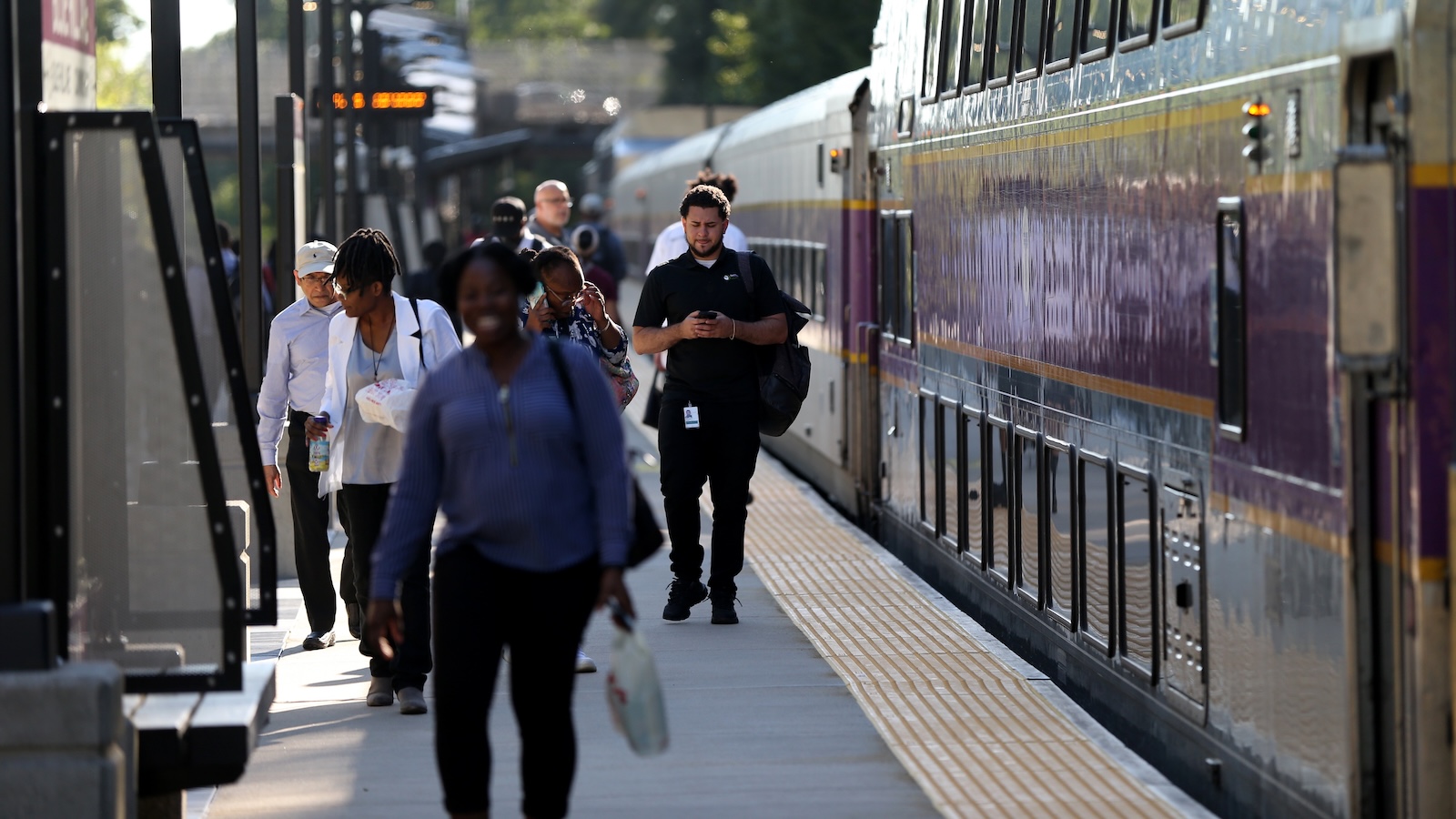
For nearly three decades, Marvin Martin, a longtime resident of the Four Corners neighborhood in Dorchester, watched as commuter trains on the Fairmount Line bypassed his community. These trains, which ferried passengers into downtown Boston, often served as a visible reminder of the disparities in transit accessibility. For residents of Dorchester and Mattapan—communities predominantly home to people of color—the commuter rail was not a bridge to opportunity, but a barrier. Today, that narrative is shifting as the Massachusetts Bay Transportation Authority (MBTA) moves toward a landmark electrification project that promises to replace aging diesel locomotives with a fleet of battery-powered trainsets, marking a significant victory for local advocates and a milestone in urban environmental policy.
The planned $765 million initiative involves a 15-year lease for seven four-car battery-powered trains manufactured by the Swiss company Stadler. Scheduled for deployment in 2030, this transition represents more than just a technological upgrade; it is the culmination of a grassroots movement that began in 1995 when Martin and a coalition of community members first pressured the MBTA to provide equitable service. Their persistence resulted in the addition of four stations across Dorchester and Mattapan between 2012 and 2019, but the push for electrification remained a primary goal to address the health and environmental burdens of diesel exhaust.
A Chronology of Advocacy and Infrastructure
The evolution of the Fairmount Line serves as a case study in the intersection of civil rights and transit planning. Throughout the mid-1990s, the "T," as the MBTA is colloquially known, prioritized regional commuter lines serving wealthier suburbs, often leaving the Fairmount corridor—a 10-mile stretch running through some of Boston’s most densely populated and historically marginalized neighborhoods—underutilized.
- 1995: Marvin Martin and community organizers launch a formal campaign demanding better service and greater accessibility on the Fairmount Line.
- 2012–2013: After years of advocacy, the MBTA opens three new stations in Dorchester, signaling a shift in policy toward serving local riders rather than just suburban commuters.
- 2019: The fourth station is opened in Mattapan, solidifying the line’s role as a vital urban transit artery.
- 2024: The MBTA formalizes plans for the $765 million procurement of battery-electric trains, targeting a 2030 launch.
This timeline illustrates a fundamental change in how the MBTA views the Fairmount Line. Once treated as a pass-through route for freight and distant commuters, it is now being reimagined as a high-frequency, clean-energy urban rail line. By increasing service frequency from 30 minutes to 20 minutes, the agency aims to turn the line into a "regional rail" model, providing a level of reliability that could significantly reduce reliance on private vehicles and overcrowded bus routes.
The Technology of Transformation
The shift to battery-powered rail (BEMUs) offers a unique solution to a classic engineering challenge. Historically, electrifying rail lines required the installation of expensive and complex overhead catenary systems. These systems are not only costly to construct but also require extensive land rights and long-term maintenance. Battery-powered trains provide an alternative, allowing transit agencies to decarbonize without the immediate need for infrastructure-heavy electrification.
However, the technology is not without its skeptics. Chris Friend, interim executive director of the transit advocacy group TransitMatters, notes that while the Fairmount Line is an ideal pilot project due to its status as the shortest route in the T’s commuter network, the technology remains in its infancy regarding high-capacity urban transit. "Is this the thing, or are we going to end up in another quagmire of an unproven technology?" Friend asked.
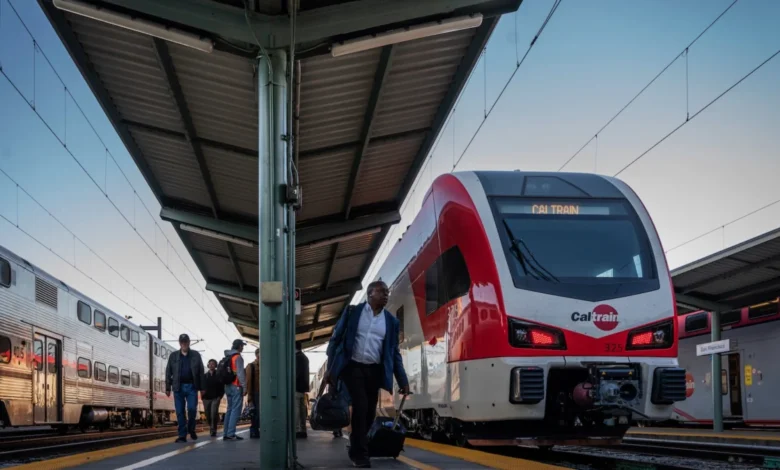
To mitigate these risks, the MBTA is adopting a cautious, phased approach. The 15-year lease agreement allows the agency to gain operational experience with Stadler’s battery-electric technology. This "test-bed" strategy is being mirrored by other major transit agencies, including Metra in Chicago and Caltrain in the San Francisco Bay Area, both of which are exploring battery-electric sets to bridge the gap between diesel dependency and full-grid electrification.
Environmental and Health Implications
The environmental impact of this project is projected to be substantial. The MBTA estimates that switching to electric propulsion will eliminate 17,700 tons of carbon dioxide emissions annually. Beyond climate goals, the immediate public health benefits for the residents of Dorchester and Mattapan are profound. Diesel engines emit particulate matter (PM2.5) and nitrogen oxides, which are linked to respiratory illnesses and cardiovascular conditions.
Research from other regions underscores the potential for rapid improvement. When Caltrain transitioned to electric power on its San Francisco-to-San Jose route, air quality studies led by Joshua Apte of the University of California, Berkeley, revealed an 89 percent reduction in black carbon exposure for riders. Such gains are historically comparable to decades of stringent air quality regulations. By removing diesel engines from the urban core, the MBTA project is expected to deliver a localized health dividend to communities that have historically suffered from the highest levels of transportation-related pollution.
Historical Context: The Return to Electric Rail
The irony of the current transition is that Boston is actually returning to its roots. In 1889, the city launched its first electric streetcar, and by the end of the 19th century, the Tremont Street Subway—the predecessor to the modern Green Line—became the first electric subway in North America.
History professor Albert Churella of Kennesaw State University notes that the late 19th and early 20th centuries were defined by an infatuation with the "unlimited potential" of electricity. Steam, while powerful, was dirty and dangerous in tunnels, necessitating the move to electric motors. However, the subsequent rise of the automobile and the dominance of major freight railroads led to a decline in passenger rail investment. Diesel-electric locomotives became the industry standard post-World War II because they offered a cheaper, flexible alternative to the massive capital investment required for overhead electric wires.
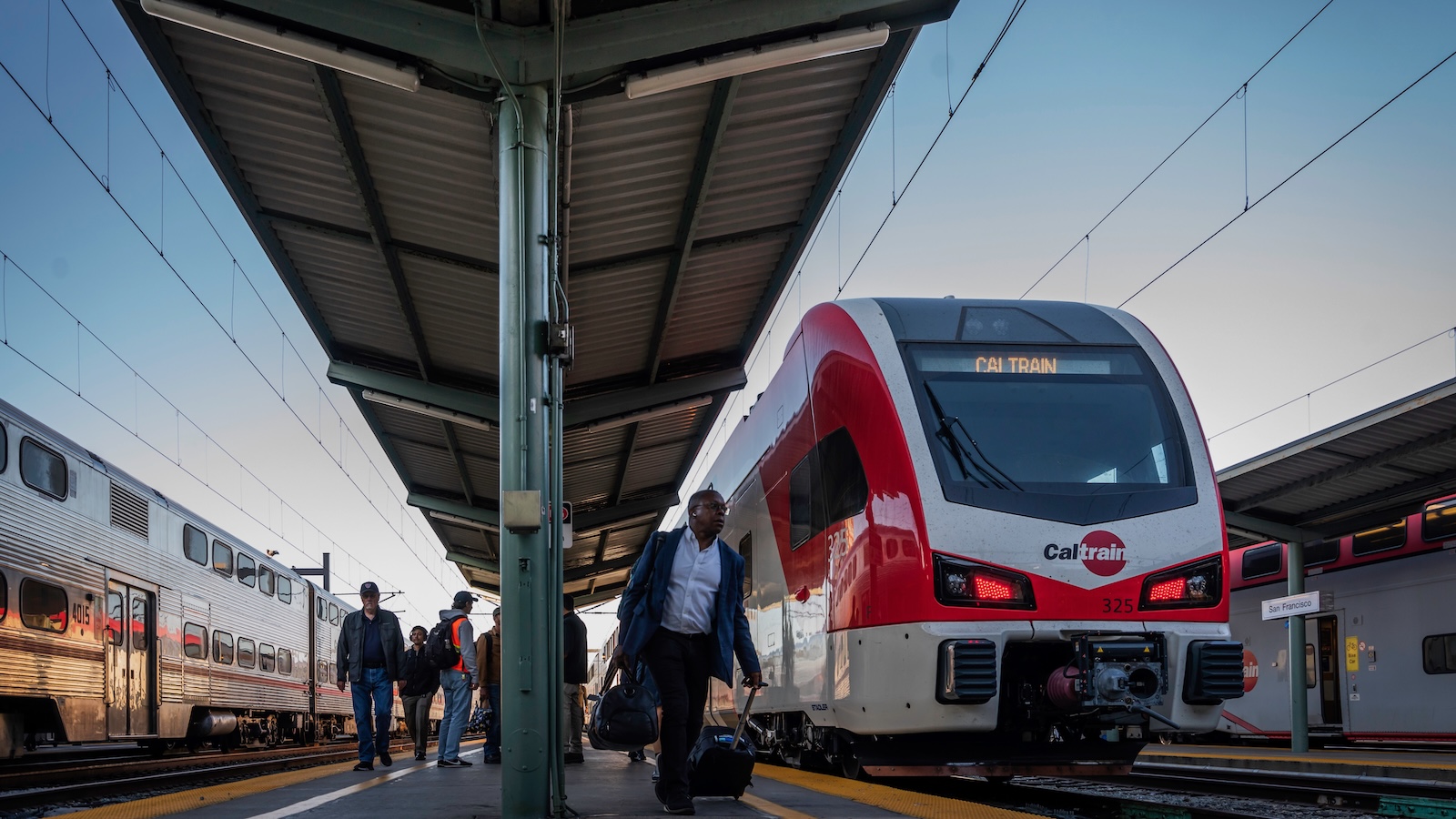
Today, the pendulum is swinging back. As fuel prices fluctuate—with diesel costs reaching historic highs—and the climate crisis intensifies, the economic and environmental case for electrification has moved from a "luxury" to a "necessity." According to Dani Simons, a representative for the rail manufacturer Alstom, the global move toward electrification is being driven by both public policy mandates and the operational efficiency of electric motors. "Transit agencies should be pursuing electrification in all its forms," she said, noting that while battery technology is ideal for medium-density routes, diesel-electric hybrids and catenary lines remain critical tools in the broader portfolio of modern transit.
The Road Ahead: Challenges and Successes
Despite the optimism surrounding the 2030 launch, the project faces hurdles. The integration of new technology into an existing rail system requires rigorous safety testing, specialized maintenance facilities, and updated training for mechanical staff. There is also the matter of cost; at $765 million, the lease is a significant commitment of taxpayer funds.
Yet, for advocates like Martin, the cost is secondary to the quality of life for the residents of the Four Corners area. For three decades, he has been a consistent voice at public hearings, community board meetings, and transit planning sessions. His retirement as head of Action for Equity does not signal an end to his involvement; rather, it marks a transition from a decades-long struggle to the beginning of a tangible outcome.
"We want a train that would not be spewing a bunch of toxic particulates into the air," Martin said, reflecting on the original mission that fueled his activism. He acknowledges that the transition will take time and that the neighborhood will continue to live with diesel trains until the new fleet arrives. However, the promise of a quiet, clean-running train is no longer a speculative dream but a contractually obligated reality.
As the MBTA prepares to finalize its procurement and begin the integration of the Stadler fleet, the Fairmount Line project serves as a template for other American cities. It demonstrates that transit equity is not solely about the presence of a station, but about the quality of the service provided to the people who use it most. By modernizing a route that was once overlooked, Boston is not only improving its transit infrastructure but is also correcting a long-standing environmental injustice. For Marvin Martin and the residents of the Fairmount corridor, the future of rail is finally arriving, one electric charge at a time.
Related posts: