The Green Glacier: Why Invasive Trees Are Quietly Consuming America’s Last Great Grasslands

To understand the existential threat facing the Nebraska Sandhills, one must view the landscape from an altitude of several thousand feet. From the cockpit of a light aircraft, the 19,500-square-mile expanse of the Sandhills appears as a vast, undulating sea of grass, punctuated by serpentine rivers and the occasional grazing herd. Yet, a closer inspection reveals a creeping, dark pattern: groves of eastern red cedar (Juniperus virginiana) are migrating out of designated windbreaks and colonizing the open range. This phenomenon, known as woody encroachment, is being described by ecologists and conservationists as a “green glacier”—a slow-moving but relentless environmental transformation that threatens to permanently alter the biodiversity, water security, and economic viability of the Great Plains.
For generations, the culture of the Plains has been defined by a deep-seated affection for trees. Settlers arriving under the Homestead Act of 1862 and the Kinkaid Act of 1904 were often required to plant trees to prove land cultivation, earning Nebraska its historical moniker, the “Tree Planter State.” Today, however, that legacy has curdled into an ecological crisis. As these ornamental windbreaks—originally intended to protect calving heifers from biting winds—begin to seed spontaneously, they are turning functional rangelands into dense, unproductive woodlands.
The Economic and Ecological Cost of Encroachment
The encroachment is not merely a matter of aesthetic preference; it represents a significant economic drain on the agricultural sector. According to data from the Texas A&M AgriLife Extension, woody encroachment across the ten Great Plains states results in an estimated $4 billion in annual lost range production. When invasive cedars take hold, they outcompete the native grasses that sustain cattle, effectively shrinking the grazing footprint of ranchers.
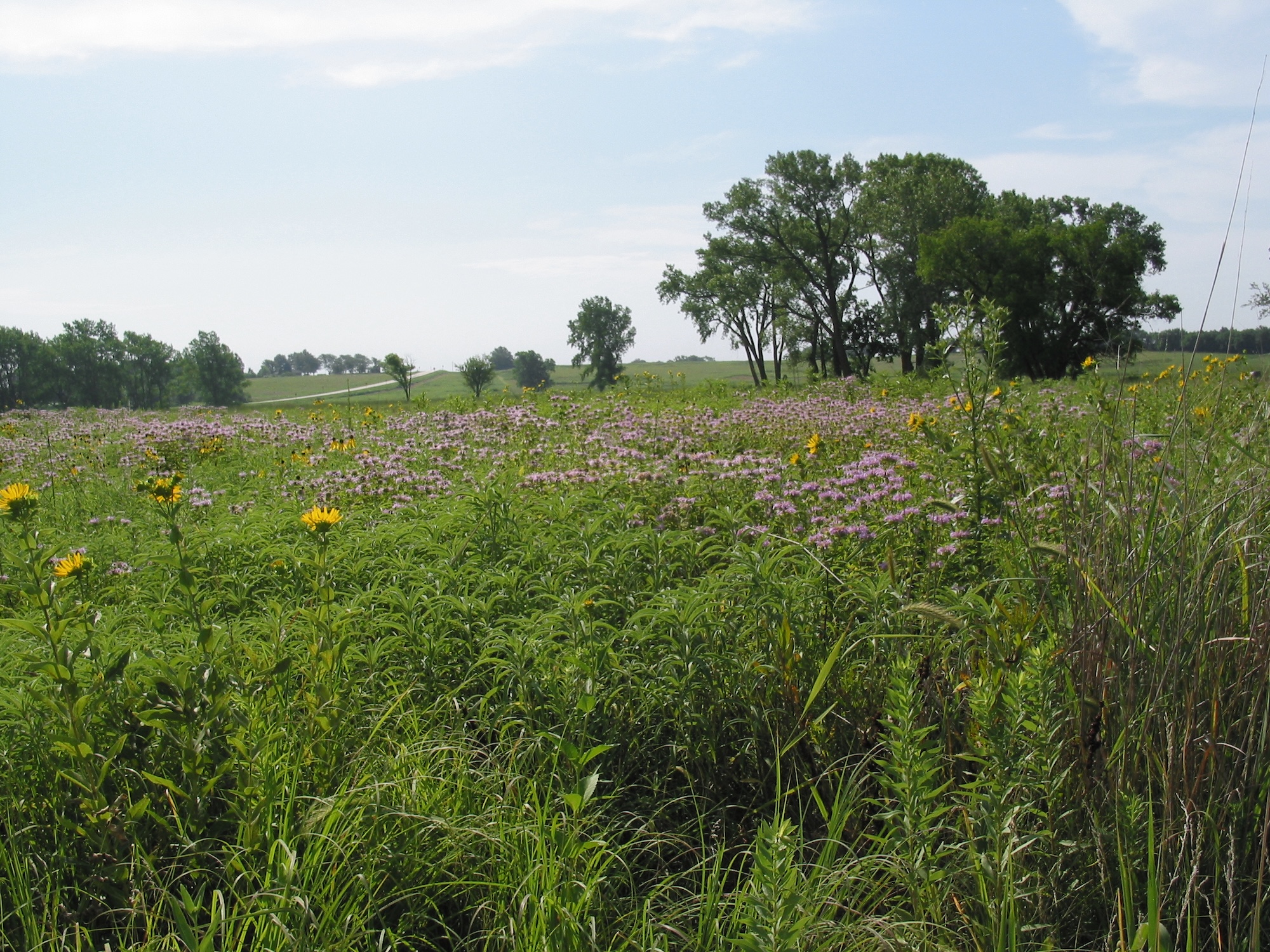
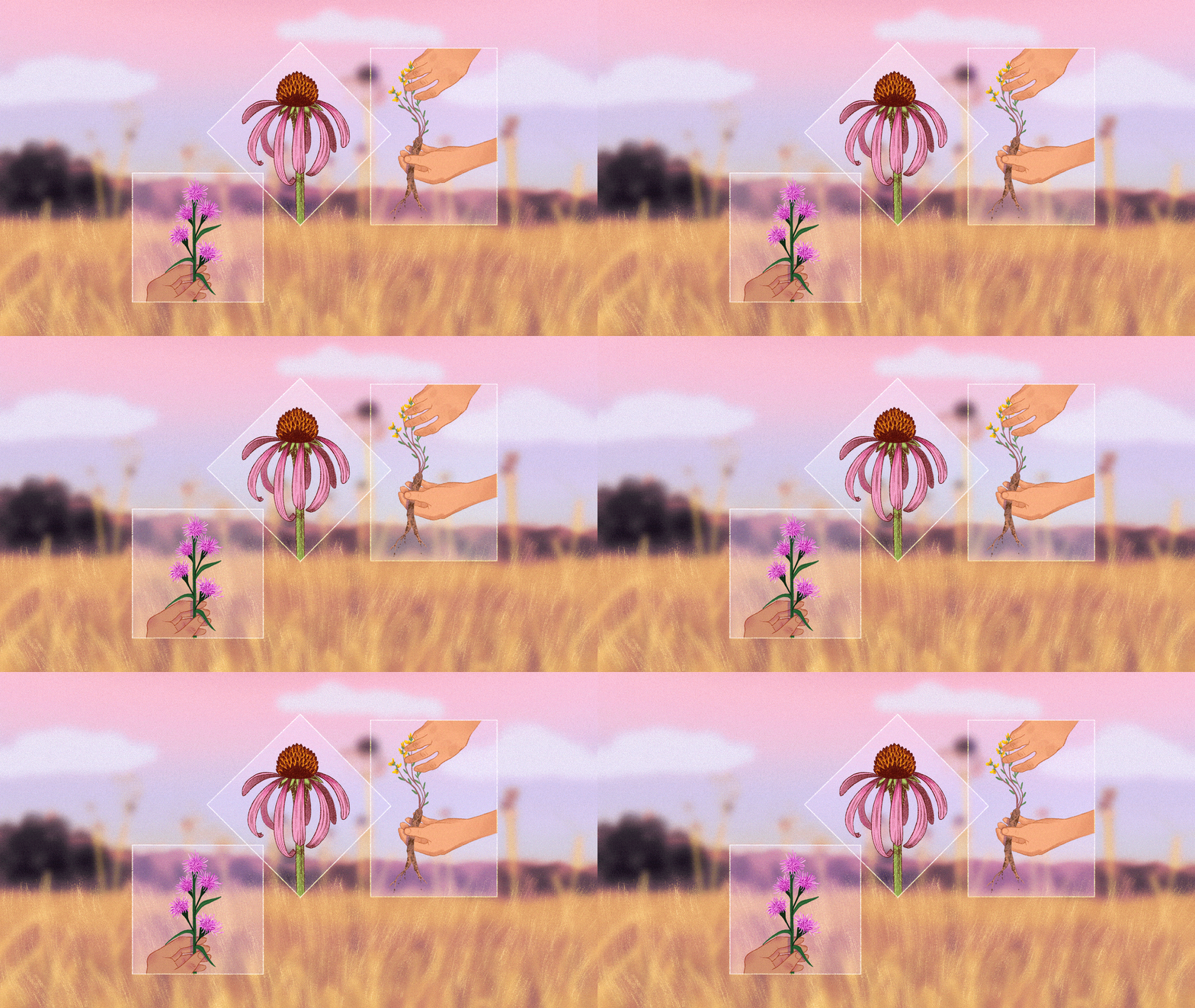
Beyond the ranching economy, the ecological implications are profound. Native prairies are masterworks of evolutionary resilience. Certain native grasses boast root systems extending up to 20 feet underground, allowing them to remain vibrant during severe droughts and sequester massive amounts of carbon. In contrast, eastern red cedars are notoriously thirsty. As they expand from the wetter eastern prairie states into the arid western regions, they place an immense strain on already stressed water tables.
Furthermore, the conversion of grassland to woodland triggers a collapse in biodiversity. The insects, migratory birds, and small mammals that have evolved alongside the prairie for millennia rely on open, treeless spaces. When these habitats are fragmented by tree cover, the specialized species that define the Plains’ ecosystem begin to vanish.
A History of Suppression and Succession
The prairie landscape is not static; it is a fire-dependent ecosystem. Historically, natural wildfires and intentional burns conducted by Indigenous peoples kept the woody encroachment in check. These fires cleared away saplings before they could develop the thick, protective bark that renders them fire-resistant in maturity.
The suppression of fire, which became a standard management practice in the mid-20th century, inadvertently created the perfect conditions for woody species to thrive. When fire is removed from the equation, and when overgrazing by cattle removes the grassy competition that would otherwise crowd out tree seedlings, the red cedar faces no biological hurdles to its expansion.
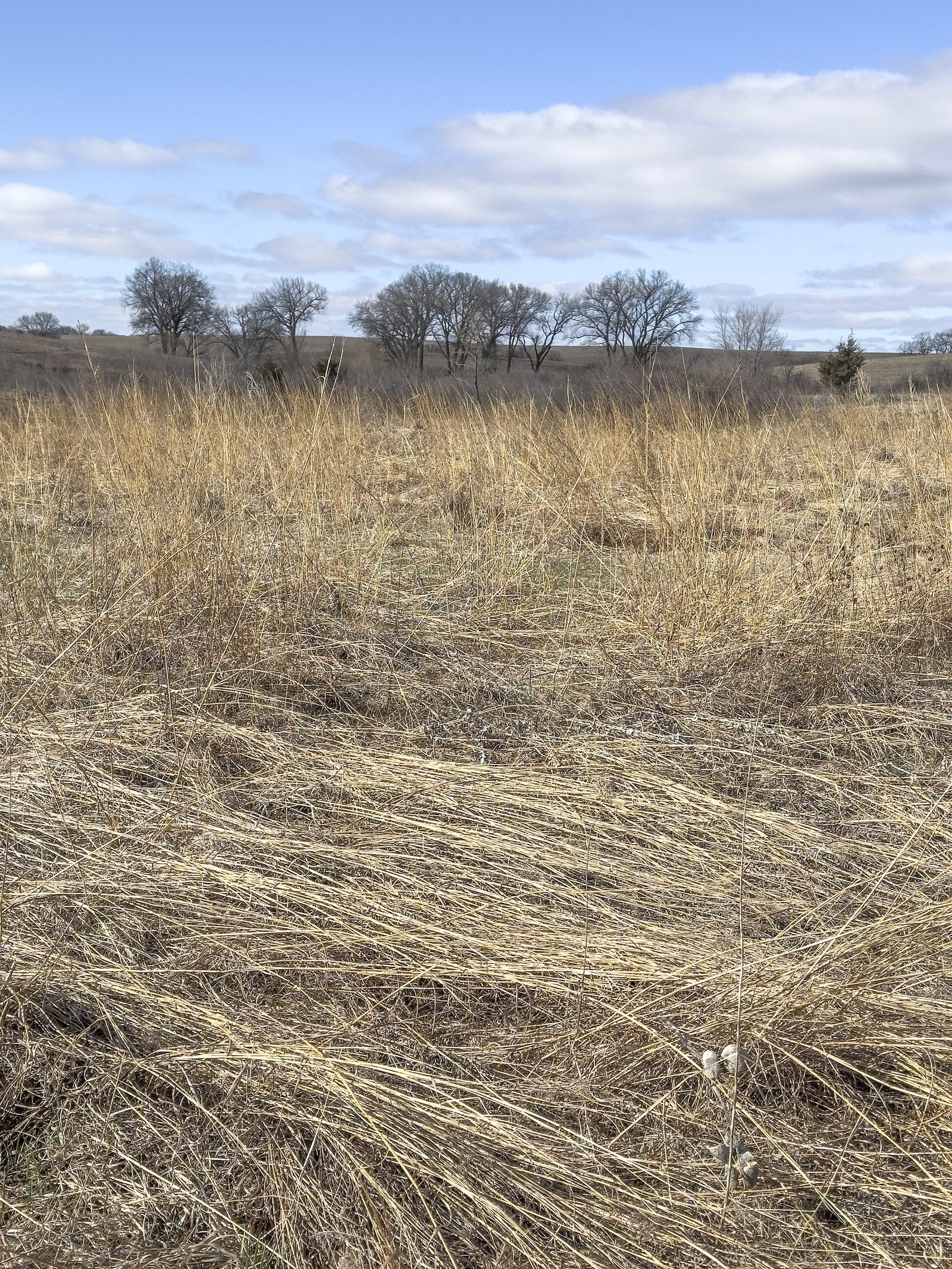
The "culture of fire" is, however, beginning to see a resurgence. Organizations like The Nature Conservancy are actively advocating for a return to prescribed burns. Brian Obermeyer, the Conservancy’s Great Plains grasslands strategy director, notes that in regions like the Flint Hills of Kansas and the Osage Hills of Oklahoma, a longstanding tradition of burning has kept the tallgrass prairie intact. In some instances, historical records reveal lease contracts dating back to 1915 that explicitly required regular burning to ensure cattle had access to the nutrient-dense, tender grasses that sprout in the wake of a fire.
The Carbon Sink Debate
For years, the mainstream environmental narrative has championed tree planting as the primary solution for carbon sequestration. However, emerging research suggests this strategy may be counterproductive in grassland ecosystems. Unlike forests, where carbon is stored primarily in trunks and leaves—making it vulnerable to release during wildfires—grasslands store the vast majority of their carbon safely underground within their deep, resilient root systems.
"Grasslands can be a more secure carbon sink than forests," says Chris Helzer, the Nebraska director of science and stewardship for The Nature Conservancy. When forests burn, the carbon is released into the atmosphere, and it can take decades for the biomass to return to its previous storage capacity. Conversely, a burned prairie recovers in a matter of weeks, with the carbon-rich soil remaining largely undisturbed.
Additionally, climate change may be providing an unintended advantage to woody plants. Research published in the journal Environmental Health Sciences indicates that increased atmospheric carbon dioxide levels may benefit woody species, which utilize a different photosynthetic pathway than grasses, allowing them to grow more efficiently in warmer, carbon-saturated, and dry air. This efficiency, while seemingly positive, ultimately accelerates the loss of the prairie biome.

Bridging the Cultural Divide
The effort to reverse woody encroachment is as much a social challenge as it is a biological one. Shelly Kelly, executive director of the Sandhills Task Force, recognizes that for many ranchers, the act of planting trees is tied to a sense of heritage and stewardship. Changing this mindset requires a shift in how the community views the prairie. "We’re not talking about trees being bad everywhere," Kelly explains. "But trees are not good on a prairie, especially invasive trees."
The Sandhills Task Force has been instrumental in bridging this gap by providing financial incentives for cedar removal. Through various grants, the organization helps ranchers cover up to 75 percent of the costs associated with clearing encroaching cedars. This funding is stimulating a nascent industry of land-clearing professionals, helping to turn the tide against the "green glacier."
However, government policy remains conflicted. While some agencies offer funds to restore rangeland, others continue to subsidize tree-planting programs. The irony is not lost on conservationists, who are calling for more coherent, science-based land management policies that prioritize the restoration of existing grasslands over the indiscriminate planting of trees.
A Path Forward: Rewilding and Management
The future of the High Plains depends on a delicate balance. A non-interventionist "hands-off" approach is no longer viable, as the ecosystem has been too heavily altered by human activity. Instead, the focus has shifted toward active management: a combination of targeted grazing, prescribed burning, and, where appropriate, the reintroduction of bison.

Efforts led by the InterTribal Buffalo Council and the Tanka Fund are currently working to return bison to the Plains, restoring a keystone species that helps maintain the health of the prairie. By mimicking the grazing and movement patterns of historical herds, these initiatives help create a landscape that is resistant to woody takeover.
Despite the loss of roughly 96 percent of North America’s original tallgrass prairie, there is a growing sense of optimism among those on the front lines. The increasing recognition of the prairie’s value—not just as land for grazing, but as a critical, high-functioning ecosystem—is fueling a new wave of conservation activism.
"We can’t lose sight of the fact that we have a tremendous amount that we have the chance to preserve," says Obermeyer. "We have a lot of opportunities to get this right."
As the sun sets over the Sandhills, the silhouettes of cedars along the fencelines serve as a stark reminder of the encroaching threat. Yet, for every cedar cut down, a patch of prairie is reclaimed. The battle against the green glacier is a long-term endeavor, one that requires a synthesis of ancestral knowledge, modern ecological science, and a fundamental reassessment of what it means to be a "good steward" of the American landscape. The preservation of the High Plains is not merely about saving grass; it is about protecting the resilience and the future of an entire continent’s biological foundation.