Paramount Global Prepares for NYSE Migration as $111 Billion Merger with Warner Bros. Discovery Nears Final Closing

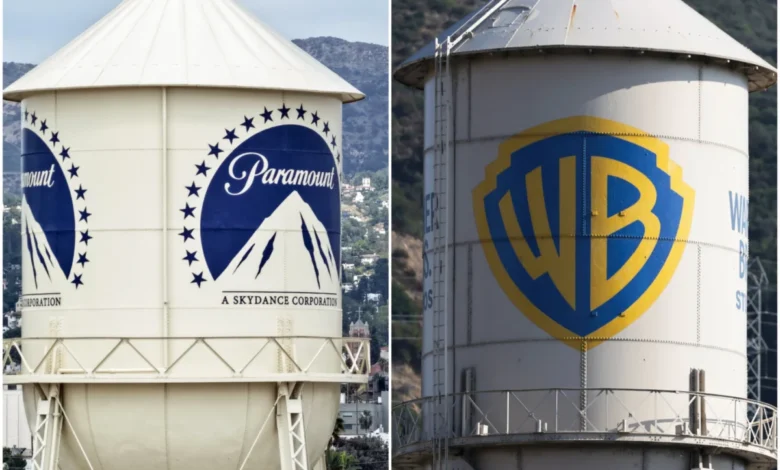
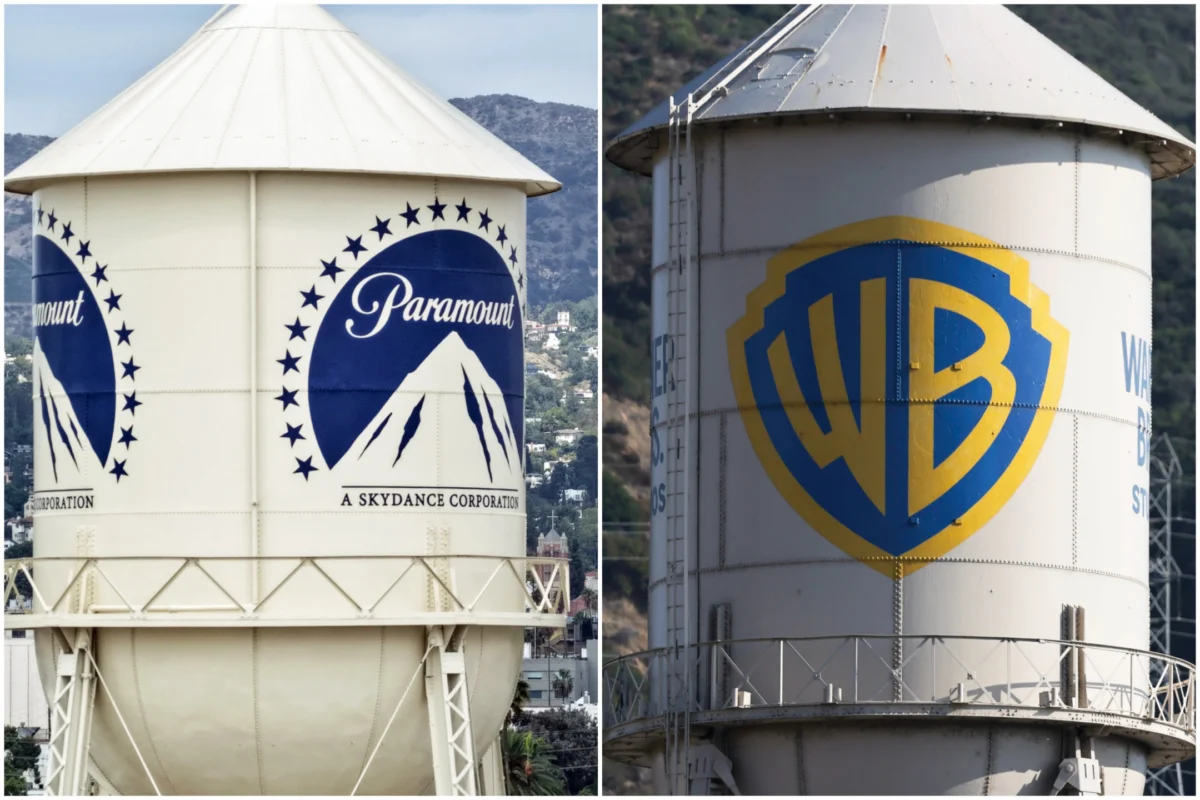
The landscape of American media is poised for a seismic shift as Paramount Global navigates the final regulatory and procedural hurdles required to finalize its $111 billion merger with Warner Bros. Discovery. While the deal remains subject to specific closing conditions, the company has begun the methodical process of realigning its corporate structure and market presence to facilitate what would be one of the largest media consolidations in modern history. As part of this transition, Paramount has officially signaled its intent to depart the Nasdaq Global Select Market in favor of the New York Stock Exchange, a symbolic and strategic move that mirrors the company’s broader efforts to streamline operations ahead of its integration with the Warner Bros. Discovery portfolio.
The Strategic Migration to the NYSE
In an SEC filing submitted on Friday, Paramount’s board of directors announced that on September 25, the company resolved to voluntarily withdraw its Class B common stock—currently trading under the ticker symbol "PSKY"—from the Nasdaq. This transition is slated to conclude at the market close on or about October 5, with trading expected to commence on the New York Stock Exchange on October 6.
This shift is more than a mere administrative change of venue. For institutional investors and long-term shareholders, the move to the NYSE is often viewed as a maturation step for a corporation entering a period of massive restructuring. By moving to the Big Board, Paramount aims to stabilize its equity profile as it prepares for the potential issuance of new warrants and the complex integration of the Warner Bros. Discovery asset base.
Chronology of the Merger and Legal Hurdles
The path to this merger has been fraught with intense regulatory scrutiny. For months, the deal faced significant opposition from state-level authorities concerned about market concentration and the potential for reduced competition in the entertainment sector. A critical breakthrough occurred this past week when Paramount successfully reached a settlement with a coalition of 12 Democratic state attorneys general. This agreement, currently awaiting final approval from the presiding judge, would effectively neutralize the antitrust lawsuit that had threatened to derail the transaction.
However, the legal environment remains cautious. The presiding judge has requested that all parties file a response by Monday, September 28, to address a motion submitted by Sen. Cory Booker (D-N.J.). Senator Booker has formally requested that the court mandate an independent review of the proposed consent decree, arguing that the merger’s impact on media diversity and consumer pricing warrants a higher level of scrutiny than is typical in standard corporate acquisitions. While Paramount has maintained that the current settlement requires no major concessions, the court’s decision on this review could still influence the ultimate timeline for the merger.
Financial Mechanics and the Ticking Fee
One of the most notable features of the merger agreement is the inclusion of a "ticking fee" designed to incentivize the swift completion of the deal. Starting October 1, Paramount will begin accruing a $7-million-per-day fee payable to Warner Bros. Discovery shareholders. This financial pressure serves as a potent reminder that the window for final regulatory approval is rapidly closing.
The complexity of the deal is further underscored by the proposed distribution of warrants. Paramount plans to issue approximately 470 million warrants to eligible holders of its existing Class B common stock. These warrants are intended to provide shareholders with an opportunity to purchase shares in the newly combined entity on terms comparable to those secured by the equity syndicate backing the deal, which includes industry heavyweights David Ellison, Larry Ellison, and RedBird Capital Partners’ Gerry Cardinale.
According to the terms disclosed by Paramount, each warrant will initially entitle the holder to purchase one share of Class B common stock. The exercise price will be determined by the average of the daily volume-weighted average price (VWAP) over a 20-trading-day period leading up to the closing. To protect against extreme volatility, the company has set a floor of $12.00 per share and a ceiling of $16.02 per share.
Contingency Planning and Shareholder Protections
Paramount has been careful to emphasize that the warrant distribution is strictly contingent upon the successful closing of the Warner Bros. Discovery acquisition. The company’s SEC filings explicitly state that if the closing conditions are not met or if the timeline shifts, the board reserves the right to cancel or postpone the record date and the issue date for these warrants.
This level of contingency is standard in deals of this magnitude, where the interplay between stock exchanges, regulatory approvals, and shareholder equity requires a high degree of flexibility. Meanwhile, Warner Bros. Discovery has signaled its own internal alignment by announcing its intent to voluntarily delist its "Euro Notes"—specifically the 4.302% senior notes due 2030 and 4.693% senior notes due 2033—from the Nasdaq. This filing, expected on or around October 6, is part of the broader effort to consolidate debt instruments and unify the financial reporting structure of the future parent organization.
Market Implications and Industry Context
The consolidation of Paramount and Warner Bros. Discovery represents a defensive play in an industry facing existential challenges. With the rise of streaming services, the decline of linear television revenue, and the increasing cost of high-quality content production, the scale provided by this merger is intended to create a more resilient, diversified media giant.
By pooling their intellectual property—ranging from Paramount’s iconic film library and CBS to Warner Bros.’ extensive studio operations and cable networks—the combined entity aims to achieve significant cost synergies. Analysts suggest that the potential for overhead reduction, combined with a more powerful bargaining position in advertising and distribution negotiations, could provide the combined company with the necessary capital to pivot toward a more sustainable digital-first future.
However, the implications for the labor force and creative talent remain a subject of intense speculation. Historically, mergers of this size have resulted in significant workforce reductions as the new management looks to eliminate redundant administrative and operational roles. While leadership teams have emphasized the growth potential of the combined assets, the market will be watching closely to see if these promises of synergy translate into actual value for shareholders or if the integration process proves too cumbersome to generate immediate returns.
The Role of the Equity Syndicate
The involvement of the Ellison family and RedBird Capital Partners signals a clear shift in the corporate governance trajectory of the combined firm. These stakeholders have been instrumental in pushing for a modernization of the business model, moving away from legacy media structures toward a more agile, tech-forward approach. The warrant structure, which mirrors the terms offered to these backers, is designed to align the interests of legacy shareholders with the vision of the new leadership team.
By ensuring that retail and institutional investors alike have a path to participate in the "new" entity on terms defined by the primary investors, the company hopes to maintain shareholder confidence during what will inevitably be a period of significant volatility.
Looking Toward the Horizon
As the October deadlines approach, the industry is bracing for the final act of this protracted corporate drama. If the court approves the settlement with the state attorneys general and the remaining closing conditions are met, the transition to the NYSE on October 6 will mark the beginning of a new chapter for both companies.
The success of this merger will likely serve as a litmus test for future media consolidations. As regulators continue to monitor the impact of media ownership on the public discourse, the ability of Paramount and Warner Bros. Discovery to close this deal without further government interference will be a significant indicator of the current regulatory environment’s tolerance for large-scale media integration.
For now, investors, analysts, and employees remain in a state of watchful anticipation. The shift to the NYSE, the upcoming warrant distribution, and the ongoing ticking fee all underscore the urgency and the scale of the endeavor. While the final closing remains "not yet certain," the infrastructure for the merger is now firmly in place, and the market is preparing for a new entity that will undoubtedly reshape the competitive landscape of the global entertainment sector for years to come.