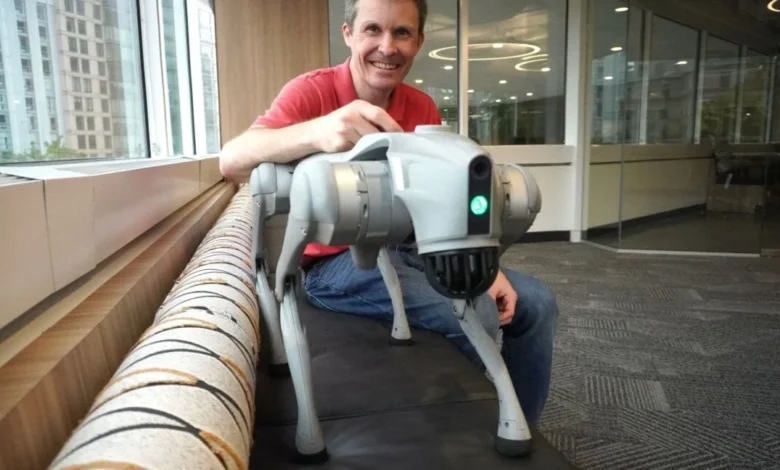
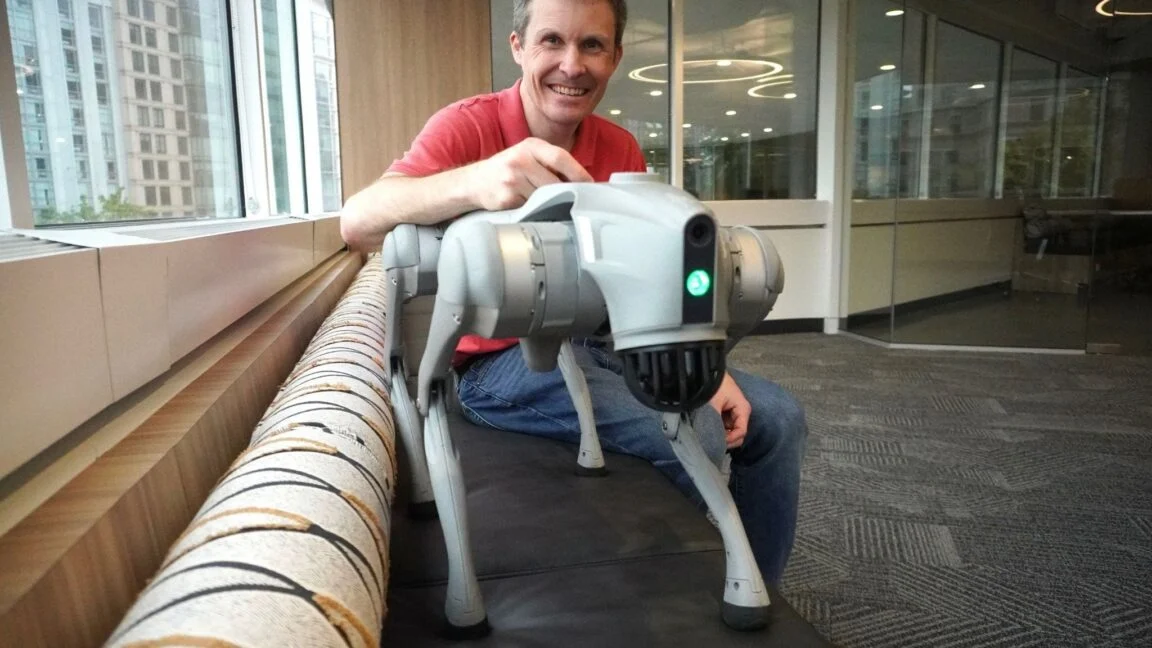
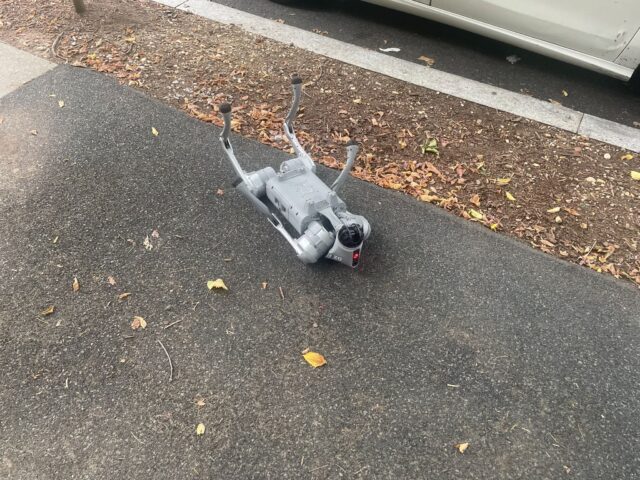
This commute, spanning two miles from the leafy Mount Pleasant neighborhood to an office near the White House, served as a real-world test for a device designed for research and consumer curiosity. While the downhill morning walk proved effortless for the robot, the return trip highlighted the limitations of current consumer-grade robotics. Navigating a steep incline in 87°F (30°C) heat pushed the hardware to its thermal and energy limits. By the time the robot reached the user’s doorstep, internal telemetry indicated a critical 5 percent battery level and an alarming internal temperature of 84°C (183°F), culminating in a sudden, ungraceful collapse onto its back.
The Evolution of Quadrupedal Locomotion
To understand the significance of this event, one must look at the trajectory of robotics over the last decade. Historically, quadrupedal robots were the exclusive domain of elite research institutions and well-funded military contractors. Companies like Boston Dynamics, led by industry pioneer Marc Raibert, set the gold standard with projects like BigDog and WildCat. However, these early iterations were hampered by reliance on noisy, polluting gasoline engines and complex hydraulic actuators, rendering them impractical for everyday applications.
In 2016, a pivotal moment occurred when Wang Xingxing, a graduate student at Shanghai University, unveiled his master’s thesis project: a prototype called XDog. Inspired by the academic papers published by Boston Dynamics, Wang aimed to pivot from industrial-scale machines to smaller, electric-driven quadrupeds. That same year, he founded Unitree Robotics, setting a course to disrupt the market by emphasizing mass-producible, electric-actuated designs.
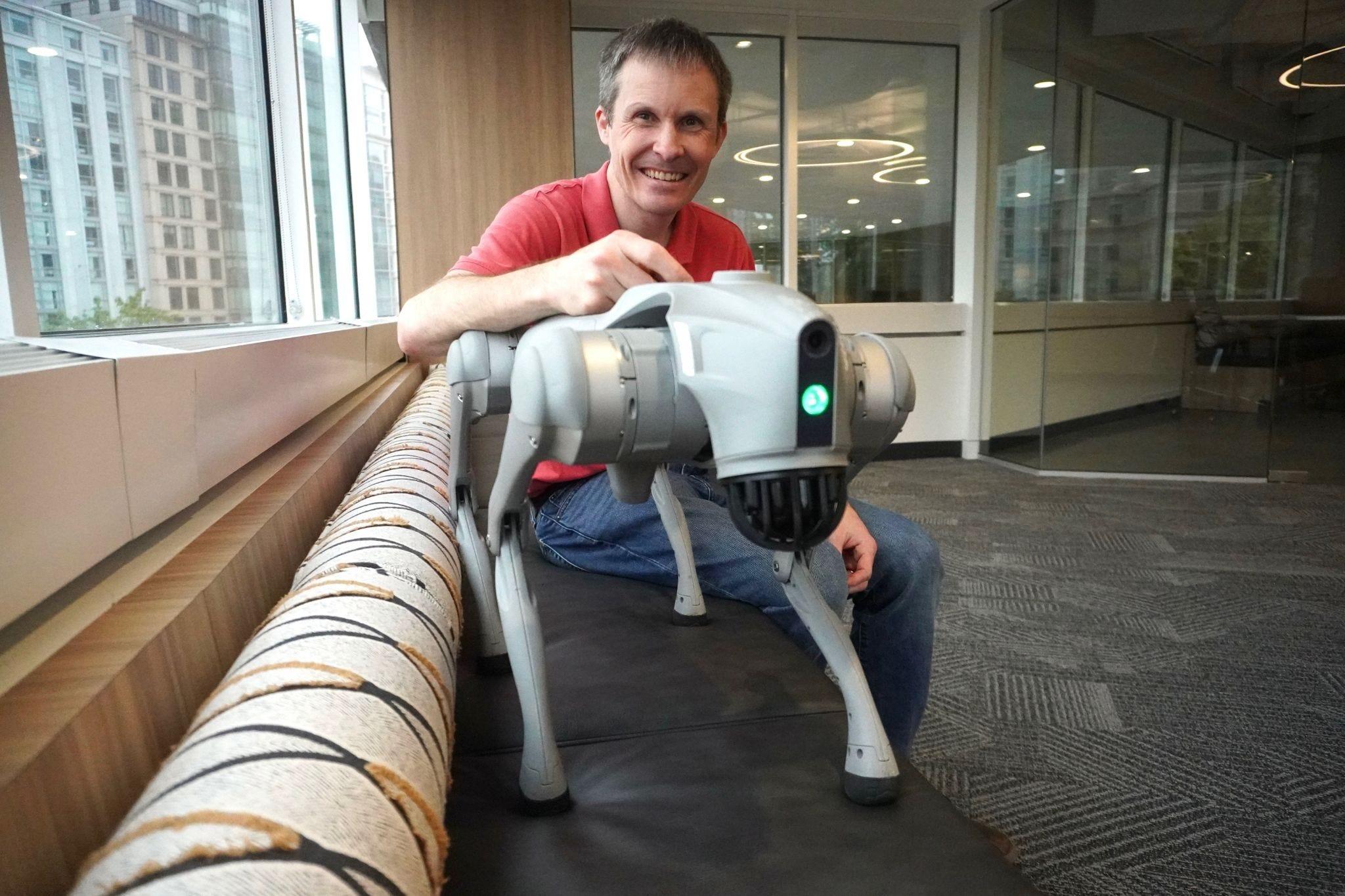
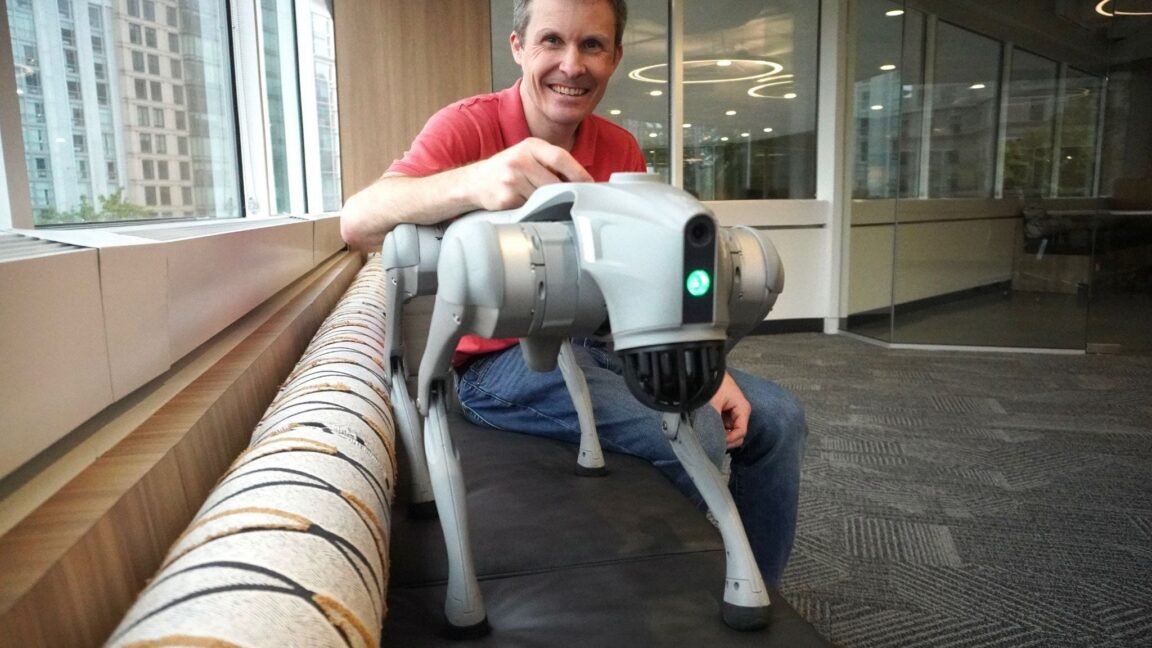
While Boston Dynamics eventually unveiled the electric Spot robot in 2016, it did not reach the commercial market until 2020, with a price point starting at $75,000. This created a massive vacuum in the market. Unitree seized this opening, launching a series of research-oriented products—Laikago in 2017 and AlienGo in 2019—before finally hitting the consumer market in 2021 with the Go1. By the time the Go2 was released in 2023, the entry price had plummeted to $1,600, making the technology accessible to a much broader demographic.
The Economics of Democratized Robotics
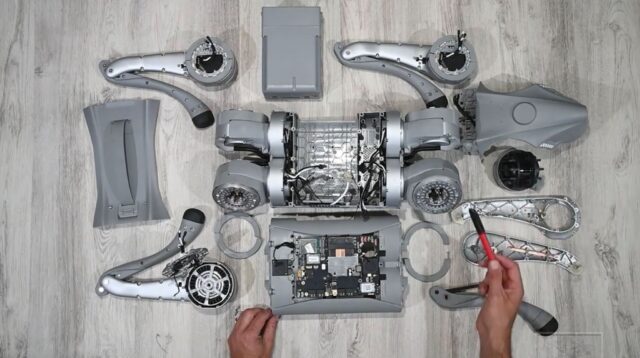
The shift toward affordability is not merely a result of scaling production; it is a fundamental redesign of the robotics philosophy. As mechanical engineer Luis Elenes of Simplexity noted after a teardown of the Go2, the secret to Unitree’s price point lies in extreme component reuse. By utilizing identical motors across all four legs and simplifying the gear ratios, Unitree has managed to reduce part counts and manufacturing complexity significantly.
Traditional industrial robots often utilize high-ratio gearboxes, such as 51:1, to achieve extreme precision. While this provides accuracy, it adds cost and reduces "backdriveability," or the ability for the robot to yield gracefully to external physical forces. Unitree, conversely, employs a 6.33-to-1 gearbox paired with larger, more powerful motors. This design choice makes the robots more nimble and dynamic, relying on modern control software to compensate for the lack of mechanical precision. This software-centric approach allows for fluid motion—like the Go2’s signature handstands—at a fraction of the cost of traditional industrial hardware.
From Quadrupedal Success to Humanoid Dominance
The success of the quadruped line served as a necessary foundation for Unitree’s expansion into the humanoid sector. In 2023, the company launched the H1, followed quickly by the more capable G1. With consumer versions of the G1 now starting at $13,500, Unitree has effectively upended the expectation of what a humanoid robot should cost.
Financial data underscores the velocity of this shift. In 2025, Unitree’s revenue from humanoids reached RMB 867 million (approximately $129 million), an eightfold increase from the previous year. Humanoid platforms now account for over 50 percent of the company’s total revenue. Analysts at SemiAnalysis have drawn clear parallels between Unitree’s current trajectory and that of DJI, the drone manufacturer that transformed aerial photography from a niche industry into a mass-market utility. Just as DJI brought flight controllers and gimbals in-house to slash costs, Unitree is now producing its own motors, gearboxes, and lidar sensors, effectively insulating itself from external supply chain volatility.
Geopolitical and Regulatory Implications
This rapid advancement has not gone unnoticed by global policymakers. In June, a bipartisan group in the U.S. House of Representatives introduced legislation aimed at restricting the importation of Chinese-manufactured robots, specifically citing Unitree in related press materials. Furthermore, the Federal Communications Commission (FCC) has implemented new, broader regulations regarding foreign-made robotics, reflecting a growing concern over the security implications of advanced AI-driven hardware.
These restrictions echo the ongoing friction surrounding the electric vehicle market, where leaders like BYD have faced significant trade barriers in the United States while continuing to capture market share in Europe, Asia, and Latin America. Experts argue that while these policies may be intended to protect domestic industries, they carry the risk of isolating the U.S. from the global robotics standard. If the international market adopts Unitree’s affordable platforms, the U.S. could find itself playing catch-up, as local manufacturers struggle to match the economies of scale achieved by their Chinese counterparts.
Challenges and Future Outlook
Despite the excitement, the reality of current robotics remains imperfect. As demonstrated by the mid-commute collapse of the Go2 Pro, these devices still face significant "growing pains." Buggy software, inconsistent tracking, and thermal management issues remain persistent hurdles. Unitree’s robots are not yet sophisticated enough to perform complex household chores, nor are they as durable as the higher-priced alternatives from legacy firms.

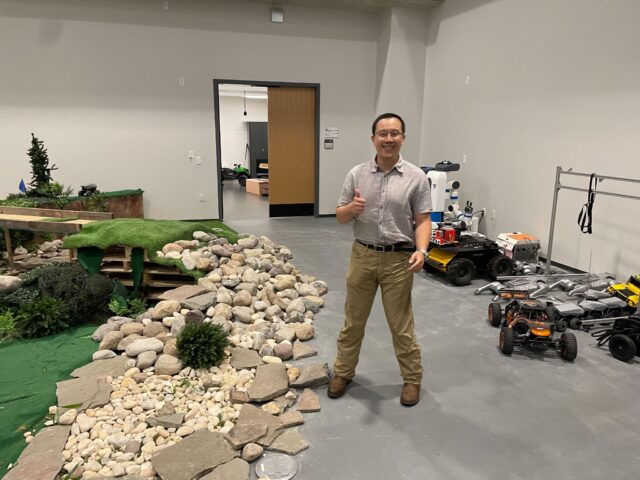
However, historical precedent suggests that the first iteration of a technology rarely needs to be perfect—it only needs to be affordable enough to gain a foothold. By placing hardware in the hands of thousands of researchers, students, and enthusiasts, Unitree is fostering a massive, decentralized development ecosystem. As these robots become more ubiquitous in labs like those at George Mason University, the software stack will inevitably mature.
The race for humanoid dominance is no longer theoretical. While American firms like Tesla, Figure, and 1X continue to refine their prototypes, they are effectively competing against a company that has already mastered the manufacturing flywheel. Whether Unitree will maintain its lead or be challenged by domestic rivals like AgiBot remains to be seen. What is clear, however, is that the era of the mass-market, legged robot has arrived, and it is being built in the factories of Shanghai. The collapse of a robot on a sidewalk in D.C. may seem like a minor failure today, but it represents the early, messy, and inevitable process of a new technology finding its legs.