The BBC has secured the broadcast rights to the gripping thriller series "Kabul," a six-part drama that plunges viewers into the heart of the chaotic U.S. troop withdrawal from Afghanistan and the swift return of the Taliban to the capital. The acquisition, brokered by Mediawan Rights, brings to the screen a high-stakes narrative featuring the late Eric Dane, known for his roles in "Grey’s Anatomy" and "The Last Ship," and Shervin Alenabi, who previously starred in the acclaimed series "Tehran." This acquisition signals the BBC’s continued commitment to acquiring compelling international dramas that explore complex geopolitical events through intimate human stories.
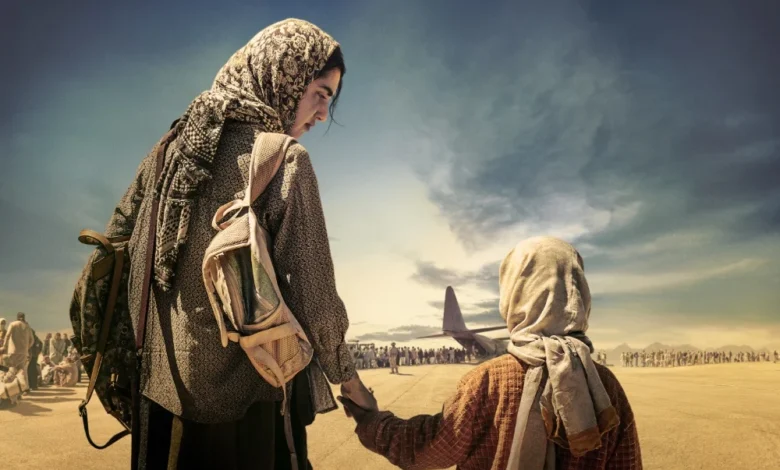
The series is set against the tumultuous backdrop of August 15, 2021, the day Kabul fell to the Taliban. It chronicles the desperate and often perilous evacuation of a diverse group of individuals, including diplomats, soldiers, and civilians, as the country rapidly transforms under new rule. The official synopsis paints a vivid picture of the unfolding crisis: "Kabul, August 15, 2021. As American troops withdraw, the Taliban enter the city. The Nazany family, like many civilians, is forced to flee, fearing retaliation. In this desperate and chaotic situation – shadowed by the looming threat of an attack by ISIS – French police officers, Italian diplomats, German military personnel, and American intelligence services must somehow coordinate to manage the influx of civilians. How will each of them manage to save their own lives? The countdown has begun."
A Chronicle of Crisis and Courage
"Kabul" is a production of France’s 24 25 Films and Cinétévé, showcasing a multinational cast and creative team. The series features a strong ensemble, including Jonathan Zaccaï ("Le bureau des légendes"), Thibault Evrard ("The Night of the 12th"), Vassilis Kukalawi ("Kandahar"), Jeanne Goursaud ("Pax Massilia"), Gianmarco Saurino ("L’estate piu Calda"), and Valentina Cervi ("Medici: Masters of Florence"). This diverse cast reflects the international nature of the crisis and the varied nationalities involved in the evacuation efforts.
The directorial vision for "Kabul" is helmed by Kasia Adamik ("No Escape") and Olga Chajdas ("Imago"), known for their ability to craft intense and character-driven narratives. The screenplay is penned by Olivier Demangel ("Atlantics," "November"), Thomas Finkelkraut, and Joey Lavy ("The Shift"), promising a story that is both historically grounded and emotionally resonant.
BBC’s Perspective on a Pivotal Moment
Nick Lee, the BBC’s Head of Programme Acquisition, expressed his enthusiasm for the series, highlighting its profound relevance and narrative power. "‘Kabul’ is a tragedy of the highest stakes," Lee stated. "A warzone story which is propelled by the real ticking clock of the evacuation that was just five years ago this summer. Global politics remain complex, but ‘Kabul’ dramatises the biggest view of history through the smallest window of a human family." This statement underscores the BBC’s approach to commissioning and acquiring content that not only entertains but also provides critical insights into significant global events. The proximity of the evacuation to the present day adds a layer of urgency and immediate relevance for audiences.
The Geopolitical Context: A Nation’s Seismic Shift
The events depicted in "Kabul" are rooted in a complex and rapidly evolving geopolitical landscape. The withdrawal of U.S. and NATO forces from Afghanistan, which concluded in late August 2021, marked the end of a two-decade-long military presence. This withdrawal was followed by the swift collapse of the Afghan government and the rapid advance of the Taliban, who entered Kabul unopposed on August 15, 2021. This period was characterized by widespread panic, fear, and a desperate scramble for safety among Afghans, particularly those who had collaborated with foreign forces or belonged to minority groups perceived as targets of Taliban reprisal.
The Taliban’s return to power was a stark reversal of fortunes for a country that had undergone significant political and social changes over the preceding twenty years. The international community, while largely withdrawing its military presence, remained deeply concerned about the humanitarian situation and the potential for regional instability. The rapid takeover also raised critical questions about the effectiveness of international interventions and the future of Afghanistan.
A Timeline of the Evacuation Crisis
The series’ setting on August 15, 2021, is a pivotal date in modern Afghan history. However, the events leading up to and following this day form a critical chronology:
- April 14, 2021: U.S. President Joe Biden announces the complete withdrawal of U.S. troops from Afghanistan by September 11, 2021, marking a significant shift in U.S. foreign policy.
- May 1, 2021: The Taliban launch their spring offensive, intensifying attacks across the country as U.S. and NATO forces begin their withdrawal.
- July 2, 2021: U.S. forces complete their withdrawal from Bagram Airfield, the largest military base in Afghanistan, handing it over to Afghan forces. This is seen as a symbolic moment marking the end of the foreign military presence.
- August 6, 2021: The Taliban capture their first provincial capital, Zaranj, signaling the accelerating pace of their territorial gains.
- August 10-14, 2021: The Taliban capture several more major cities, including Kandahar and Herat, overwhelming Afghan security forces.
- August 15, 2021: The Taliban enter Kabul. Afghan President Ashraf Ghani flees the country. International embassies begin to evacuate their personnel, and chaotic scenes at Kabul’s Hamid Karzai International Airport become a symbol of the unfolding crisis.
- August 16-31, 2021: The international community, led by the U.S., undertakes a massive airlift operation to evacuate their citizens and Afghan allies. This period is marked by immense logistical challenges, security concerns, and the desperate efforts of thousands of people trying to flee the country.
- August 26, 2021: Two suicide bombings outside the Kabul airport kill over 170 people, including 13 U.S. service members, during the evacuation. ISIS-K, an affiliate of the Islamic State, claims responsibility.
- August 30, 2021: The last U.S. troops depart Afghanistan, officially ending America’s longest war.
The series "Kabul" aims to capture the human drama within this larger historical narrative, focusing on the individual struggles for survival amidst the collapse of a nation and the frenzied efforts of international actors.
Production and Distribution Details
"Kabul" is produced by Fabienne Servan-Schreiber and Charlotte Ortiz at Cinétévé, alongside Matthias Weber and Thibault Gast at 24 25 Films, a Mediawan Company. Sandrine Paquot serves as executive producer. The series was developed in collaboration with the European Alliance, a partnership of European public service broadcasters, underscoring the growing trend of cross-border collaboration in television production. Mediawan Rights is handling the global sales of the series, ensuring its reach to audiences worldwide.
The series is scheduled to premiere on the BBC’s streaming platform, iPlayer, on August 2, 2024, followed by its broadcast on BBC Four beginning August 15, 2024. The timing of the BBC Four broadcast, coinciding with the anniversary of Kabul’s fall, is a deliberate choice to place the series within its historical context and encourage reflection on the events of that critical period.
Broader Implications and Analysis
The acquisition of "Kabul" by the BBC reflects a growing appetite among broadcasters and audiences for content that grapples with contemporary global issues. Thrillers set against real-world geopolitical crises offer a unique blend of suspense and educational value, allowing viewers to engage with complex events through compelling storytelling.
The series’ focus on the chaotic evacuation highlights the immense human cost of political instability and rapid regime change. It serves as a potent reminder of the challenges faced by civilians caught in the crossfire of conflict and the critical role of international cooperation in humanitarian crises. The inclusion of various nationalities in the evacuation efforts – French, Italian, German, and American personnel – underscores the interconnectedness of global affairs and the shared responsibility that often arises during times of widespread displacement and crisis.
Furthermore, the series’ exploration of the lingering threat from groups like ISIS-K adds another layer of complexity, illustrating that the end of one phase of conflict does not necessarily signify the cessation of all threats. The narrative’s emphasis on the "ticking clock" of the evacuation and the personal stakes for each character is likely to resonate with audiences, drawing parallels to other high-pressure situations and underscoring the universal themes of survival, resilience, and the desperate search for safety.
The BBC’s decision to acquire "Kabul" also speaks to the increasing importance of international co-productions and the role of distributors like Mediawan Rights in bringing diverse global content to new markets. As international relations continue to be shaped by complex events, series like "Kabul" are vital for fostering understanding and empathy, offering a window into the experiences of those directly affected by history’s most significant turning points. The series promises to be a significant addition to the BBC’s programming, offering a timely and impactful exploration of a pivotal moment in recent history.