Former Kansas Republican Senator Sam Brownback Attributes GOP Midterm Defeats to Voter Backlash Against Donald Trump’s Leadership Style

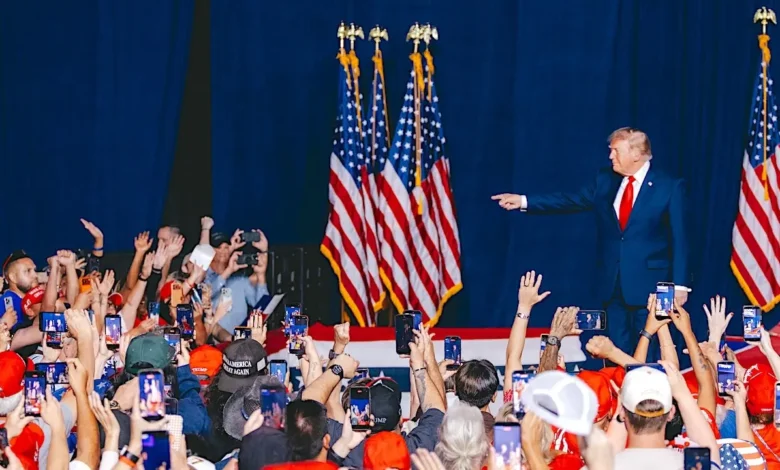
The dust is still settling across Washington following a seismic shift in congressional power, and Republican strategists, lawmakers, and party stalwarts are engaged in a fierce internal reckoning. Among them is former Kansas Senator and Governor Sam Brownback, who served as the ambassador-at-large for international religious freedom during Donald Trump’s first term in the White House. In a pointed post-mortem analysis of the 2026 midterm elections, Brownback argued that the dramatic loss of Republican majorities in both the House of Representatives and the Senate should not be written off as mere historical business-as-usual for a second-term president’s party. Instead, he pinpointed President Donald Trump’s distinct personal leadership style and abrasive political approach as the primary catalyst for a wave of voter rejection that swept Democrats back into control of Capitol Hill.
Brownback’s assessment challenges the narrative pushed by some party loyalists who attempt to normalize the midterms as a routine political pendulum swing. According to the former governor, the sweeping victories achieved by Democrats even within traditional Republican strongholds were a referendum on the president’s demeanor and governing philosophy rather than a wholesale repudiation of conservative policy achievements. As both parties look toward the horizon of the 2028 presidential cycle, Brownback’s commentary underscores a growing anxiety within conservative ranks regarding tone, communication, and the future identity of the Grand Old Party.
A Blue Wave in Red Strongholds: The Reality of the 2026 Midterm Rout
The 2026 midterm elections delivered a shocking blow to the Republican legislative agenda. Historically, the party holding the White House frequently faces headwinds during midterm elections, a phenomenon driven by voter fatigue and the desire for a check on executive power. However, the magnitude of the 2026 cycle far exceeded traditional historical parameters. Democrats engineered sweeping victories in deep-red districts and states that had long served as unassailable bastions for conservative candidates.
By reclaiming majorities in the House and the Senate, the Democratic Party effectively short-circuited the legislative momentum of Trump’s second term, setting the stage for two years of intense gridlock, potential oversight investigations, and legislative standoffs. For Republicans who had anticipated riding a wave of economic nationalism and border security accomplishments to legislative preservation, the election results served as a harsh wake-up call.
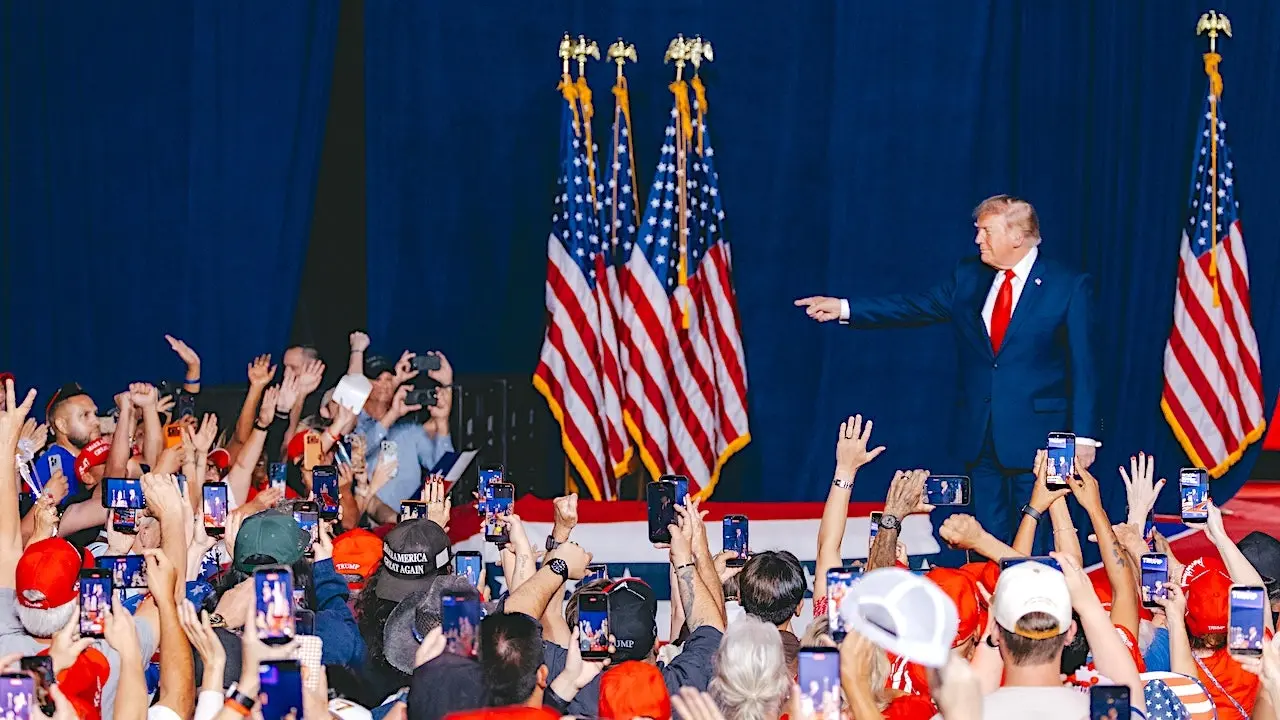
In interviews following the election, Brownback rejected the notion that voters were fundamentally rejecting conservative governance. "I think the thing we’re missing is that it was really targeted at President Trump. I don’t think it was targeted at the policies so much," Brownback told Fox News Digital. Referencing classical themes of hubris and political downfall, he added, "Pride comes before a fall and a haughty spirit before a stumble."
Beyond Policy: Economic Pressures and Voter Exhaustion
While Brownback focused heavily on personal leadership style, the political landscape leading up to November 2026 was defined by a complex matrix of voter anxieties. Chief among these was the persistent strain of economic hardship. Despite administration messaging highlighting various fiscal initiatives, everyday Americans continued to grapple with high costs of living, stubborn inflation, and volatile gas prices.
Data from the comprehensive Fox News Voter Poll underscored the dominance of economic issues at the ballot box. An overwhelming 89% of voters identified the cost of living as a crucial or major factor in determining their congressional vote. This widespread domestic anxiety vastly overshadowed foreign policy considerations, such as the ongoing conflict involving Iran, which was cited as a major factor by 74% of respondents. Although economic pressures and foreign conflicts often overlap in the public consciousness, the polling data illustrated that kitchen-table issues remained the paramount concern for the American electorate.
Compounding these economic frustrations was a deeper, more intangible fatigue with the political climate. Brownback suggested that voters were signaling a desire to turn the page on the perpetual friction associated with Donald Trump’s brand of politics. "People are just saying I’m ready to move on past President Trump," Brownback remarked.
At the same time, voter sentiment regarding specific administrative priorities proved nuanced. For instance, public polling indicated that while voters largely supported the administration’s overarching goal of securing the southern border, methods associated with aggressive interior immigration enforcement drew significant pushback from moderates and independent voters, alienating key voting blocs necessary for maintaining congressional majorities.
A Call for Cultural Correction: Humility and Kindness in Conservative Messaging
In the wake of the electoral defeat, Brownback’s prescriptions for the Republican Party extend well beyond tactical adjustments or legislative repositioning. Drawing on his extensive career in public service—which spans his time in the U.S. Senate from 1996 to 2011, his tenure as governor of Kansas from 2011 to 2018, and his diplomatic posting under the Trump administration—he emphasized the urgent need for a cultural and communicative overhaul.
The former ambassador argued that conservatives must fundamentally alter how they engage with the American public, urging leaders to adopt a posture characterized by humility, empathy, and kindness. "You just can’t be proud. You’ve got to come forward humbly," Brownback asserted. "And I think you have to do that with the American public."
He advocated for a responsive and empathetic tone that demonstrates active listening to voter grievances rather than dismissing opposing viewpoints or doubling down on combative rhetoric. "We hear you, American public. We’re adjusting to the message that we heard," Brownback suggested as a necessary rhetorical framework for the party moving forward. Grounding his philosophy in traditional American ethos, he added, "America is great because it’s good. If it ever loses its goodness, it will lose its greatness. There has to be, as I keep doubling back to, a humility and a kindness about it as well."
Implications for the 2028 Presidential Landscape
As the political establishment digests the results of the 2026 midterms, the conversation among Republicans has already begun to pivot toward the 2028 presidential race. The unexpected loss of congressional control has accelerated the jockeying for the party’s next standard-bearer, creating an open and highly competitive field as Donald Trump nears the conclusion of his second term.
Several prominent figures within the administration and the broader conservative movement have emerged as early potential contenders for the 2028 Republican presidential nomination. Vice President JD Vance, who has played a central role in articulating the administration’s populist platform, is widely viewed as a leading prospective candidate. Vance has indicated that he plans to make a formal decision regarding a potential White House bid in the spring.

Simultaneously, Secretary of State Marco Rubio has been frequently mentioned by party insiders as a viable contender capable of bridging the gap between traditional conservative foreign policy establishment wings and the modern populist movement. Other governors and legislative leaders are also quietly weighing their options, recognizing that the party’s path back to national unity will depend heavily on how successfully conservatives process the lessons of the 2026 midterms.
Brownback’s intervention serves as an early opening salvo in what promises to be a protracted debate over the future soul of the Republican Party. Whether party leadership will heed calls for a more humble, measured approach or double down on the populist combativeness that defined the Trump era remains one of the most critical questions in contemporary American politics. As the legislative battles of the 110th Congress commence under a newly empowered Democratic majority, the internal Republican dialogue over style, substance, and leadership will undoubtedly shape the trajectory of conservative politics for years to come.
Related posts: