Homeland Security Secretary Markwayne Mullin Defends TSA Shoe-Removal Policy Amid Classified Watchdog Scrutiny

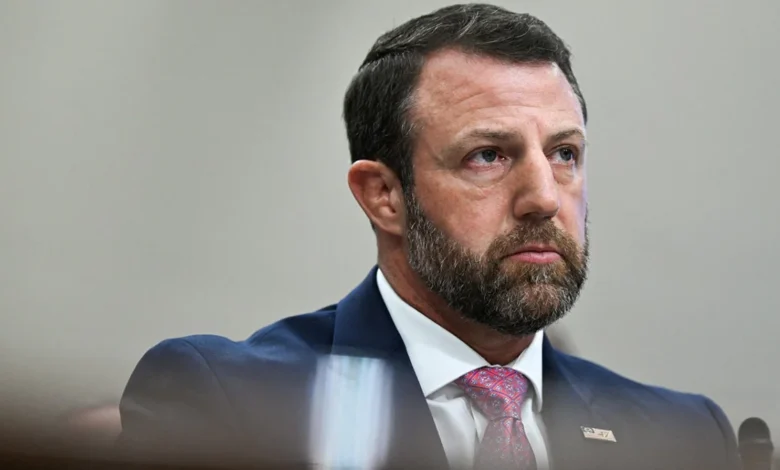
WASHINGTON — Homeland Security Secretary Markwayne Mullin found himself defending the Transportation Security Administration’s relaxed passenger screening protocols on Capitol Hill, pushing back against mounting bipartisan concern regarding a classified watchdog review that questioned the ongoing elimination of routine shoe removal at airport checkpoints nationwide.
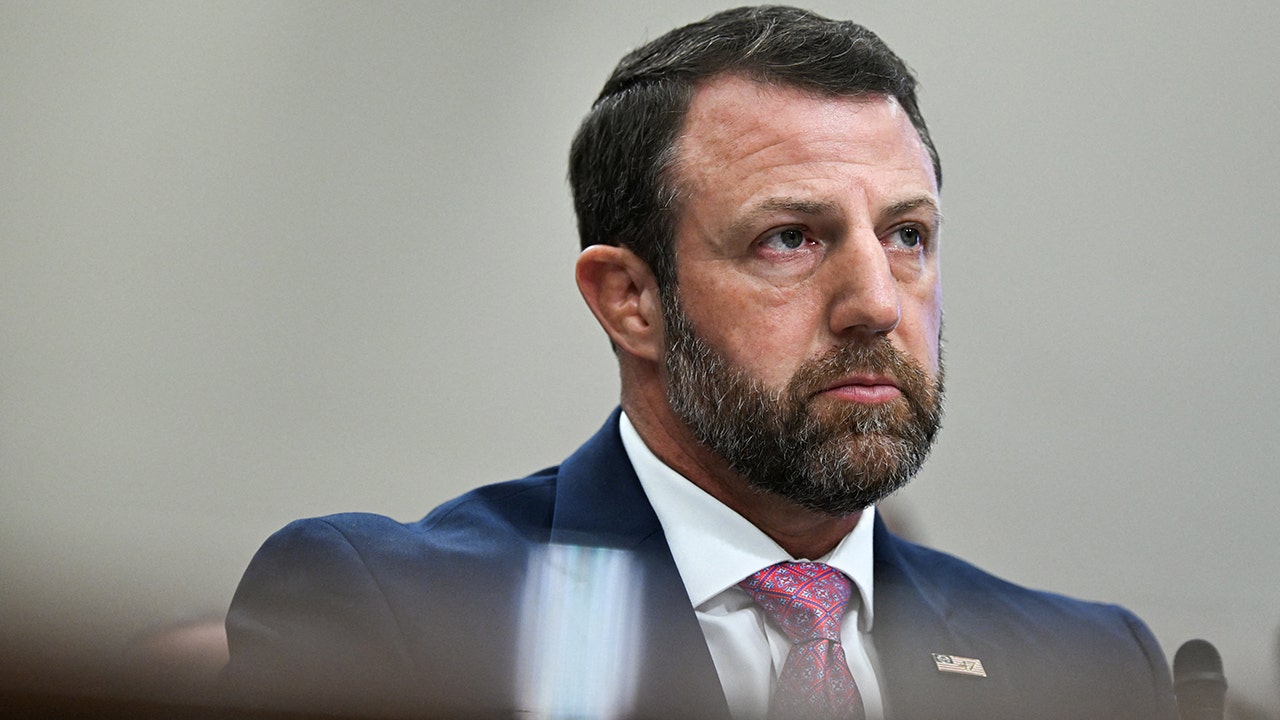
Testifying before the House Homeland Security Committee during a budget oversight hearing, Mullin assured lawmakers that the controversial policy change has not compromised national security. His remarks came in response to sharp questioning from Rep. Eli Crane, R-Ariz., who pressed the Department of Homeland Security (DHS) leader on why travelers are still permitted to keep their footwear on despite lingering intelligence and security concerns flagged by federal inspectors.
"We have never put anyone at risk at all," Mullin told the committee, emphasizing that the department continuously evaluates and upgrades its screening technologies.
The exchange has reignited a fierce Washington debate over aviation security, regulatory transparency, and the balance between passenger convenience and counter-terrorism measures—a debate that originated with a high-profile policy shift enacted nearly a year prior.
Origins of the Policy: Balancing Efficiency and Security
The controversy traces back to July 2025, when then-Homeland Security Secretary Kristi Noem announced a major operational overhaul across the nation’s commercial airports. Under Noem’s directive, the TSA ended the longstanding requirement for routine shoe removal at airport security checkpoints—a mandatory security protocol that had been deeply ingrained in American air travel since late 2001.
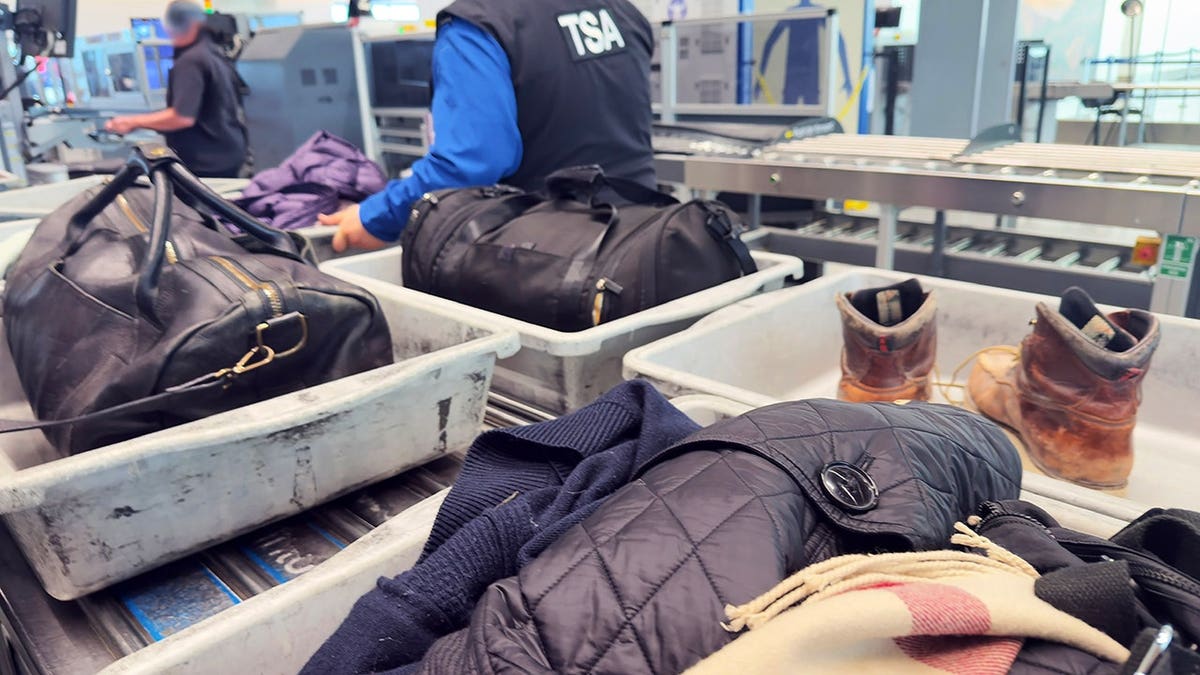
The policy change was championed as a major victory for the millions of travelers navigating congested airport lines each day. Noem justified the decision by pointing to rapid advancements in advanced imaging technology, millimeter-wave scanners, and automated explosives detection systems deployed across major aviation hubs. The administration argued that these next-generation technologies possessed the capability to scan footwear thoroughly without requiring passengers to untie, remove, and place their shoes in bins.
Furthermore, under the 2025 guidelines, TSA security personnel retained the discretionary authority to direct individual travelers to remove their footwear for secondary inspection if an anomaly was detected or if random risk-based metrics indicated a need for further screening.
While the policy was widely welcomed by frequent flyers, trade associations, and commercial airlines looking to accelerate checkpoint throughput—particularly during peak holiday travel periods—it immediately raised red flags among federal watchdogs and select members of Congress who questioned whether the technological transition was happening prematurely.
The Watchdog Report and Escalating Congressional Concerns
Within weeks of the policy taking effect, the tension between DHS leadership and independent oversight bodies intensified. According to records later entered into the congressional record, the DHS Office of Inspector General (OIG), led by Inspector General Joseph Cuffari, issued a formal warning to DHS and TSA leadership regarding identified screening weaknesses tied to the new footwear protocols.
The oversight process culminated on Nov. 1, 2025, when the OIG released a finalized, classified report detailing vulnerabilities within the updated checkpoint screening process. The findings remained strictly confidential due to national security sensitivities, but the existence of the report set off alarm bells among lawmakers tasked with oversight of the transportation sector.
By early 2026, the friction between the watchdog and the agencies became public. In a March memo reviewed by investigative journalists, Inspector General Cuffari noted that his office was still awaiting formal, legally mandated responses from DHS and the TSA, even though the designated 90-day statutory deadline for a reply had already lapsed.

Legislative pressure began mounting in the spring. In April, Sen. Maria Cantwell, D-Wash., formally requested that the TSA temporarily suspend the relaxed shoe-removal policy and reinstate mandatory checks until the OIG’s security vulnerabilities could be thoroughly investigated and mitigated.
However, the TSA pushed back. In a May response to congressional inquiries, then-acting TSA Administrator Ha Nguyen McNeill defended the agency’s stance, asserting that "current intelligence and risk assessments indicate no direct, credible threats related to shoes." The agency maintained that its layered security approach—incorporating intelligence monitoring, behavioral detection, canine units, and advanced imaging—rendered mandatory blanket shoe removal unnecessary.
Heated Exchange on Capitol Hill
During Wednesday’s House committee hearing, Rep. Crane brought these latent tensions to the forefront. Having reviewed the classified OIG briefing, Crane characterized the watchdog’s findings as "very concerning" and pressed Mullin on why the agency has maintained a policy that appears to run counter to internal inspector general warnings.
Mullin defended the department’s corrective actions, revealing that he had personally engaged with Inspector General Cuffari in a secure facility to review the outstanding grievances.
"In fact, we addressed three of the four concerns," Mullin testified, explaining that the department had taken tangible steps to rectify the majority of the vulnerabilities highlighted by the watchdog. However, Mullin downplayed the significance of the remaining fourth issue, stating bluntly that, in his view, it "had nothing to do with security."
Despite these assertions, Mullin did not offer public specifics regarding the exact nature of the vulnerabilities, the corrective measures implemented by DHS, or the details of the fourth disputed concern. When pressed further by Crane, who suggested moving the conversation to a classified setting to avoid public disclosure of sensitive aviation security data, the discussion underscored the ongoing opacity surrounding federal aviation protocols.
Crucially, Mullin’s testimony left a central question unanswered: whether the DHS Office of Inspector General has officially signed off on the remedial steps taken by the department, or if the watchdog maintains that risks persist.
Broader Implications for Aviation Security and Oversight
The standoff over airport shoe screening highlights a perennial challenge for the Department of Homeland Security: balancing the immense public demand for faster, less invasive travel against the absolute imperative of preventing sophisticated terror plots.
Since the thwarted "shoe bomb" attempt by Richard Reid aboard American Airlines Flight 63 in December 2001, footwear screening has served as a psychological and operational cornerstone of American aviation security. Dismantling such a visible and universally recognized protocol inevitably invites intense scrutiny, particularly when independent watchdogs and executive agencies publicly diverge on risk assessments.
Security analysts note that while modern checkpoint imaging technology has improved exponentially over the past two decades, threat actors continuously adapt their methodologies to bypass detection systems. The debate over the TSA’s footwear policy illustrates the friction inherent in transitioning legacy security mandates into the modern technological era.
As congressional committees continue to review the classified OIG reports and demand accountability from DHS leadership, pressure is likely to mount on Secretary Mullin to provide clearer transparency regarding how the department validates its security posture. Whether the public pressure will force a reversal of the policy or prompt further technological upgrades at checkpoints remains one of the most closely watched aviation security questions in Washington.
Related posts: