Luca Guadagnino Abandons American Psycho Adaptation at Lionsgate After Scott Z. Burns Script Development

Acclaimed filmmaker Luca Guadagnino will no longer direct the high-profile contemporary adaptation of Bret Easton Ellis’s landmark 1991 satirical novel, American Psycho, for Lionsgate. The cancellation brings a sudden halt to a cinematic project that had generated intense industry speculation and fan curiosity since its initial announcement in late 2024. The decision leaves the intellectual property back in limbo, while highlighting the unpredictable nature of major studio development cycles in modern Hollywood.
During a recent appearance on Deadline’s Crew Call podcast hosted by Anthony D’Alessandro, Guadagnino candidly addressed the status of the stalled feature. The director of Call Me by Your Name, Challengers, and Suspiria confirmed that the movie is not moving forward in its current configuration, despite substantial progress behind the scenes.
“Scott Z. Burns wrote a fantastic script,” Guadagnino told the podcast. “Unfortunately for me, as we speak, it’s not happening.”
The filmmaker did not elaborate on the specific creative, financial, or logistical hurdles that caused the production to collapse. Representatives for Lionsgate declined to comment on the development when approached by industry trade publications, and production banner Frenesy Films has similarly withheld further statements regarding the project’s ultimate fate.
The Evolution and Premise of the Cancelled Adaptation
The venture was first brought to light in October 2024, when Lionsgate announced that Guadagnino had been tapped to helm a fresh interpretation of Ellis’s visceral text. From the outset, studio executives and producers emphasized that the project was not intended to be a direct remake of the cult-classic 2000 feature film directed by Mary Harron. Instead, it was framed as an independent, contemporary re-imagining of the original satirical source material, designed to filter Wall Street excess, toxic masculinity, and late-stage capitalism through a modern lens.
Lionsgate Motion Picture Group Chair Adam Fogelson expressed immense enthusiasm when the partnership was initially unveiled. In a statement released to the press, Fogelson praised the director’s unique aesthetic and narrative sensibilities.
“We are thrilled to add another elite filmmaker to our upcoming slate,” Fogelson stated at the time. “Luca is a brilliant artist, and the perfect visionary to create a whole new interpretation of this potent and classic IP.”
To execute the screenplay, the studio enlisted acclaimed writer Scott Z. Burns, widely recognized for his razor-sharp socio-political thrillers and biographical dramas, including Contagion, The Report, and The Laundromat. Burns’s involvement signaled that the new adaptation aimed to lean heavily into the corporate satire, institutional paranoia, and dark comedy embedded within Ellis’s novel. Industry analysts anticipated a script that would modernize Patrick Bateman’s obsession with consumerism, status symbols, and corporate narcissism to reflect the contemporary digital age of cryptocurrency, tech billionaires, and social media validation.
Context and the Legacy of the 2000 Film
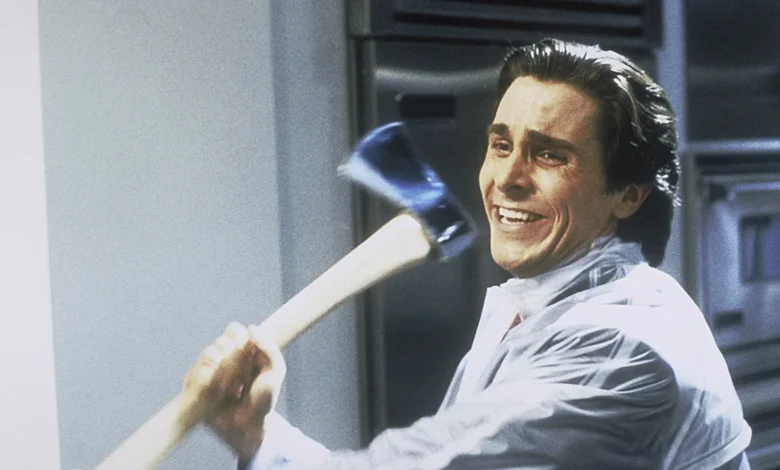
The challenge of adapting American Psycho has long carried a distinct cinematic weight. The 2000 film adaptation, directed by Mary Harron and co-written by Harron and Guinevere Turner, remains a definitive text of turn-of-the-millennium dark satire. Starring Christian Bale as the psychopathic investment banker Patrick Bateman, the original movie famously balanced visceral horror with deadpan corporate satire.
Bale’s career-defining performance was supported by an ensemble cast that included Jared Leto, Willem Dafoe, Chloë Sevigny, and Reese Witherspoon. Although the film initially faced controversy over its depictions of graphic violence and consumerist superficiality, it gradually evolved into a beloved cultural touchstone and a meme-heavy pillar of modern pop culture.
When news of Guadagnino’s involvement broke, media outlets immediately sought the perspective of the original cast and crew. In March, Christian Bale was asked by reporters about the prospect of a new filmmaker and actor tackling the iconic role of Bateman. Displaying characteristic diplomacy and sportsmanship, Bale offered his blessing to whoever might eventually inherit the mantle.
“Whoever wants to give it a shot, give it a pop,” Bale told reporters. “I loved making it with Mary Harron so many years back, fantastic memories of it all. Bold choice of anyone to try to do a — I don’t know if they’re doing a remake or what, I don’t know anything else about it. But all the best to ’em; I like brave people.”
With Guadagnino’s iteration now shelved, the question of whether another studio or filmmaker will attempt to translate Ellis’s novel to the screen remains unanswered.
Timeline of the Project
The brief lifespan of Guadagnino’s American Psycho adaptation underscores how quickly studio priorities can shift:
- October 2024: Lionsgate officially announces that Luca Guadagnino will direct a new adaptation of Bret Easton Ellis’s American Psycho, with a script penned by Scott Z. Burns and production handled by Frenesy Films. Studio executives voice high confidence in the creative team’s ability to reinvent the material.
- March 2025: Original Patrick Bateman actor Christian Bale publicly comments on the upcoming project, wishing success to whoever takes on the role in the new version.
- Mid-2025: Luca Guadagnino confirms during a podcast interview that the film is no longer moving forward, despite the completion of what he describes as a “fantastic script” by Burns. Lionsgate declines to comment on the project’s cancellation.
Broader Implications for Guadagnino and Lionsgate
For Luca Guadagnino, the cancellation of American Psycho represents a rare pause in an otherwise relentless and prolific directing schedule. The Italian auteur has cemented his status as one of international cinema’s most versatile and sought-after directors, seamlessly moving between independent dramas, lush romances, horror remakes, and commercial studio pictures.
Guadagnino’s immediate future remains exceptionally busy. Up next for the director is Artificial, a high-profile feature starring Andrew Garfield that chronicles the meteoric rise of artificial intelligence pioneer OpenAI, including the dramatic 2023 boardroom showdown involving the firing and rapid rehiring of CEO Sam Altman. That project, distributed by Neon, is scheduled for a theatrical release on Christmas Day, positioning it squarely within the competitive year-end awards season corridor.
Additionally, Guadagnino has a slate of other developments in various stages of production, ensuring that his creative energy will be channeled into multiple alternative cinematic universes.
For Lionsgate, the shelving of the American Psycho adaptation leaves a notable vacancy in their upcoming slate of intellectual property revivals. Studios increasingly rely on recognizable literary and cinematic properties to cut through marketplace clutter and secure global financing. While the studio retains the rights to Ellis’s novel, the failure to launch this specific version indicates that corporate risk assessments, budgetary parameters, or creative divergences continue to derail high-profile studio tentpoles before they reach physical production.
Market Analysis and the Economics of Literary Re-adaptations
The decision to scrap the project also shines a light on the broader economic realities facing Hollywood studios when attempting to re-adapt modern classics. While franchises and pre-sold intellectual properties are routinely prioritized by major studios seeking reliable box-office returns, distinct artistic properties like American Psycho occupy a complex commercial space.
On one hand, the brand recognition provides built-in marketing momentum and immediate media attention. On the other hand, the enduring cultural footprint of the 2000 film creates a formidable shadow. Audiences and critics alike frequently compare new iterations directly to their predecessors, raising the bar for creative differentiation. When a studio and a visionary filmmaker cannot align on budget, tone, or strategic execution, studios are increasingly willing to quietly pull the plug rather than risk a misaligned multi-million-dollar investment in an era of heightened box-office selectivity.
As the industry processes the sudden demise of Guadagnino’s vision, the future of Patrick Bateman on screen returns to a state of uncertainty. Whether Lionsgate chooses to dust off Burns’s script for a different filmmaker at a later date or allows the property to rest remains to be seen. For now, Patrick Bateman’s terrifyingly polished corporate world will remain anchored to the turn of the millennium, preserved by Christian Bale’s iconic performance and Mary Harron’s singular directorial vision.