The modern tourism landscape is undergoing a significant transformation, driven by an increasing demand for seamless, premium, and stress-free travel experiences. This shift is particularly evident in geographically challenging destinations where infrastructure limitations traditionally compel visitors to navigate complex transit routes independently. A primary example of this evolution is the introduction of luxury, high-end day-tour corridors in New Zealand, which successfully bridge the gap between remote wilderness exploration and upscale comfort. By integrating executive road transport, curated culinary programming, and expert-led narration, operators are redefining what a single-day excursion entails, transforming transit time from a logistical necessity into a central component of the vacation experience.
Background Context and Regional Challenges
New Zealand presents a unique set of logistical challenges for international travelers. While the North Island features accessible urban centers and concentrated points of interest, the South Island is characterized by vast geographic expanses, winding topography, and the formidable barrier of the Southern Alps. For many international visitors—particularly those hailing from countries that drive on the right side of the road—navigating unfamiliar terrain, single-lane bridges, and steep mountain passes can induce significant anxiety.
Historically, travelers faced a binary choice: rent a vehicle and shoulder the high-stress burden of navigating hazardous roads, or book conventional, mass-market coach tours that often sacrifice personal space, culinary quality, and flexibility. Recognizing a distinct market gap for high-net-worth individuals and discerning travelers seeking comprehensive itineraries without the hassle of self-driving, regional tourism operators have increasingly invested in ultra-premium alternatives. This trend reflects a broader global movement within the travel sector toward experiential luxury, where comfort, exclusivity, and time-efficiency command a premium.

Chronology of the Executive Itinerary
The operational framework of these newly established luxury day tours is meticulously engineered to maximize guest engagement while minimizing friction. A typical excursion originating from Queenstown toward the iconic fjord of Piopiotahi (Milford Sound) spans approximately 12 hours, divided strategically between executive ground transit and marine exploration.
Morning Departure and Ground Logistics
The journey commences in the early morning hours, utilizing custom-configured vehicles such as 14-seat Mercedes-Benz Sprinter vans equipped with panoramic glass roofs. Unlike standard commercial transport, these vehicles are outfitted with amenities designed to ease long-distance travel, including leather seating, climate control, localized Wi-Fi connectivity, and curated wellness offerings.
The initial leg of the route traverses the rural settlement of Garston and the lakeside town of Te Anau, which serves as a gateway to Fiordland National Park. Rather than standard roadside rest stops, luxury operators utilize local boutique establishments as private lounges, pre-ordering artisanal beverages and breakfast items to eliminate wait times.

Entering Fiordland National Park
As the vehicle enters Fiordland National Park—a core component of the UNESCO World Heritage site Te Wahipounamoo—the journey transitions from rural highway to dramatic alpine corridor. Professional guides provide continuous historical, ecological, and cultural context, detailing the indigenous Māori heritage of the region alongside its geological evolution.
Strategic stops along the Milford Road include the glacier-carved expanse of Eglinton Valley, the reflective waters of the Mirror Lakes, and Monkey Creek, where travelers frequently encounter the kea, the world’s only alpine parrot. The transit culminates with the navigation of the Homer Tunnel, a historic engineering feat cut directly through the solid granite of the Darran Mountains, before descending into the Cleddau Valley.
The Fjord Cruise and Culinary Integration
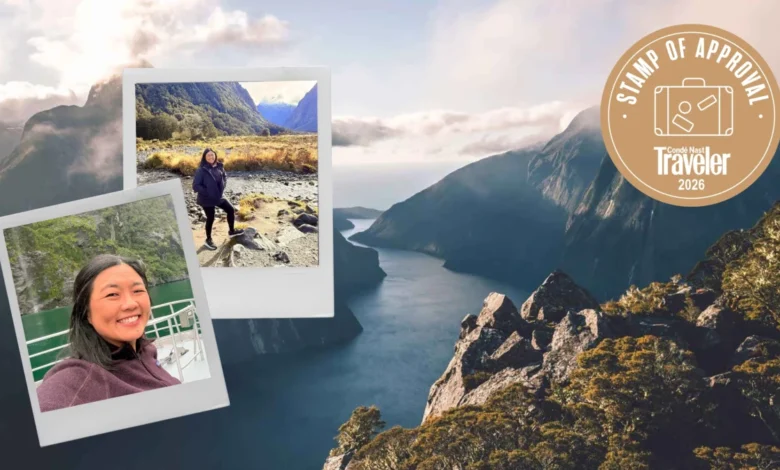
Upon arrival at the Milford Sound Visitor Terminal, guests transition from road transport to marine vessels, such as the MV Sinbad, specifically configured for small-group luxury touring. This phase of the itinerary represents a departure from traditional ferry operations by incorporating high-end hospitality directly onto the water.

During the two-hour cruise through the fjord, guests are presented with multi-course tasting menus curated by prominent regional chefs. The culinary program heavily emphasizes local sourcing, featuring ingredients such as Fiordland wapiti (elk), Mount Cook salmon roe, locally harvested sea snails, and artisanal sourdough paired with regional wines. Simultaneously, marine captains navigate close to towering waterfalls—including Lady Bowen Falls, Stirling Falls, and the dramatic drop of Sutherland Falls—while providing live commentary on the local marine ecosystem, which hosts bottlenose dolphins, New Zealand fur seals, and occasional humpback whales.
Supporting Data and Market Adoption
The introduction of business-class day touring in the South Island reflects a measured response to shifting consumer demographics in post-pandemic global tourism. Market data indicates a rising preference for all-inclusive, frictionless travel packages that prioritize wellness and culinary integration.
- Pricing and Tiering: Premium day tours from Queenstown to Milford Sound typically start around $383 USD per person, positioning them significantly above traditional coach tours but below the cost of private charter flights.
- Operational Partnerships: The segment relies heavily on strategic joint ventures between established regional transport providers, such as Altitude Tours, and heritage cruise operators like RealNZ.
- Technological Integration: The utilization of booking platforms such as GetYourGuide alongside direct operator channels ensures high visibility among international demographics, particularly North American and European travelers.
- Capacity Constraints: To preserve the exclusivity and personalized nature of the experience, vehicle capacities are strictly capped at 14 passengers, ensuring individual seating configurations and unobstructed viewing angles.
Official Responses and Industry Perspectives
Tourism stakeholders and regional economic development agencies have largely welcomed the diversification of high-end product offerings. Industry analysts note that such initiatives align with New Zealand’s national tourism strategy, which emphasizes sustainable growth, higher yield per visitor, and the distribution of economic benefits to regional communities outside major urban centers.

Local operators emphasize that the integration of indigenous cultural interpretation is a vital component of modern luxury travel. By partnering with local iwi (Māori tribes) and incorporating historical context regarding ancestral lands, operators ensure that premium tourism respects the cultural significance of protected sites like Piopiotahi. Furthermore, the inclusion of conservation-focused education during transit addresses growing traveler demand for environmentally responsible tourism practices.
Broader Impact and Economic Implications
The proliferation of executive-tier day excursions carries significant implications for the broader travel economy. By removing logistical barriers for tourists who might otherwise hesitate to explore remote regions due to driving apprehensions, these services help distribute visitor traffic more evenly across seasons and geographies.
- Economic Yield: High-yield tourism products generate greater economic return per visitor, supporting local suppliers, boutique food producers, and hospitality workers without necessitating a proportional increase in overall visitor volume.
- Infrastructure Utilization: Utilizing high-capacity executive vans rather than standard private vehicles reduces localized parking congestion at key scenic viewpoints along the Milford Road, contributing to more sustainable traffic management within sensitive ecological zones.
- Standard Setting: The success of business-class road and cruise combinations is likely to spur competition, encouraging other regional operators to upgrade their fleet standards, service levels, and culinary offerings.
Conclusion
The evolution of regional day touring in New Zealand demonstrates how strategic product development can redefine traditional travel itineraries. By addressing the fundamental anxieties of international visitors while elevating every touchpoint of the journey—from executive transport and digital connectivity to fine dining and expert narration—operators have successfully transformed the transit corridor into an essential destination in its own right. As global tourism continues to prioritize comfort, efficiency, and experiential depth, the model established in Fiordland offers a compelling blueprint for the future of regional exploration.