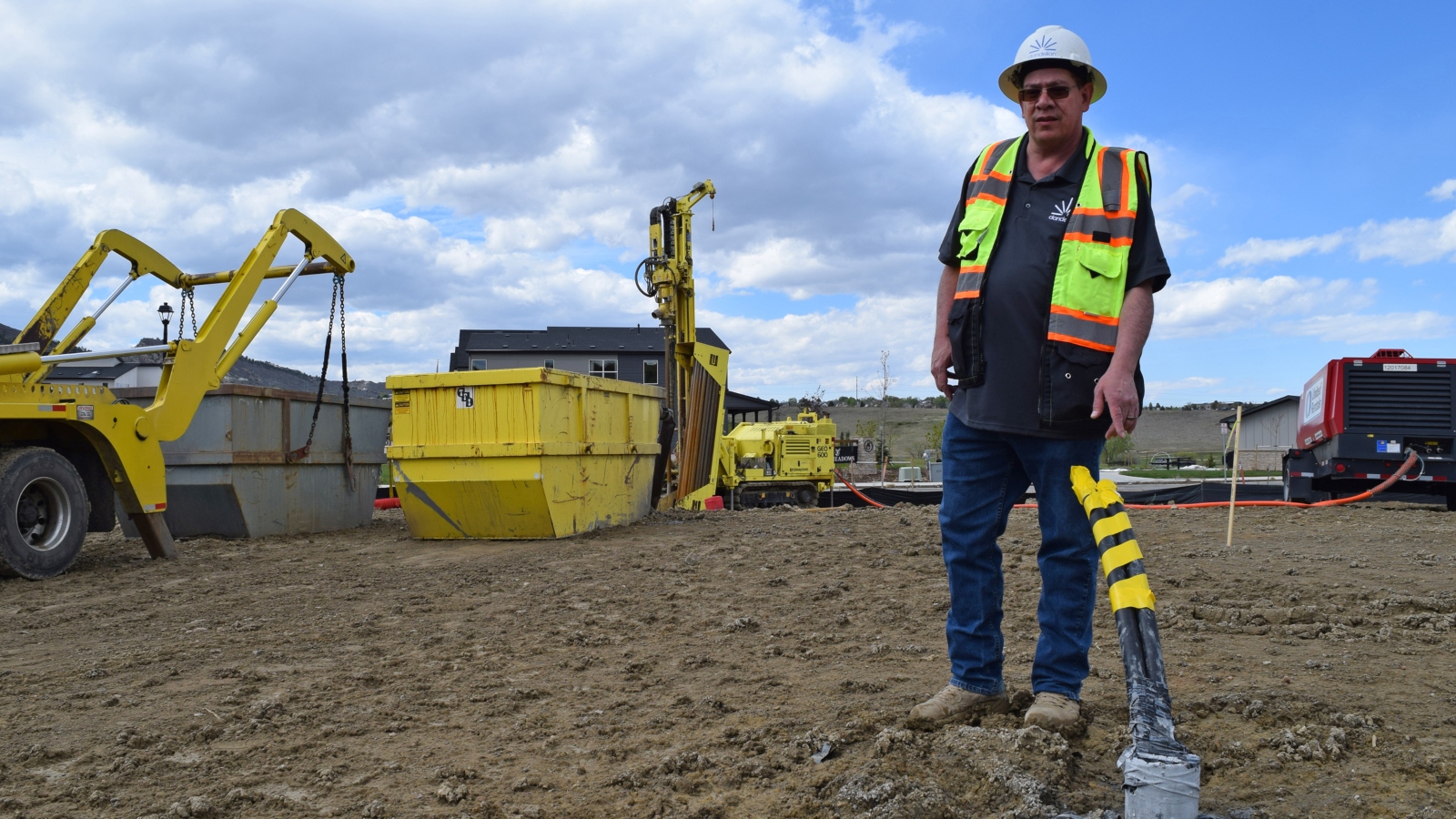
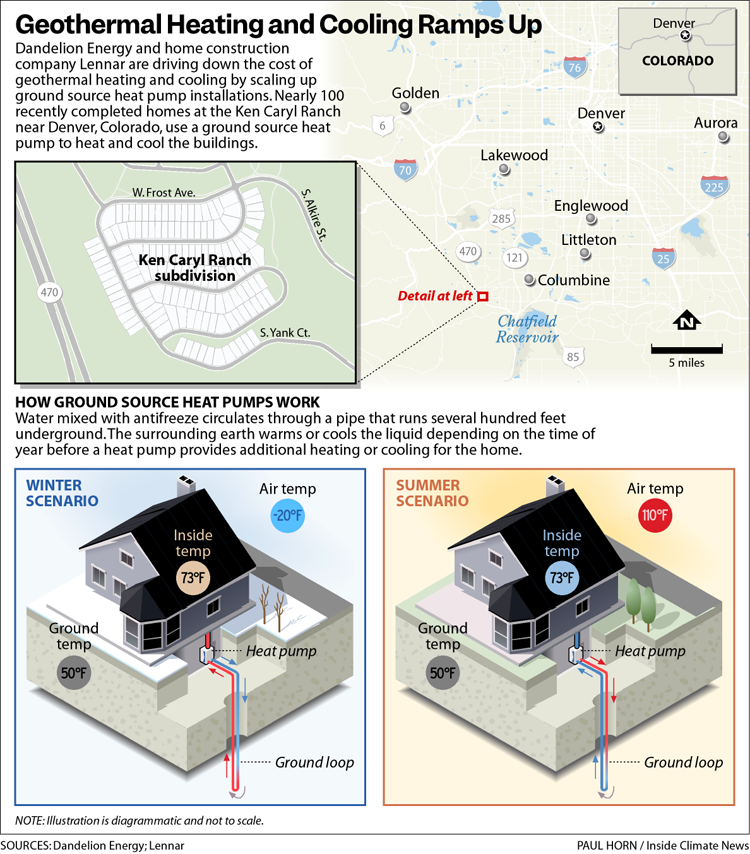
A revolutionary residential development nestled at the base of Colorado’s Front Range is serving as the primary proving ground for a collaborative energy model that may fundamentally reshape how the United States approaches home climate control. In a joint venture between the geothermal startup Dandelion Energy and Lennar, one of the nation’s most prominent residential homebuilders, approximately 100 new homes have been equipped with advanced ground-source heat pump (GSHP) systems. This project represents a significant shift from bespoke, high-cost luxury installations to a standardized, mass-market deployment strategy that addresses the two primary barriers to geothermal adoption: high upfront capital expenditure and installation complexity.
The installation at the Ken Caryl Ranch development in Littleton, Colorado, serves as a high-visibility proof of concept. By integrating geothermal infrastructure during the initial phase of community construction—before foundations are poured—the partnership has successfully demonstrated that the logistical friction typically associated with ground-source heat pumps can be effectively mitigated.
The Mechanics of Subsurface Climate Control
Ground-source heat pumps operate on a simple yet highly effective thermodynamic principle: the temperature of the earth a few hundred feet below the surface remains remarkably stable throughout the year, typically hovering around 50 degrees Fahrenheit. While air-source heat pumps must grapple with the extreme temperature fluctuations of the ambient atmosphere—often losing efficiency during the coldest winter nights when heating demand is at its peak—geothermal systems leverage the constant thermal reservoir of the crust.
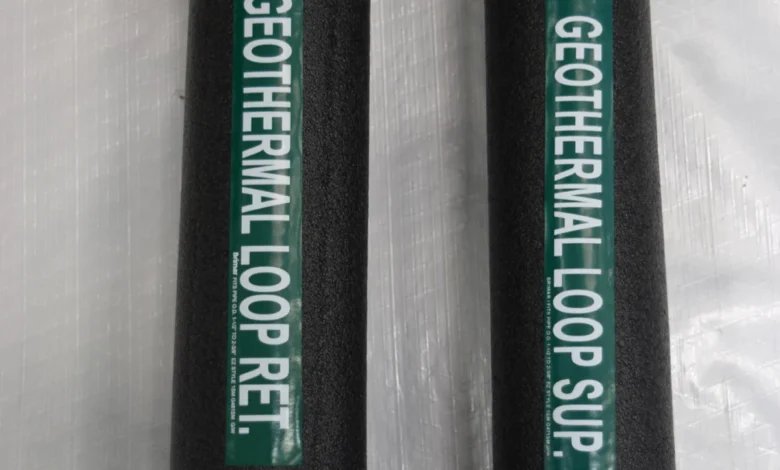
At Ken Caryl Ranch, each residence is outfitted with a single, vertical borehole drilled to a depth of between 200 and 500 feet. A closed-loop system of polyethylene piping circulates water, which absorbs or dissipates heat depending on the season. A heat pump unit located in the home’s basement then transfers this energy into the dwelling’s HVAC system. Because the temperature differential is consistently moderate, the electrical energy required to operate the pump is significantly lower than that of conventional heating systems or even high-efficiency air-source alternatives.
A Chronology of Innovation and Expansion
The partnership between Dandelion Energy and Lennar did not emerge overnight; it is the culmination of years of targeted research and development. Dandelion Energy, which originated as a "moonshot" project within X—the R&D subsidiary of Alphabet, Google’s parent company—was founded with the explicit goal of making geothermal energy accessible to the average homeowner.

In 2025, the two companies formalized a strategic partnership, announcing a commitment to install geothermal heating and cooling systems in over 1,500 homes across Colorado within a two-year window. The Ken Caryl project represents the first major milestone of this initiative. Following the success in Colorado, Dandelion has already begun scaling its operations to other regions, including a recent announcement regarding 129 new homes in Maryland. The company’s long-term roadmap envisions a transition from current pilot phases to the deployment of geothermal systems in 10,000 homes annually on a national scale.
The Economic and Environmental Calculus
Historically, the primary obstacle to widespread geothermal adoption has been the cost of drilling. Traditionally, a single residential borehole could cost homeowners upwards of $10,000, not including the heat pump unit and indoor HVAC modifications. By treating the installation as a utility-scale project rather than a series of individual service calls, Dandelion has managed to streamline the process significantly.
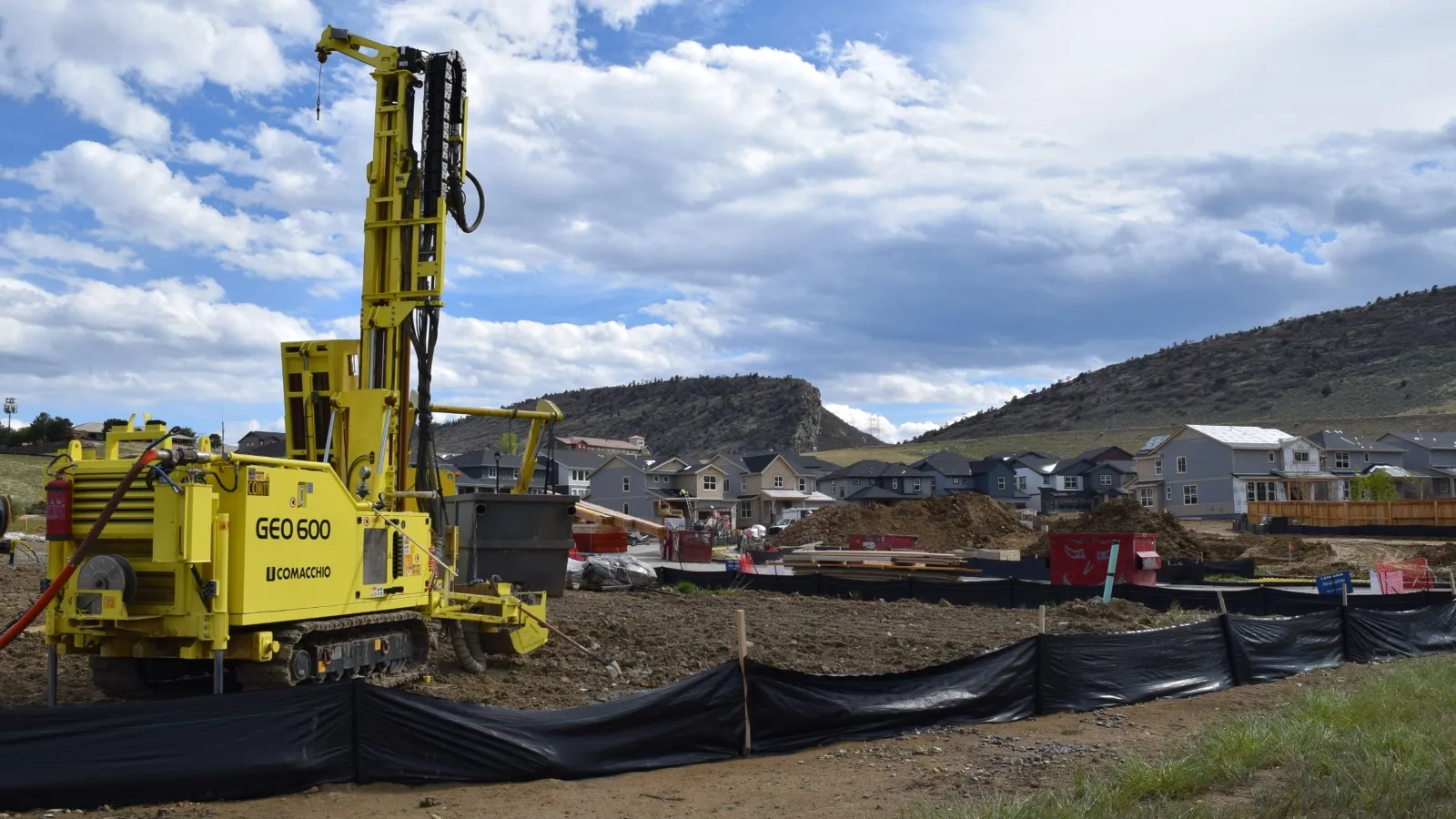
By utilizing lightweight, specialized drilling rigs that move rapidly from lot to lot, the company achieves operational efficiencies that are impossible in one-off installations. The ability to complete the borehole installation for multiple homes in a single day eliminates the significant downtime associated with transporting and setting up heavy machinery. According to Dandelion CEO and Chairman Dan Yates, the company’s current approach allows for project completion at double the speed and half the cost of traditional methods.
The environmental implications are equally compelling. According to a 2025 U.S. Department of Energy (DOE) report, there are roughly one million U.S. homes currently utilizing geothermal heat pumps, with approximately 100,000 new installations occurring annually. The DOE estimates that if this number were to scale to 7 million homes by 2035, the nation could reduce winter peak energy demand by more than 40 gigawatts. This reduction would translate into an estimated $4 billion in annual savings for the national electric grid, alleviating the strain on utilities during periods of extreme weather.
Policy Drivers and Market Incentives
The rapid adoption of this technology is being catalyzed by a convergence of state-level policy and utility-backed financial incentives. In Colorado, Xcel Energy has launched an aggressive energy efficiency program that provides roughly $25,000 per home for new buildings that incorporate ground-source heat pumps. For developers constructing large-scale neighborhoods, these rebates can reach into the seven figures, effectively neutralizing the cost premium of geothermal systems compared to traditional gas-fired furnaces.
Furthermore, the legislative landscape is increasingly hostile toward traditional gas infrastructure. Under Colorado’s Clean Heat Standard, which mandates a 22 percent reduction in greenhouse gas emissions from 2015 levels by 2030, utilities are under immense pressure to decarbonize. Additionally, state regulations that require homebuilders to finance the expansion of gas service pipelines create a hidden cost for developers. By opting for all-electric, geothermal-equipped homes, builders can bypass these capital-intensive gas service fees entirely.
Beyond local incentives, the federal government has also stepped in to bolster the market. Commercial and residential geothermal projects now qualify for significant federal tax credits, including a 30 percent investment tax credit for qualified installations. This legislative support is creating a "virtuous cycle" where falling costs and rising incentives encourage further investment from large builders like Lennar.
The Broader Implications for the Housing Sector
The transition to geothermal heating represents more than just a technological upgrade; it signals a fundamental change in the relationship between residential real estate and utility infrastructure. As the building sector seeks to decarbonize, the "electrify everything" movement has focused primarily on air-source heat pumps and induction stoves. However, the limitation of air-source heat pumps—namely their decreased efficiency during extreme cold—remains a concern for northern climates.
Ground-source heat pumps provide the "missing link" for cold-climate electrification. By offloading the heating burden to the constant temperature of the earth, these systems provide a stable, year-round solution that does not rely on the combustion of fossil fuels. As noted by Juliet Simpson, lead author of a study in the journal iScience, the economic potential for this technology is not limited to specific regions; it is viable across the continental United States.
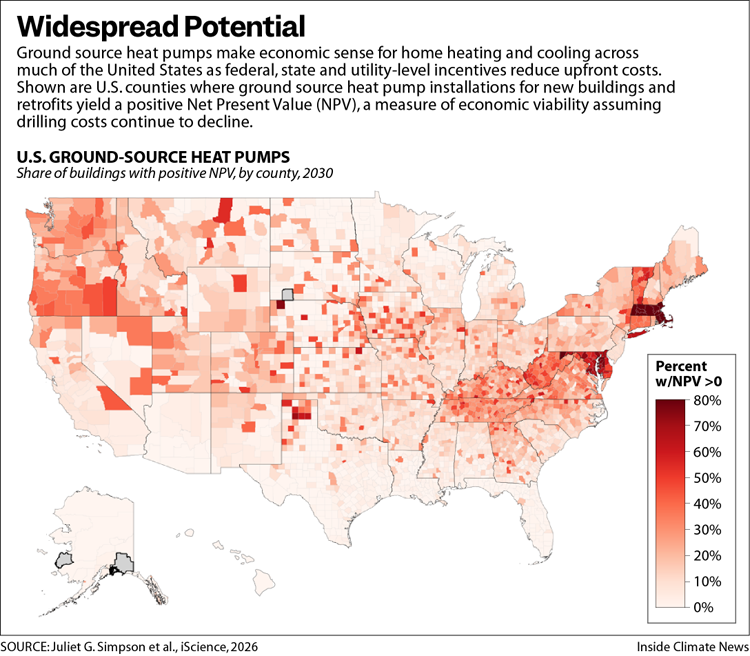
Industry experts remain optimistic. Jessica Silber-Byrne of the Building Decarbonization Coalition suggests that the combination of private-sector innovation and public-sector fiscal policy is creating a tipping point. "The economics just look better and better," she noted, emphasizing that the market signals are now aligned for a period of rapid, sustained growth in geothermal infrastructure.
Challenges Ahead
Despite the momentum, significant hurdles remain. In dense, existing urban environments, space constraints for drilling rigs and complex underground utility mapping present physical challenges that do not exist in suburban developments like Ken Caryl Ranch. Furthermore, the permitting process for deep-well drilling remains fragmented across various jurisdictions, creating a patchwork of regulatory requirements that can slow deployment.
However, the success of the Lennar-Dandelion partnership demonstrates that these challenges are not insurmountable. By standardizing the installation process and integrating geothermal planning into the earliest stages of architectural and site design, the industry is proving that high-efficiency heating is no longer a niche, boutique product. As the cost-benefit analysis continues to improve, geothermal energy is poised to move from the fringes of sustainable technology into the mainstream of American homebuilding, offering a robust, long-term solution to the dual challenges of grid reliability and climate change.