The High Cost of Security: How Decades of Military Contamination and Strategic Buildup Have Altered Life on Guam

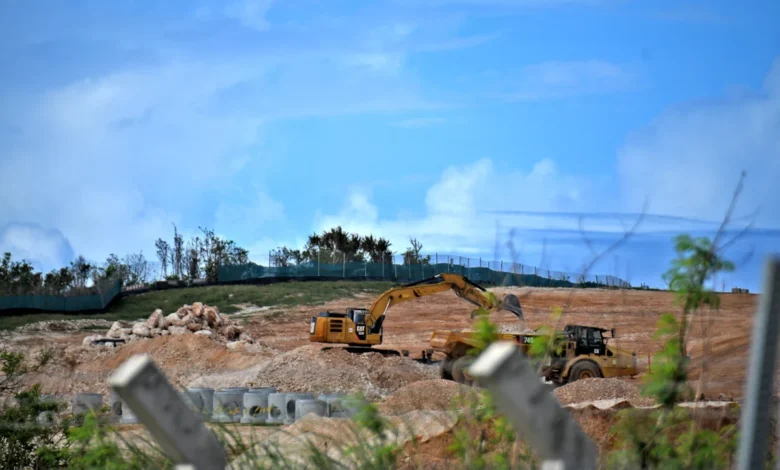
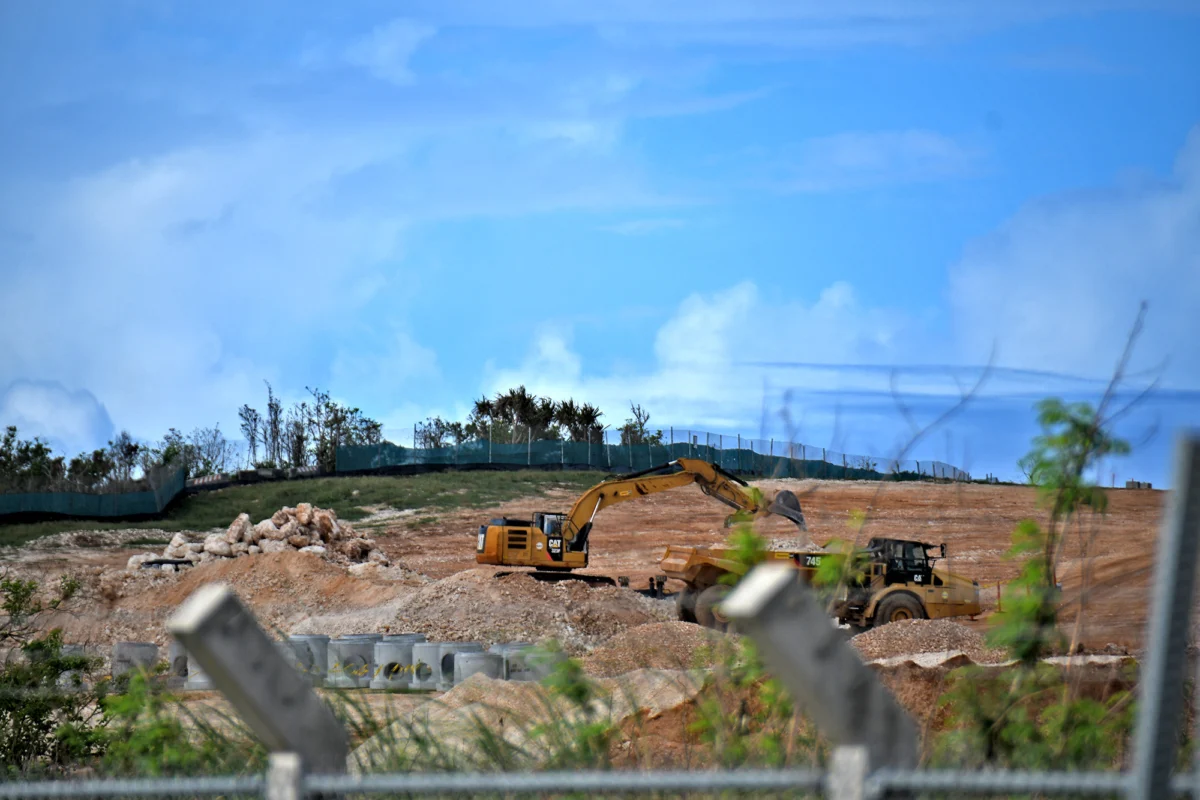
Leevin Camacho was brushing his teeth one morning last autumn when his mother’s frantic call interrupted his routine, delivering news that would fundamentally shift his perspective on his home island. She told him the water was contaminated. Moments later, a digital image of a government-issued flyer appeared on his screen: "Cancer risk," it warned, citing an increased likelihood of liver damage. In bold, unmistakable capital letters, it commanded: "DO NOT DRINK."
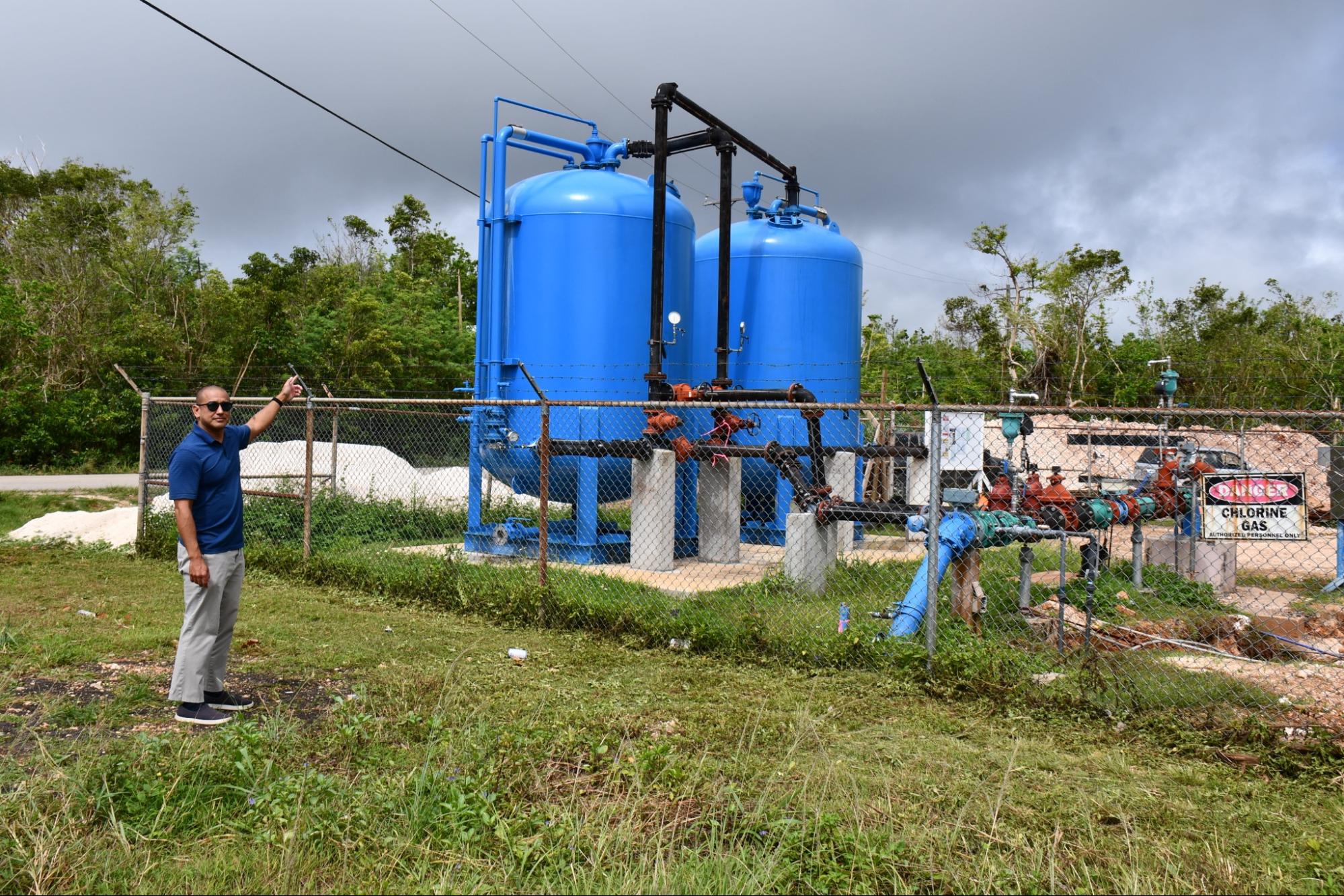
For Camacho, a prominent attorney and resident of the northern village of Yigo, the directive was a jarring collision between the realities of daily life and the hidden environmental costs of Guam’s status as a critical U.S. military hub. As his children, aged 10 and 12, finished their morning routines, he realized the water flowing from their taps—the water they had used for drinking, cooking, and bathing for their entire lives—was potentially poisoned.
The Dieldrin Crisis and Environmental Legacy
The contaminant in question, dieldrin, is a highly persistent organochlorine insecticide. Banned by the United States in 1987 due to its toxicity and tendency to bioaccumulate, it remains a dangerous relic of past agricultural and industrial practices. Investigative records indicate that high levels of this chemical have been detected in Yigo’s groundwater since at least 2008.
The presence of such pollutants is not an isolated incident but part of a broader, decades-long pattern of environmental degradation in Guam. The island is currently navigating a massive military expansion, yet it remains scarred by the debris of the 20th century. Unexploded ordnance continues to be discovered in jungles and lagoons, while polychlorinated biphenyls (PCBs) have been identified in local fish populations, impacting the traditional diet of the CHamoru people.
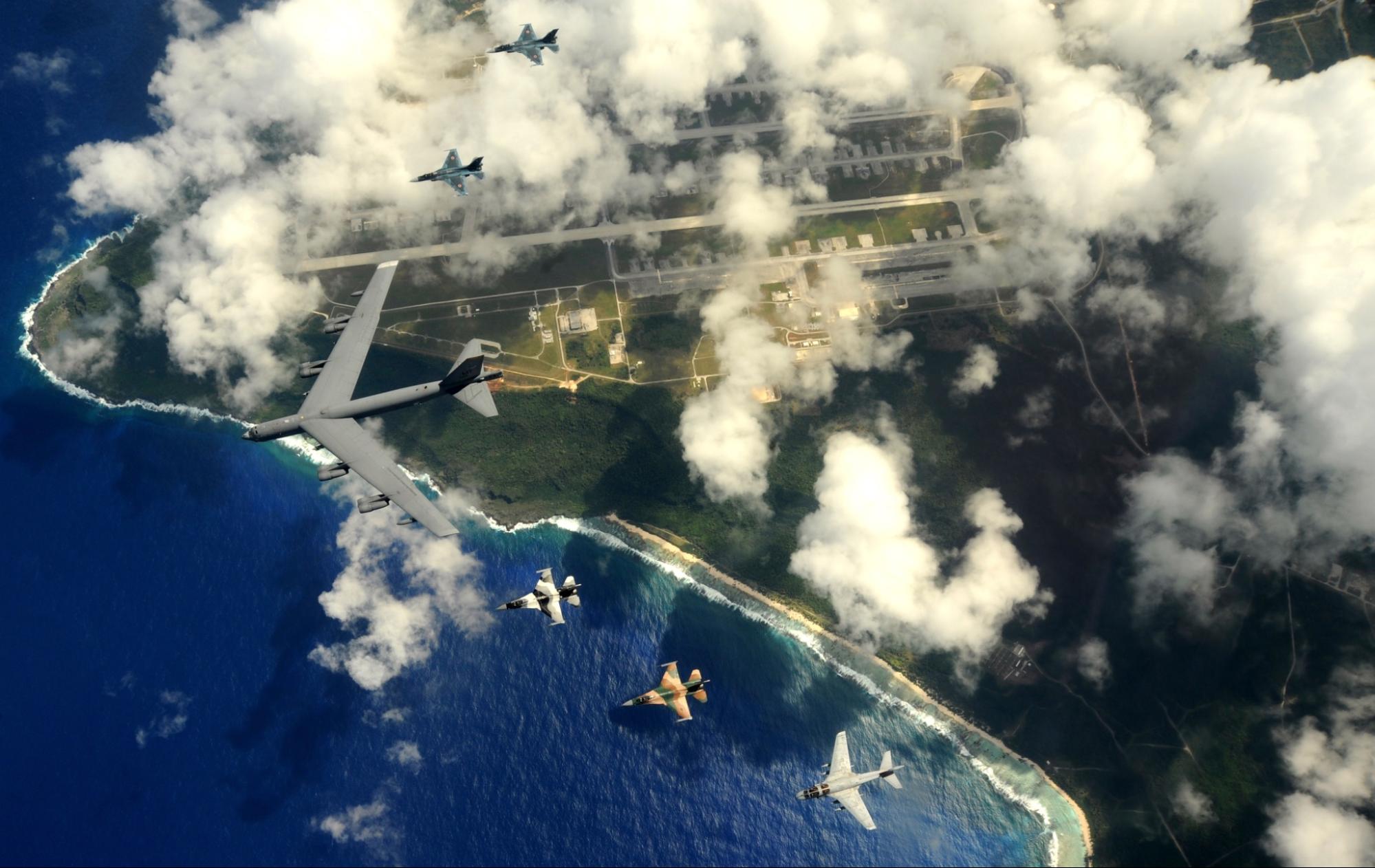
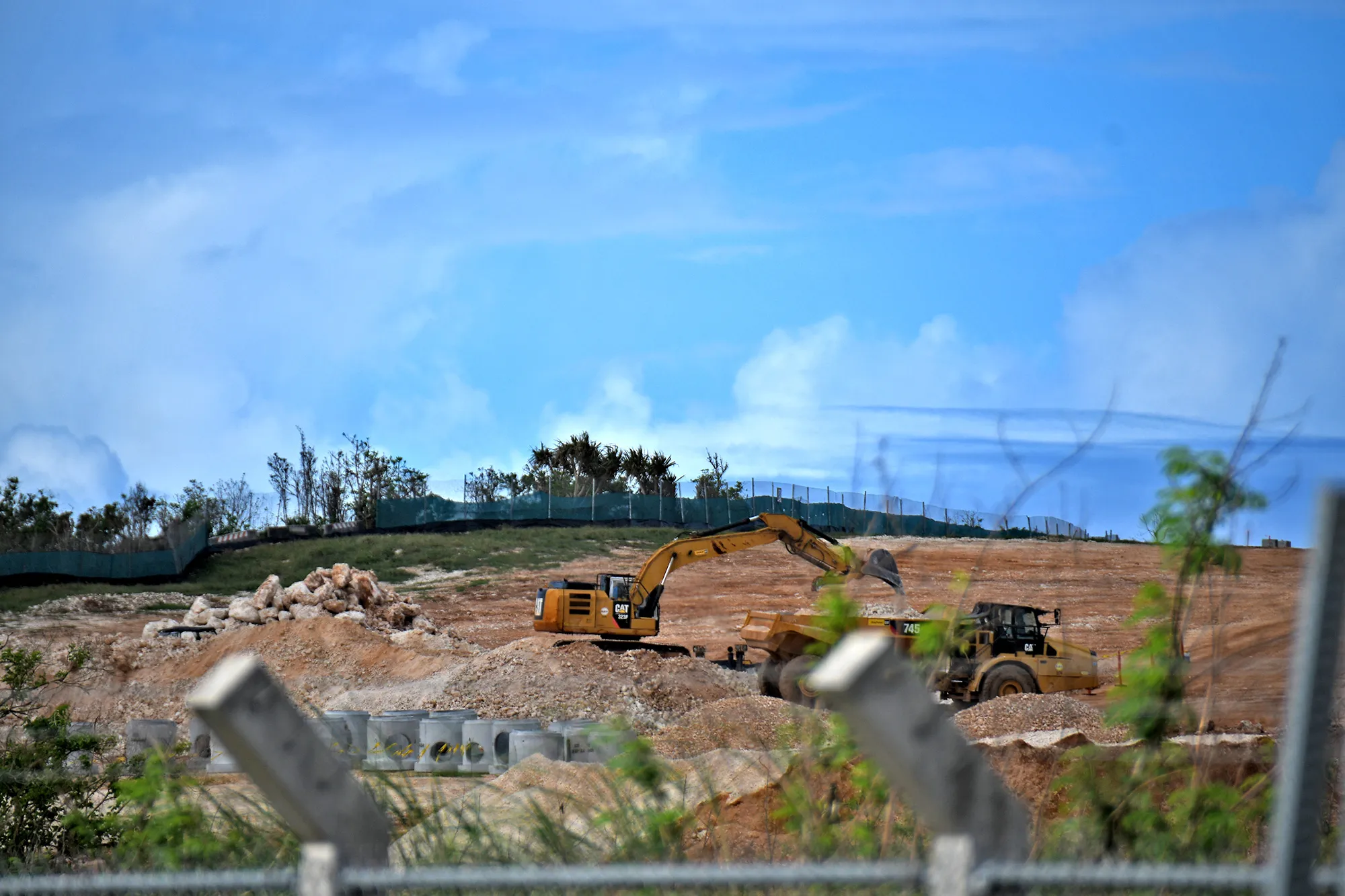
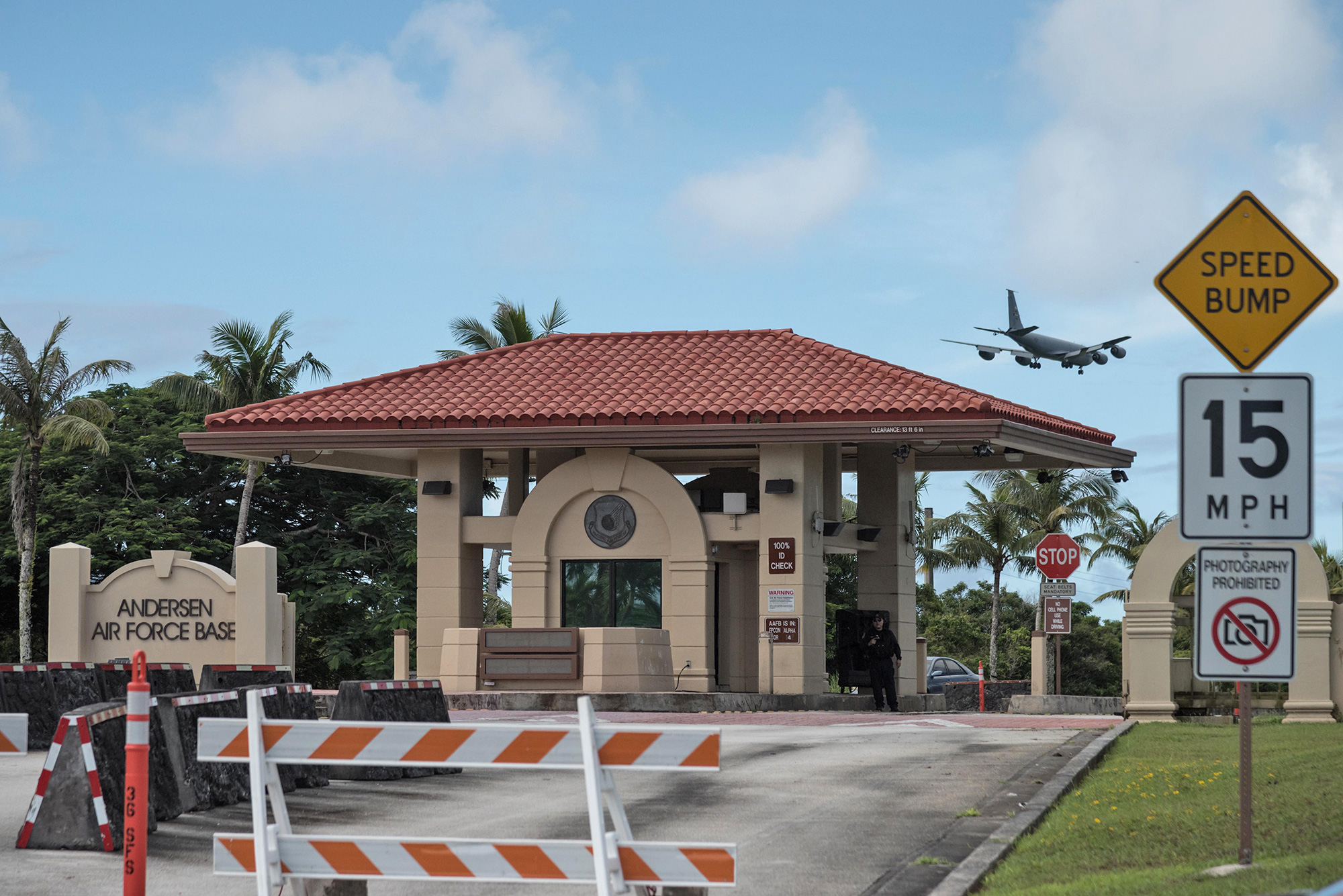
The Pentagon’s current investigation into the source of the dieldrin, spearheaded by officials at Joint Region Marianas, remains in its preliminary stages. While local officials suspect the proximity of Andersen Air Force Base—which has listed the pesticide as a "chemical of concern" since 1993—may be a primary source, the historical ubiquity of the chemical complicates efforts to assign definitive liability.
A Century of Strategic Militarization
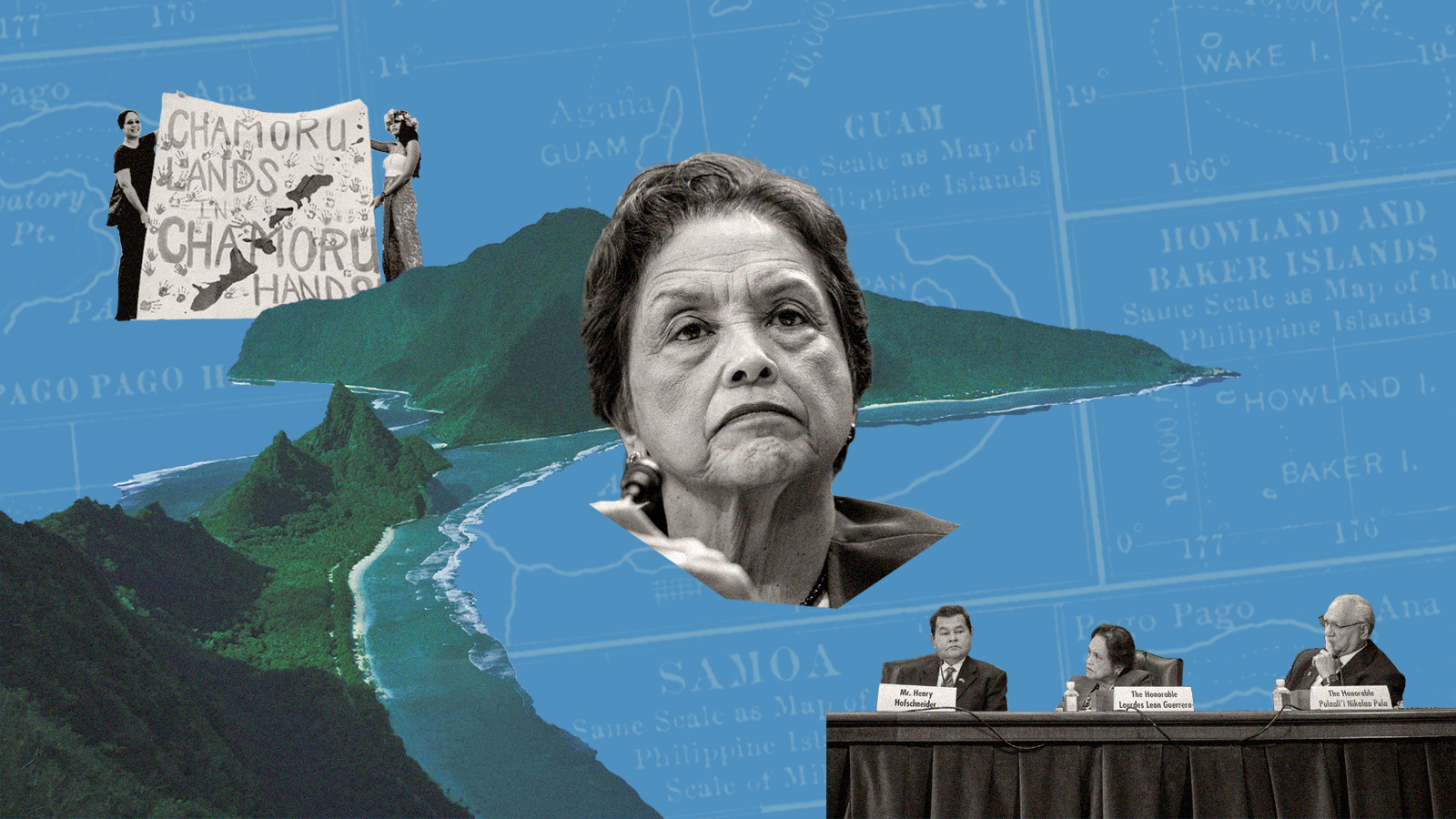
To understand the current tension in Guam, one must examine the island’s complex history as a U.S. territory. Settled by CHamoru seafarers over 3,500 years ago, Guam’s modern identity has been defined by colonial shifts: from Spanish control to American naval rule, followed by a brutal occupation by Japanese forces during World War II. When American forces returned in 1944, they were greeted as liberators, a narrative that has long dominated the island’s relationship with the U.S. military.
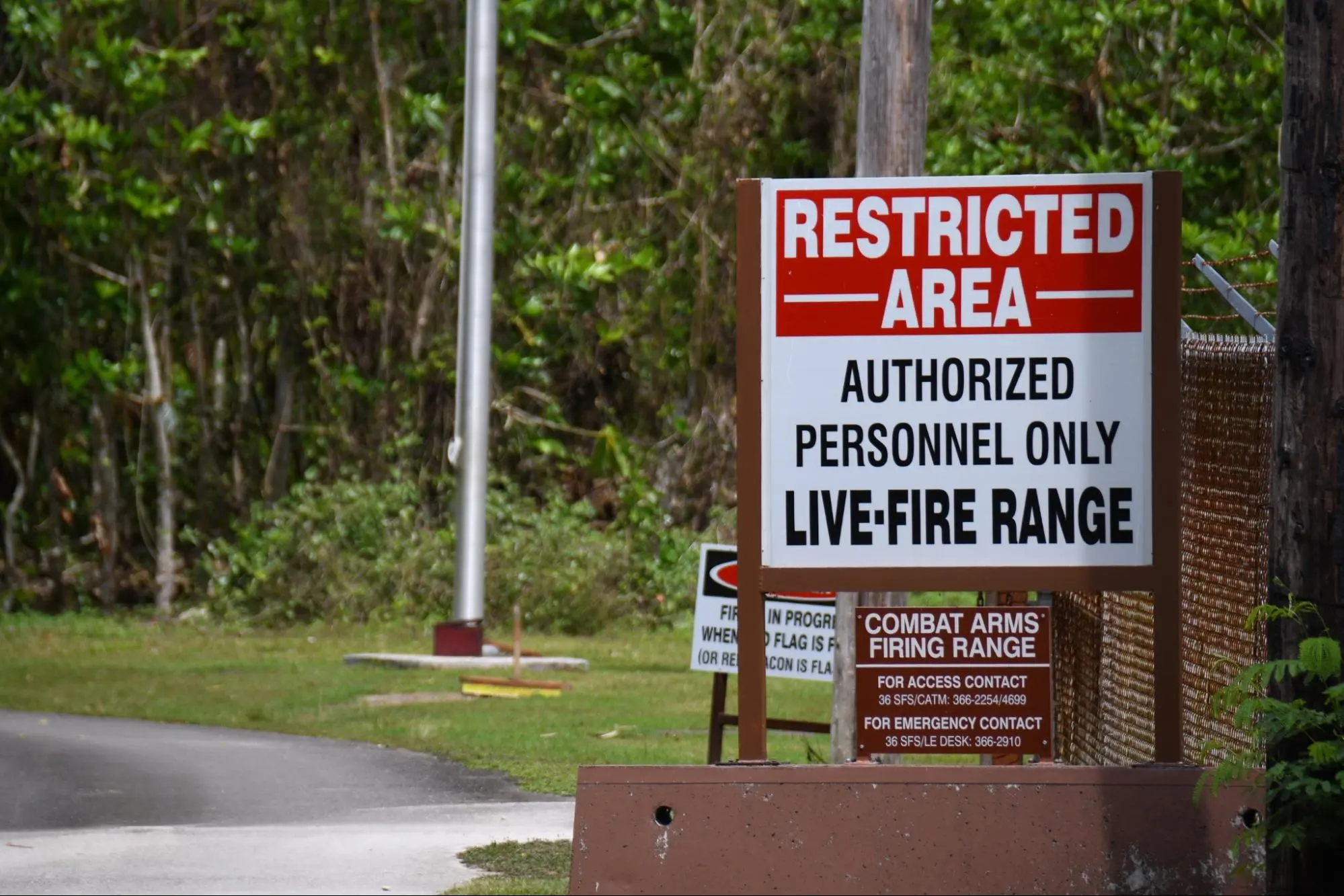
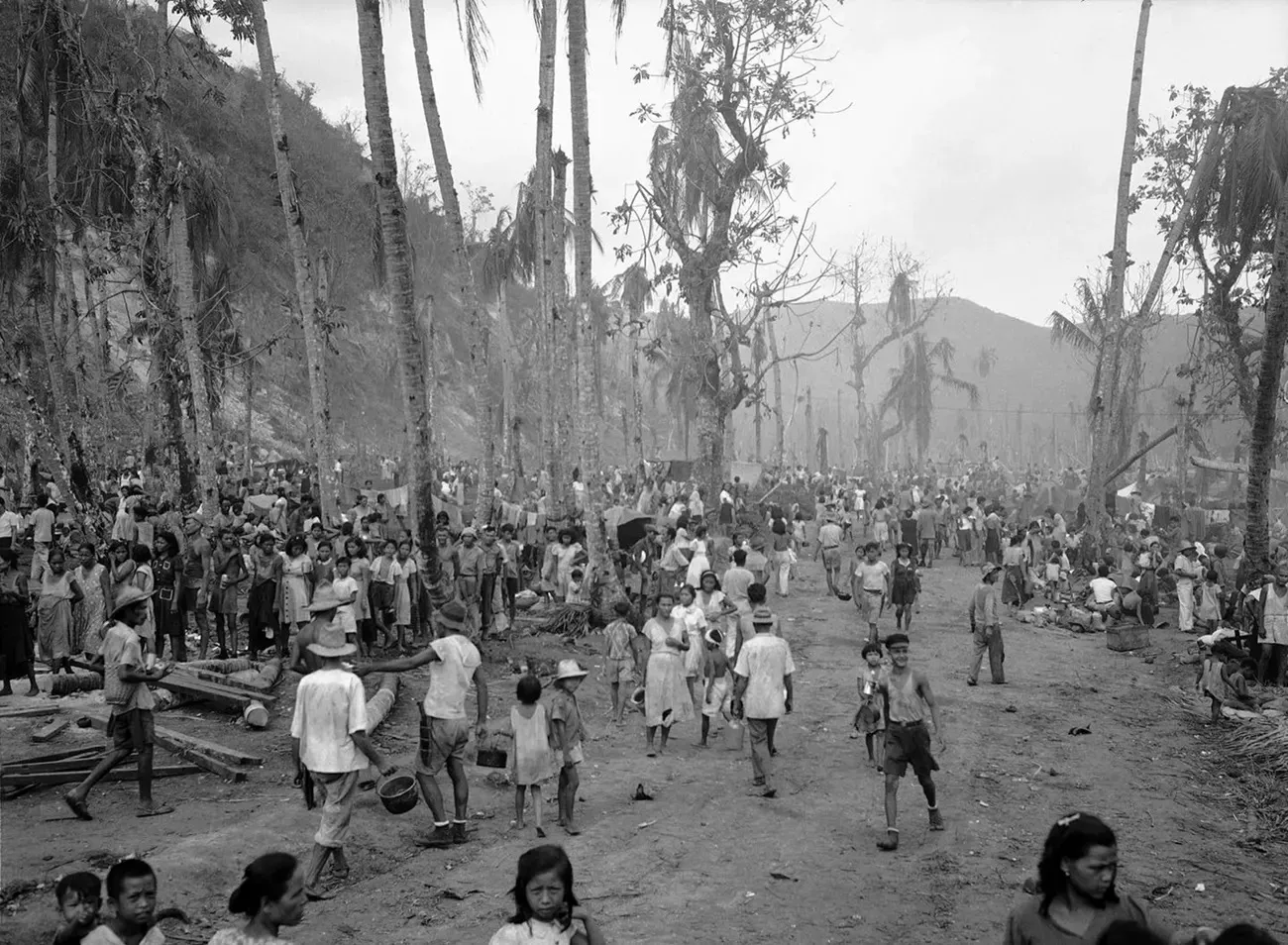
However, the post-war era saw the U.S. military acquire approximately two-thirds of the island’s land, displacing entire communities into refugee camps to accommodate strategic infrastructure. Today, while some land has been returned, the Department of Defense still maintains control over at least a quarter of the island. The island’s infrastructure, including its primary highway, Marine Corps Drive, was engineered for military logistics rather than civilian mobility.
The Current Buildup: Economic Opportunity or Existential Risk?
Guam is currently the centerpiece of an $8 billion, multi-year military buildup designed to counter geopolitical shifts in the Indo-Pacific. This includes the activation of Marine Corps Base Camp Blaz, the installation of 16 new missile defense sites, and upgrades to ports to accommodate nuclear submarines.
The economic arguments for this expansion are significant. A local economist recently informed the Guam Legislature that for every dollar spent by the Pentagon, 75 cents is added to the island’s GDP. Consequently, political leadership, including Governor Lou Leon Guerrero, has often advocated for a collaborative approach, urging the military to invest in hardening civilian infrastructure, such as power grids and hospital capacity, in exchange for the island’s cooperation.
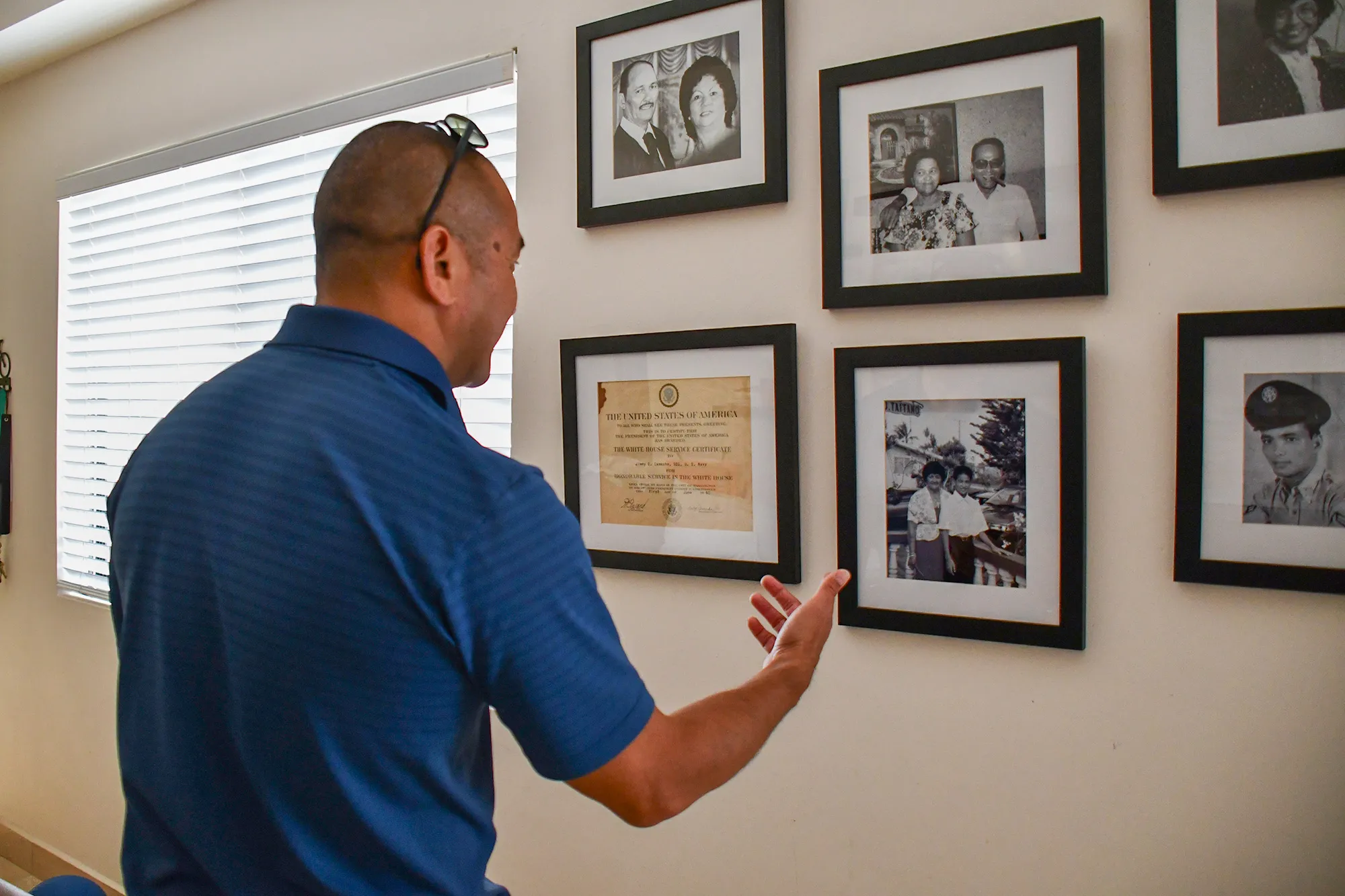
Conversely, activists like Camacho and groups such as We Are Guåhan argue that the military presence is a "sacrifice zone" policy. They point to the displacement of indigenous sites, the destruction of limestone forests, and the increasing cost of living—driven by an influx of thousands of military personnel—as evidence that the local population is being marginalized.
Official Responses and Security Rationales
Rear Admiral Brett Mietus, commander of Joint Region Marianas, emphasizes that the military is operating under strict environmental regulations. "We’re meeting every letter of every law for environmental regulations and rules," Mietus stated, noting that the ongoing investments are intended to defend Guam from advanced missile threats. Regarding the water contamination, he maintains that the command is committed to working with local officials to protect the environment.
Yet, for many residents, the justification of "national security" rings hollow when the immediate threats to their health and cultural heritage are so apparent. The "Guam Killer" missile developed by China serves as a constant reminder of the island’s vulnerability, yet for the people of Yigo and beyond, the threat of potential war is compounded by the ongoing, documented harm to their environment.
A Regional Ripple Effect
The military strategy extending from Guam now reaches across the Pacific, impacting the Federated States of Micronesia, Palau, and the Northern Mariana Islands. In Yap, the Navy’s proposal to dredge a lagoon to create a seaport has sparked local resistance. The plan, which could impact marine protected areas and disturb ancestral graves, is viewed by many as a repeat of the patterns seen in Guam.
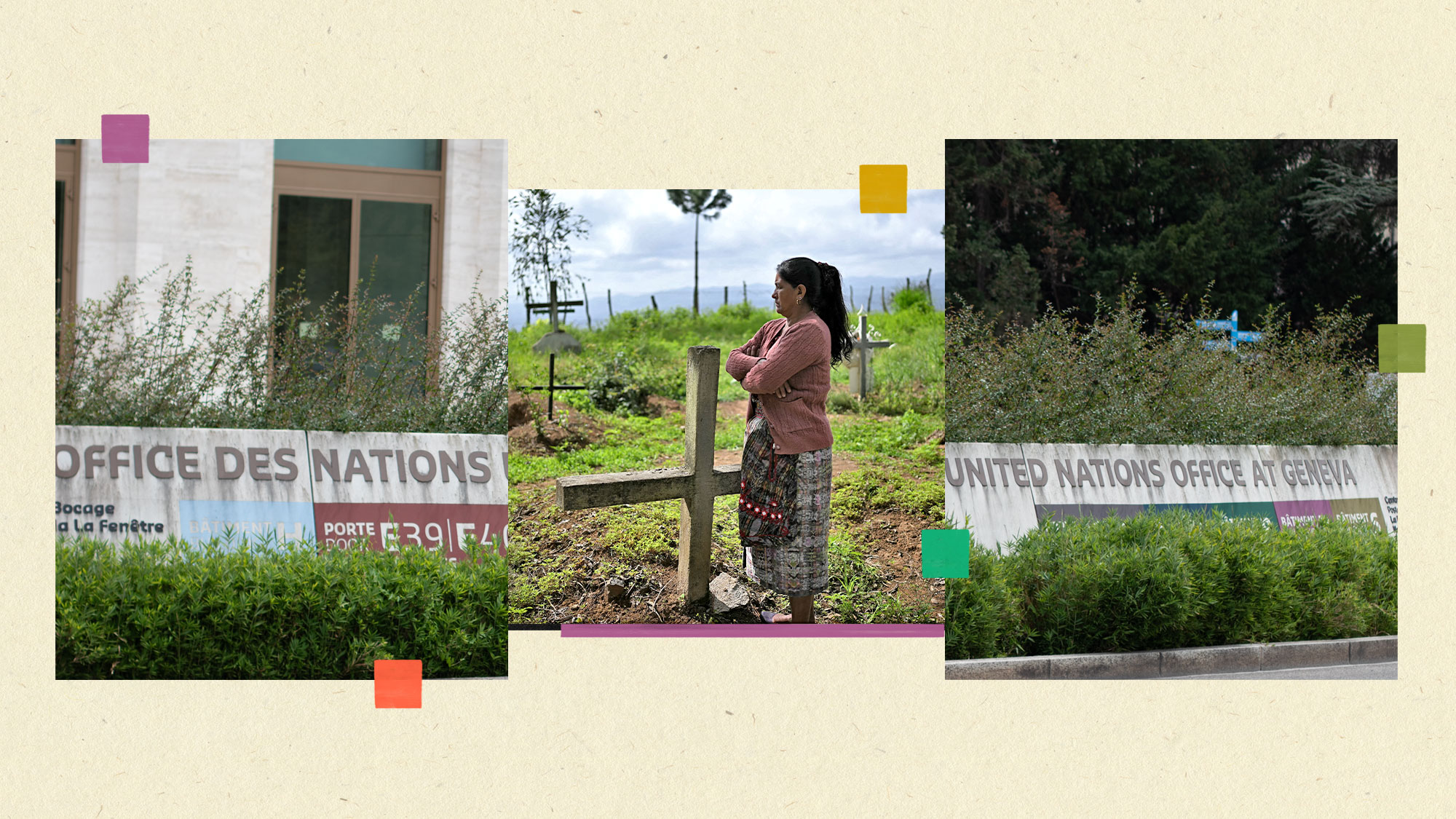
Indigenous leaders in Palau are currently suing the U.S. government, alleging violations of treaty obligations and environmental protections. Meanwhile, in the Northern Mariana Islands, the construction of new airfields and live-fire training ranges on Tinian and other islands suggests a long-term shift toward a highly militarized Pacific frontier.
The Path Forward: Accountability and Self-Determination
The legal landscape is shifting as residents seek to hold the federal government accountable. Leevin Camacho’s career has been defined by these efforts, most notably a landmark Supreme Court case that forced the U.S. to pay $48.9 million for the cleanup of a hazardous landfill.
Despite these victories, the fundamental issue of Guam’s political status remains unresolved. As a U.S. territory, Guam’s residents lack a vote for the U.S. president and lack full voting representation in Congress, leaving them with limited leverage to negotiate the terms of the military buildup.
For Camacho, the fight for clean water and environmental justice is not just about the present; it is about the viability of the island for his children. "I’m going to try to do the best that I can to protect my island," he says. His persistence is shared by a growing coalition of activists who refuse to see their home treated as mere real estate.
As the U.S. military continues to expand its footprint in the Indo-Pacific, the story of Guam serves as a critical case study in the tension between global strategic objectives and local survival. Whether the current path of growth will lead to a secure future or a continued cycle of contamination and displacement remains the central question for the people of the Marianas. For now, the residents of Yigo wait, not only for the results of the dieldrin investigation but for a broader recognition that their home is more than a strategic asset—it is a community that requires protection, not exploitation.