A Rare Diplomatic Consensus Emerges as Global Leaders Address the Existential Threat of Sea Level Rise

In a landscape defined by deepening geopolitical fragmentation and the systematic dismantling of multilateral climate frameworks, the United Nations General Assembly delivered an unexpected breakthrough this week. World leaders, including representatives from the United States, reached a unanimous agreement on a landmark resolution establishing a legal framework for how nations should manage the catastrophic implications of rising sea levels. This development marks a rare moment of unity in an era where the Trump administration has aggressively pursued an "America First" policy, characterized by its withdrawal from the Paris Agreement, opposition to international carbon pricing for the maritime sector, and the implementation of protectionist tariffs against nations emphasizing climate-related grievances.
The Erosion of Sovereignty: A Growing Global Crisis
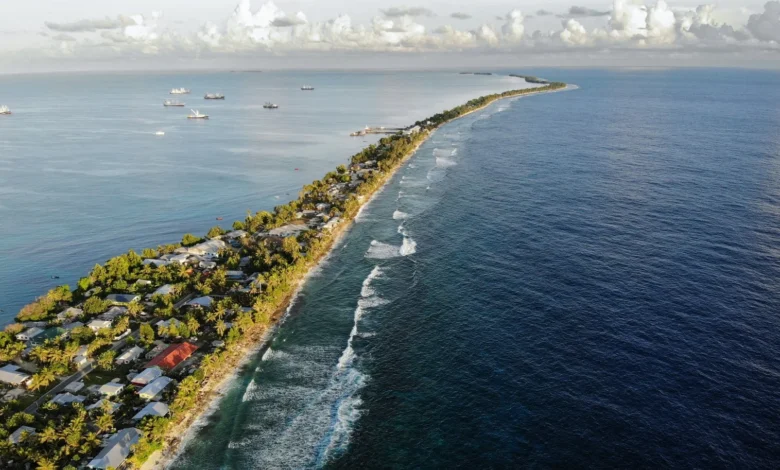
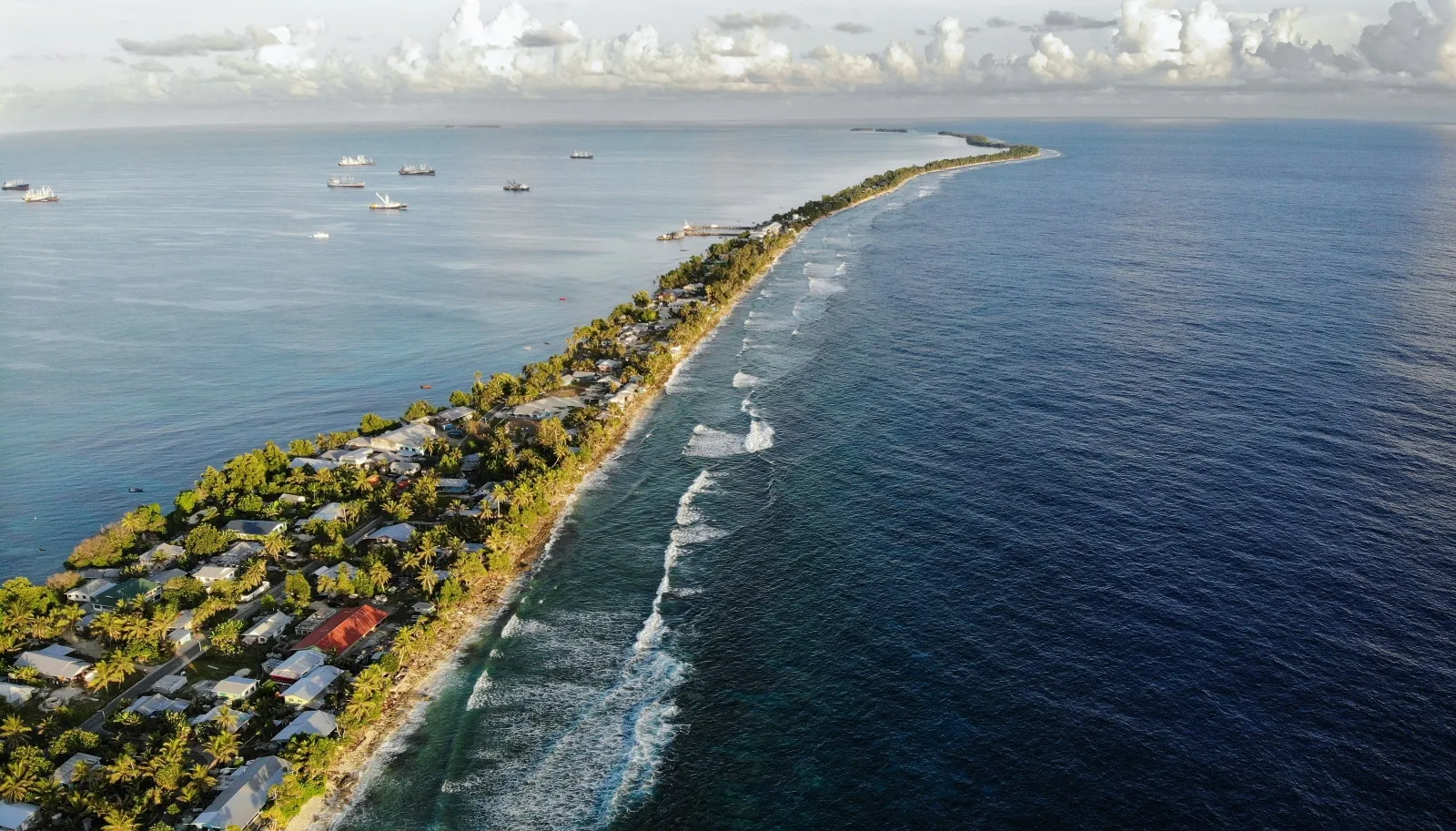
The scientific consensus on sea level rise is stark. As global temperatures climb, the melting of polar ice sheets and mountain glaciers is accelerating at rates that threaten the very existence of low-lying island nations. For countries such as Tuvalu, the Marshall Islands, and the Maldives, the threat is not merely environmental but existential. The physical disappearance of landmasses under the rising Pacific and Indian Oceans has historically left these nations in a legal gray area: it remained unclear whether a sovereign state could continue to exist once its territory was entirely submerged.
The newly adopted UN declaration provides a definitive answer: statehood is not contingent upon the physical existence of land. Under the accord, nations facing total inundation will retain their legal status as political actors on the world stage. Furthermore, the agreement solidifies the right of these states to maintain their existing maritime zones—the expansive stretches of ocean extending from their coastlines that grant them exclusive rights to fisheries, mineral deposits, energy resources, and strategic security buffers.
Chronology of the Diplomatic Breakthrough
The road to this resolution was paved by the Alliance of Small Island States (AOSIS), a coalition of 39 nations that has spent years lobbying international legal bodies to codify protections for countries on the front lines of climate change.
- 2024: The international community agrees to a target of $300 billion in annual climate aid by 2035, though progress remains slow and heavily reliant on debt-based financing rather than grants.
- 2025 (Early): The International Court of Justice issues a historic advisory opinion, ruling that the disappearance of a state’s territory does not automatically result in the termination of its statehood or sovereign rights.
- 2025 (August): Tensions rise as the U.S. threatens tariffs against nations pushing for more aggressive climate-related financial commitments, signaling a period of intense pressure against multilateralism.
- 2025 (September): During the UN General Assembly, the declaration on sea level rise is formally introduced. Unlike previous climate negotiations that devolved into acrimony, this session sees a surprising lack of opposition from major emitters.
- 2025 (Present Week): The resolution is adopted by consensus, marking a major departure from the administration’s recent history of blocking climate-related rhetoric in international forums.
The Strategic Motivation Behind U.S. Participation
The decision by the United States to allow the resolution to proceed without obstruction has puzzled some observers, given the administration’s overt hostility toward climate-related diplomacy. However, experts point to a pragmatic, self-interested motivation. Maritime borders are critical for global economic stability and national security. The United States, with its vast coastlines in the Atlantic, Pacific, and Gulf of Mexico, faces its own long-term risks from rising seas.
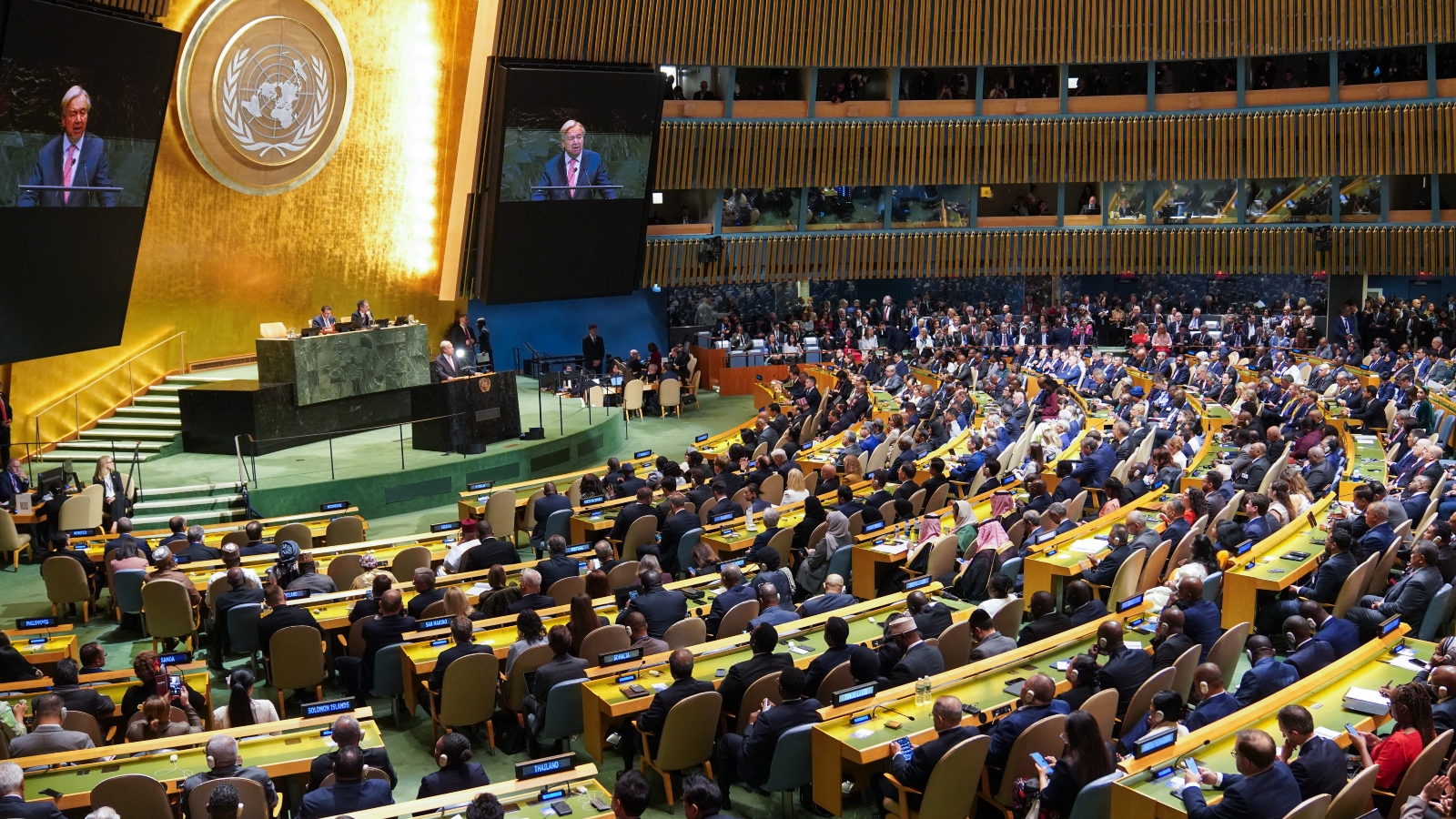
By endorsing a "presumption in favor of continued statehood" and the stability of maritime boundaries, the U.S. is protecting its own interests. If the precedent were set that a nation loses its maritime territory—and the associated oil, gas, and mineral rights—the moment its land disappears, it would create a chaotic legal environment for every coastal nation. By supporting this resolution, the U.S. ensures that its own exclusive economic zones (EEZs) remain protected, even if local geographies shift over the coming centuries.
"Everyone will lose land, and no one wants to lose ocean territory," says Bryce Rudyk, a law professor at New York University and legal advisor to AOSIS. "It is in the strategic interest of every major power to maintain a rules-based order for maritime borders, rather than inviting a free-for-all over resources."
Financial Realities and the Adaptation Gap
While the diplomatic victory is significant, the declaration does not directly address the ballooning financial deficit in climate adaptation. According to OECD data, wealthy nations are currently providing roughly $130 billion annually in grants and loans for climate action—a figure that falls well short of the trillions required to build necessary infrastructure, such as sea walls, desalination plants, and elevated housing.
For countries like the Bahamas, the financial burden is exacerbated by extreme weather events. Following the devastation of Hurricane Dorian in 2019, the Bahamian government was forced to take on billions in additional debt to fund recovery efforts. Prime Minister Philip Davis, in an interview with Grist, emphasized that the current reliance on high-interest loans is unsustainable for nations that are victims of a crisis they did not create.
"Our landmass is less than 3 meters above sea level; we are already seeing our land being swallowed by water," Davis said. "While this declaration provides the legal framework for our future, we still require a tangible flow of action. We need the international community to recognize that this cannot be a ‘might is right’ situation where the wealthy ignore the survival of the vulnerable."
Implications for Global Commerce and Extraction
The resolution’s explicit language regarding maritime zones has immediate implications for the burgeoning deep-sea mining industry. With corporations increasingly eyeing the Pacific floor for cobalt, nickel, and manganese, the affirmation of sovereign control over maritime zones provides small island states with a shield. It prevents powerful nations and private entities from claiming "abandoned" ocean territory for industrial exploitation.
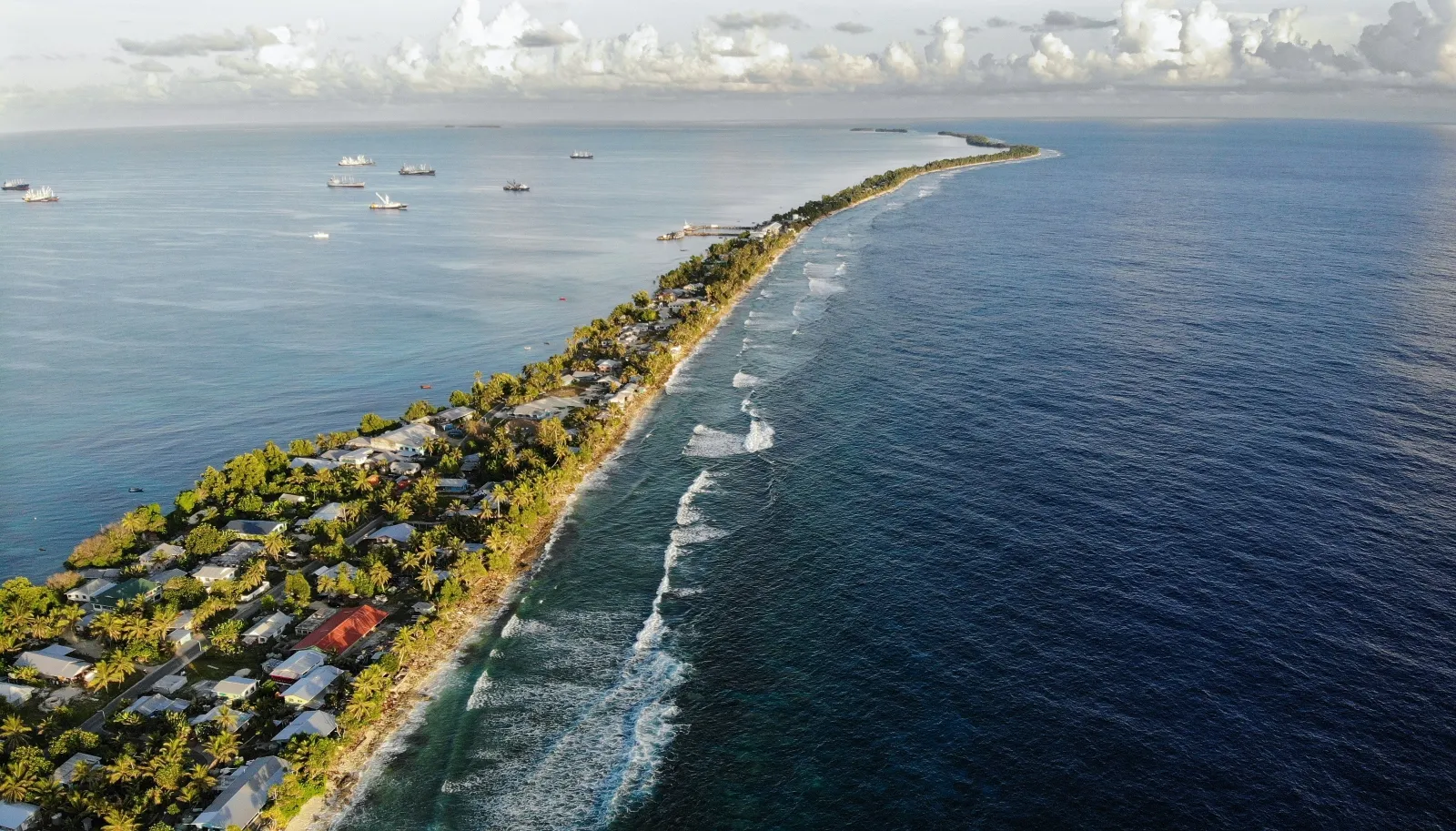
By enshrining the right to these zones, the UN has essentially placed a legal speed bump in the path of the extractive industries. Countries like the Marshall Islands can now assert control over their waters with the weight of international consensus behind them, regardless of the status of their physical islands.
Looking Toward the Future
The declaration is, at its core, a defensive document. It does not mitigate the warming of the planet, nor does it provide a direct path to the massive capital transfers required for climate adaptation. However, it represents a pivot from a climate discourse dominated by pure power politics to one that acknowledges the necessity of international law in a changing world.
The fact that the U.S. State Department remained silent rather than blocking the resolution suggests that the administration recognizes the distinction between voluntary climate mitigation efforts—which it continues to reject—and the preservation of the global maritime order, which it considers vital to national security.
As the world looks toward future climate summits, the focus will likely shift to whether this legal consensus can be leveraged to address the broader financial obligations of wealthy nations. For the small island states, the declaration is a lifeline that ensures their voices will continue to be heard, even if their shores eventually disappear beneath the waves. The challenge now lies in transforming these legal principles into the concrete resources required to protect the lives and livelihoods of those currently living on the front lines of the climate crisis. The consensus achieved this week serves as a reminder that even in a climate of isolationism, the physical realities of the planet impose a limit on how far any nation can move away from the collective interests of the international community.
Related posts: