The Unprecedented Escalation of the 2026 Super El Niño and Its Global Climate Consequences

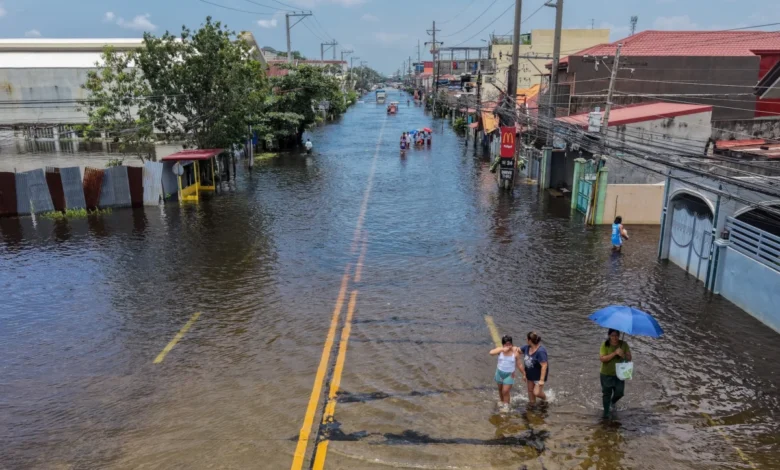
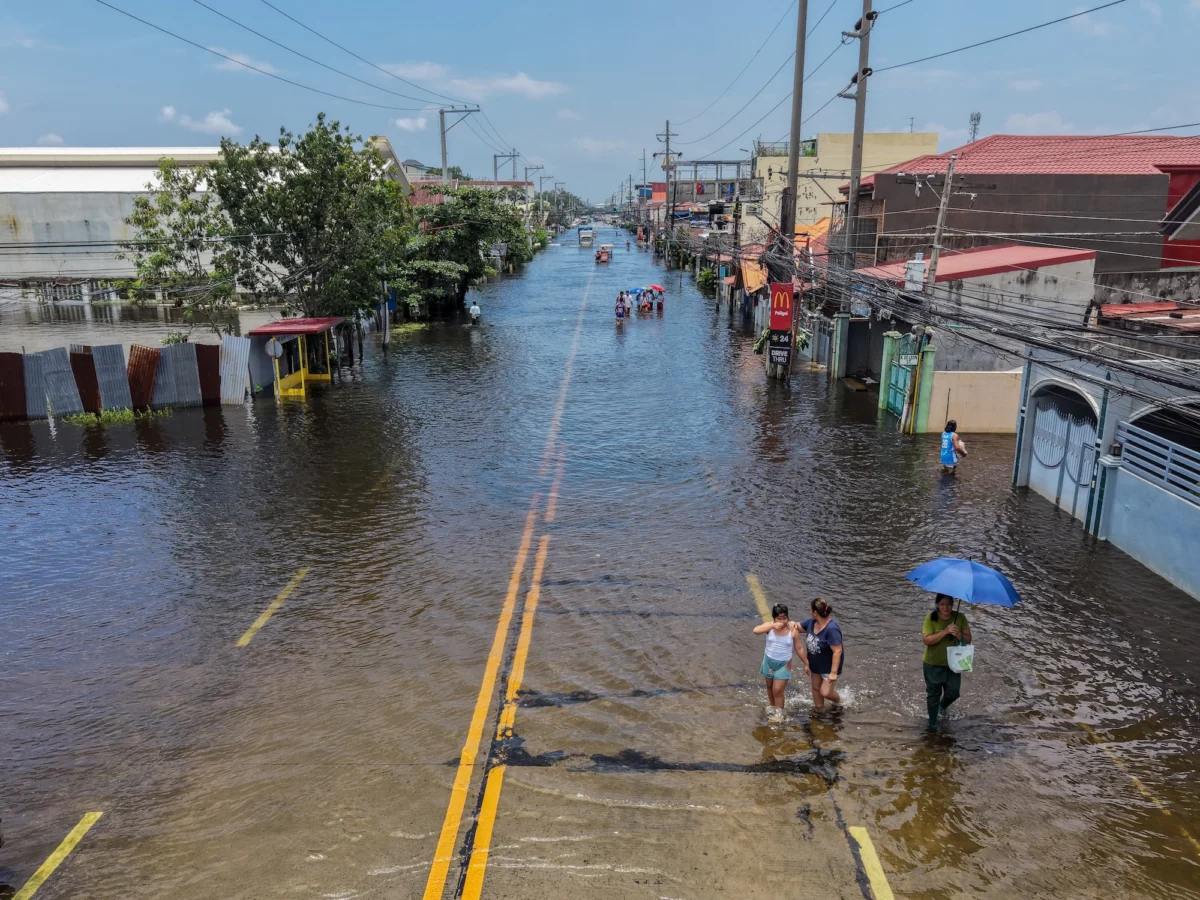
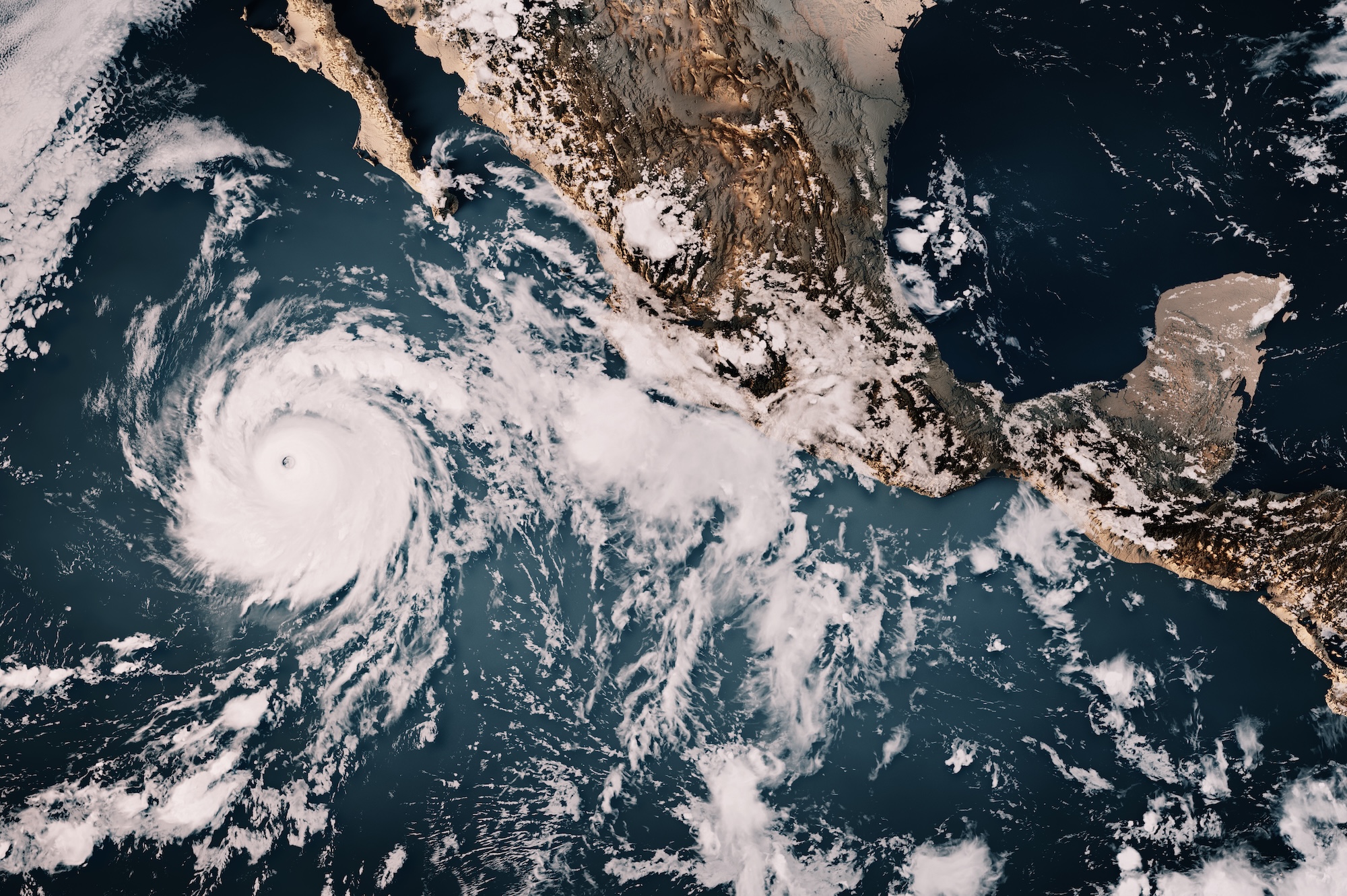
The current meteorological phenomenon dominating the Pacific Ocean has moved beyond the bounds of historical precedent, triggering urgent declarations of state emergencies and heightening global concerns regarding food security, public health, and infrastructure stability. Characterized by a significant shift in trade winds and a dramatic rise in sea surface temperatures, this event—colloquially termed a "Super El Niño"—has reached an anomaly of 3.11 degrees Celsius in the Niño 3.4 region as of late September 2026. This intensity surpasses the previous benchmark set in November 2015, signaling a departure from standard climate variability into a regime influenced by rapid, anthropogenically driven global warming.
Chronology of the 2026 Climate Anomaly
The genesis of this event can be traced back to early 2026, when atmospheric and oceanic models began to detect a weakening of the east-to-west trade winds that typically drive warm surface water toward East Asia. By mid-spring, the Pacific equatorial waters began to retain heat at an accelerated rate. By the summer months of June, July, and August, sea surface temperatures reached their highest recorded levels, essentially setting the stage for a cascading series of weather events.
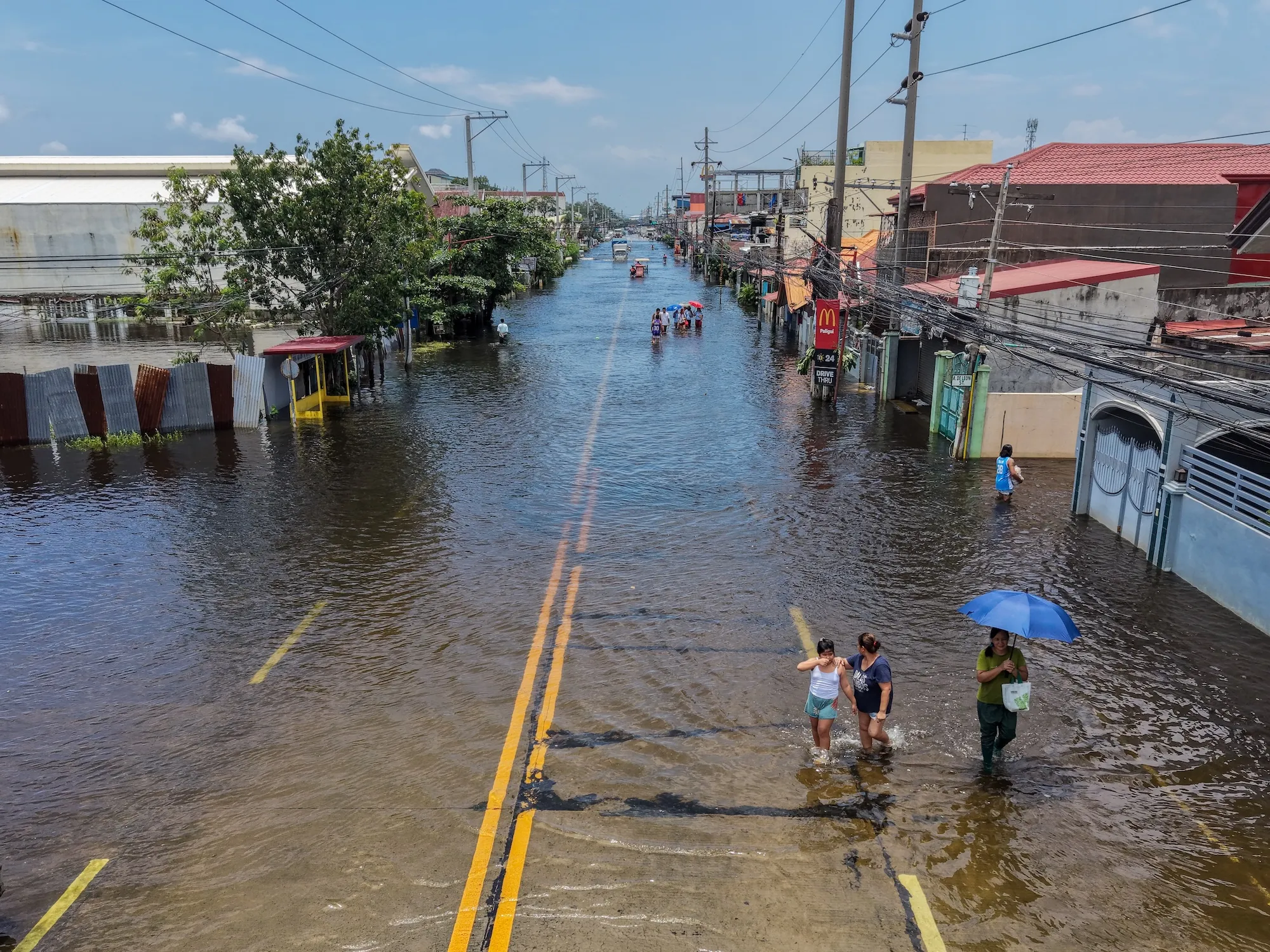
In response to the mounting data, regional authorities across the globe began adjusting infrastructure and emergency protocols. By September 2026, the situation had reached a critical threshold. California Governor Gavin Newsom formally proclaimed a state of emergency to expedite the mobilization of resources and defensive measures against the predicted storm surges, flooding, and potential drought-induced wildfires. This proactive stance mirrors similar preparations in South America and Southeast Asia, where nations have initiated multi-hazard drills to mitigate the risks posed by the volatile climate shift.
Defining the Super El Niño
In the nomenclature of the National Oceanic and Atmospheric Administration (NOAA), an El Niño event is formally recognized when sea surface temperature anomalies in the Niño 3.4 region exceed 0.5 degrees Celsius. The classification scale is hierarchical: 1.0 degree constitutes a "moderate" event, 1.5 degrees is "strong," and 2.0 degrees is categorized as "very strong."
The term "Super El Niño" serves as a journalistic and scientific shorthand for events that significantly exceed the 2.0-degree threshold. The current measurement of 3.11 degrees represents a magnitude that challenges existing climate models. Climatologist Jeffrey Shaman of the Columbia Climate School notes that while the term is not an official designation used by global meteorological organizations, it is functionally necessary to communicate the gravity of an event that deviates so sharply from the historical norm. The label acts as a warning system, helping the public and policymakers grasp the severity of a phenomenon that is fundamentally altering the global climate backdrop.
The Intersection of Natural Variability and Global Warming
The complexity of the current situation arises from the synergy between natural oceanic cycles and the long-term trend of planetary warming due to fossil fuel combustion. While El Niño is a naturally recurring phenomenon that typically appears every two to seven years, its interaction with an already warmer atmosphere is creating a compounding effect.
Research published by organizations such as the Yale School of the Environment suggests that climate change is not only making El Niño events more frequent but also potentially more intense. This creates a feedback loop: the El Niño drives a spike in global mean surface temperatures, which, when added to the baseline increase caused by greenhouse gas emissions, leads to record-breaking temperature highs. Current high-end estimates suggest that 2026 could be the hottest year on record, with 2027 potentially surpassing it, effectively fast-forwarding the Earth’s climate toward the conditions expected in the 2040s.
Socioeconomic and Public Health Implications
The human cost of such a powerful El Niño is profound. A recent study project indicates that the atmospheric and thermal shifts could lead to as many as 451,000 heat-related deaths worldwide by February 2027. This projection accounts for both direct heat stress and the secondary effects of the phenomenon, including the disruption of agricultural output and the spread of climate-sensitive diseases.
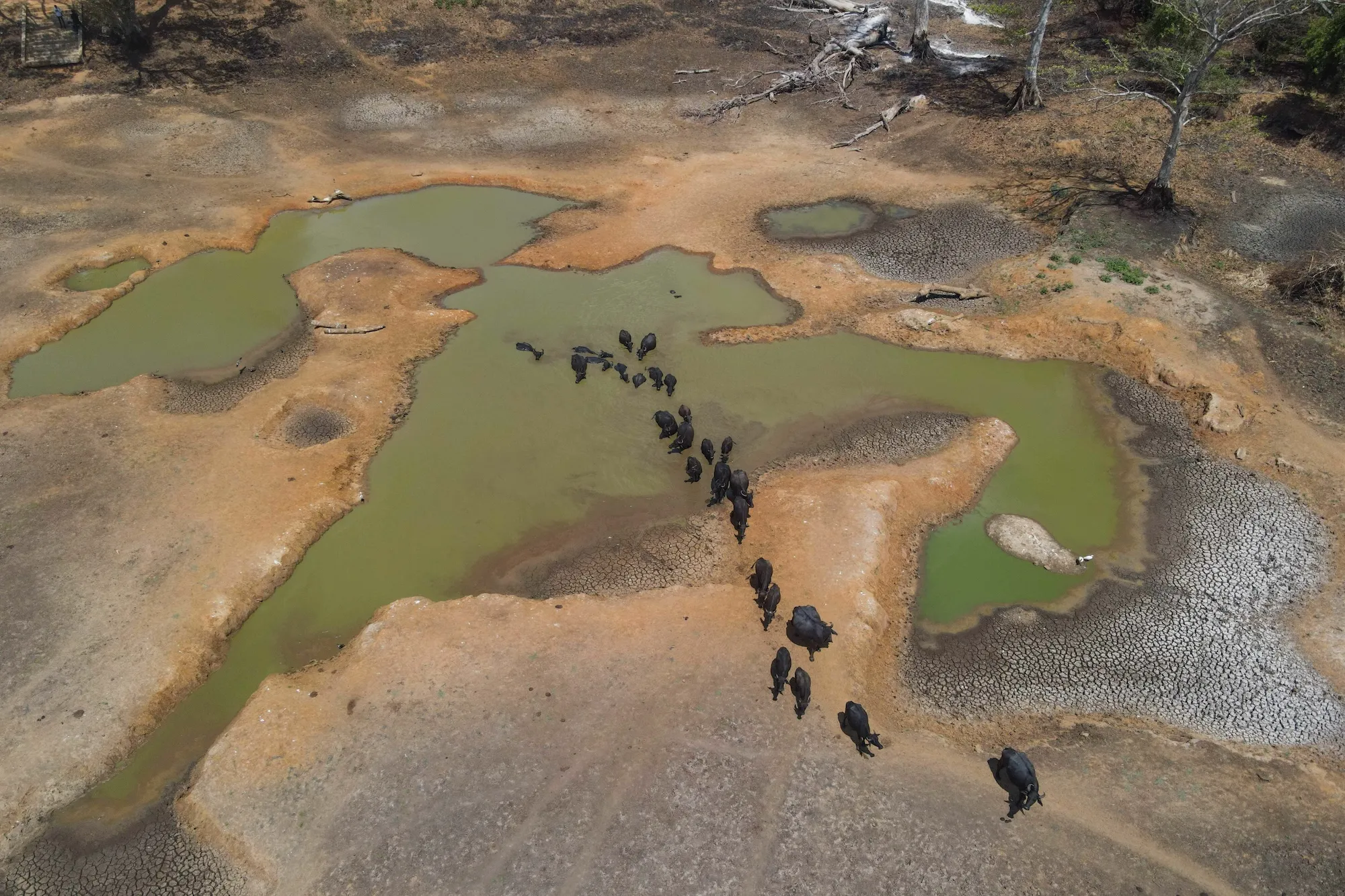
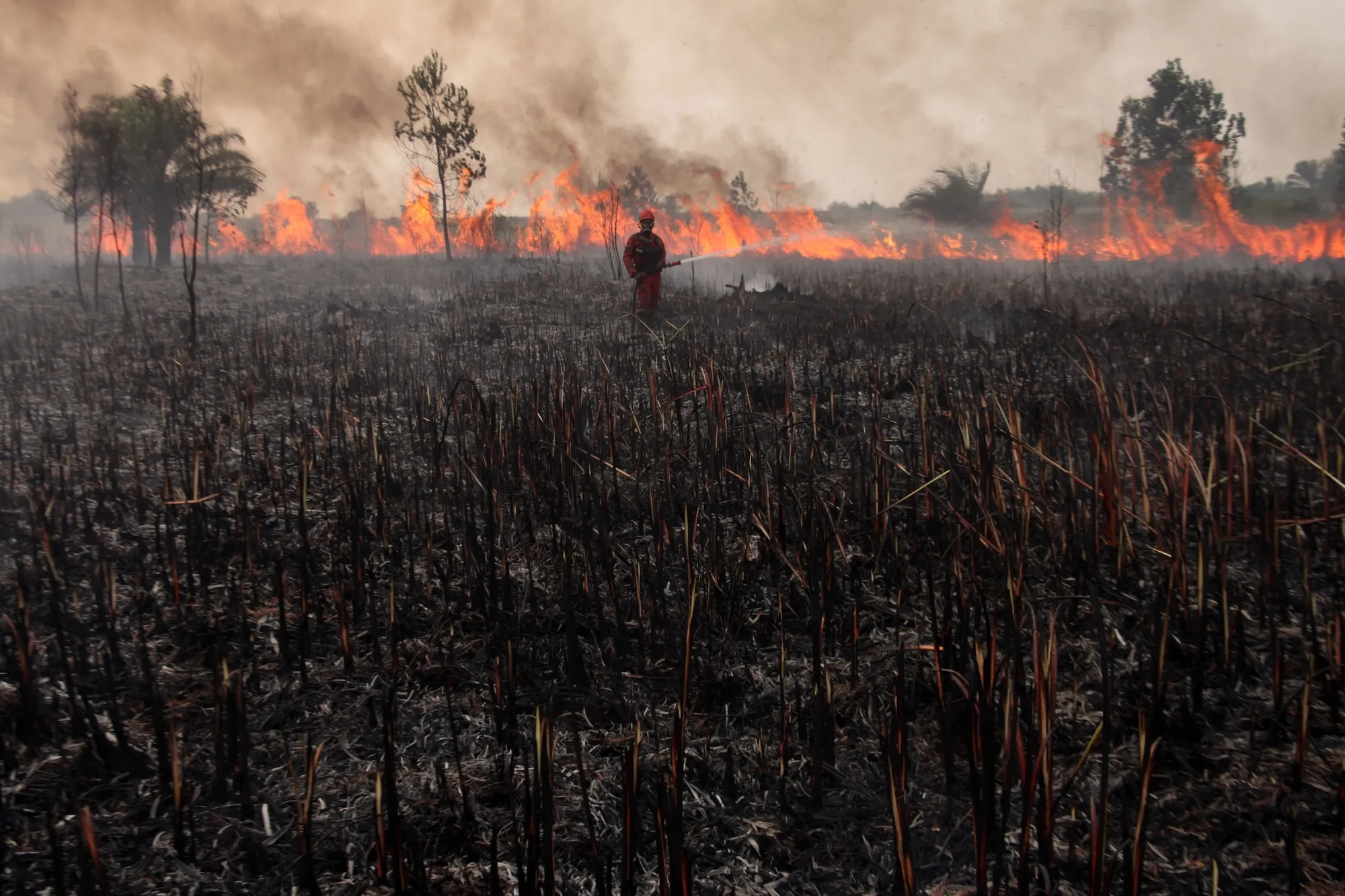
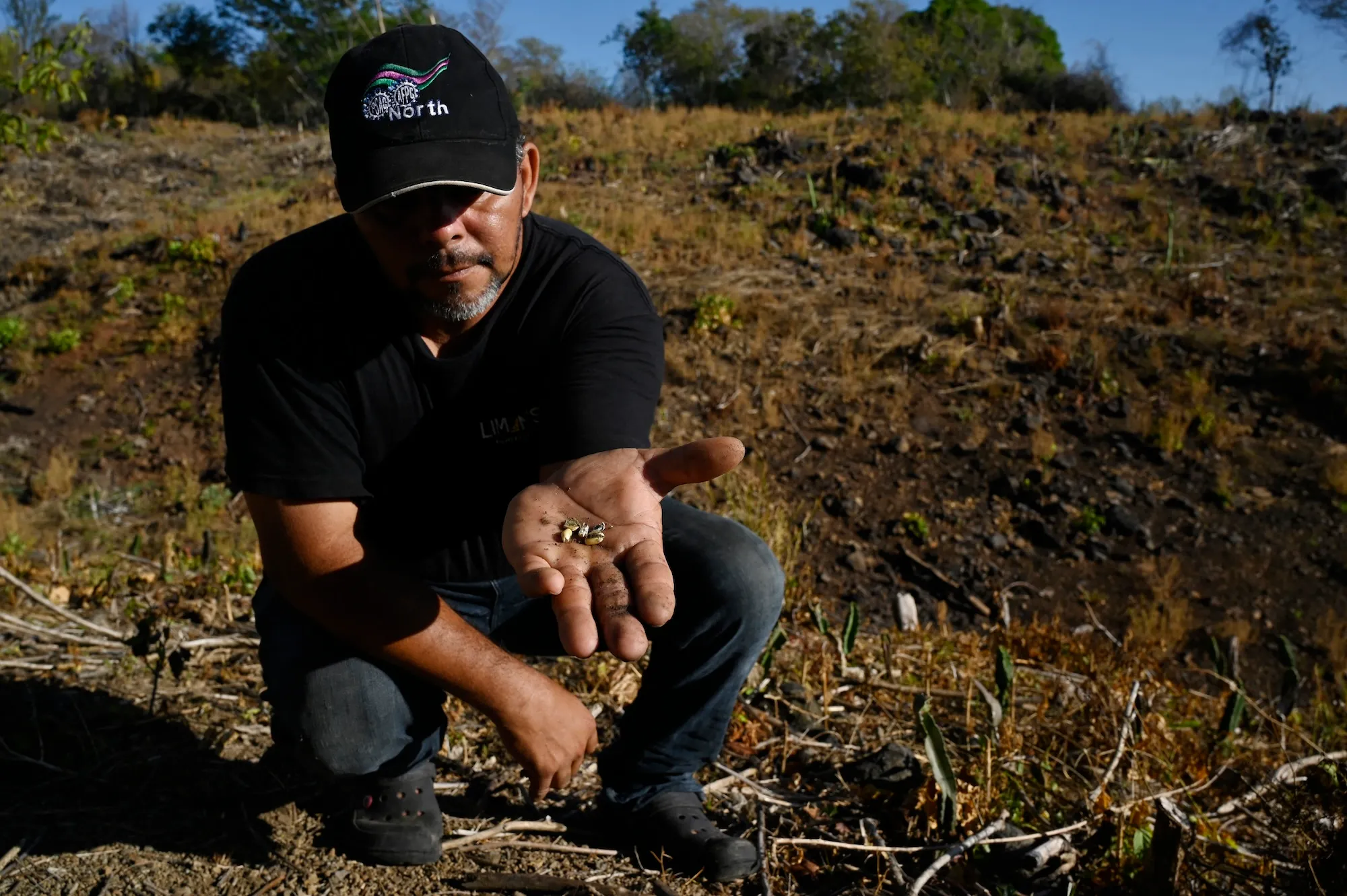
Agriculture faces a precarious future under this current event. In Honduras, farmers have reported failed crop germination as drought conditions reach levels not seen in decades. Simultaneously, in Indonesia, firefighters are struggling to contain wildfires exacerbated by the dry, hot conditions characteristic of the El Niño cycle. These events create an immediate threat to global food chains, potentially driving up the costs of essential staples and straining the economies of developing nations that rely heavily on subsistence farming.
Linguistic Evolution in Climate Communication
The emergence of the term "Super El Niño" reflects a broader trend in how the scientific community and the media grapple with extreme weather. Jo Vurdelja, an expert in ecolinguistics, argues that finding the appropriate vocabulary for such events is a significant challenge. If the language is too soft, it fails to convey the urgency of the risk; if it is too hyperbolic, it may induce "climate nihilism" or desensitization in the public.
The term was first documented in a 2003 meteorological paper and has since permeated languages ranging from Serbian and Norwegian to French and Croatian. This global adoption underscores the shared nature of the threat. However, as climatologists like Zeke Hausfather have noted, the current scale of the event may soon outstrip even the word "super." Scientists are increasingly reaching for more descriptive, albeit unconventional, phrases such as "mind-bogglingly crazy" or "gobsmackingly bananas" to describe the data they are observing, indicating a need for a more robust vocabulary to define a new era of climate volatility.
Institutional Preparedness and Future Outlook
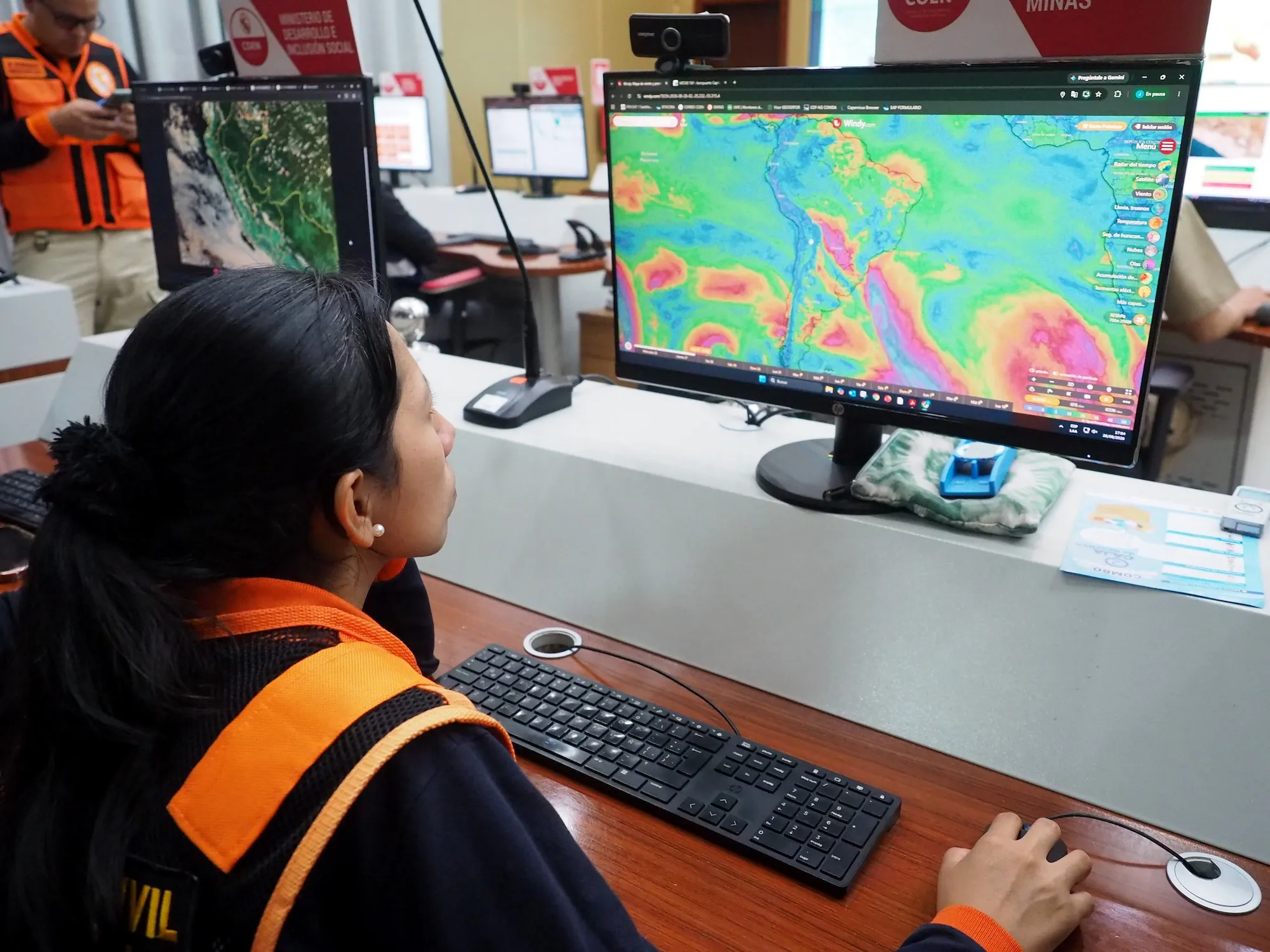
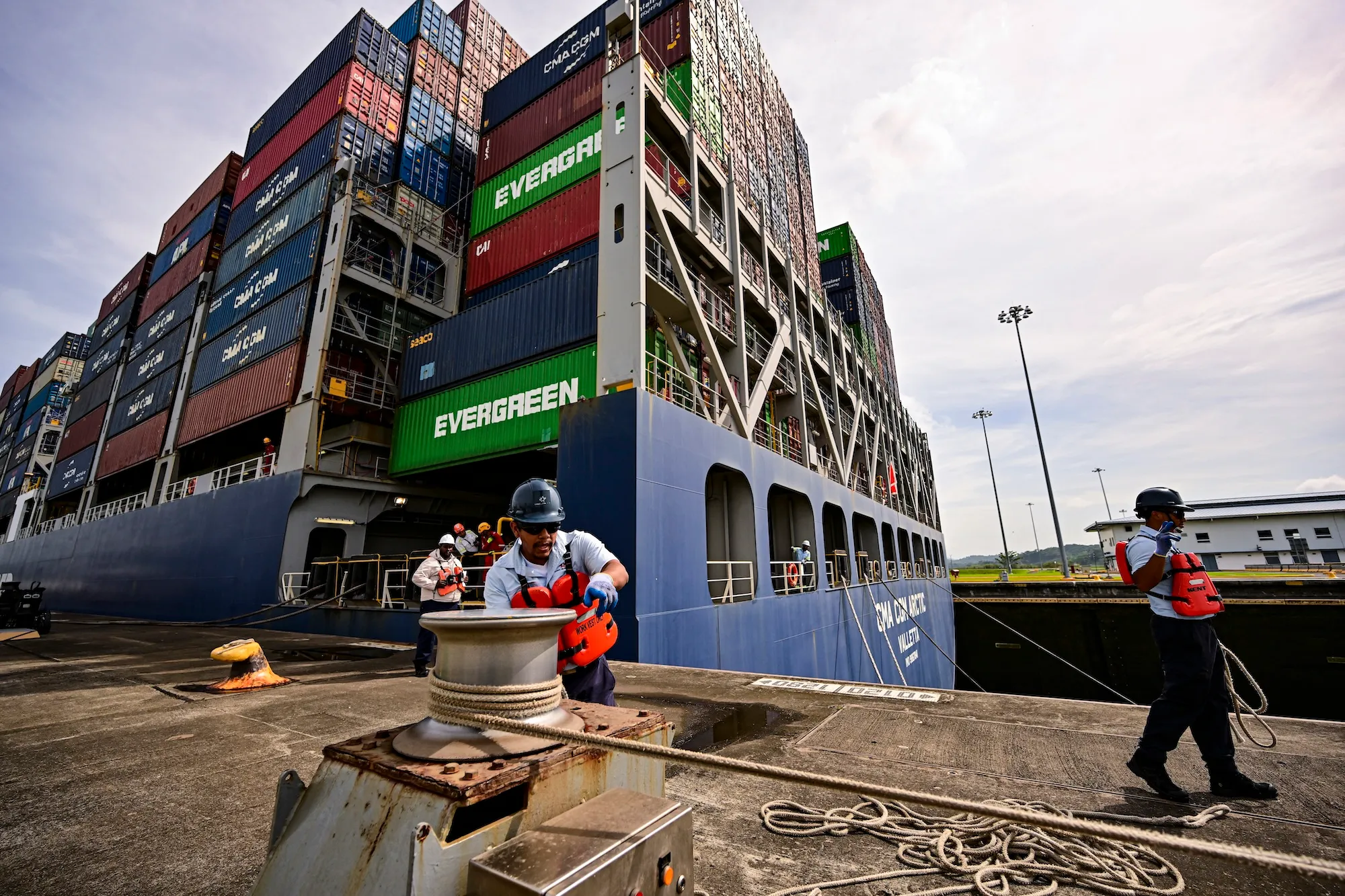
Official response strategies are currently focused on four key areas: food security, energy production, public health, and infrastructure protection. In Panama, authorities have implemented reduced transit measures at the canal, anticipating that water scarcity could hinder shipping logistics. In Peru, national emergency operations centers have engaged in large-scale drills to prepare for potential flooding, which often accompanies the second phase of an El Niño cycle as atmospheric patterns stabilize.
The overarching takeaway for policymakers is that the static, historical data used for risk assessment may no longer be sufficient. With sea surface temperatures in the Pacific holding at record highs, the 90 percent probability of this event remaining in a "very strong" state through the end of the year necessitates a shift toward more adaptive and resilient infrastructure management.
Ultimately, the 2026 Super El Niño acts as a diagnostic test for the global climate system. As Christopher Callahan of Indiana University observes, the event provides a stark, real-time lesson on the consequences of operating within a rapidly warming world. Whether this period serves as a definitive turning point for international climate policy or merely as a precursor to even more severe weather patterns remains to be seen. However, the immediate priority for governments remains the protection of vulnerable populations against the inevitable, and often lethal, impacts of this unprecedented climatic surge. As the world moves through the final months of 2026, the combination of scientific vigilance and public policy readiness will be the primary defenses against the disruptions this "Super" event continues to impose.