American Universities Under Scrutiny for Accepting Millions from Foreign Entities on Federal Watchlists, Raising National Security Concerns

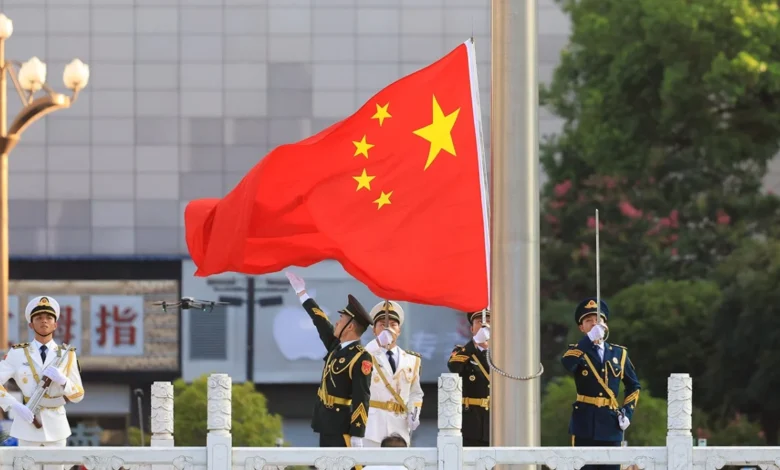
Elite American universities have reportedly accepted millions of dollars from foreign sources designated on federal watchlists, including entities with documented ties to the Chinese military, according to recently analyzed government data. This revelation has ignited significant national security concerns, prompting warnings from U.S. government officials about potential restrictions on federal grant funding for institutions that maintain such relationships. The total sum received by dozens of universities from these "counterparties of concern" has amounted to nearly $405 million, with $27.6 million specifically identified from entities on federal watchlists during the second half of 2025, as initially reported by CBS News.
Unveiling Troubling Financial Ties
The disclosures highlight a critical nexus between academic funding, international collaboration, and national security. Institutions such as Northwestern University, the University of California, Irvine, the University of Connecticut, Bryant University, and the University of California, Berkeley are among those named in the government data. These findings are the result of intensified scrutiny and revised reporting requirements aimed at bringing greater transparency to foreign financial influence within American higher education. The Education Department has confirmed these figures, emphasizing a shift from previous administrations that "often looked the other way or kept this data hidden." This new policy, championed by the Trump Administration, seeks to "bring this cash out of the shadows" through an updated Section 117 Dashboard, empowering students, families, taxpayers, and particularly the State Department to assess and act upon these financial ties.
The data suggests a substantial flow of funds from entities that pose significant risks to U.S. interests, encompassing intellectual property theft, technological espionage, and potential influence over critical research areas. The specific examples provided illustrate direct links to military-industrial complexes and strategic institutions of competitor nations, primarily China, underscoring the urgency of the government’s warnings.
The Mandate for Transparency: Section 117 and Executive Action
At the heart of these revelations is Section 117 of the Higher Education Act of 1965, a long-standing federal statute that mandates U.S. colleges and universities to report gifts from and contracts with foreign sources totaling $250,000 or more in a calendar year. For decades, enforcement of Section 117 was inconsistent and often lax, leading to a significant underreporting of foreign funding. This regulatory vacuum allowed billions of dollars in foreign money to flow into American academia without adequate oversight, masking the true extent of foreign influence.
The landscape began to change dramatically under the Trump Administration, which prioritized national security concerns related to foreign engagement in research and development. An executive order, issued in April 2025 (as stated in the original article, likely a forward projection or typo, but interpreted here as a recent policy change that enabled current data revelations), specifically directed the Department of Education to enhance its collection of information from universities regarding their foreign funding sources. This executive action aimed to move beyond mere country-of-origin reporting, demanding granular details about the specific foreign entities providing funds. The resulting "updated Section 117 Dashboard" is the mechanism through which this previously opaque financial data is now being made public, offering an unprecedented level of transparency.
This push for transparency was not isolated. It coincided with broader government initiatives, including warnings from the FBI and National Institutes of Health (NIH), about foreign adversaries, particularly China, exploiting the open academic environment of the U.S. to acquire sensitive research, intellectual property, and technological know-how. These warnings often cited cases of researchers failing to disclose foreign ties, engaging in undisclosed foreign talent programs, or even committing grant fraud, all of which contributed to a growing sense of vulnerability within the U.S. research enterprise. The intensified enforcement of Section 117 is thus a direct response to these evolving national security threats, recognizing that undisclosed foreign funding can serve as a conduit for illicit technology transfer and undue influence.
Case Studies: Specific Watchlisted Entities and University Recipients
The government data highlights several specific instances of U.S. universities receiving funds from entities explicitly identified on federal watchlists due to their problematic activities or ties to foreign military programs.
-
The Aero Engine Corporation of China (AECC): A Military Link
One prominent example involves the Aero Engine Corporation of China (AECC). This entity is not only listed on the U.S. Treasury Department’s Foreign Assets Control List but is also designated as a "military end-user entity" by the Department of Commerce. AECC is a state-owned enterprise critical to China’s defense industry, responsible for developing engines for fighter jets and attack helicopters used by the People’s Liberation Army (PLA). Despite these clear designations, AECC has reportedly paid $7.8 million, spread across Northwestern University, UC Irvine, and the University of Connecticut over the past several years. The specific use of these funds has not been disclosed in the documents filed with the Department of Education, raising questions about the nature of the collaboration and potential implications for technology transfer or research benefit to a foreign military. -
Sun Yat-sen University and UC Berkeley: Supercomputing and Strategic Competition
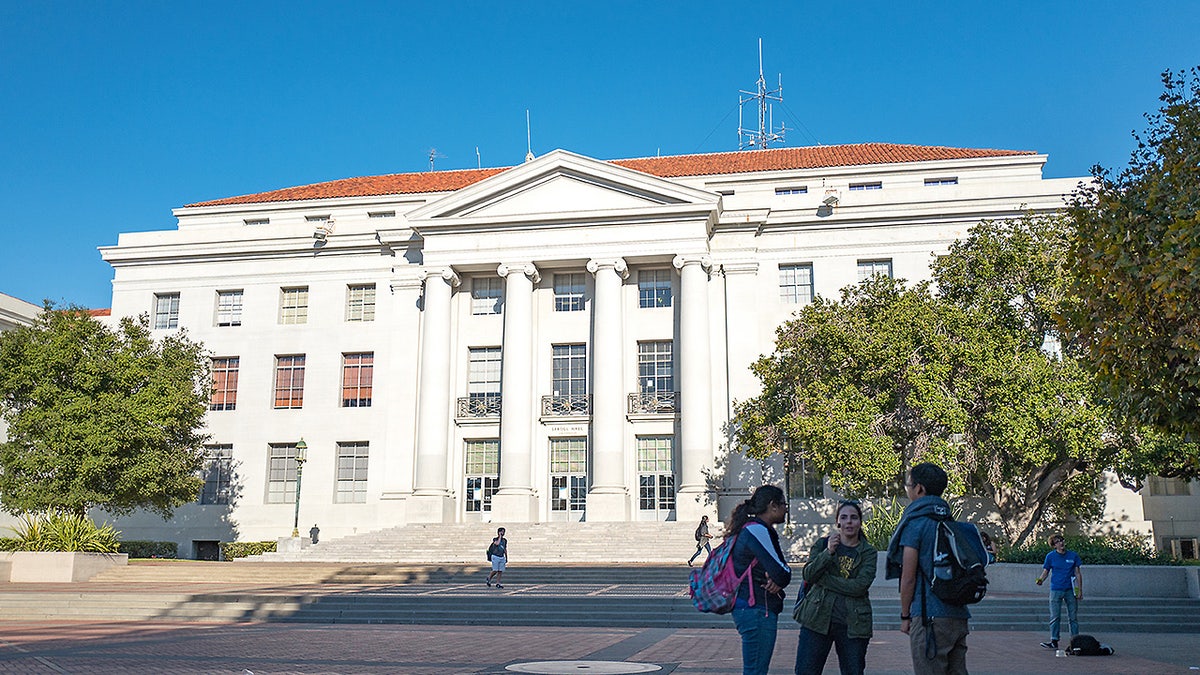
Another significant case involves UC Berkeley, a leading research institution globally, particularly in technology-related fields where the U.S. and China are direct competitors. UC Berkeley received a $7.6 million grant from Sun Yat-sen University. Sun Yat-sen University itself is listed on the Pentagon’s "1286 List," which identifies research institutions believed to be engaged in "problematic activities" potentially detrimental to U.S. national security. Furthermore, Sun Yat-sen University hosts China’s National Supercomputing Center, a key component of China’s strategic technological advancement. This funding raises concerns about potential access to sensitive research, particularly in areas like artificial intelligence, advanced computing, and materials science, where breakthroughs could have dual-use applications.
In response to these reports, a spokesman for UC Berkeley stated that the university "complies with all of the statutes and regulations that apply to contracts and gifts from foreign sources." The spokesman also indicated that the university is "analyzing and fact-checking the characterization of the government’s data and the referenced CBS reporting," and clarified that the CBS report erroneously linked UC Berkeley to the management of the Lawrence Berkeley National Laboratory’s high-performance computing facility, asserting that "Berkeley" in that context refers to geographical location, not institutional oversight. -
Beijing Institute of Technology and Bryant University: Joint Programs Under Scrutiny
Bryant University in Rhode Island had a $22.6 million contract with the Beijing Institute of Technology (BIT) for a "jointly operated academic program in China." The Beijing Institute of Technology is a prominent Chinese university with strong ties to the country’s defense industry and appears on two separate federal watchlists. BIT is known for its research in areas critical to military modernization, including aerospace engineering, intelligent weapons systems, and advanced materials.
A spokesman for Bryant University confirmed the reporting, stating that the payments were associated with "a now-terminated accounting program whose contract was originally established in 2014 with the independent Beijing Institute of Technology, Zhuhai and terminated ten years later in 2024." The university emphasized that "The program was educational instruction only and never included research activities, federally funded research, defense-related work, technology transfer or intellectual property development." Crucially, Bryant University initiated the termination of the relationship after learning that BIT had fully acquired the Zhuhai institution and following BIT’s addition to the Department of Defense’s 1286 list. The university is now completing a "teach-out period" for existing students, expected to conclude on June 30, 2027, in accordance with accreditation requirements.
As of the time of reporting, Northwestern University, UC Berkeley, UC Irvine, and the University of Connecticut had not provided further comments to Fox News Digital beyond UC Berkeley’s initial statement, nor had the Department of Education offered additional remarks.
Government Warnings and Institutional Responses
The U.S. government has not merely exposed these financial ties but has also issued explicit warnings regarding their continuation. Under Secretary of State for Public Diplomacy Sarah B. Rogers dispatched a letter to the board members of these institutions, urging "heightened diligence" on this matter due to its "important national security implications." The letter, obtained by CBS News, unequivocally stated that if these universities, many of which are top-tier research institutions, continue their relationships with watchlisted entities, they could face restrictions on their access to federal grant funding. This threat of withdrawing federal support is a significant leverage point, as federal grants constitute a substantial portion of research funding for many leading American universities.
The responses from universities have varied. Some, like Bryant University, have detailed proactive steps taken to sever ties once the problematic nature of their foreign partners became clear. This suggests a recognition of the heightened scrutiny and a move towards compliance. UC Berkeley’s response, while affirming compliance, also highlighted the complexities of data interpretation and the need for accurate reporting from government sources and news outlets. The silence from other implicated universities underscores the sensitive nature of these disclosures and perhaps the internal deliberations underway regarding how to navigate these challenging relationships.
The Broader Landscape of Foreign Influence in Academia
These revelations are part of a larger, ongoing "conversation" within "research security circles," as LJ Eads, founder of Data Abyss and director of research intelligence at Parallax Advanced Research, articulated. Eads criticized the historical lack of effective implementation and follow-through on restrictions, likening it to "having kids and not parenting well. Or giving your teenager a cellphone and having no restrictions on cellphone use." This analogy points to a systemic failure to adequately monitor and regulate foreign funding flows into academic institutions, despite long-standing concerns.
The issue of foreign influence extends beyond direct financial transactions. It encompasses a spectrum of activities, including foreign talent recruitment programs (like China’s Thousand Talents Plan, which has been linked to economic espionage), undisclosed collaborations, and attempts to shape academic discourse or research agendas. The openness inherent in American academia, a cornerstone of its success, also makes it vulnerable to exploitation by foreign governments seeking to advance their strategic interests, often at the expense of U.S. national security and economic competitiveness.
National Security Implications: IP Theft, Espionage, and Research Integrity
The national security implications of American universities accepting funds from watchlisted foreign entities, especially those tied to military or strategic programs, are multi-faceted and profound:
-
Intellectual Property (IP) Theft and Technology Transfer: Funds from military-linked entities can be used to gain access to cutting-edge research in sensitive fields such as artificial intelligence, quantum computing, biotechnology, aerospace engineering, and advanced materials. This access can facilitate the illicit transfer of intellectual property, accelerating the technological development of rival nations and eroding the U.S.’s competitive edge. Even seemingly benign collaborations, if inadequately supervised, can lead to the leakage of critical knowledge.
-
Economic Espionage: Beyond direct IP theft, these relationships can provide avenues for broader economic espionage, allowing foreign entities to understand U.S. research priorities, methodologies, and talent pools. This intelligence can then be used to inform their own strategic investments and undermine U.S. innovation.

-
Compromise of Research Integrity and Academic Freedom: Undisclosed foreign funding can create conflicts of interest, potentially influencing research outcomes or suppressing findings that are unfavorable to the foreign patron. It can also subtly steer academic research away from areas deemed sensitive by the foreign government, thereby limiting the scope of inquiry and compromising the principle of academic freedom.
-
Recruitment and Influence Operations: Foreign funding can be tied to programs designed to identify and recruit talented researchers and scientists, potentially drawing them into foreign talent programs that compel them to transfer knowledge or even engage in espionage. Such relationships can also be leveraged for broader influence operations, impacting curriculum development, campus policies, or even public opinion on geopolitical issues.
-
Erosion of Trust: Public and governmental trust in academic institutions can be severely eroded when universities are perceived as compromising national security for financial gain. This erosion of trust could have long-term consequences for federal funding, public support, and the international standing of American higher education.
The Path Forward: Enhanced Diligence and Regulatory Enforcement
The current revelations underscore the urgent need for American universities to significantly enhance their due diligence processes when engaging with foreign entities. This includes rigorous vetting of funding sources, understanding the ultimate beneficial owners, and transparently disclosing all foreign gifts and contracts as mandated by Section 117. Universities must balance the benefits of international collaboration with their responsibilities to protect national security and the integrity of their research enterprise.
For the government, the path forward involves continued and consistent enforcement of Section 117, including proactive audits and investigations, clear guidelines for compliance, and appropriate penalties for non-compliance. The State Department’s warning about restricting federal grant funding is a powerful deterrent, signaling a new era of accountability for academic institutions.
Ultimately, the goal is to foster an environment where international academic collaboration can thrive without jeopardizing national security. This requires ongoing dialogue between government, academia, and the private sector to develop robust frameworks, share intelligence on emerging threats, and educate researchers and administrators about the risks and responsibilities inherent in global engagement. The transparency offered by the updated Section 117 Dashboard is a crucial first step, but sustained vigilance, stringent enforcement, and a collective commitment to protecting American innovation will be essential in navigating this complex geopolitical landscape.
Related posts: