Federal oversight bodies have raised serious national security and administrative concerns following the release of an internal watchdog report detailing widespread vetting failures within the U.S. immigration system. The Department of Homeland Security Office of Inspector General published findings indicating that a significant portion of asylum applications processed under a major post-withdrawal resettlement initiative contained notable documentation and background-checking errors. These revelations have intensified political debate surrounding the management of Afghan nationals admitted to the United States following the 2021 military withdrawal from Kabul.
The Department of Justice recently made historic use of the Alien Terrorist Removal Court to order the deportation of a foreign national deemed a severe threat to national security. This unprecedented legal action coincided with heightened public awareness regarding domestic terror threats linked to individuals admitted through emergency evacuation pathways. Security experts and lawmakers have increasingly scrutinized the vetting protocols applied during these rapid-response operations, pointing to instances where dangerous individuals bypassed standard screening filters due to administrative shortcuts and bureaucratic pressure.
Overview of the Inspector General Findings
The Department of Homeland Security Office of Inspector General released a comprehensive evaluation examining a randomized sample of 678 asylum applications submitted by Afghan nationals who entered the United States under Operation Allies Welcome. This initiative was established in the wake of the chaotic U.S. military departure from Afghanistan to process and resettle tens of thousands of evacuees. According to the federal watchdog, inspectors identified documentation or vetting errors in approximately 40 percent of the reviewed files.
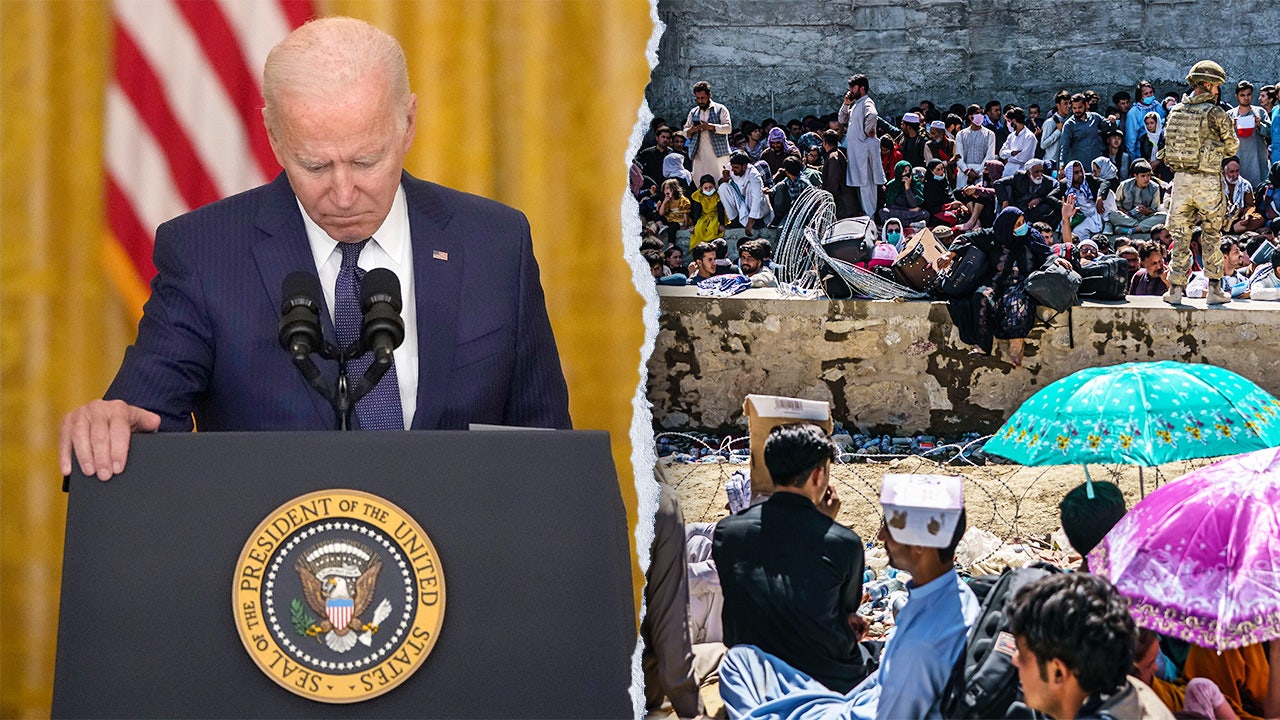
The audit revealed a broad spectrum of deficiencies that compromised the integrity of the vetting pipeline. Among the specific shortcomings uncovered by inspectors were 303 instances of missing applicant aliases, 23 absent security checks, and over 150 additional administrative errors. Most notably, the review flagged two specific applications involving individuals who presented potential grounds for inadmissibility related to terrorism. In one of these high-risk instances, the mandatory paperwork required to document government security reviews was entirely absent from the file. In the other case, supervisory personnel initiated the approval workflow but failed to execute the final sign-off, leaving no definitive official record confirming that the vetting process had been successfully completed.
Federal investigators noted that missed Federal Bureau of Investigation name checks accounted for nearly 60 percent of all absent security screenings identified in the sample. Furthermore, the absence of recorded aliases hindered the government’s ability to cross-reference identities against international terror databases. The report highlighted one extreme example where a single applicant possessed 124 known aliases that were not properly documented within the primary immigration tracking systems.
Chronology of Operation Allies Welcome and the Kabul Evacuation
The operational vulnerabilities identified by the inspector general are deeply rooted in the chaotic sequence of events surrounding the end of America’s longest war.
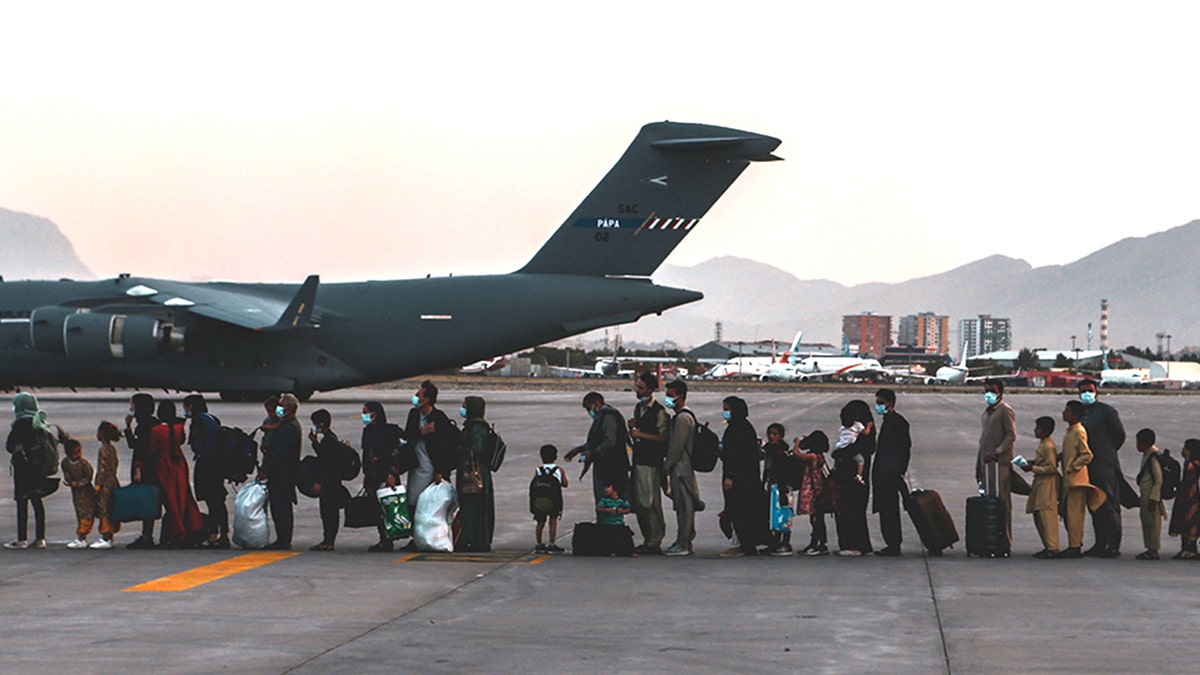
- August 2021: The U.S. military executes a frantic withdrawal from Hamid Karzai International Airport in Kabul, Afghanistan. Amidst desperate crowds storming the airfield, military transport aircraft airlift tens of thousands of Afghan citizens and foreign nationals out of the country.
- Late 2021: Evacuees are initially transported to temporary processing hubs—often referred to as "lily pads"—located in third-party transit countries across Europe, the Middle East, and Central Asia. During this phase, basic biographical information is collected, but comprehensive, long-term vetting is severely compressed due to logistical strains.
- Late 2021 through 2022: The Biden administration formally launches Operation Allies Welcome to streamline the entry and resettlement of Afghan evacuees into the United States. Federal agencies face immense political and humanitarian pressure to rapidly process applications and grant legal status.
- Subsequent Legal Settlement: A federal lawsuit settlement mandates that U.S. Citizenship and Immigration Services adjudicate 90 percent of Afghan asylum applications within a compressed 150-day window. Critics and agency whistleblowers later argue that this quota system forced adjudicators to prioritize speed over thoroughness, exacerbating vetting flaws.
- 2023–2025: Law enforcement agencies arrest several Afghan nationals admitted under Operation Allies Welcome on terrorism-related charges, including an alleged ISIS-K supporter, an individual accused of making terroristic threats ahead of a planned attack, and another charged with crimes against minors. These high-profile incidents prompt renewed congressional oversight and internal investigations.
- September 2025: The DHS Office of Inspector General publishes its formal report detailing the 40 percent error rate across reviewed asylum files, validating long-standing warnings from immigration policy researchers and national security analysts.
Administrative Pressures and Adjudication Speed
The debate over the security of Operation Allies Welcome centers on the inherent tension between rapid humanitarian relief and rigorous national security vetting. In official responses accompanying the inspector general’s report, DHS leadership argued that the previous administration dangerously mismanaged the resettlement initiative. Officials contended that the legal mandate requiring USCIS to process 90 percent of asylum applications within 150 days created an environment where administrative expediency superseded security precautions.
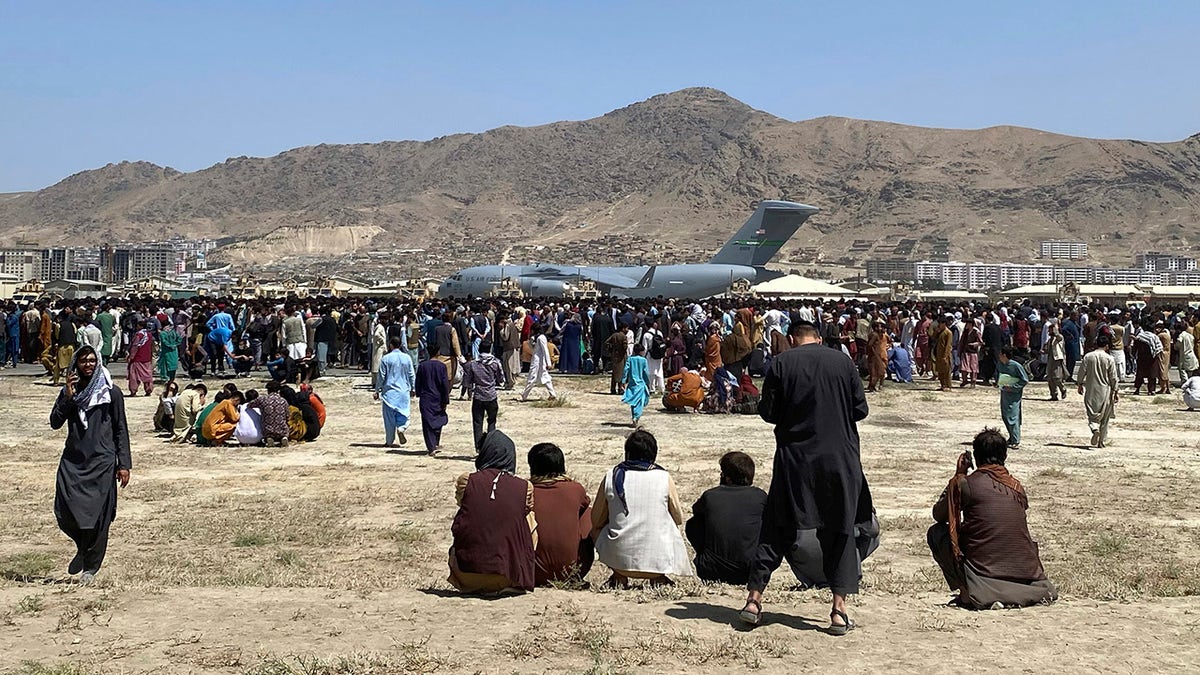
Immigration policy experts have long argued that once evacuees are loaded onto military aircraft leaving Kabul, the United States assumes a permanent commitment to their resettlement. Mark Krikorian, executive director of the Center for Immigration Studies, noted that while transit hubs allowed for preliminary processing, host nations had no intention of permanently integrating the evacuees. Consequently, U.S. authorities faced immense pressure to approve entries without the benefit of robust on-the-ground intelligence gathering inside Taliban-controlled Afghanistan.
Krikorian observed that the inspector general’s findings likely understate the true scope of the vetting breakdown. Because federal inspectors were limited to reviewing paper files and digital documentation accessible within USCIS records, the audit could not independently verify whether the underlying intelligence behind every background check was accurate or comprehensive. The reliance on self-reported biographical data, combined with the inability to verify information through local law enforcement channels inside modern Afghanistan, created structural blind spots for American vetting personnel.
Broader Implications for National Security and Immigration Policy
The convergence of the DHS inspector general’s report and recent federal terrorism prosecutions has elevated border and immigration security to a central focus of national policy debates. The utilization of the Alien Terrorist Removal Court—a specialized judicial body established under the Antiterrorism and Effective Death Penalty Act of 1996 designed to handle the deportation of suspected alien terrorists using classified evidence—underscores the gravity of current threat assessments.
National security analysts point out that vetting failures in mass-processing operations carry compounding risks. When documentation errors, missing name checks, and unrecorded aliases are permitted within primary immigration adjudication systems, individuals who pose active threats to public safety can slip through administrative cracks. This reality has forced federal law enforcement and intelligence agencies to dedicate increased resources to post-entry monitoring and counterterrorism investigations to locate individuals who bypassed initial security filters.
In response to the inspector general’s findings, USCIS officials formally concurred with all five recommendations issued by the watchdog. These corrective measures include establishing more stringent protocols for recording applicant aliases, mandating strict compliance for all required security database checks, and enhancing supervisory oversight and quality control within the asylum adjudication chain.
Despite these administrative remedies, lawmakers and policy analysts continue to debate the long-term ramifications of rapid-evacuation policies. As federal agencies work to audit existing files and rectify systemic documentation errors, the episode remains a critical case study in the challenges of balancing urgent humanitarian obligations with uncompromising national security standards.