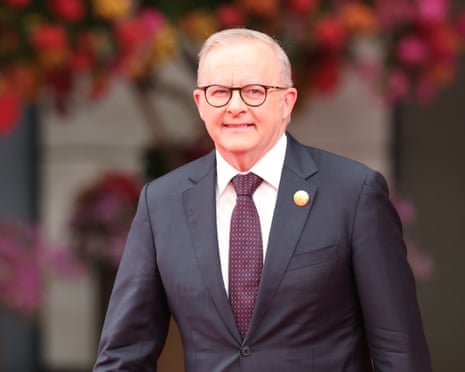
Prime Minister Anthony Albanese has announced that the Australian government will introduce binding legislation to freeze the cost of Pharmaceutical Benefits Scheme (PBS)-listed medications at $25 until the close of the decade. The announcement, delivered during a high-stakes press conference following the Prime Minister’s return from international engagements at summits in China and the Philippines, comes as the Labor administration faces mounting public pressure over cost-of-living strains and a recent dip in electoral polling.

According to Health Minister Mark Butler, extending the $25 price cap through to 2030 will require a budget commitment of approximately $242 million. The policy positions essential healthcare access as a central pillar of the government’s strategy to alleviate household budget pressures. However, the announcement coincides with warnings from the Prime Minister that the federal budget holds limited capacity for additional expansive cost-of-living interventions, with substantial spending restraints and savings measures anticipated in the upcoming mid-year economic and fiscal outlook (MYEFO).
Political Pressure and Polling Realities
The legislative push arrives during a turbulent political period for the incumbent Labor government. A Newspoll published in The Australian revealed that Anthony Albanese now trails opposition leader Angus Taylor as preferred prime minister for the first time. Albanese’s net approval rating reached a new low of minus 31, while the Coalition registered a primary vote of 22%, trailing both Labor and Pauline Hanson’s One Nation party, which tied at 27%.

In response to these domestic pressures, the government is attempting to clear a crowded legislative agenda during the final sitting weeks of the year. Alongside the PBS medication freeze, Labor is actively negotiating with crossbench senators and opposition parties on several contentious policy fronts, including a proposed digital duty of care framework, a domestic gas reservation scheme, capital gains tax modifications for family trusts, and adjustments to private health insurance incentives.
Legislative Maneuvering: Digital Duty of Care and Small Business Exemptions
In an effort to secure crucial crossbench backing—particularly from the Australian Greens—Communications Minister Anika Wells confirmed a significant concession regarding the government’s proposed digital duty of care legislation. Low-risk small businesses, such as local cafes and independent bookkeepers, will be formally exempted from the sweeping regulations.
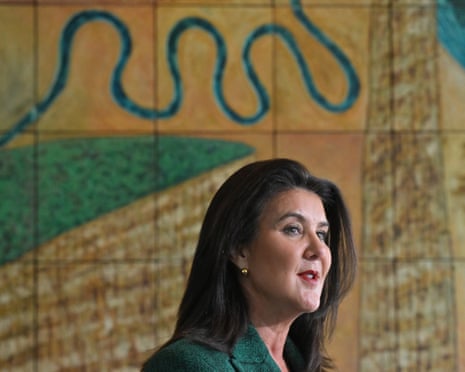
The legislation is designed to compel major technology corporations to proactively protect users from online harms before they materialize, carrying potential penalties exceeding $100 million for non-compliance. Business groups, including the Australian Chamber of Commerce and Industry led by chief executive Andrew McKellar, had previously argued that exemptions needed to be explicitly written into the statute rather than delegated to future regulatory interpretation to prevent legal ambiguity for small operators. While the Greens have signaled general support for stricter accountability frameworks—while simultaneously pushing for the establishment of a dedicated big tech ombudsman—negotiations are set to continue through the parliamentary sitting week.
Climate Diplomacy and Fallout from the Cop31 Summit
International affairs have also collided heavily with domestic political discourse following the conclusion of the Cop31 climate summit in Turkey. Co-hosted by Australia and overseen by Climate Change Minister Chris Bowen, the negotiations collapsed after failing to reach a unified consensus among member nations. The summit, which ran into historically prolonged overtime discussions, faced insurmountable divisions regarding the explicit inclusion or omission of fossil fuel phase-out commitments, compounded by the absence of an official United States delegation.
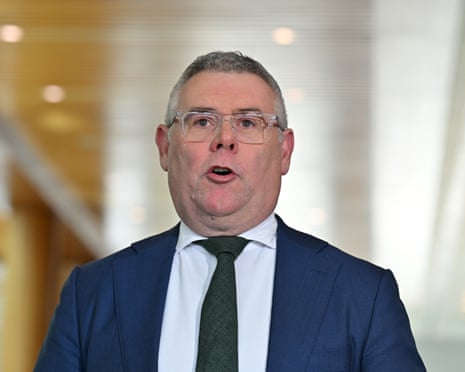
Opposition figures have launched fierce criticisms against the government’s handling of the summit. Liberal frontbencher Jane Hume blasted the administration, noting that Australia committed significant financial resources—reportedly $150 million—toward the leadership bid, only for the talks to dissolve without a formal cover decision. Hume also pointed to stagnant domestic emissions and escalating energy prices as evidence of policy failure.
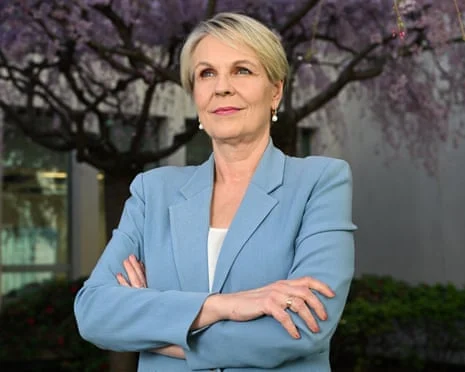
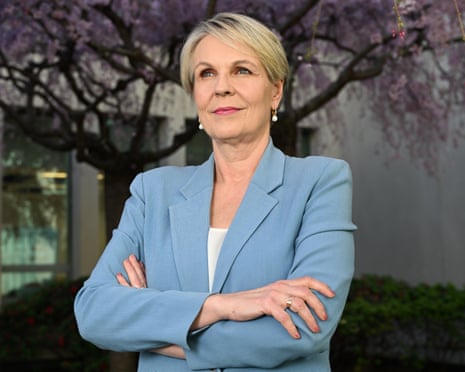
Defending the government’s approach, Prime Minister Albanese and Environment Minister Murray Watt framed the summit’s breakdown as a reflection of increasingly difficult geopolitical realities rather than a diplomatic failure. Proponents of Australia’s engagement argue that maintaining a visible presence at international climate forums is vital for regional credibility, particularly regarding security partnerships and existential environmental concerns faced by Pacific Island nations such as Tuvalu and Kiribati. Social Services Minister Tanya Plibersek echoed these sentiments on morning broadcast panels, emphasizing that international cooperation remains indispensable despite the frustration of stalled multilateral agreements.
Energy Security and the Gas Reservation Debate
Domestically, the federal government is attempting to broker a deal on a national gas reservation scheme. Environment Minister Murray Watt expressed frustration over what he characterized as Coalition intransigence, noting that while the Opposition had previously championed similar policies under Peter Dutton, negotiations have stalled over concerns regarding market calibration.
The Coalition has raised apprehensions that a poorly calibrated reservation scheme could artificially inflate domestic gas supplies, suppress prices excessively, and subsequently deter long-term private sector investment in new extraction infrastructure. Opposition energy spokespersons have emphasized that any intervention must protect investor certainty. Concurrently, political scrutiny has turned toward Pauline Hanson’s One Nation party, which faces allegations from Labor of abandoning its historical support for gas reservation following reported political alignments with major industry figures.

Foreign Policy, Defence Legislation, and Strategic Shifts
External security and defense policies are also drawing intense parliamentary scrutiny. Prime Minister Albanese robustly defended proposed national security legislation that criminalizes the unauthorized photography of designated defense installations and grants security personnel expanded powers to search and detain individuals in surrounding zones. Despite warnings from civil rights organizations and the Greens that the laws are overly broad and threaten peaceful protest activities, Albanese dismissed the criticism, pointing to heightened global instability and the highest volume of international conflicts since the Second World War.
Meanwhile, Foreign Minister Penny Wong is slated to deliver a major foreign policy address to parliament focusing heavily on the geopolitical implications of artificial intelligence. According to advance speech excerpts, Wong will warn that frontier AI technologies risk accelerating foreign interference, disinformation campaigns, and automated warfare, urging international prudence over unchecked development velocity.
Against the backdrop of these converging domestic and international challenges—ranging from biosecurity threats like the recent detection of invasive red imported fire ants in Western Sydney to complex legislative compromises in the Senate—the federal government enters a pivotal parliamentary stretch. Whether these policy announcements can successfully alter the prevailing political trajectory will depend heavily on the administration’s ability to secure crossbench consensus before the parliamentary year concludes.