While the discourse surrounding artificial intelligence remains fixated on speculative existential threats—such as the potential for superintelligence to bypass human control—a far more tangible and immediate danger is unfolding across the American landscape. Former Environmental Protection Agency (EPA) officials, now operating through the Environmental Protection Network (EPN), have issued a stark warning: the rapid, deregulated expansion of data centers required to power the AI revolution is creating a public health crisis characterized by increased air pollution, the premature retirement of clean energy goals, and the systematic dismantling of federal environmental oversight.
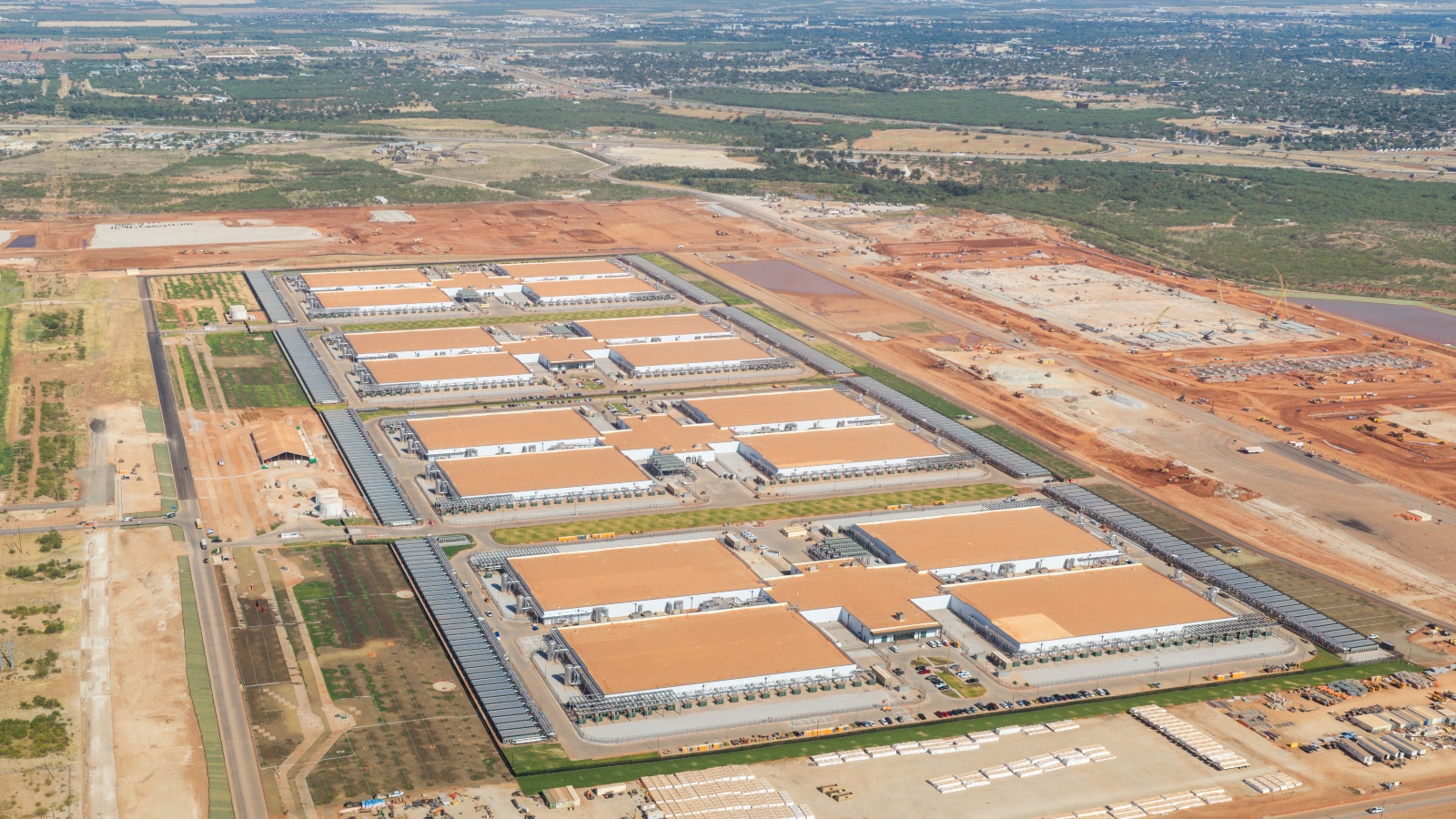
Since January 2025, the administration has enacted or proposed at least 30 separate regulatory actions aimed at streamlining the construction of energy-intensive infrastructure. This aggressive deregulation, designed to accelerate the development of the "AI Capital of the World," is occurring at a critical juncture. With approximately 3,000 existing data centers and over 1,500 more in various stages of planning, the nation is witnessing a massive, energy-hungry buildout that is effectively outstripping the existing environmental safeguards meant to protect communities from industrial pollution.
A Chronology of Deregulation
The current trajectory began shortly after the start of the 2025 presidential term. The administration identified the energy demands of large language models and cloud computing as a primary bottleneck for economic growth. By mid-2025, EPA Administrator Lee Zeldin signaled a fundamental shift in the agency’s posture, moving from a role of oversight to one of facilitation.
By July 2025, the administration had successfully dismantled the EPA’s core research office, a move that critics argue crippled the agency’s ability to conduct independent environmental impact assessments. This was followed by a series of administrative memos directing enforcement staff to prioritize the avoidance of "undue burdens" on energy production.
A pivotal moment in this timeline arrived late in 2025, when the EPA proposed a rule change that would allow developers to initiate the construction of massive data centers—and their associated power plants—prior to obtaining finalized air pollution permits. This "build first, permit later" approach removes one of the most significant hurdles for developers and deprives the public of the opportunity to scrutinize potential health impacts before projects break ground.
The Erosion of Scientific Capacity
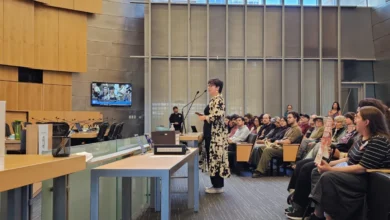
The institutional memory of the EPA is currently facing a period of unprecedented decline. Dan Costa, a 35-year veteran of the agency who specialized in air pollution, recently highlighted the loss of the collaborative, evidence-based culture that once defined the EPA’s work. Established in 1970, the agency historically relied on a robust team of toxicologists, chemists, and atmospheric scientists to provide the foundation for air quality standards.
"We worked in concert with academic colleagues on behalf of the American people, not on behalf of industry," Costa stated during a press briefing. The dismantling of the research office has left a vacuum in the agency’s ability to model the long-term health consequences of the current data center expansion. Without rigorous scientific oversight, the government is essentially conducting a massive, uncontrolled experiment on the health of communities located near these new energy hubs.
The shift in priorities is explicitly documented in internal agency correspondence. Administrator Zeldin’s 2025 memo clearly stated the intent to "cut heavy-handed regulations" to ensure the United States maintains a competitive edge in the global AI race. This shift reflects a belief that environmental compliance is an obstacle to technological progress rather than a necessary prerequisite for public safety.
The Hidden Costs of AI Infrastructure
The data center boom is not merely a digital phenomenon; it is a physical one with deep roots in fossil fuel infrastructure. To meet the massive electricity demand required by high-density AI processing, developers have increasingly turned to sources that contradict current climate goals.
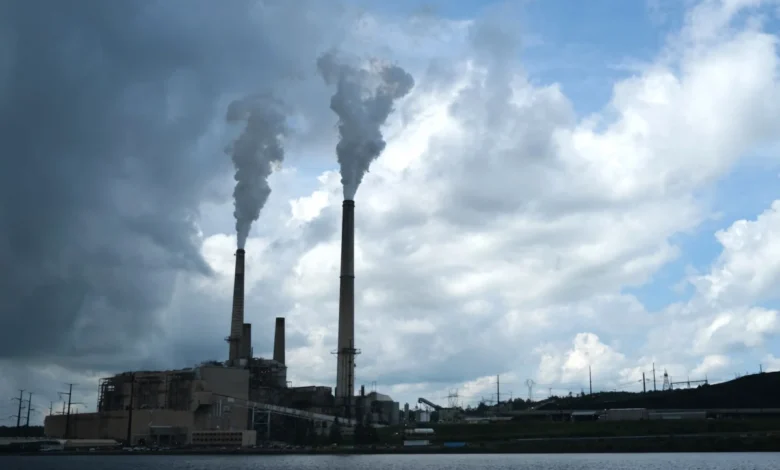
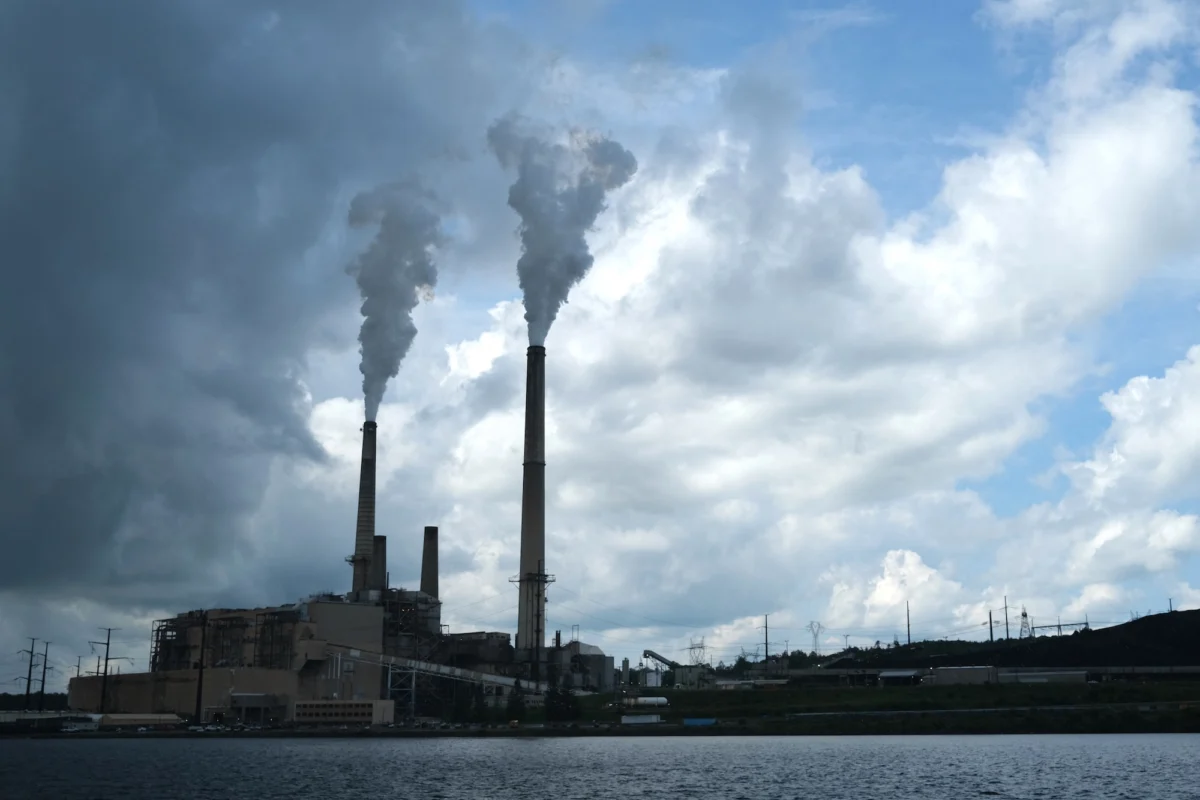
One of the most concerning trends is the extension of the operational life of aging coal-fired power plants. In regions where the electrical grid is already strained, developers have lobbied to keep these plants online long past their scheduled decommissioning dates to provide the "always-on" power required by hyperscale data centers.
Furthermore, some developers are installing onsite fossil fuel-powered turbines, such as those associated with high-profile projects like xAI’s Colossus, to bypass grid congestion. These onsite power plants often fall under less stringent regulatory scrutiny than utility-scale power generation, allowing for localized increases in particulate matter and nitrogen oxides.
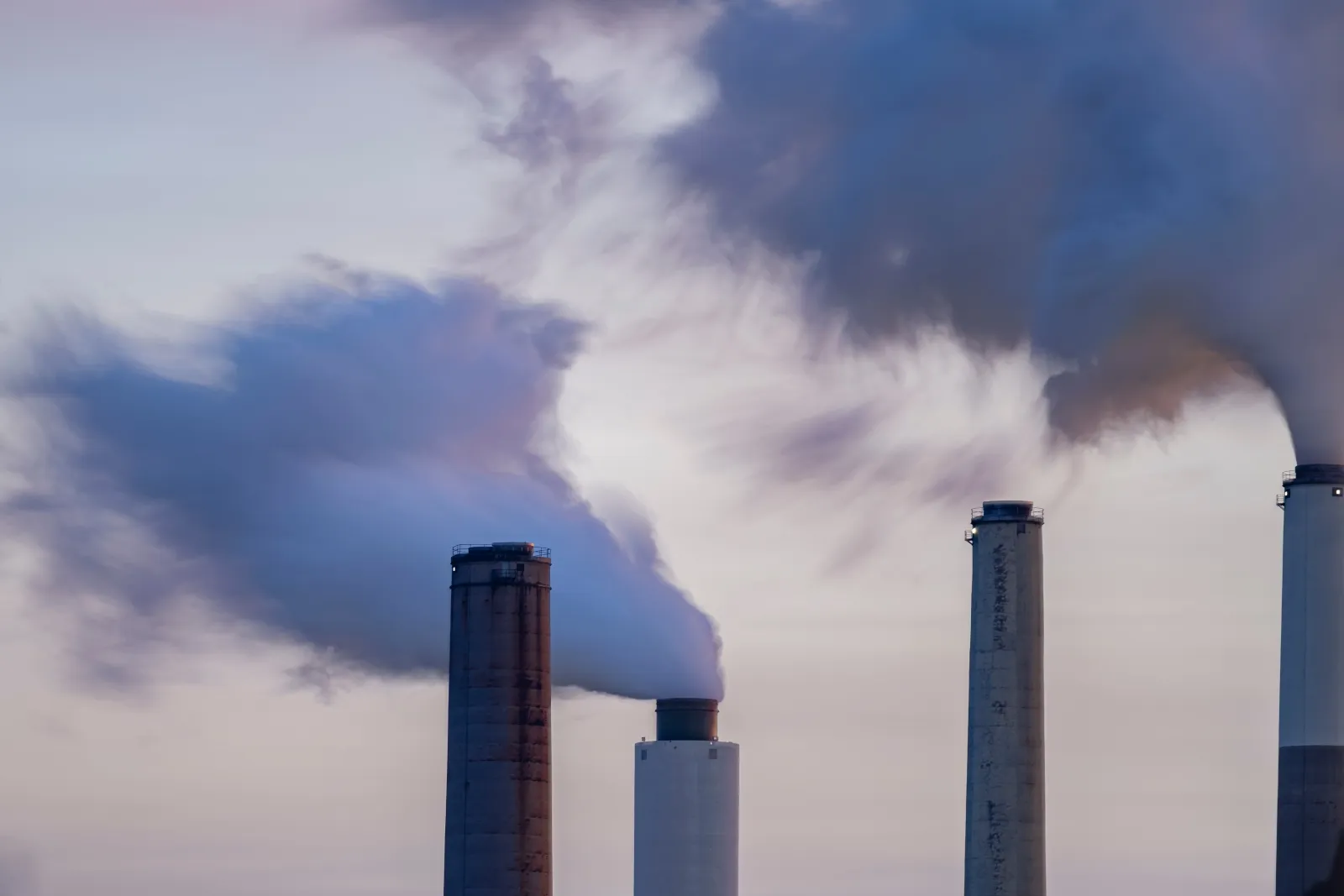
The public health implications are significant. A recent study, referenced by EPN researchers, estimates that the air pollution generated by this localized fossil fuel reliance could lead to approximately 1,300 additional deaths annually. These deaths are not abstract; they are the result of increased exposure to particulate matter, which is scientifically linked to heart attacks, strokes, asthma exacerbations, and premature births.
Perspectives from the Medical Community
The medical community has begun to sound the alarm on what they view as a preventable public health disaster. Dr. Lynn Goldman, a physician and former EPA administrative official, emphasizes that the latency of these health impacts makes them particularly dangerous.
"Some of the health impacts are immediate—we see them in the emergency room in the form of heart attacks or respiratory failure in vulnerable populations," Dr. Goldman noted. "Others, such as various cancers or long-term cardiovascular disease, will take years or even decades to manifest. The current race for AI dominance should not be viewed as a trade-off for human lives."
The tension between the industry’s need for rapid deployment and the community’s need for safety is reaching a breaking point. Families living in the shadow of massive data centers often lack the information needed to advocate for their health, as the current regulatory framework suppresses the transparency that the Clean Air Act was originally designed to ensure.
Broader Implications and Future Outlook
The implications of this policy shift extend far beyond the immediate concern of air quality. By sidelining scientific research, the administration is creating a regulatory environment where technological growth is uncoupled from its environmental and social costs. This sets a precedent that could be applied to other industries, effectively nullifying decades of environmental law.
Furthermore, the focus on "making America the AI capital of the world" ignores the reality of energy efficiency and sustainable development. Critics argue that a more robust EPA could have incentivized the AI industry to invest in localized renewable energy and advanced cooling technologies that minimize the environmental footprint of data centers. Instead, the current "deregulate-at-all-costs" model favors the path of least resistance: coal and gas.
As the number of planned data centers continues to climb, the burden of proof is increasingly shifting from the developers—who were once required to prove their operations were safe—to the communities, which must now prove that the pollution is causing harm. Without a return to rigorous federal oversight, the data center boom threatens to leave a legacy of chronic health issues in the very regions currently being transformed into the hubs of the digital economy.
The situation remains fluid. As legal challenges from environmental advocacy groups begin to mount, the courts may soon become the final arbiter of whether the EPA has overstepped its mandate by ignoring the public health consequences of the AI infrastructure boom. Until then, the disconnect between the "existential" AI threats discussed in congressional halls and the "immediate" health threats in local communities remains a defining challenge of the current era.