Environmental and Public Health Groups Challenge Trump Administration Move to Repeal Federal Power Plant Emission Standards

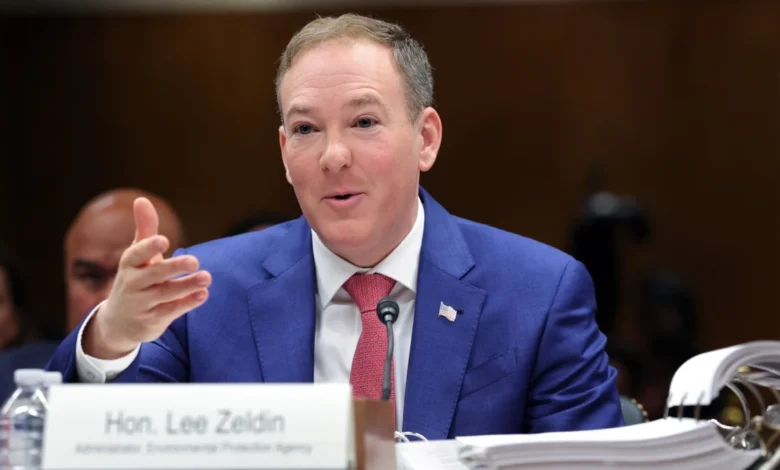
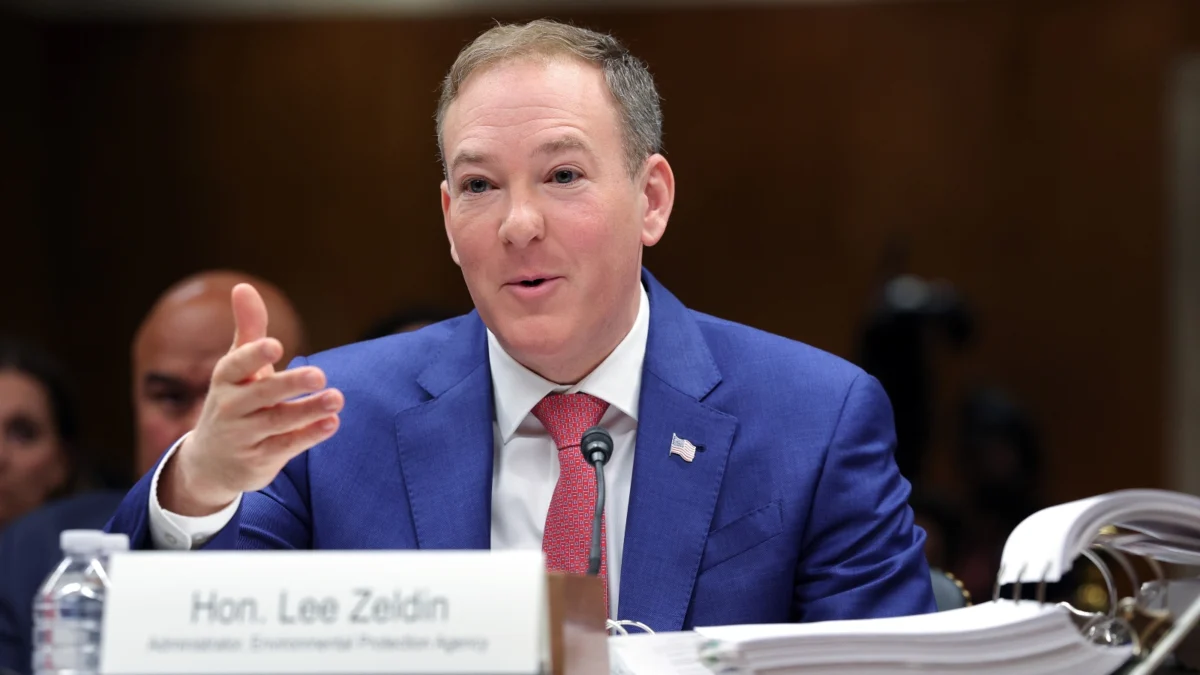
A coalition of environmental advocacy organizations and public health associations has launched a formal legal challenge against the Trump administration’s proposal to rescind federal greenhouse gas standards for power plants. This regulatory pivot, which seeks to dismantle carbon-reduction mandates established during the Biden administration, is poised to significantly alter the trajectory of the American energy landscape. For states like Georgia, the move carries profound implications for air quality, long-term public health outcomes, and the operational strategies of major utility providers.
The litigation, led by entities including the Natural Resources Defense Council (NRDC) and the American Public Health Association (APHA), contends that the proposed repeal violates the Environmental Protection Agency’s (EPA) mandate to protect the public from dangerous pollutants. At the heart of the dispute is the Biden-era rule that required coal-fired power plants to either integrate carbon capture and sequestration technology or face decommissioning by 2032. For natural gas facilities, the regulation sought to limit usage to ensure that carbon footprints remained within sustainable thresholds.
The Public Health Argument
The pushback from health experts is grounded in the established link between fossil fuel combustion and respiratory illness. Dr. Georges C. Benjamin, CEO of the American Public Health Association, has emphasized that the deregulation effort poses a direct threat to millions of Americans. "Clean air is a basic human right," Benjamin stated. "Power plant pollution fuels climate change, worsening extreme heat and exacerbating the conditions that lead to poor air quality and chronic health risks."
Research consistently indicates that the fine particulate matter and greenhouse gases emitted by legacy coal plants disproportionately affect vulnerable populations, including children, the elderly, and those with pre-existing cardiovascular conditions. By removing the requirement to either modernize or retire these aging plants, critics argue the administration is prioritizing industrial flexibility over public welfare.
A Timeline of Regulatory Volatility
The regulatory environment for utilities has become increasingly unpredictable, creating a cycle of "stop-and-start" planning that complicates long-term energy infrastructure.
- 2022: Georgia Power, the state’s primary utility, releases a long-term resource plan acknowledging that the cost of retrofitting coal plants with carbon capture technology is economically prohibitive. The company initiates plans to retire key coal-burning units.
- 2024: Following the election of Donald Trump, utility industry sentiment shifts. Anticipating a reversal of the Biden-era EPA mandates, companies begin adjusting their operational calculus to maintain coal assets that were previously slated for retirement.
- 2025: During critical resource planning hearings, Georgia Power secures approval from the Georgia Public Service Commission (PSC) to extend the operational life of major units at Plant Scherer and Plant Gaston.
- 2026: The Trump administration formally proposes the repeal of the EPA carbon standards, prompting an immediate legal challenge from environmental groups.
This volatility has forced utilities to adopt "scenario planning." During the 2025 hearings, Georgia Power officials admitted to running nine distinct planning scenarios—three assuming federal compliance and six assuming a future where those regulations were absent or repealed. Jeff Grubb, the utility’s director of resource policy and planning, defended this approach, stating that it provided a "flexible framework" to navigate an uncertain legal environment.
The Georgia Context: A Case Study in Emission Shifts
Georgia serves as a critical case study for the impacts of this potential repeal. Plant Scherer, located near Macon, stands as one of the largest emitters in the region. In 2024, the Energy Information Administration (EIA) recorded that the facility released more than 8 million tons of carbon dioxide. Plant Gaston in neighboring Alabama added another 2 million tons.
The primary concern among environmental analysts, such as Maggie Shober of the Southern Alliance for Clean Energy, is the "doubling effect." As Georgia Power expands its infrastructure to meet the surging electricity demand from data centers and the growing manufacturing sector, it is increasingly reliant on methane gas turbines.
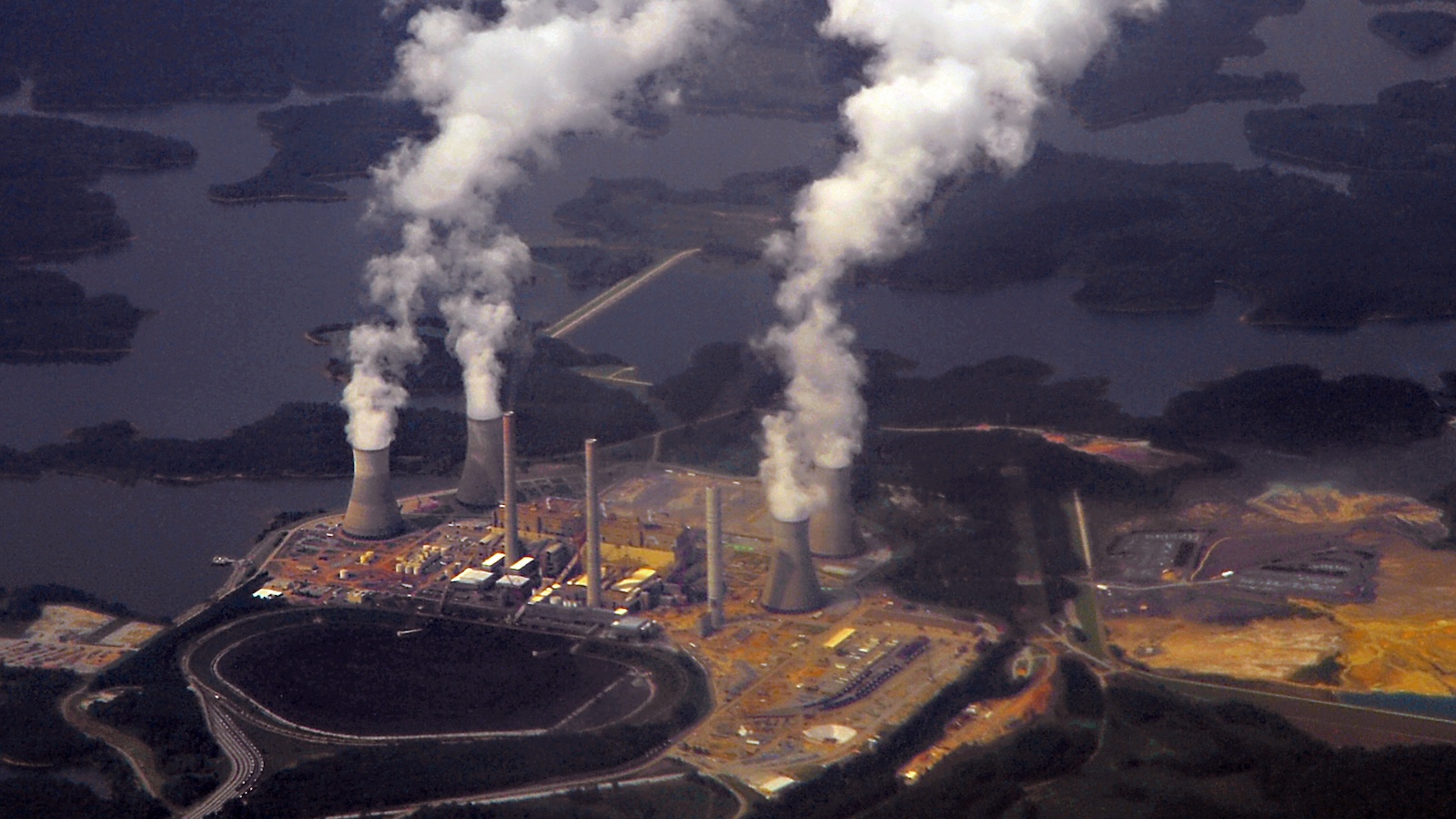
Under the current EPA framework, these new gas turbines would have been restricted to roughly 40 percent of the year, limiting annual emissions to approximately 4 million tons of CO2. If the proposed repeal succeeds, those turbines could potentially run at an 85 percent capacity factor, effectively doubling annual carbon output to 8.5 million tons. This represents a significant deviation from the decarbonization goals once championed by the utility sector.
Corporate Responses and Official Positions
Southern Company, the parent firm of Georgia Power, has maintained a guarded stance throughout the process. When contacted for comment, a corporate spokesperson declined to provide a direct interview or specific insight into how the repeal would affect the company’s internal 2050 net-zero goals. Instead, the company issued a statement asserting, "We support regulatory certainty with a durable framework that leads to reliable and affordable electricity for our customers."
The statement notably omitted any reference to the firm’s voluntary sustainability targets, suggesting that the company is prioritizing regulatory alignment and grid reliability over its previous climate-conscious milestones. This silence highlights the friction between corporate sustainability pledges and the shifting political winds in Washington.
Broader Implications for the Energy Sector
The legal challenge currently unfolding is likely to reach the higher courts, given the magnitude of the regulatory reversal. A successful repeal would effectively signal a return to "business as usual" for many utilities that have struggled to balance the high capital costs of carbon-capture technology with the pressure to maintain low consumer rates.
However, the implications extend beyond carbon counts. Critics argue that the move undermines the economic argument for clean energy transition. While renewable energy sources like wind and solar continue to drop in price, the regulatory safety net provided by the repealed rules ensured that fossil fuel plants were forced to internalize the cost of their carbon emissions. Without these rules, the market-based incentives for transitioning to cleaner generation diminish.
Furthermore, the uncertainty surrounding these regulations creates a "hidden tax" on utility consumers. As companies like Georgia Power hedge their bets by maintaining aging coal plants—which require expensive maintenance and fuel—the costs are often passed down to ratepayers. If the regulatory environment remains unstable, the long-term cost of grid modernization may become significantly higher than if the nation had adhered to a consistent decarbonization roadmap.
The Path Forward
As the EPA enters a public comment period regarding the proposed repeal, the outcome remains far from certain. The legal battle initiated by the NRDC and others will likely focus on whether the administration has the legal authority to discard established emissions standards without providing a sufficient scientific or administrative justification.
For the residents of Georgia and the wider United States, the stakes remain high. The shift represents more than a change in environmental policy; it is a fundamental test of the government’s ability to balance industrial growth with the health and safety of its citizens. As the judicial system prepares to weigh the arguments, the energy sector sits in a state of suspended animation, awaiting a resolution that will dictate the air quality and economic health of the nation for the coming decade.