Bannock County Idaho Confronts a Pivotal Energy Crossroads as Commissioners Reconsider Renewable Energy Ban

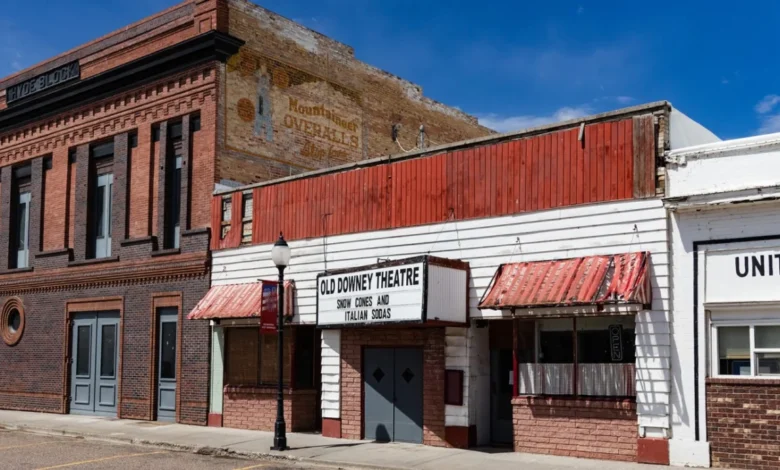
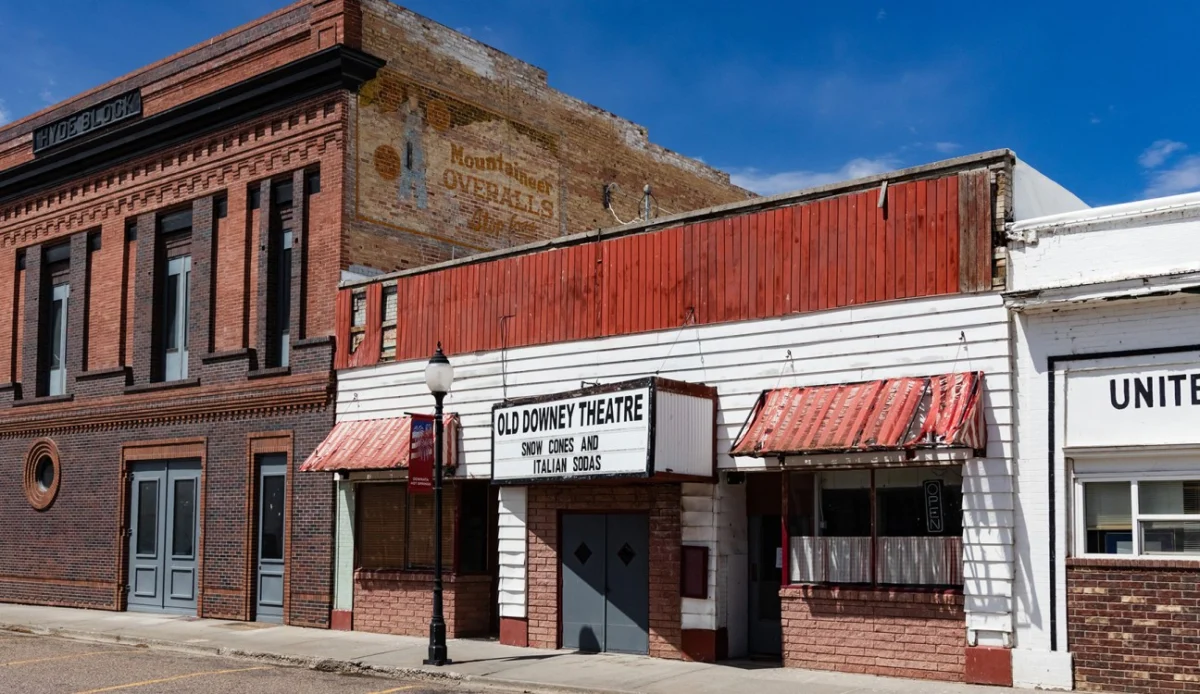
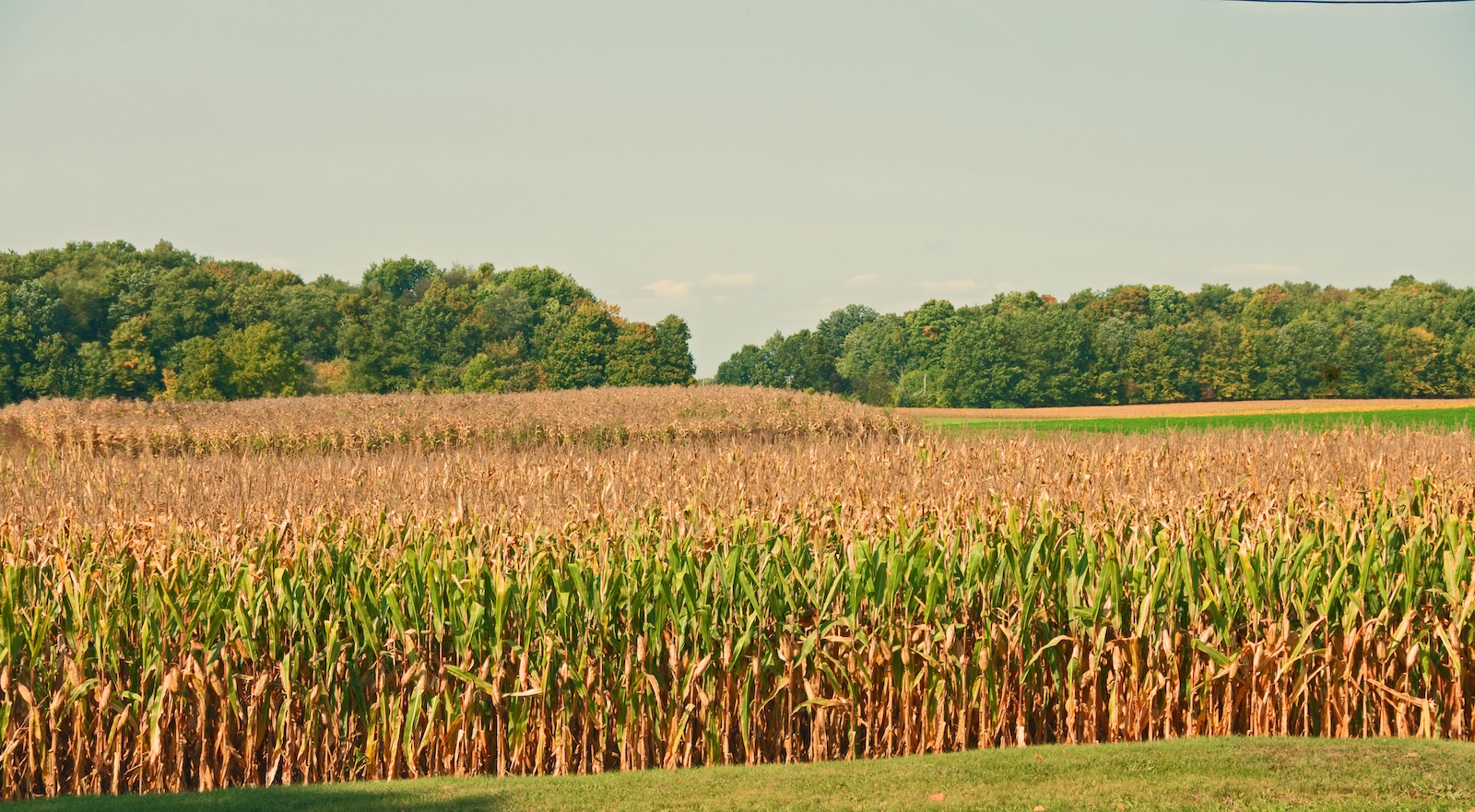
Jeff Hough did not mince words when he addressed the packed Bannock County courthouse in early 2024. Standing before his fellow Republican commissioners, he invoked the foundational principles of the United States, specifically the spirit of the Declaration of Independence, to argue against an impending ordinance that would effectively shutter the county to utility-scale wind and solar development. For Hough, the issue was a fundamental matter of property rights; for his colleagues, however, the proposal represented a necessary bulwark against an influx of industrial energy infrastructure they believed would fundamentally alter the character of their rural landscape.
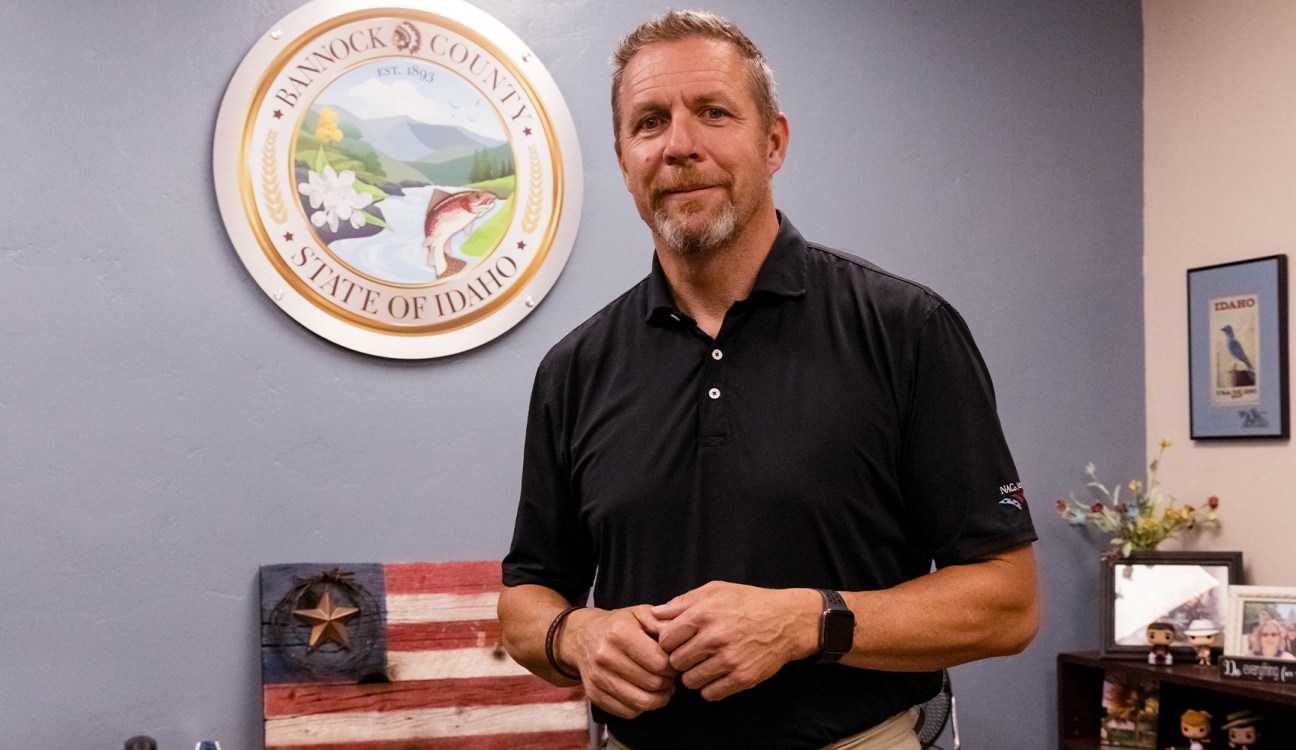
The commission voted 2–1 to pass the ban, with Hough standing as the lone dissenter. Yet, the story did not end there. In the more than two years since that legislative move, the political and economic climate surrounding energy in Idaho has shifted dramatically, forcing a reckoning that has landed the county at a critical crossroads.
A Chronology of Conflict and Reassessment
The roots of the Bannock County controversy lie in the late summer and fall of 2023. During an Idaho Association of Counties conference in Boise, the conversation was dominated by the polarizing Lava Ridge Wind Project—a 1-gigawatt proposal slated for 57,000 acres of federal land. Though the project was eventually canceled by the Interior Department in August 2025, the mere prospect of such massive development galvanized rural leaders across the state.
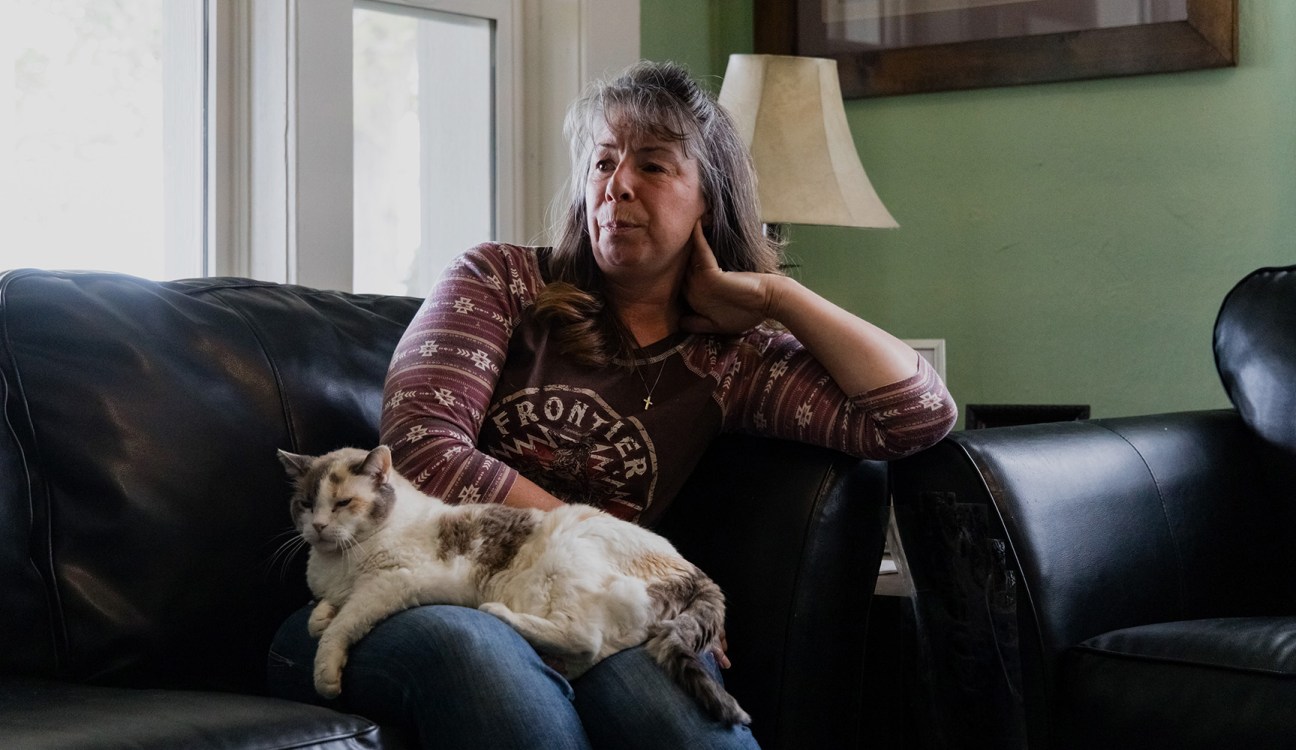
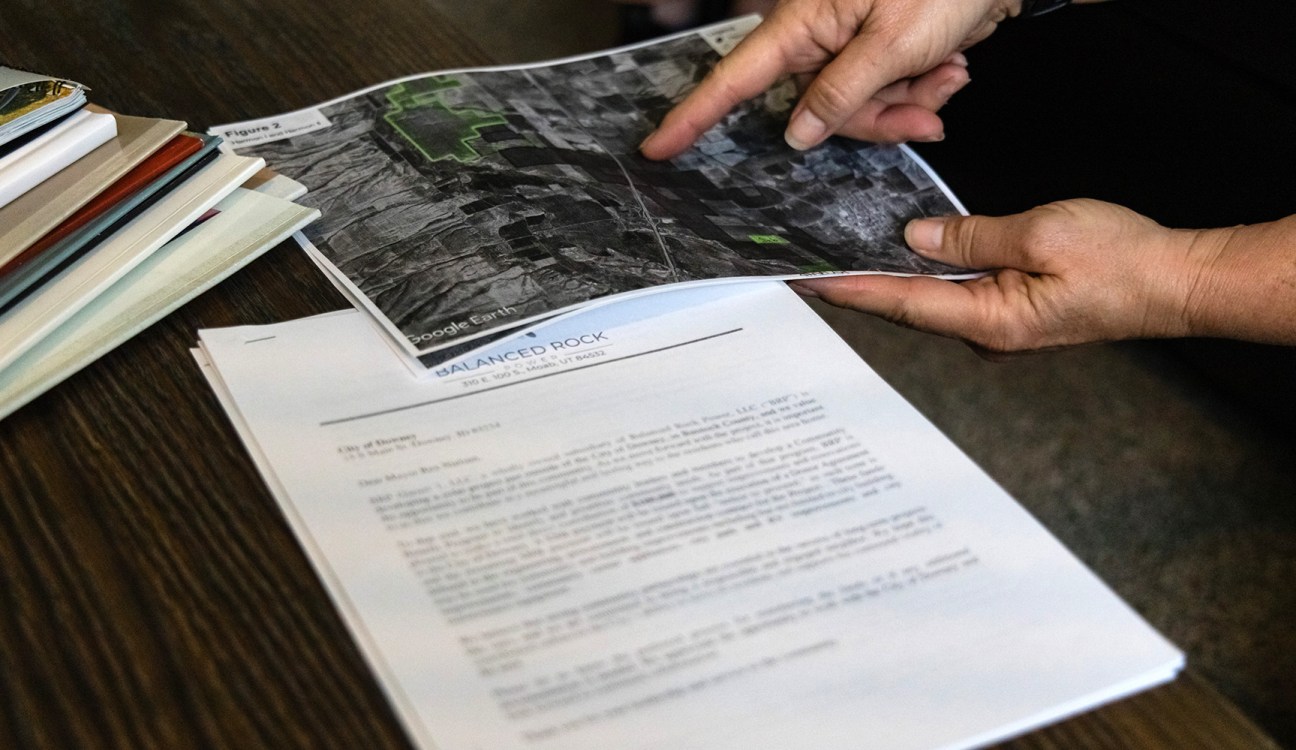
Returning from Boise, Commissioner Hough discovered that developers like Hecate Energy and Balanced Rock Power were already in discussions with local landowners regarding private-land projects. Fearing a lack of regulatory oversight would lead to haphazard development, Hough pushed for a temporary, six-month moratorium in October 2023 to establish a zoning framework.
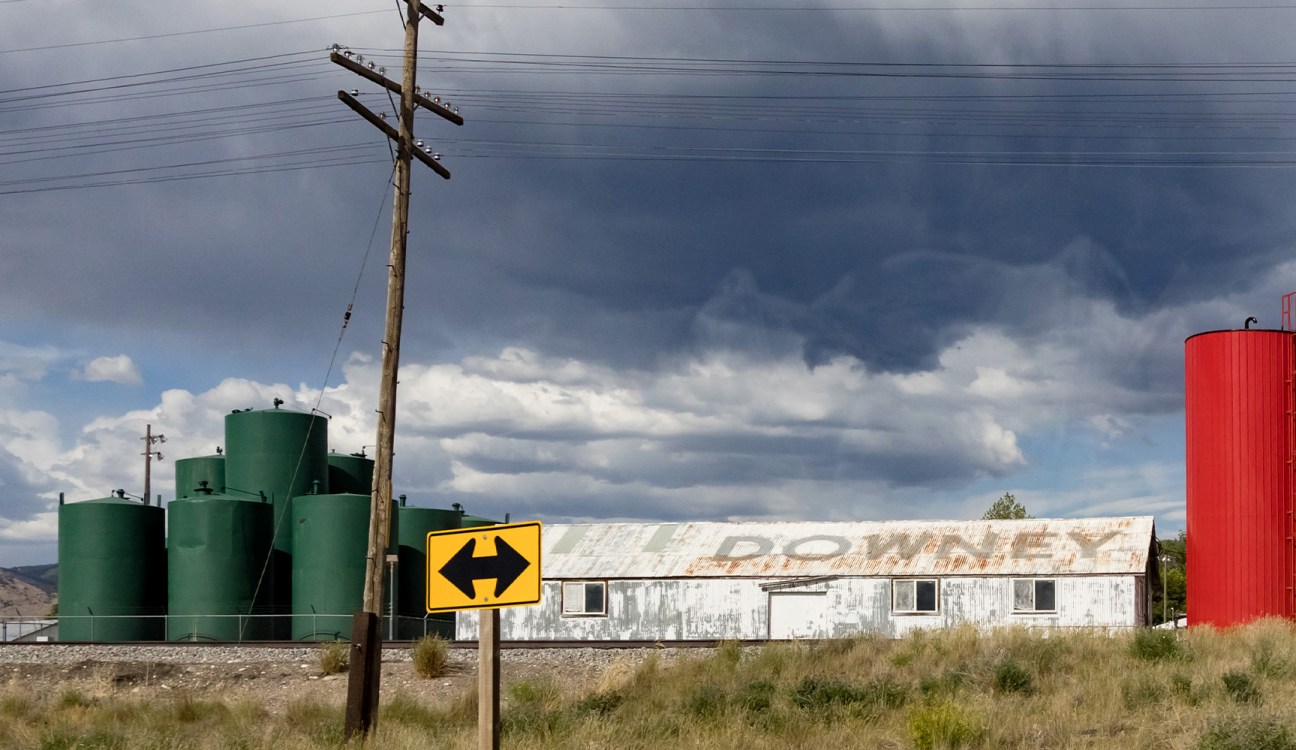
Instead of a measured cooling-off period, the initiative became a flashpoint. Local residents, led by figures like Rebecca Falcon of Downey, mobilized to transform the temporary pause into a permanent prohibition. By February 2024, the public hearing on the matter was moved to a high school auditorium to accommodate the hundreds of attendees. The sentiment expressed by the majority of speakers was one of intense opposition to solar energy, citing concerns over land use, aesthetic changes, and the long-term viability of agricultural heritage. The subsequent vote in March 2024 to formalize the ban was a decisive victory for the anti-development coalition, but it left the county in a state of economic and legal flux.
The National Trend: A Rural Divide
Bannock County is a microcosm of a broader national trend. As of 2025, nearly 25 percent of all U.S. counties have implemented some form of moratorium or restriction on clean energy development, a marked increase from 15 percent in 2023. According to joint analysis from The Daily Yonder and Canary Media, more than 60 percent of these restrictive jurisdictions are classified as rural.
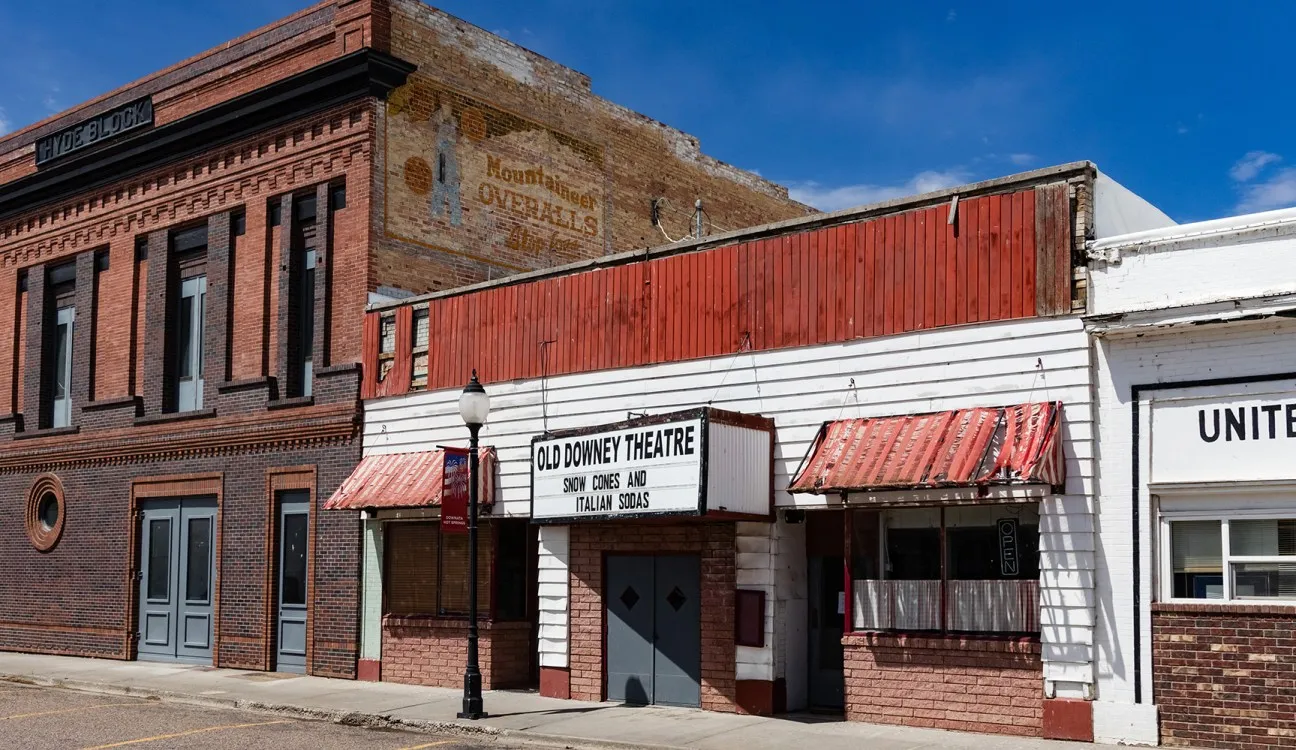
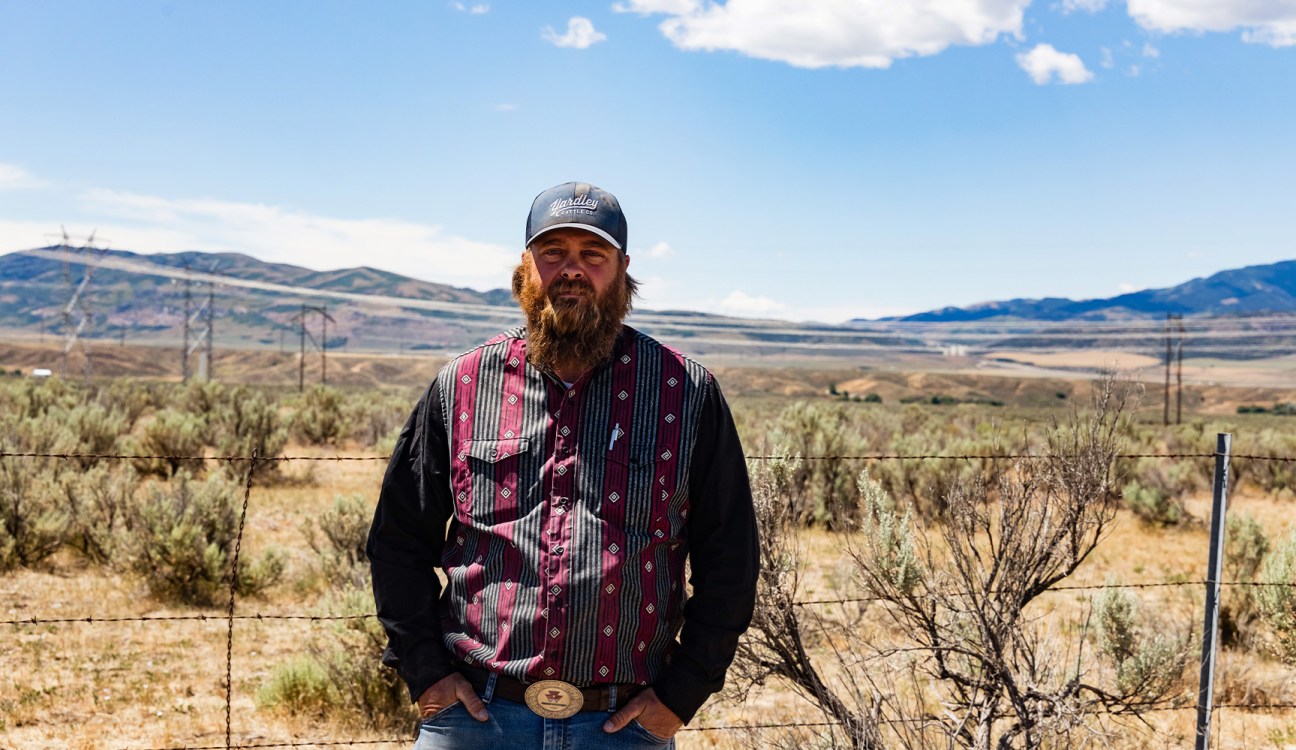
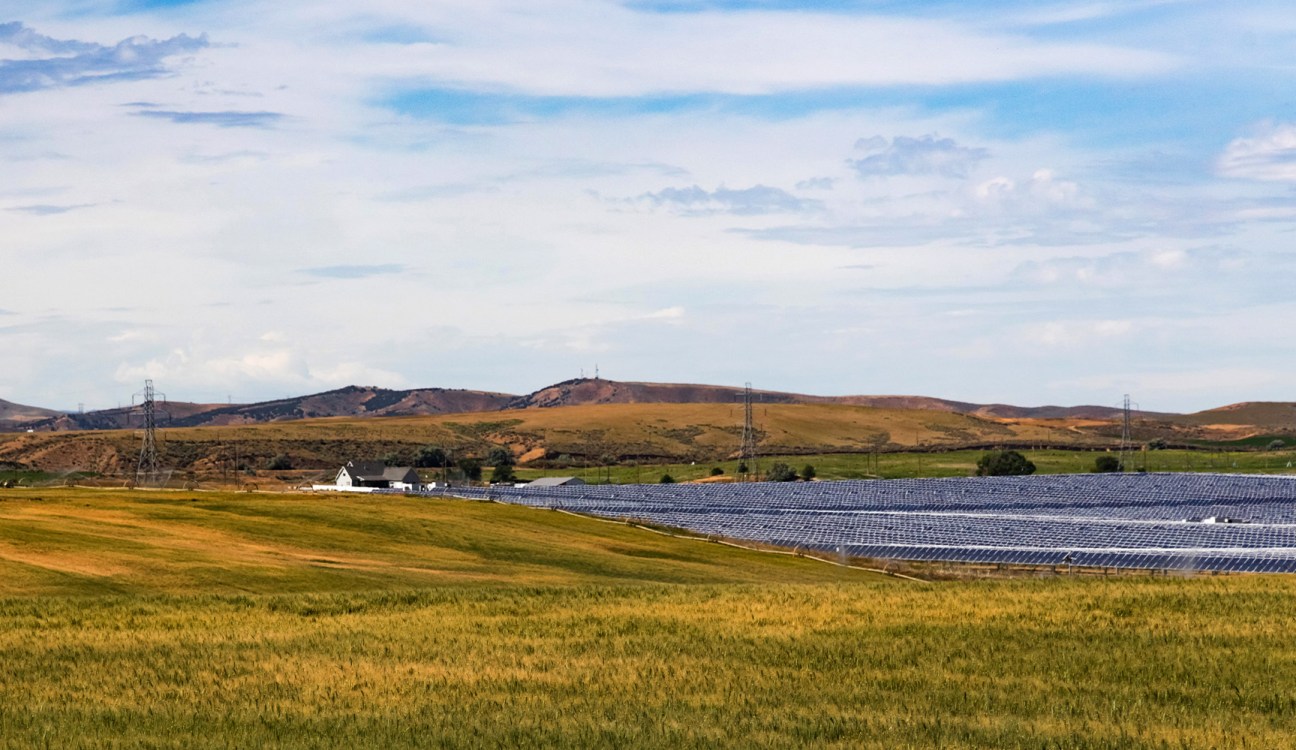
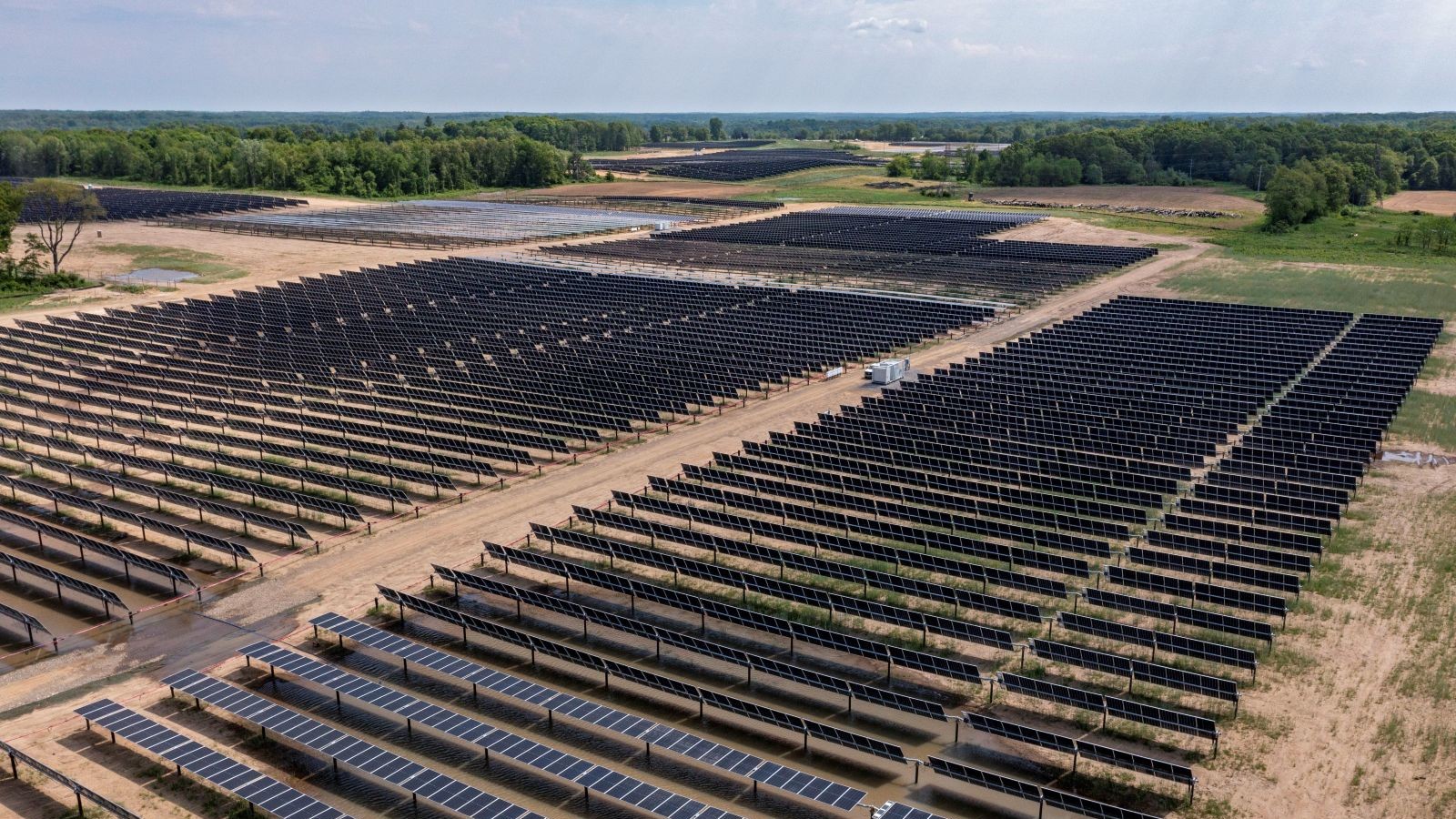
This trend is often driven by a "Not In My Backyard" (NIMBY) sentiment, compounded by skepticism regarding the long-term impacts of large-scale renewable infrastructure. However, the economic reality is increasingly complex. While critics argue that solar arrays consume prime agricultural land, proponents—including many farmers struggling with the effects of climate change—view leasing as a life-raft for family operations that are no longer sustainable through traditional grain farming alone.
Economic Realities and the Energy Deficit
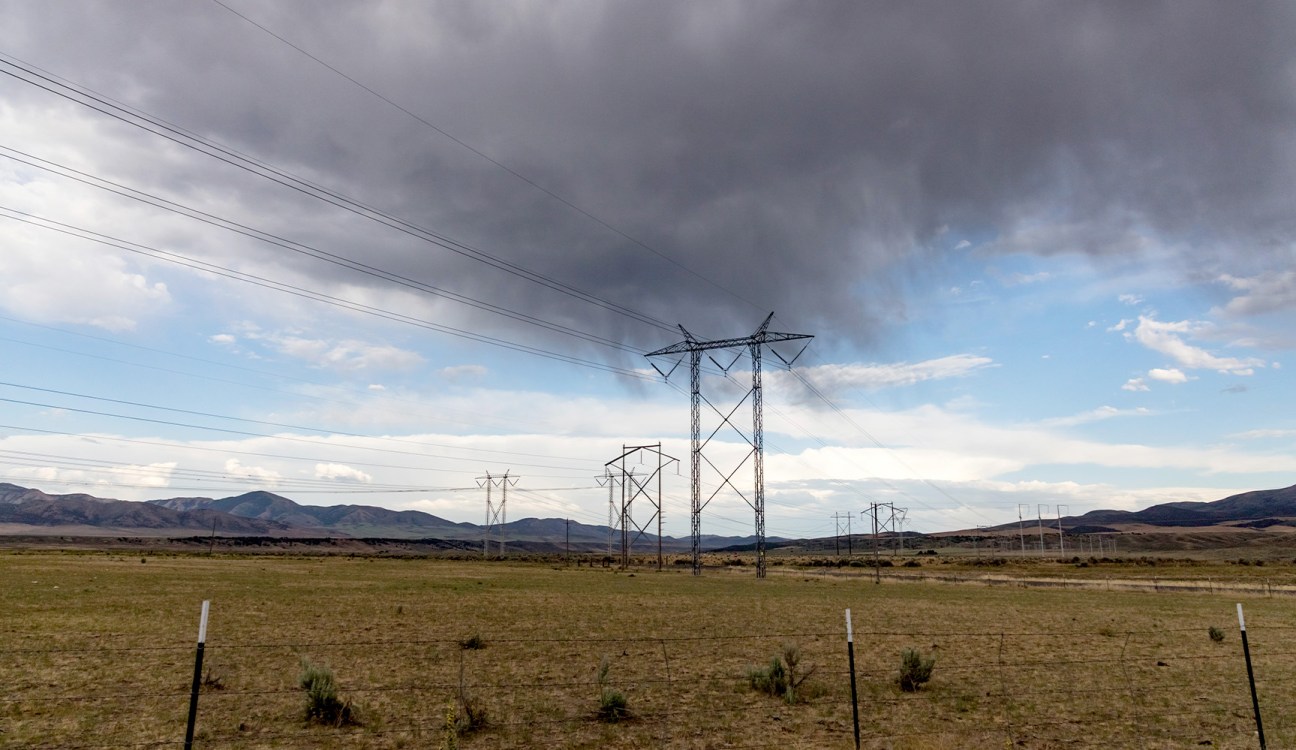
The urgency of this debate is underscored by a looming supply-demand mismatch in the regional power grid. Idaho Power, the state’s primary utility provider, has projected an increase in electricity demand of approximately 1 gigawatt by 2030—a 26 percent jump. Infrastructure analysts emphasize that building power generation near existing nodes, such as the critical Populus substation in Bannock County, is significantly more cost-effective than long-distance transmission.
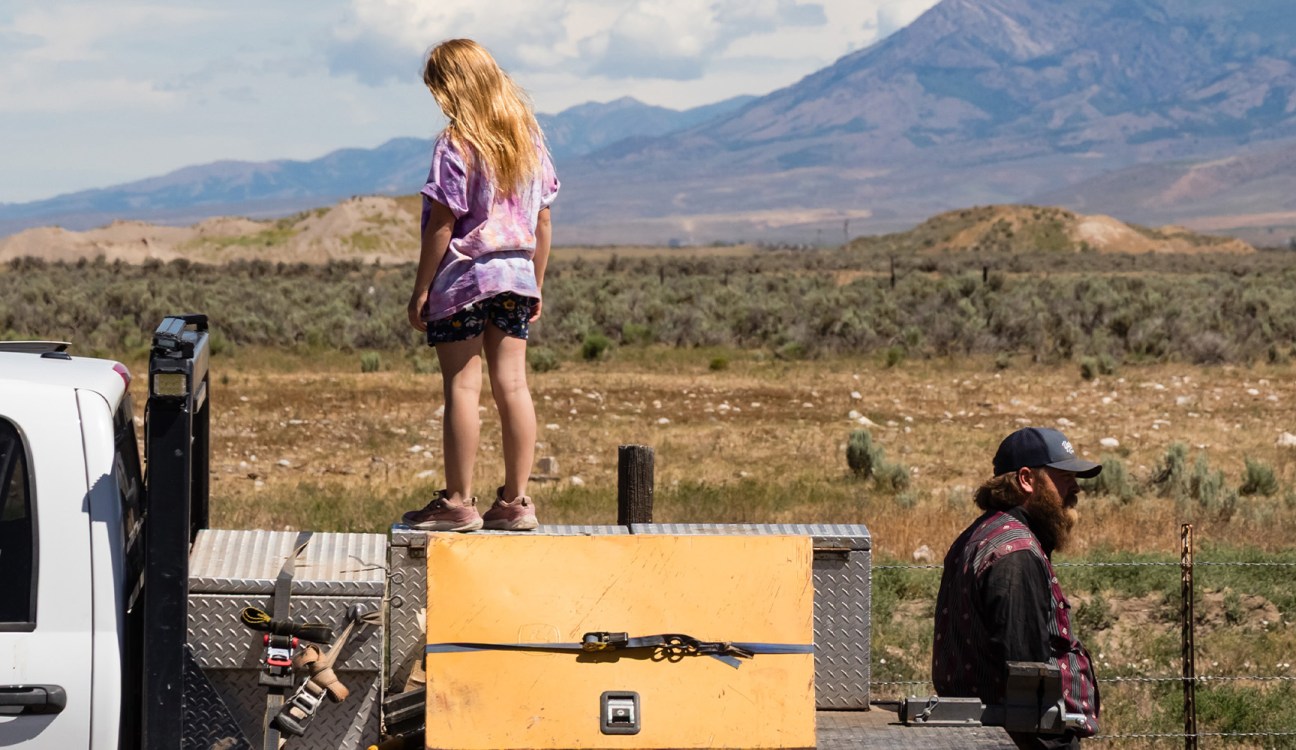
For Commissioner Hough, now the chair of the commission, the focus has shifted toward economic development. In neighboring Power and Bingham counties, utility-scale projects generated hundreds of thousands of dollars in annual tax revenue in 2024 alone. These funds serve as critical capital for rural communities facing the disappearance of essential services, including pharmacies, grocery stores, and rural medical clinics.
"Rural America is in a transition state," Hough stated in a recent interview. "How do we help these communities thrive and prosper in this new economic landscape?"
The Nuclear Pivot: A Potential Compromise
As the commission prepares to vote this fall on new, more permissive language for energy development, a surprising consensus has emerged: the potential for nuclear energy. A county-wide survey conducted in early 2026 revealed that 90 percent of respondents held favorable views toward nuclear development, a level of agreement that stunned local officials.
The presence of the Idaho National Laboratory (INL) in the region provides a strong foundation for this enthusiasm. With the U.S. government prioritizing microreactor test beds and private-sector players like TerraPower making significant strides in Wyoming, the vision of a "nuclear-friendly" Bannock County has gained political traction.
However, experts urge caution. The industry is currently in its nascent stages, with only a handful of next-generation reactors globally having secured construction permits, and none currently holding operating licenses. The cancellation of high-profile Small Modular Reactor (SMR) projects in 2023 due to cost overruns serves as a cautionary tale. Commissioner Hough acknowledges these realities, arguing that while nuclear is a long-term goal, the county cannot afford to wait a decade to address its immediate economic and energy needs.
Navigating the Future
The upcoming vote on the revised ordinance will be the final test of the commission’s commitment to balancing these competing interests. The draft language includes robust requirements for developers, such as mandatory decommissioning bonds and site restoration plans, designed to address concerns regarding the long-term impact of the technology.
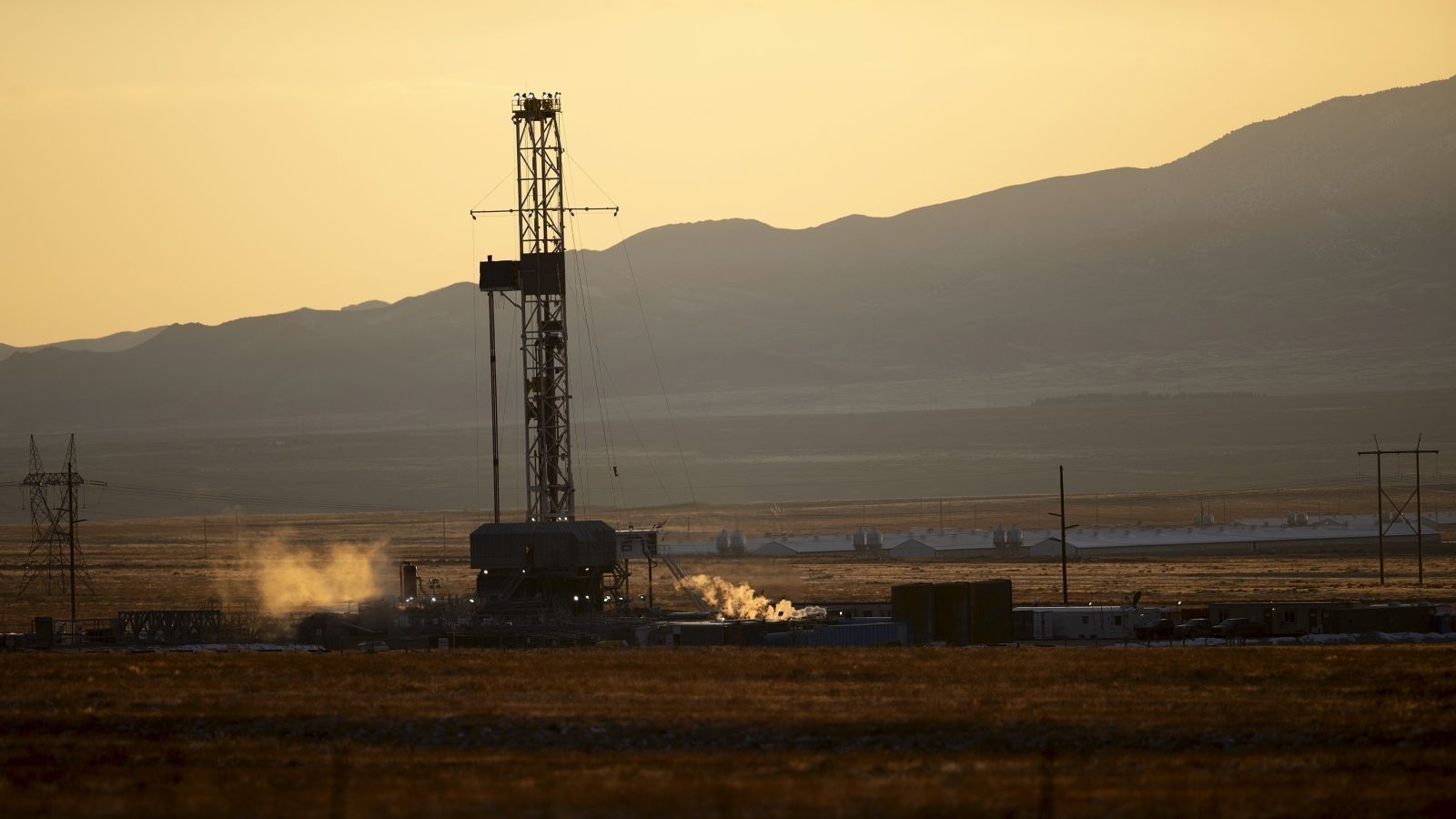
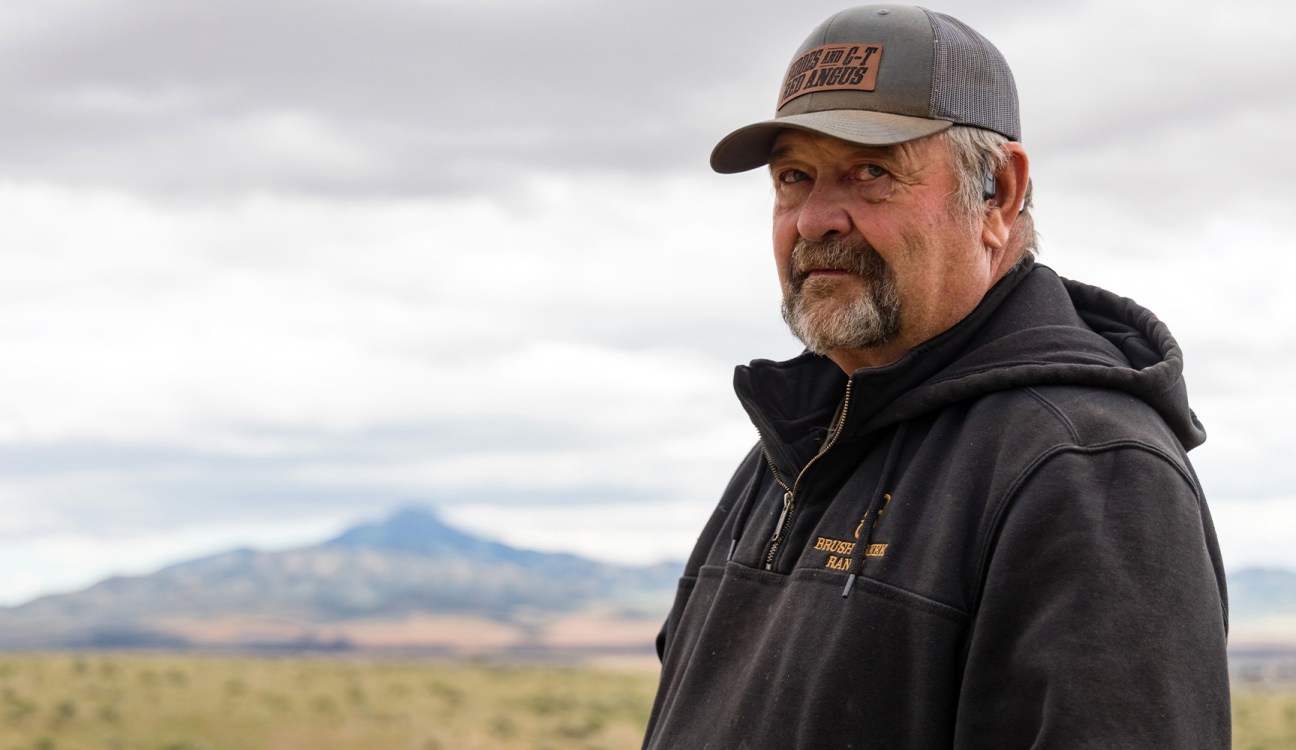
For residents like Steve Criddle, a third-generation farmer in Downey, the choice remains confrontational. While he and other farmers see the potential for solar to save their family legacies, others remain deeply skeptical of the industrialization of the valley. The local volunteer fire departments have also expressed concerns regarding the technical requirements of fighting potential battery storage fires, prompting the new ordinance to mandate that developers provide training and specialized equipment to local first responders.
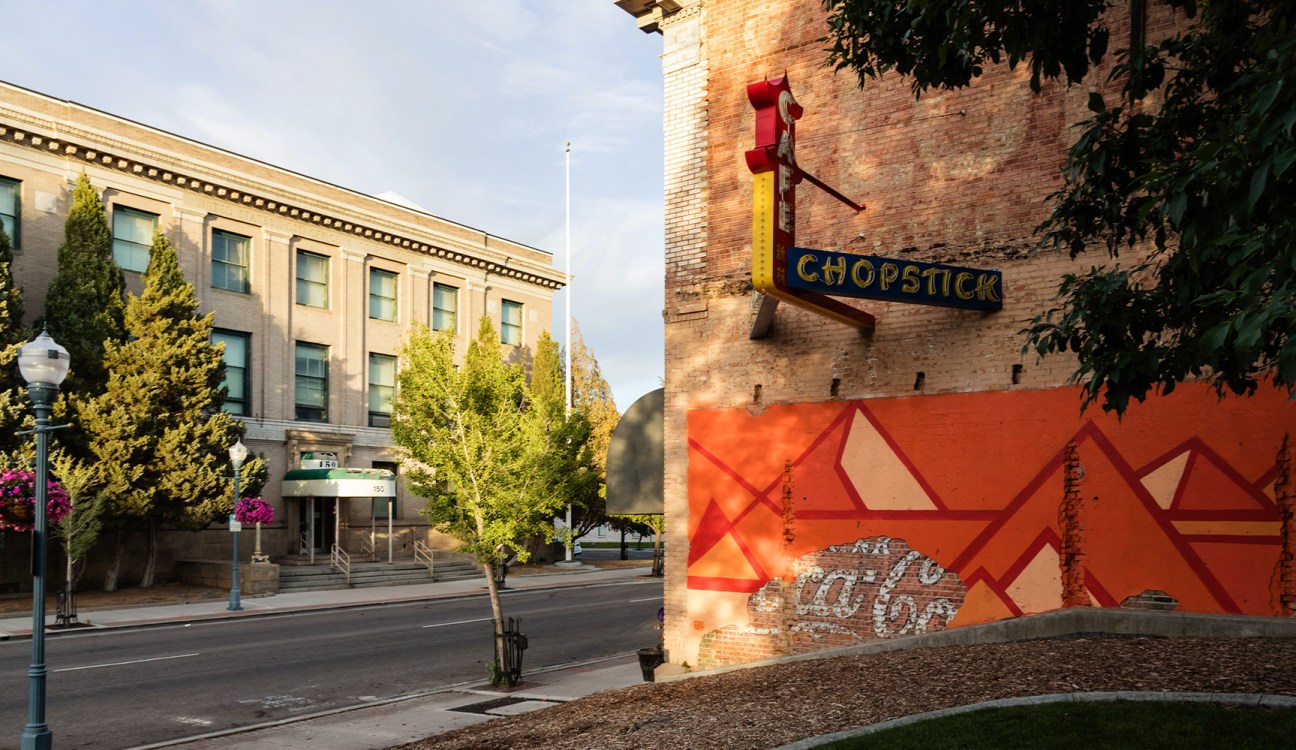
Ultimately, the decision rests on whether the commissioners believe in a path of preservation through isolation or a path of adaptation through managed growth. The shift in opinion among some commissioners, coupled with the desire for economic vitality, suggests that the "straight-out ban" approach of 2024 may be nearing its end. As Commissioner Ernie Moser noted, the role of a steward is not just to protect the past, but to ensure the sustainability of the land for the generations that follow. Whether that future is powered by the sun, the atom, or a combination of both remains the defining question for Bannock County.
Related posts: