Harnessing the Great Lakes: Beaver Island Explores Wave Energy to Secure Power Independence

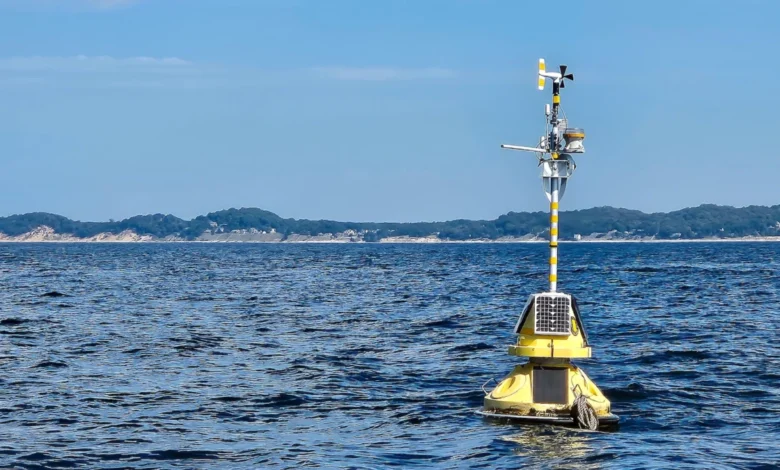
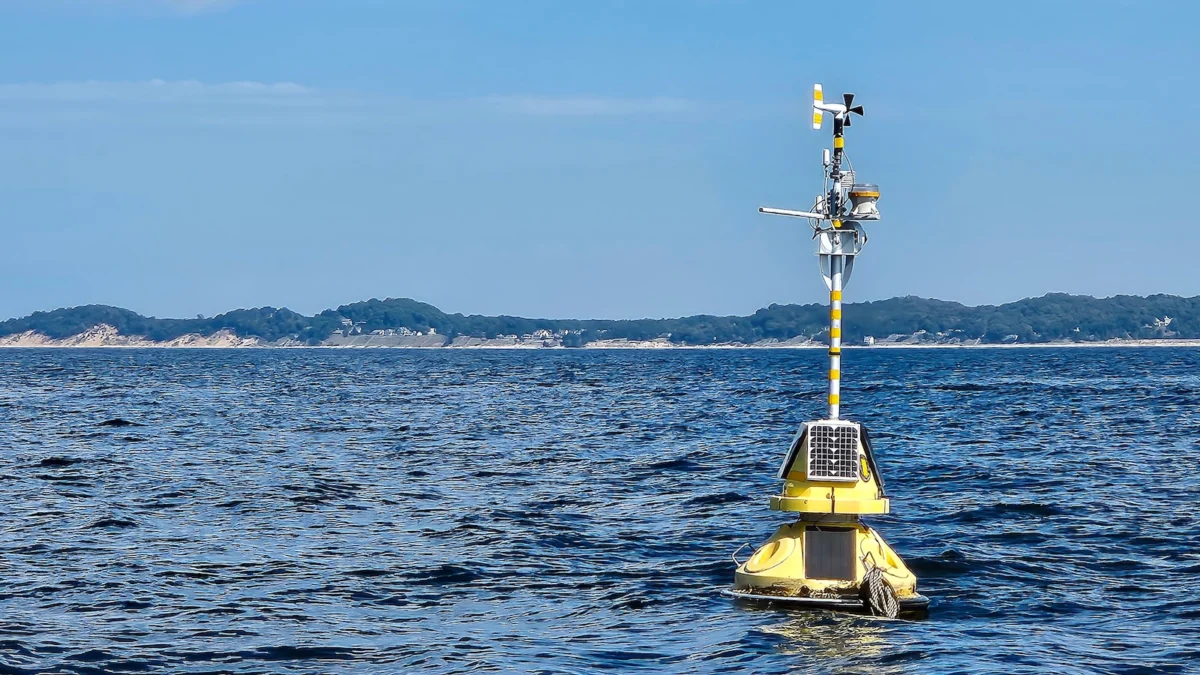
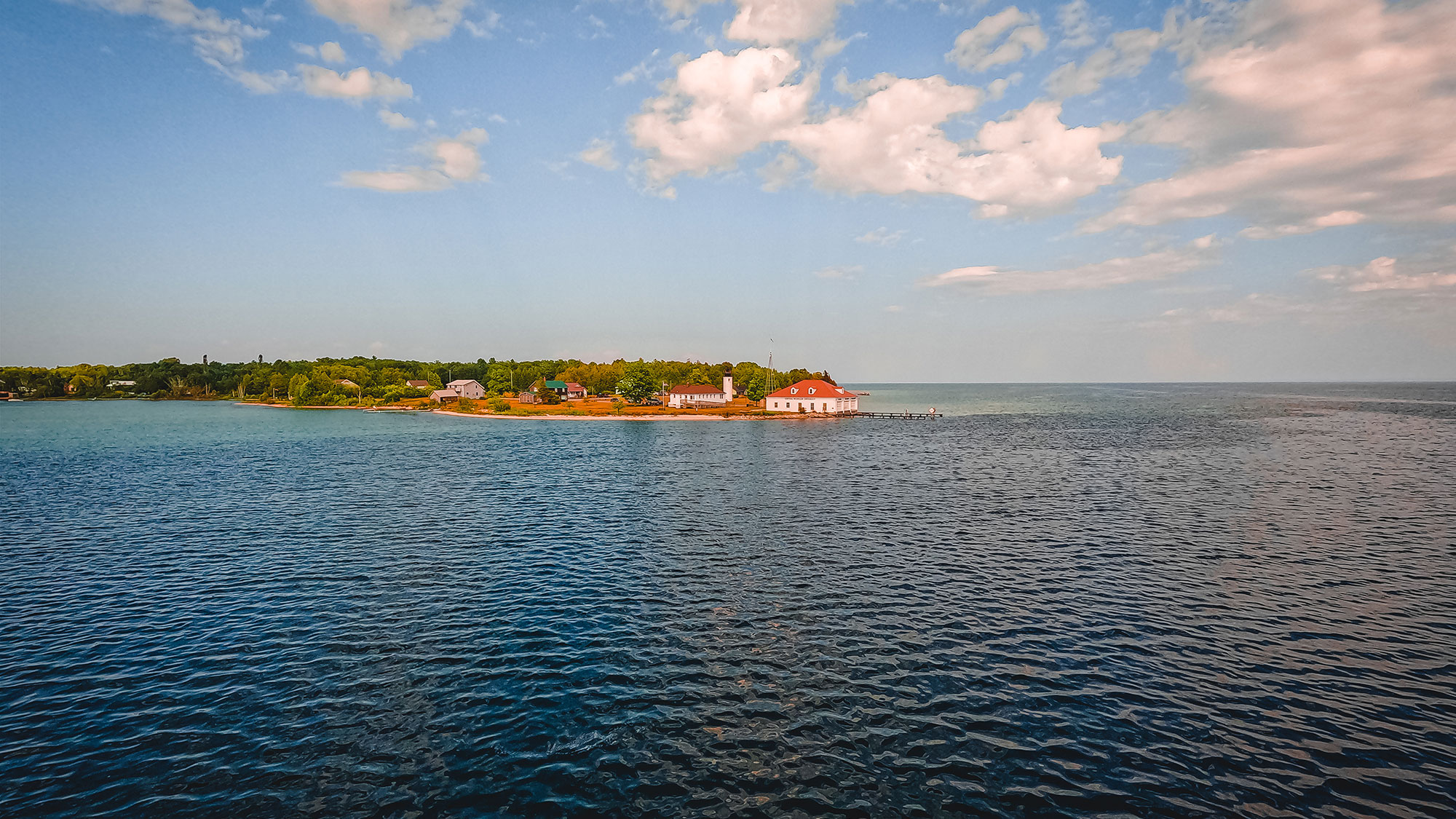
Beaver Island, an emerald expanse of forest and sand situated in the northern reaches of Lake Michigan, is currently the staging ground for a technological experiment that could redefine energy resilience for remote communities across North America. Located approximately 70 miles from the maritime border with Canada and accessible only by air or a lengthy ferry ride, the island is home to 600 permanent residents—a population that swells significantly during the summer months. Despite its idyllic setting, the island faces a precarious reality regarding its basic infrastructure: its entire electrical supply is tethered to the Michigan mainland via 30 miles of sensitive underwater cables. This reliance on the mainland grid has left the community vulnerable to the whims of the Great Lakes’ increasingly volatile weather patterns, prompting a local movement toward energy sovereignty through the untapped kinetic power of the surrounding waters.
The vulnerability of the island’s current configuration was laid bare during the winter of 2023, when a catastrophic ice storm ravaged the state of Michigan. While mainland residents struggled with multi-day outages, Beaver Island was plunged into darkness for weeks. The delicate cables running along the lakebed are susceptible not only to extreme weather but also to shifting currents and technical failures that are difficult and expensive to repair under frozen conditions. In response to these perennial challenges, researchers from the University of Michigan (U-M) have partnered with the local community to pilot a wave energy project that seeks to convert the rhythmic motion of Lake Michigan’s waves into a dependable, localized source of electricity.
The Technology of Motion: Converting Waves to Watts
Earlier this month, a team of engineers and researchers from the University of Michigan arrived on the Beaver Island shoreline to deploy two prototype Wave Energy Converters (WECs). These devices, which the researchers describe as small, boat-like structures framed with durable PVC piping, are roughly the size of a yoga ball. Despite their modest footprint, the prototypes represent a sophisticated application of hydrokinetic engineering. As waves pass under the devices, the kinetic energy of the water’s movement is captured and converted into electrical energy through an internal generator.
During the initial demonstration, the U-M team successfully used the devices to power a light bulb and charge a cellular device, proving the fundamental viability of the technology in a freshwater environment. Unlike massive offshore wind turbines or sprawling solar arrays, these wave energy units are designed to be scalable and relatively unobtrusive. The goal is not necessarily to replace the mainland connection entirely, but to create a hybrid microgrid capable of sustaining critical infrastructure during emergencies.
The project is the result of a two-year collaborative process between academia and the island’s residents. Professor Lei Zuo, a lead engineering researcher at U-M, emphasized that the project’s success hinges on community integration. "We need to work with the community together to identify the need and design together with them," Zuo stated during the deployment. Through town halls and surveys, the residents identified the Beaver Island Airport as the primary candidate for wave-powered backup energy. As the island’s lifeline for medical evacuations and supply deliveries, ensuring the airport remains operational during a total grid collapse is a matter of public safety.
A Chronology of Energy Transition on Beaver Island
The push for renewable energy on Beaver Island did not begin with wave power; rather, it is the latest chapter in a long-term strategy for self-sufficiency. Over the last decade, several residents and business owners have invested in individual solar arrays and geothermal heating systems to offset the high cost of electricity imported from the mainland.
In recent years, the island’s efforts gained momentum through federal support. Beaver Island was previously selected as a recipient of Department of Energy (DOE) funds aimed at assisting remote and islanded communities in transitioning to clean energy. These funds allowed for preliminary feasibility studies and the modernization of local electrical nodes. The University of Michigan project, funded by National Science Foundation (NSF) grants awarded two years ago, built upon this foundation by introducing a technology specifically suited to the island’s most abundant natural resource.
The timeline for the project remains ambitious. Following the successful demonstration of the prototypes, the U-M team plans to spend the next 12 to 24 months refining the design based on the data collected from Lake Michigan’s wave periods and heights. The final version of the converters is expected to be more robust, capable of withstanding the harsh freeze-thaw cycles of the Great Lakes. The ultimate goal is a permanent installation that can feed directly into a localized microgrid, providing a "black-start" capability—the ability to restore power independently after a total system failure.
The Great Lakes as a "Real-World Laboratory"
While wave energy is frequently discussed in the context of the Atlantic or Pacific Oceans, the Great Lakes offer a unique environment for research and development. Saeid Bayat, a researcher with the University of Michigan, noted that the inland seas act as a "real-world laboratory" that is significantly more accessible than the open ocean.
"The Great Lakes provide real-world wave conditions while being much easier, safer, and less expensive to access than most ocean sites," Bayat explained. Ocean-based wave energy projects often face extreme salt-water corrosion, massive tidal surges, and complex international maritime regulations. In contrast, the freshwater environment of Lake Michigan allows for faster iteration of prototypes. Furthermore, the seasonal nature of Great Lakes waves—which are often strongest during the stormy autumn and winter months—aligns perfectly with the periods when the island’s grid is most at risk of failure.
However, the technology is not without its hurdles. Dan Hellin, the director of PacWave, an Oregon-based offshore testing facility, noted that wave energy is still in its infancy compared to wind and solar. There is currently no "gold standard" for WEC design, and the costs of deployment and maintenance remain high. "Finding something that works within the region is critical," Hellin said, suggesting that the future of energy for remote places lies in a "suite of renewables" tailored to local conditions rather than a single silver bullet.
Political and Economic Headwinds
The future of projects like the Beaver Island wave pilot is increasingly tied to the shifting priorities of federal energy policy. As the Trump administration enters its second term, there has been a marked shift in how renewable energy grants are managed. The administration has moved to cancel or redirect several programs focused on solar and wind energy, raising concerns among researchers who rely on federal science funding.
However, marine and hydrokinetic energy—which falls under the broader umbrella of hydropower—appears to occupy a more secure position. President Donald Trump has explicitly included hydropower among the domestic energy sources his administration intends to prioritize for regulatory fast-tracking. In early 2025, the Department of Energy’s Hydropower and Hydrokinetic Office announced it would utilize $220 million in Congressional appropriations to continue research into water-based power.
This "protected" status may be due to the perception of hydropower as a traditional and highly reliable energy source, unlike the more politically polarized wind and solar sectors. For Beaver Island, this means the federal funding pipeline for wave energy research may remain open even as other green initiatives face cuts.
Broader Implications for Remote Grid Resilience
Beaver Island is part of a growing global trend of "energy islands"—communities that are leveraging local geography to break free from centralized grid vulnerabilities. In the Native village of Galena, Alaska, residents are combining solar power with biomass energy to reduce their reliance on expensive, carbon-heavy diesel fuel. In Adjuntas, Puerto Rico, the community established a solar-powered microgrid following the devastation of Hurricane Maria, which left parts of the island without power for nearly a year.
The Beaver Island project serves as a blueprint for other Great Lakes communities, such as Mackinac Island or the Apostle Islands, which face similar logistical challenges. For residents like Seamus Norgaard, who spends his summers on Beaver Island, the project is about more than just physics and engineering; it is about the identity and survival of the community. "It’s a combination of looking at cost savings and also wanting to be independent and not dependent on the mainland for everything," Norgaard said. "And then also the environmental outlook."
As the University of Michigan team prepares for the next phase of testing, the eyes of the energy sector remain on this small island in Lake Michigan. If a yoga-ball-sized device can reliably charge a phone today, a fleet of such devices may one day ensure that when the next great ice storm hits, the lights of Beaver Island stay on, powered by the very waves that isolate it from the world. The successful commercialization of wave energy in the Great Lakes would not only secure Beaver Island’s future but also provide a new, clean tool for the global effort to build a more resilient and decentralized energy grid.
Related posts: