The Endangered Species Act Faces Unprecedented Legal Challenges as New Federal Directives Narrow Definitions of Harm and Take

The Endangered Species Act (ESA) has served as the bedrock of American conservation policy since its enactment in 1973. Designed to prevent the extinction of native plants and animals by protecting the ecosystems upon which they depend, the law has been credited with the recovery of iconic species, including the bald eagle, the American alligator, and the humpback whale. However, the regulatory framework governing this landmark statute is currently undergoing a radical transformation under the Trump administration, which has issued new directives that fundamentally alter how the government enforces legal protections for imperiled wildlife.
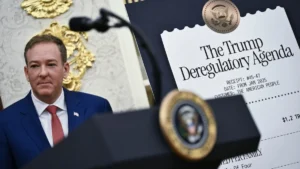
Starting this week, the U.S. Fish and Wildlife Service (FWS) has introduced a policy shift that effectively decriminalizes the unintentional killing of federally protected species. Under this new guidance, industries such as logging, mining, and maritime shipping may no longer be held liable for the death of an endangered animal, provided the act was not a deliberate, targeted effort to capture or kill that specific individual. This directive, coupled with a separate recent revision that redefines the destruction of critical habitat as no longer constituting "harm" to a species, represents the most significant narrowing of the ESA’s scope in its half-century history.
The Evolution of Regulatory Definitions
At the heart of the current controversy are the legal interpretations of two foundational terms within the ESA: "harm" and "take." Under the Act, a "take" is defined as the act of "harassing, harming, pursuing, hunting, shooting, wounding, killing, trapping, capturing, or collecting" a protected species. For decades, the federal government and the courts have interpreted "harm" to include significant habitat modification or degradation that kills or injures wildlife by significantly impairing essential behavioral patterns, including breeding, feeding, or sheltering.
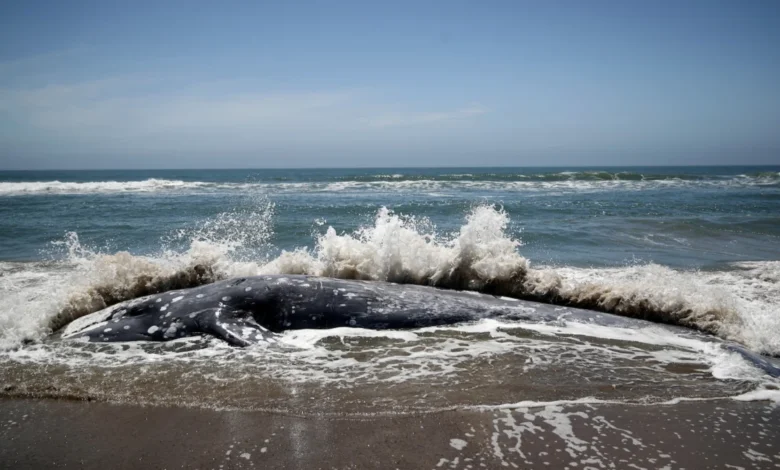
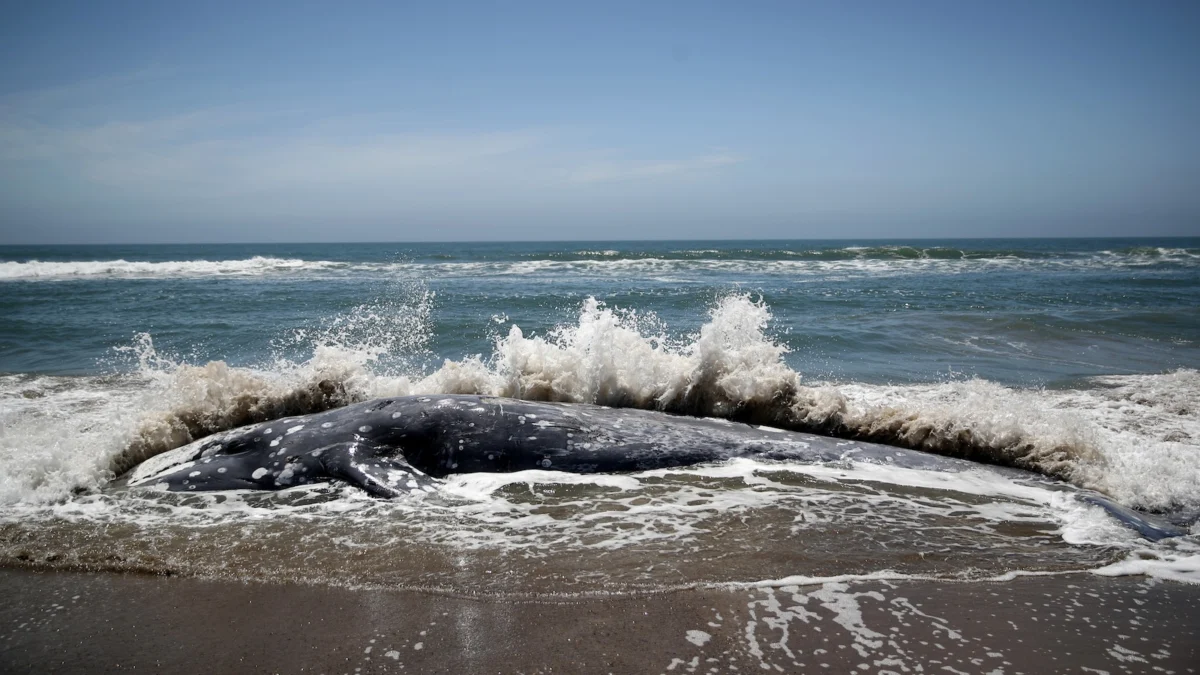
The Trump administration’s recent memo, signed by FWS director Brian Nesvik, adopts a much stricter, literalist approach. The memo asserts that a vessel inadvertently striking a whale does not constitute a "take" because the vessel’s course was not specifically set with the intent to strike the animal. Similarly, the directive suggests that the felling of a tree is not a "take" of the bats roosting within it, unless the specific intent of the operation was to harm or capture the bats.
This interpretation mirrors the minority view held by the late Justice Antonin Scalia in the 1995 Supreme Court case Babbitt v. Sweet Home. In that landmark ruling, the majority of the Court upheld the agency’s broad definition of "harm," which included habitat destruction. By attempting to codify Scalia’s dissent as official policy, the administration is effectively circumventing established judicial precedent to reshape the reach of federal environmental oversight.
A Chronology of Legislative and Judicial Friction
The current dispute is the latest in a long-standing tension between industrial interests and environmental conservationists. Since the 1970s, the ESA has been viewed by various extractive industries as a significant barrier to development. The following timeline outlines the key markers of this ongoing policy battle:
- 1973: The Endangered Species Act is signed into law, granting the federal government broad powers to protect habitats and species.
- 1990: The northern spotted owl is listed under the ESA, triggering major restrictions on logging in the Pacific Northwest and establishing a high-profile legal precedent for habitat protection.
- 1995: The Supreme Court rules in Babbitt v. Sweet Home that "harm" under the ESA encompasses significant habitat modification, solidifying the act’s power.
- 2024: The Supreme Court issues a ruling that shifts interpretive authority away from federal agencies and toward the judiciary, creating uncertainty for long-standing environmental regulations.
- 2026 (July): The Trump administration revises the definition of "harming" an animal to exclude certain forms of habitat degradation.
- 2026 (Present): The FWS issues a new memo narrowing the definition of "take" to exclude unintentional kills, sparking immediate outcry from environmental groups and state attorneys general.
Economic and Ecological Implications
The potential ramifications of these changes are vast. By removing the threat of liability for "unintentional" harm, the administration has effectively signaled to developers and industry leaders that habitat loss and incidental mortality are no longer primary regulatory concerns.

Conservationists argue that this shift ignores the primary drivers of extinction in the modern era. "Unintentional harm is exactly what is driving many species toward extinction," said Andrew Wetzler, an executive at the Natural Resources Defense Council. He noted that the majority of wildlife loss is not the result of malicious poaching, but rather the cumulative effect of industrial activities, land development, and infrastructure projects that fragment ecosystems.
Furthermore, the policy shift introduces a new layer of volatility for corporations. Historically, the ESA provided a clear, albeit strict, set of guidelines for compliance. By overturning decades of settled legal interpretations, the administration has introduced regulatory ambiguity. Corporate legal teams are now forced to weigh the benefits of relaxed standards against the risk of future litigation, as these policies are almost certain to be challenged in federal court.
The Vulnerability of Early-Listed Species
While modern species listings often benefit from mandated "critical habitat" protections, many of the earliest species listed under the Act—such as the Florida panther and the California sea otter—do not have these specific protections. They have long relied on the broad, inclusive language of the "harm" and "take" prohibitions for their survival. Legal analysts suggest that these species are now at the highest risk, as they have no secondary legal safety net if the primary definitions of harm are successfully dismantled.
"They are trying to disregard 50 years of the act and how the agency has always interpreted these terms," said Ryan Shannon, an attorney at Defenders of Wildlife. "This is not a minor adjustment; it is an attempt to fundamentally hollow out the most effective conservation tool we have."
Legal Challenges and the Road Ahead
The administration’s latest move faces a high probability of judicial intervention. Nearly two dozen states have already initiated litigation against recent changes to the ESA, and environmental advocacy groups are preparing a wave of new lawsuits. The recent shift in the Supreme Court’s stance regarding administrative deference—specifically the move to strip federal agencies of the power to interpret ambiguous statutes—creates a complex landscape for the FWS.
While the administration may have hoped the 2024 ruling would give them a freer hand to rewrite regulations, legal experts like Brett Hartl of the Center for Biological Diversity argue that the new memo is "legally flimsy." If the courts determine that the agency’s interpretation of "take" contradicts the clear intent of Congress in 1973, the memo could be struck down entirely.
Ultimately, the nation is once again confronting a fundamental question regarding its commitment to biodiversity. Whether the Endangered Species Act remains a robust instrument for preservation or is reduced to an anti-poaching statute will be determined not in the halls of the Fish and Wildlife Service, but in the chambers of the federal courts. Until then, the status of hundreds of rare and endangered species remains in a state of perilous flux, caught between a drive for deregulation and the weight of established ecological science.
Related posts: