The Looming Transit Cliff: How the Proposed BUILD America 250 Act Threatens Rural and Urban Mobility Across the United States

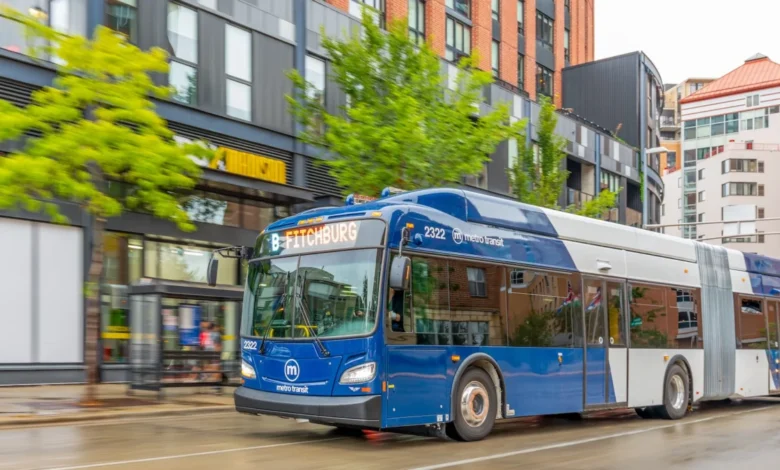
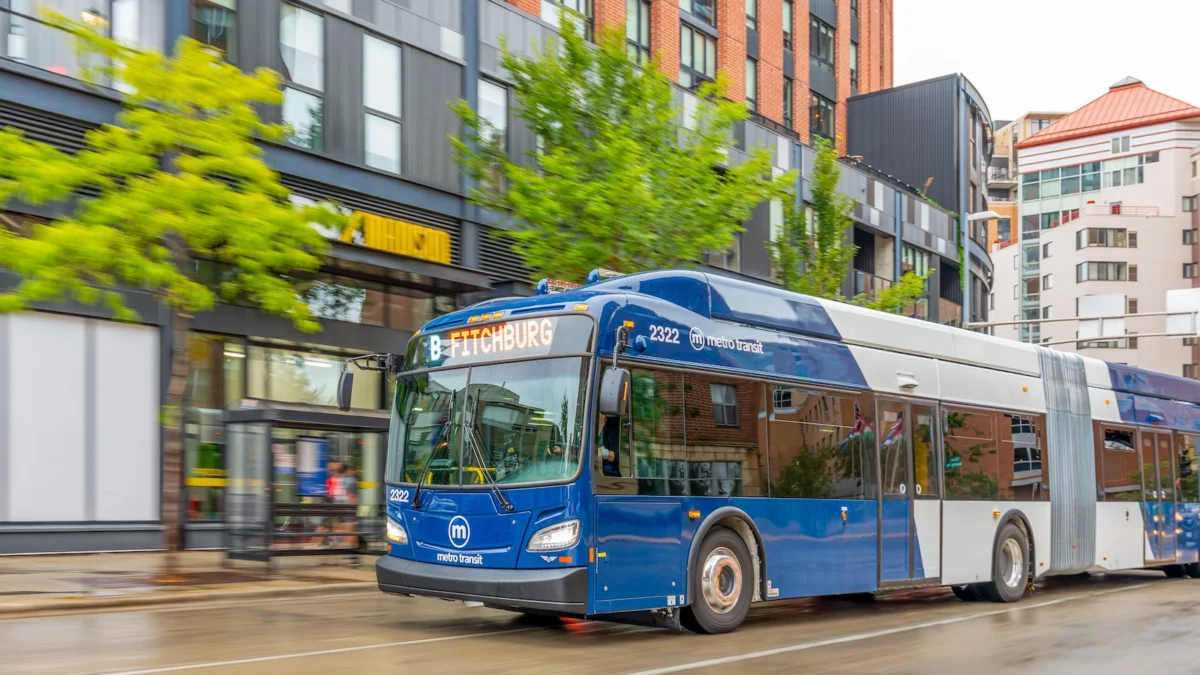
For millions of Americans, public transportation is not a luxury or a secondary commuting option; it is an essential lifeline that connects people with disabilities, seniors, and low-income workers to medical care, employment, and social life. Yet, as the expiration date for federal surface transportation programs approaches at the end of this year, the future of these networks is in jeopardy. Lawmakers are currently debating the BUILD America 250 Act, a successor to the 2021 Infrastructure Investment and Jobs Act (IIJA), which threatens to significantly curtail funding for public transit systems nationwide. If passed in its current form, the legislation would represent a profound retreat from the federal commitment to multi-modal transportation, with devastating consequences for the nation’s most vulnerable populations.
The legislative landscape is shifting rapidly. The 2021 Infrastructure Investment and Jobs Act, which provided a historic $1.2 trillion for roads, bridges, and transit, served as a foundational pillar for post-pandemic recovery. However, those authorizations expire on December 31, 2026. The proposed BUILD America 250 Act—designed to bridge the gap—is drawing sharp criticism from urban planners, transit agencies, and advocacy groups. According to the American Public Transportation Association (APTA), the bill would authorize $103.3 billion for public transit over five years. This represents a $16.5 billion reduction from the $119.9 billion baseline established by the 2021 legislation. When adjusted for inflation, the Urban Institute projects that the bill would require an additional $24 billion just to maintain the status quo, effectively amounting to a deep cut in real-dollar investment.
A Chronology of Policy and Funding Shifts
To understand the severity of the current situation, one must look at the trajectory of federal transit investment over the last decade. Following the passage of the Fixing America’s Surface Transportation (FAST) Act in 2015, transit funding was gradually increased to meet rising demand. The COVID-19 pandemic, however, shattered ridership numbers, leading to a temporary surge in federal relief funding to keep systems afloat.
The 2021 IIJA was hailed as a turning point, intended to modernize aging infrastructure and expand accessibility. Now, as the legislative cycle turns to the BUILD America 250 Act, the focus has shifted from expansion to austerity. For many agencies, this pivot is occurring at the worst possible time. Many transit authorities are still grappling with a structural deficit: ridership has not returned to pre-pandemic levels, operational costs—including fuel and labor—have skyrocketed, and the "fiscal cliff" that experts warned of in 2023 and 2024 is now fully manifesting in budgetary shortfalls.
The Geography of Disinvestment: From Idaho to Indiana
The impact of these federal funding cuts is not distributed evenly. Rural and small-town America, which often lacks the tax base to supplement federal grants, is arguably the most exposed to the proposed changes. In southern Idaho, the Living Independent Network Corp (LINC) serves as a critical bridge for those who cannot drive. Executive Director Jeremy Maxand characterizes the existing transit framework as a "bare-minimum lifeline service."
"When the federal funding goes away, everything goes away," Maxand explains. In rural regions, transit is frequently "piecemeal," relying on a patchwork of federal formula grants. The Urban Institute’s analysis indicates that Idaho could face an 18 percent decline in federal formula transit funding—the largest percentage drop in the nation. For a person with a disability living in a rural county, the loss of this funding could mean the difference between independence and complete social isolation, effectively tethering them to their homes except for essential medical appointments.
The crisis is equally visible in states like Maine, where transit systems rely on federal support for roughly 38 percent of their operating budgets. With a $400 million transportation funding shortfall already looming due to the stagnation of gas tax revenues, the prospect of a 16 percent cut in federal transit funding is being viewed by local advocates as a systemic threat to the state’s mobility goals. Josh Caldwell, a co-facilitator of Transportation for Maine, notes that the state is already failing to meet basic service standards, such as 15-minute frequency, which is the hallmark of a functional, modern transit system.

Even in states with more robust infrastructure, such as Indiana, the repercussions are stark. Austin Gibble, a transit planner in Indianapolis, notes that the uncertainty surrounding federal funding has already forced agencies like IndyGo to reconsider long-term capital investments. "The cuts could lead our agency to delay bus purchases," Gibble says. "We would be forced to rely on older, less reliable vehicles, which in turn increases maintenance costs and leads to more service disruptions." He notes that rural agencies in Indiana are already "horrifically oversubscribed," with waiting lists for reservation-based services stretching for weeks.
Economic and Societal Implications
The debate over the BUILD America 250 Act is, at its core, a debate about the role of government in providing public goods. For households, transportation remains the second-highest budgetary expense, trailing only housing. When transit options are slashed, the economic pressure on families intensifies.
LeeAnn Hall, campaign manager for the National Campaign for Transit Justice, argues that the decision to cut transit funding is economically short-sighted. "Reduced transit service pushes households toward owning an additional car," Hall explains. "This forces families to absorb the costs of gasoline, insurance, parking, and vehicle maintenance. It expands their household budget at a time when they are already struggling with inflation."
Furthermore, the benefits of public transit extend to non-riders. By reducing the number of single-occupancy vehicles on the road, transit investment mitigates congestion, improves air quality, and enhances overall road safety. Conversely, the degradation of transit services increases traffic density, accelerating the wear and tear on highway infrastructure—which creates a secondary, long-term financial burden on states and taxpayers.
Institutional Resistance and Future Outlook
The legislative process in Washington reflects a persistent tension regarding federal priorities. Representative Jerry Nadler of New York, a vocal critic of the proposed cuts, highlighted the systemic bias that favors highway expansion over public transportation. "It continues a familiar pattern: Highways are treated as the default national priority, while rail and transit are left fighting for insufficient resources," Nadler stated. As the only Democrat on the House Transportation and Infrastructure Committee to oppose the bill, his dissent underscores a growing divide within the party regarding how to approach infrastructure funding in a bipartisan environment.
Advocates like Danny Pearlstein of the Riders Alliance argue that the 2021 infrastructure bill should have been viewed as a floor, not a ceiling. "We shouldn’t hold up bipartisanship as a core value when it comes at the expense of our ability to invest in people and communities," Pearlstein says.
As the year-end deadline approaches, the future of the BUILD America 250 Act remains uncertain. What is certain, however, is that for providers like Jeremy Maxand, the rhetoric of legislative negotiation is a poor substitute for the practical reality of maintaining a service. Comparing the potential loss of funding to the removal of support for medical equipment, Maxand’s assessment is blunt: "It’s like saying you’re not going to pay for electricity to power the ventilator, but you’re going to leave the ventilator. What are we doing here? This is not sustainable."
The coming months will determine whether the federal government will double down on a vision of mobility that leaves rural and disabled Americans behind, or if there will be a late-stage push to restore the funding necessary to keep the nation moving. For millions of residents in states from Idaho to Maine and beyond, the outcome of this legislative session will dictate their ability to participate in the economy and society at large.
Related posts: