The anticipated second season of Paramount+’s multi-camera comedy series Crutch, starring Tracy Morgan, will not move forward, a development that comes as little surprise to industry observers. The decision effectively marks the end of the road for the show, which premiered its eight-episode first season on November 3, 2025, after being taped in front of a live audience in the fall of 2024. The options for the cast expired at the close of the previous year, a standard industry practice that often signals the conclusion of a series if renewal is not imminent.
Strategic Shifts and Corporate Realignment
The fate of Crutch, a spin-off from CBS Studios’ popular sitcom The Neighborhood, was significantly influenced by broader corporate changes within Paramount. The acquisition of Paramount Global by Skydance, which was finalized earlier in 2025, initiated a period of strategic re-evaluation across its streaming and broadcast assets. This seismic shift in ownership and leadership inevitably impacted programming strategies for Paramount+, the company’s flagship direct-to-consumer streaming platform.
Shortly after the Skydance deal closed, Cindy Holland, the Chair of Direct-to-Consumer who oversees Paramount+, addressed the streamer’s programming priorities in an interview with Deadline. She candidly admitted that multi-camera comedies would not be a primary focus for the platform moving forward. Holland explained that this decision was rooted in the robust existing library of sitcoms already available through CBS, noting that "CBS is fantastic in the genre." She further elaborated that all of CBS’s network sitcoms are available on Paramount+ the day after their broadcast, creating a built-in library of comedy content that negates the need for extensive original multi-camera comedy production on the streaming service.
Crutch‘s Unique Position and Precedent
Crutch held a unique position as the sole remaining original comedy series on Paramount+ at the time of its cancellation. The streamer had not placed new comedy acquisitions or orders, and notably, did not have a dedicated Head of Comedy. While Jane Wiseman, EVP and Head of Originals for Direct-to-Consumer, possesses a background in comedy, the absence of a specific leadership role underscored the platform’s de-emphasis on the genre.
The production of Crutch was completed before Tracy Morgan was tapped to star in an NBC pilot from the acclaimed creative team behind 30 Rock, Tina Fey and Robert Carlock. This new series, which became The Fall and Rise of Reggie Dinkins, was initially a second priority for Morgan. However, by the time The Neighborhood was up for its Season 2 renewal in May 2026, Morgan’s option for Crutch had lapsed, elevating the NBC project to his first position. This contractual shift effectively sealed the fate of Crutch, as Morgan’s commitment to the new NBC series precluded his participation in any potential second season. The other cast members of Crutch have also since moved on to pursue other professional endeavors.
Critical Acclaim and Creative Pedigree
Despite its short run, Crutch garnered significant critical praise, achieving a rare 100% rating on Rotten Tomatoes. This critical success is a testament to the quality of its writing, performance, and production. The series was executive produced by Cedric the Entertainer and Eric C. Rhone, and created by Owen Smith, who also served as executive producer and showrunner. Smith’s involvement, coupled with the pedigree of the executive producers, suggests a strong creative vision behind the project.
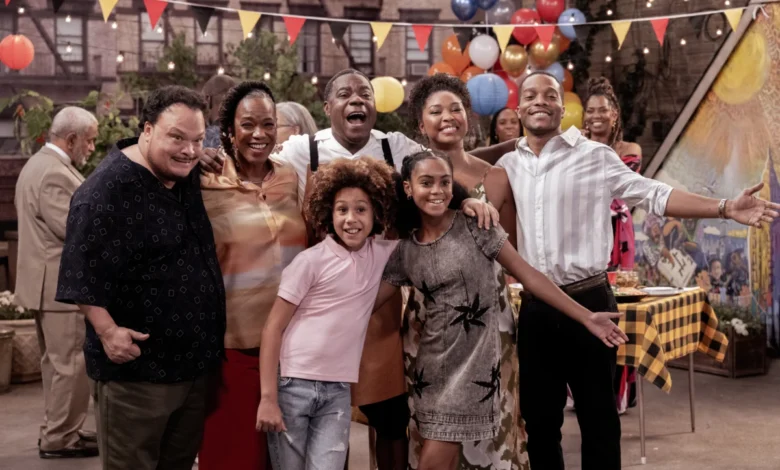
The series was conceived as an offshoot of the CBS Original Comedy The Neighborhood, a well-established and popular sitcom. Crutch centered on Francois "Frank" Crutchfield, affectionately known as "Crutch," portrayed by Tracy Morgan. Crutch was depicted as a brash yet beloved Harlem shop owner whose life was upended when his highbrow son and free-spirited daughter returned to live in the family home. This premise offered fertile ground for comedic conflict and character development, drawing parallels to the ensemble dynamics of its parent series.
The ensemble cast of Crutch included Jermaine Fowler, Kecia Lewis, Adrianna Mitchell, Adrian Martinez, Braxton Paul, and Finn Maloney, who starred alongside Morgan. The show also benefited from a robust executive producing team, including Aaron Kaplan for Kapital Entertainment, Wendi Trilling for TrillTV, Mike Mariano, and Tracy Morgan himself.
Broader Implications for Streaming Comedy
The cancellation of Crutch and Paramount+’s strategic pivot away from multi-camera comedies reflect a larger trend within the streaming landscape. As platforms mature and face increased pressure to demonstrate profitability, there’s a growing emphasis on content that drives subscriber acquisition and retention with a clear return on investment. Multi-camera sitcoms, with their traditional production models and often broader appeal, can be a more challenging genre to leverage for the unique demands of streaming, which often favors serialized dramas or more niche, genre-specific content.
Paramount+’s approach, leveraging its extensive library of CBS sitcoms and focusing original content on other genres, is a pragmatic strategy. It acknowledges the existing strengths of the CBS broadcast network and aims to create a more defined identity for the streaming service. For fans of Crutch, the show’s critical acclaim and the talent involved offer a degree of consolation, suggesting that while its television run may be over, its impact on critical reception remains.
Chronology of Events
- Fall 2024: The eight-episode first season of Crutch is taped in front of a live audience.
- March 2025: Tracy Morgan is tapped to star in an NBC pilot from Tina Fey and Robert Carlock, later becoming The Fall and Rise of Reggie Dinkins. This project is initially a second priority for Morgan.
- Early 2025: Skydance’s acquisition of Paramount Global parent company closes, leading to strategic reviews of Paramount+ programming.
- August 2025: Cindy Holland, Chair of Direct-to-Consumer for Paramount+, discusses programming priorities, indicating a de-emphasis on multi-camera comedies.
- November 3, 2025: The first season of Crutch is released on Paramount+.
- End of 2025: Options for the cast of Crutch expire.
- May 2026: The Neighborhood is renewed for Season 2. By this point, Morgan’s option for Crutch has lapsed, and the NBC series has become his first priority.
Supporting Data and Industry Context
The streaming wars have led to a significant investment in original content across all genres. However, the economics of producing multi-camera comedies for a streaming platform can be complex. These shows often rely on large ensemble casts and a studio-based production model that may not always translate to the binge-watching model favored by streamers. Furthermore, the "day-and-date" release of network content on streaming platforms, as seen with CBS shows on Paramount+, can reduce the incentive for streamers to invest heavily in producing similar content from scratch.
According to industry reports, the cost of producing a single episode of a multi-camera comedy can range from $1 million to $3 million, depending on the star power and production values. For a streamer like Paramount+, which faces competition from giants like Netflix, Max, and Disney+, allocating resources to genres that offer a clearer path to subscriber acquisition and engagement is often prioritized. The critical success of Crutch with its 100% Rotten Tomatoes score highlights a potential disconnect between critical reception and strategic programming decisions in the streaming realm. This underscores the multifaceted nature of content strategy, balancing artistic merit with commercial viability and corporate objectives.
The decision to cancel Crutch also reflects the evolving landscape of comedy on television. While multi-camera sitcoms have a storied history, the rise of single-camera comedies and more experimental comedic formats has broadened the definition of television comedy. Paramount+’s focus on these other forms of comedy, or leveraging existing broadcast assets, aligns with a broader industry trend of diversification and targeted content acquisition. The future of multi-camera comedy may increasingly lie with traditional broadcast networks or specific niche platforms that can capitalize on its established audience.