Georgia Establishes First Superfund Research Center to Address Climate Risks and Industrial Legacy in Glynn County

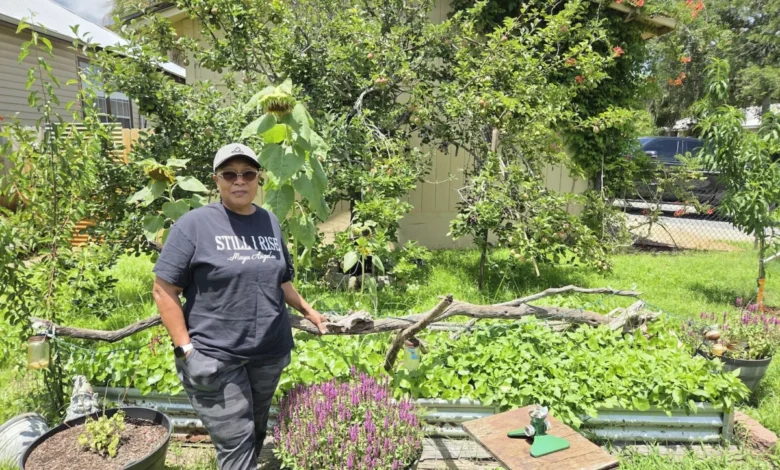
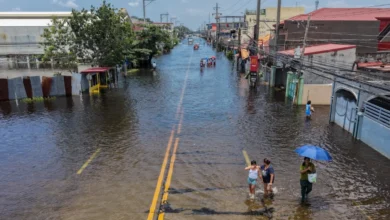
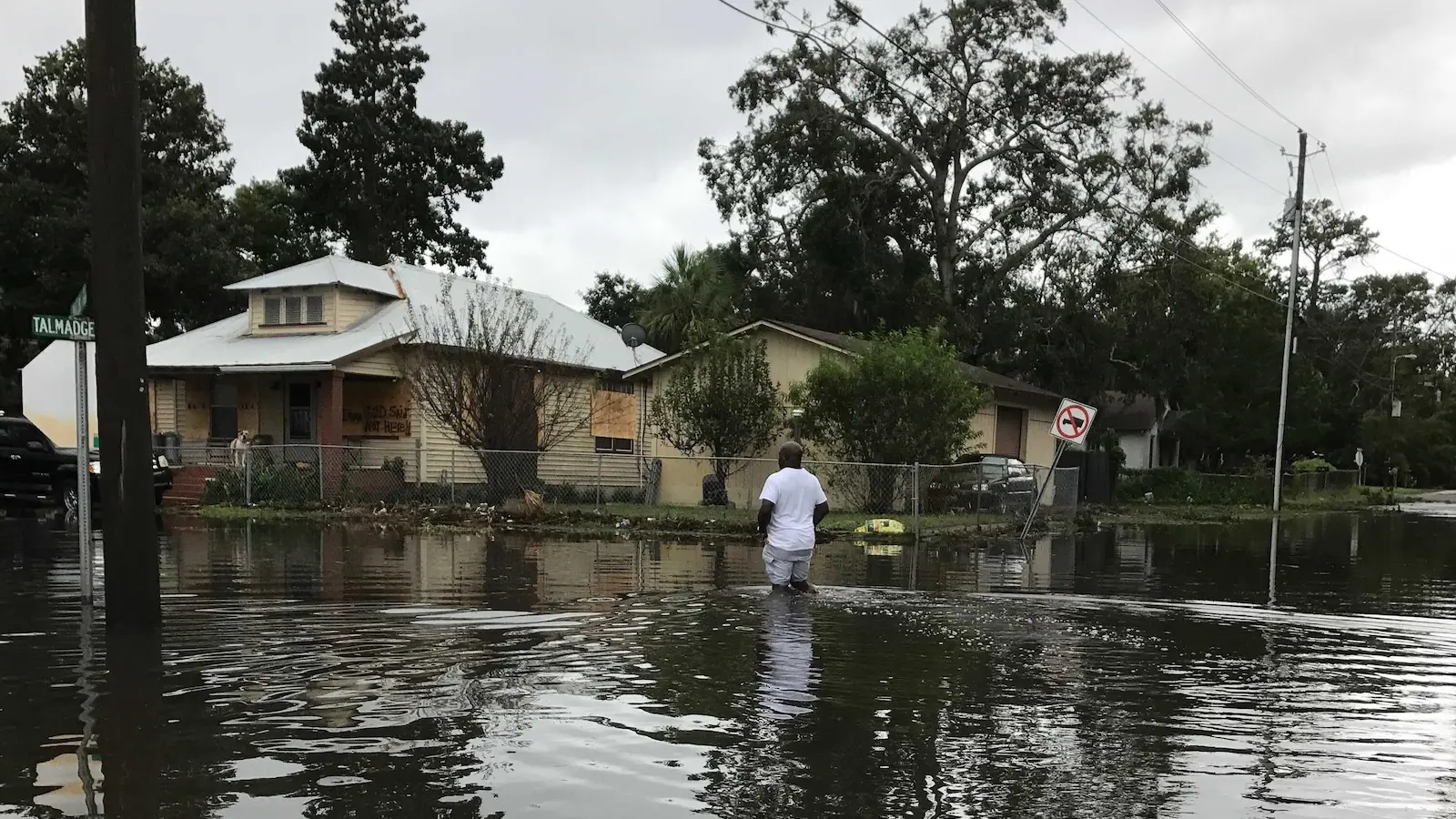
In the coastal city of Brunswick, Georgia, the intersection of industrial history and climate change has created a precarious environment for local residents. Semona Holmes, a longtime resident whose home is nestled among fruit trees and a fish pond, faces a recurring reality that transcends mere property damage. When heavy rains fall or the tide surges beyond its typical boundaries, her street transforms into a makeshift waterway. During the aftermath of past hurricanes, the flooding has been so severe that neighbors have resorted to using canoes to navigate the neighborhood. However, for Holmes and many of her neighbors, the primary concern is not the water itself, but what that water carries from the nearby toxic legacy of Georgia’s industrial past.
Living less than half a mile from a former pesticide plant, Holmes resides in the shadow of one of the nation’s many Superfund sites—areas designated by the federal Environmental Protection Agency (EPA) as being contaminated with hazardous substances. As floodwaters rise to knee-height, the fear is that the chemicals buried in the soil and capped within industrial structures are being liberated and redistributed into the community’s air, soil, and groundwater. This concern has now become the focal point of a massive, multi-institutional scientific endeavor.
With a $15 million grant from the National Institute of Environmental Health Sciences (NIEHS), a consortium of six premier research institutions is launching Georgia’s first-ever Superfund research center. This five-year initiative brings together experts from Emory University, the University of Georgia (UGA), Georgia Institute of Technology, Morehouse School of Medicine, Spelman College, and Texas Tech University. Their mission is to conduct a comprehensive analysis of the four primary Superfund sites located within Glynn County, aiming to quantify the risks posed to human health and the environment, particularly as the climate crisis intensifies.
The Industrial Legacy of Glynn County
Glynn County has long been an industrial hub for the state of Georgia, but this economic activity has left behind a complex environmental footprint. The county is home to four major Superfund sites, each with its own history of chemical usage and subsequent contamination. These include the LCP Chemicals site, the Hercules 009 Landfill, the Terry Creek Dredge Spoil Areas, and the Brunswick Wood Preserving site.
The LCP Chemicals site, perhaps the most notorious of the group, was once a massive industrial complex that produced chlorine, caustic soda, and various chemicals. Decades of operation resulted in the contamination of the surrounding marshlands with mercury, polychlorinated biphenyls (PCBs), and lead. Despite extensive remediation efforts over the years, the site remains a point of significant concern for local ecologists and public health officials.
The Hercules 009 Landfill was used for the disposal of toxaphene, a persistent organic pollutant and pesticide that was eventually banned in the United States due to its toxicity and environmental persistence. Similarly, the Brunswick Wood Preserving site left a legacy of creosote and pentachlorophenol contamination in the soil and groundwater. The Terry Creek site involves contamination from toxaphene production as well, specifically affecting the sediments of the creek and the surrounding ecosystem.
The newly established research center aims to bridge the gap between historical contamination data and the modern reality of human exposure. According to Noah Scovronick, an assistant professor of environmental health at Emory University’s Rollins School of Public Health and a lead researcher on the project, the work is twofold. The team intends to investigate the long-term health consequences of past chemical exposures while simultaneously developing strategies to mitigate future risks.
Climate Change as a Risk Multiplier
One of the most critical aspects of the new research initiative is the integration of climate modeling. Coastal Georgia is increasingly vulnerable to the effects of climate change, including accelerated sea-level rise and the intensification of storm surges. For Superfund sites, these environmental shifts represent a significant threat to containment measures.
Many of these toxic sites rely on "capping"—a process where contaminated soil or waste is covered with layers of clay, synthetic liners, or concrete to prevent the spread of toxins. However, these engineering solutions were often designed based on historical weather patterns that no longer reflect the current reality. As sea levels rise, the hydrostatic pressure of groundwater can increase, potentially pushing contaminants upward or compromising the integrity of the caps from below. Furthermore, extreme flooding events can cause surface erosion, exposing buried toxins to the open air and allowing them to be carried away by runoff.
"We want to be sure that the remediation that is ongoing at those sites is resilient to extreme weather moving forward," Scovronick stated. The research team will use advanced hydrological modeling to simulate how various climate scenarios—ranging from moderate sea-level rise to catastrophic hurricane landfalls—might impact the stability of Glynn County’s contaminated zones. This proactive approach is essential for ensuring that the millions of dollars spent on environmental cleanup are not undone by a single extreme weather event.
Scientific Methodology and Institutional Roles
The five-year study is structured as a collaborative effort, with each institution providing specialized expertise. Emory University will lead much of the public health and epidemiological tracking, while the University of Georgia and Georgia Tech will focus on environmental engineering and the movement of chemicals through the ecosystem.
Crucially, the inclusion of Morehouse School of Medicine and Spelman College highlights a commitment to environmental justice. These historically Black colleges and universities (HBCUs) bring a deep understanding of community engagement and the specific health disparities that often affect minority and low-income populations living near industrial sites. Their involvement ensures that the research is not merely an academic exercise but a community-centric project that addresses the lived experiences of Brunswick’s residents.
The research will involve extensive environmental sampling. Scientists will collect soil, water, and air samples from residential areas, schoolyards, and public parks. They will also analyze biological samples from local flora and fauna to determine how toxins are moving through the food chain. This is particularly relevant for Glynn County, where subsistence fishing remains a common practice despite long-standing health advisories regarding the consumption of local seafood.
Community Concerns and Public Health Implications
For residents like Semona Holmes, the scientific data cannot come soon enough. Her family has already adopted defensive lifestyle changes; they avoid drinking tap water and have ceased eating seafood caught in local waterways. However, the psychological toll of uncertainty remains high. Holmes, who has six grandchildren, expresses a constant worry about the safety of the environments where they play.
"We want them to be healthy," Holmes said. "And you don’t want to worry that they’re playing on a playground that has contaminated soil."
The potential health effects of the chemicals found in Glynn County are severe. Mercury exposure is known to cause neurological damage, particularly in developing children. PCBs are classified as probable human carcinogens and are linked to endocrine disruption and immune system suppression. Toxaphene, the primary contaminant at the Hercules site, can damage the nervous system, liver, and kidneys. By linking these specific toxins to health outcomes in the local population, the research center hopes to provide a clearer picture of the community’s "body burden"—the total accumulation of chemicals in the human body.
Beyond the immediate health concerns, there is a profound desire for corporate accountability. Holmes emphasizes that even if the research uncovers damage that is irreversible, the acknowledgment of that damage by the companies responsible is a necessary step toward justice.
"It shows that you care about humanity," she explained. "And that you are able to acknowledge that, ‘Yeah, by our actions, we have possibly contaminated an entire county.’"
Broader Impact and Environmental Policy
The establishment of this Superfund research center in Georgia has implications that extend far beyond Glynn County. As one of the first centers of its kind to explicitly focus on the intersection of toxic waste and climate resilience in the American South, it serves as a model for other coastal regions.
Across the United States, there are hundreds of Superfund sites located in flood-prone coastal areas. As the federal government grapples with the logistical and financial challenges of the Superfund program, the data generated in Brunswick will likely inform national policy regarding site remediation and "climate-proofing" toxic waste infrastructure.
Furthermore, the project underscores the importance of the National Institute of Environmental Health Sciences’ Superfund Research Program (SRP). By funding university-based research, the SRP allows for independent, peer-reviewed science that can supplement the work of the EPA. This independent oversight is often vital for building trust in communities that feel they have been overlooked by regulatory agencies for decades.
A Path Toward Continued Action
While the $15 million grant provides a significant boost to local research efforts, Holmes and other community advocates stress that research must lead to tangible action. Documenting the contamination is only the first step; the ultimate goal is the removal of toxins and the restoration of the environment to a state that is safe for future generations.
The next five years will be a period of intense activity for the research consortium. As scientists begin their sampling and modeling, the residents of Brunswick will be watching closely. For them, this is not just a study of chemicals and climate; it is a quest for the right to live in a clean environment and the assurance that the ground beneath their feet—and the water that occasionally floods their streets—is not a silent threat to their lives.
As the project moves forward, the researchers have pledged to maintain an open dialogue with the community, ensuring that their findings are accessible and that the questions being asked are the ones that matter most to the people of Glynn County. In the face of rising tides and a complex industrial legacy, this partnership between science and community represents a vital step toward a more resilient and just future for coastal Georgia.