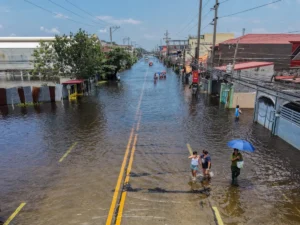
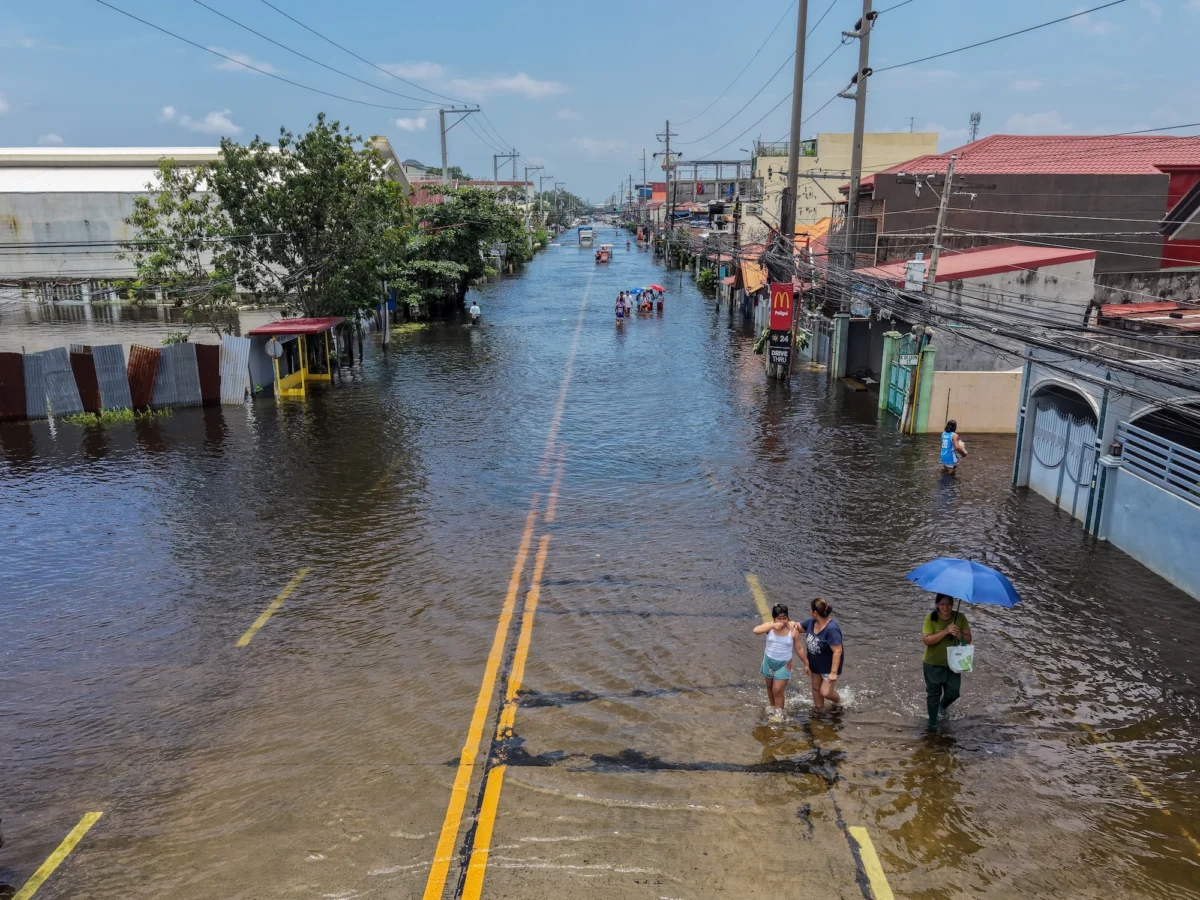
The global climate landscape has entered a period of profound instability as a record-shattering El Nino event takes hold, forcing governments from California to Southeast Asia to initiate emergency protocols. Characterized by anomalous sea surface temperatures in the Pacific Ocean, this meteorological phenomenon is not merely a seasonal variation; it is a transformative event that threatens to accelerate global warming, disrupt international supply chains, and jeopardize public health on an unprecedented scale. With current Pacific temperature anomalies reaching 3.11 degrees Celsius, the scientific community is grappling with the reality that established terminology, such as "strong" or "very strong," no longer adequately captures the magnitude of the current crisis.
The Mechanics of a Global Disruption
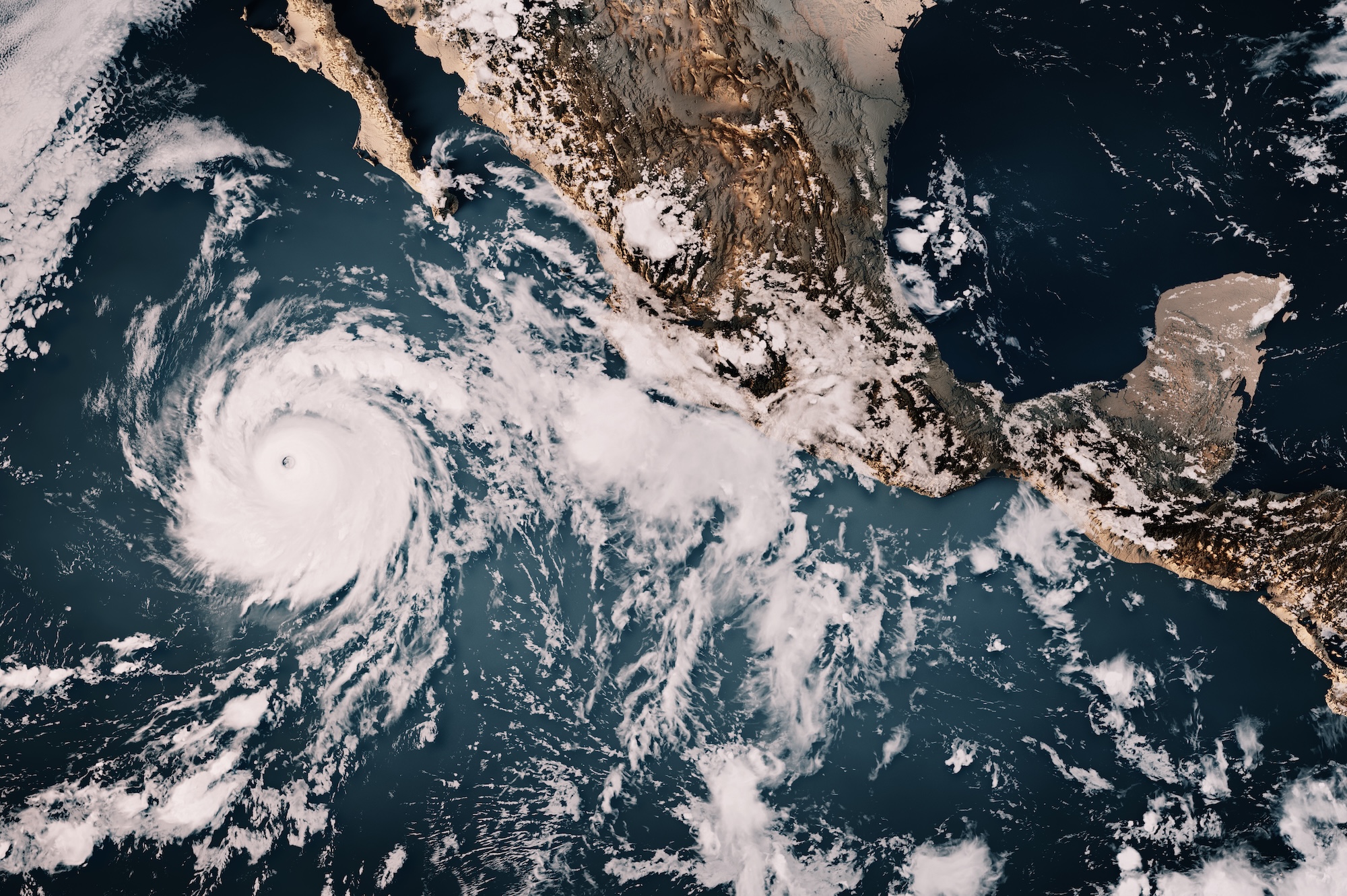
At its core, El Nino is a periodic climatic shift defined by the weakening or reversal of trade winds that typically traverse the equatorial Pacific from east to west. Under normal conditions, these winds push warm surface waters toward East Asia and Australia, allowing cooler, nutrient-rich water to well up along the South American coast. During an El Nino phase, this mechanism falters. The warm water pool—the "engine" of the Pacific—sloshes back toward the Americas, fundamentally altering atmospheric pressure systems and jet streams across the globe.
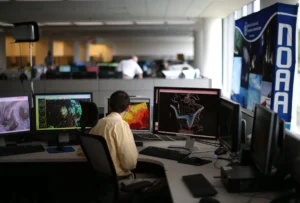
The current 2026 iteration of this cycle has diverged from historical patterns due to its intensity and its collision with an already warming planet. Climatologists, including Jeffrey Shaman of the Columbia Climate School, emphasize that while "Super El Nino" is a colloquial label rather than an official designation from the National Oceanic and Atmospheric Administration (NOAA) or the World Meteorological Organization (WMO), it serves as a vital shorthand for a phenomenon that is pushing the Earth’s climate system into uncharted territory.
Chronology of a Record-Breaking Event
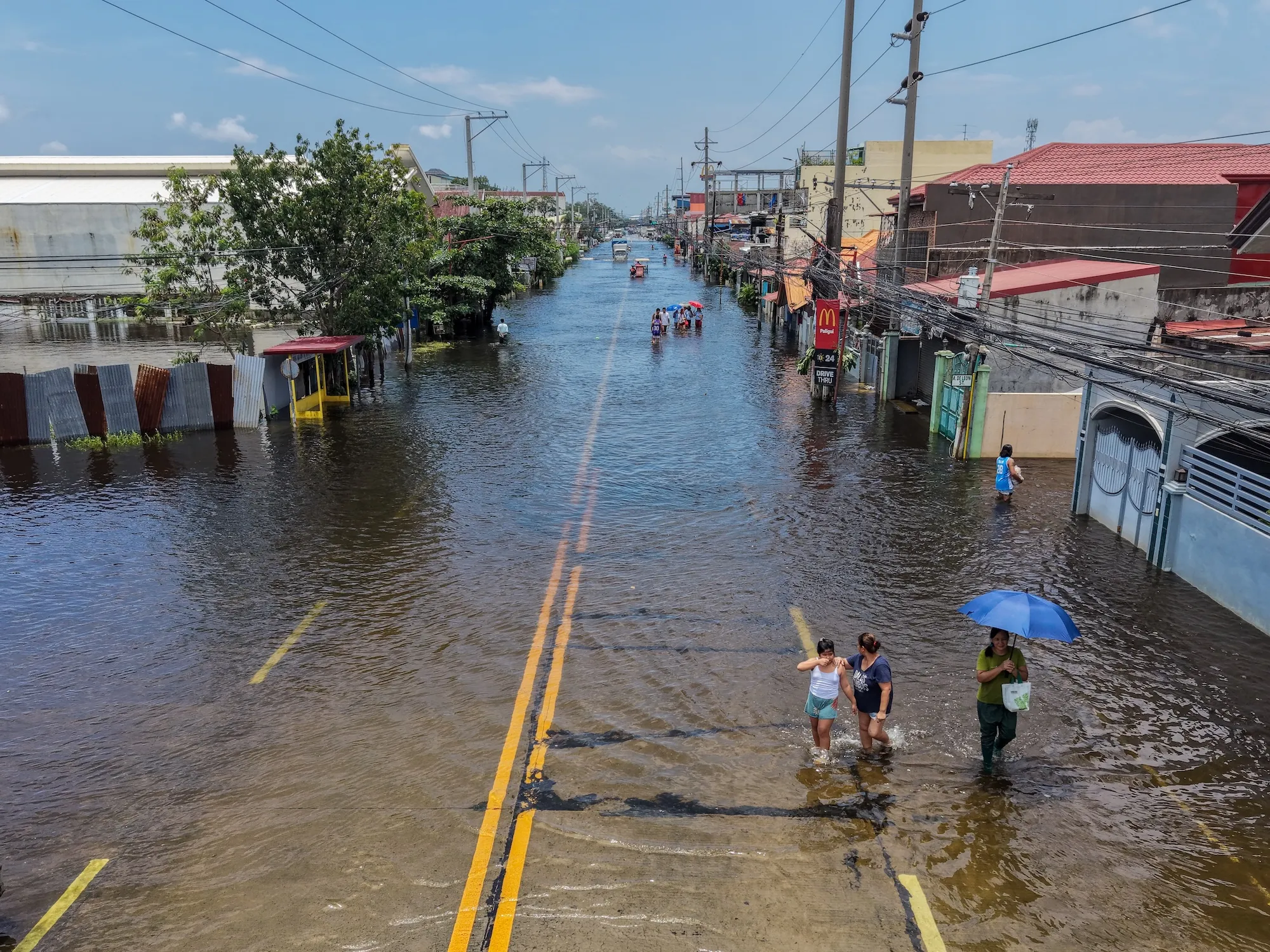
The trajectory of this event began earlier this year, as oceanographic sensors in the Nino 3.4 region—the primary benchmark for measuring Pacific anomalies—began recording steady, rapid temperature increases. By late spring, models indicated a high probability of a significant event, but few predicted the speed at which the anomaly would surpass the previous record peak set in November 2015.
Throughout the summer months of June, July, and August, sea surface temperatures reached their highest levels in recorded history. By mid-September, data confirmed that the anomaly had surged to 3.11 degrees Celsius. This threshold signifies more than just a statistical outlier; it represents a fundamental shift in the global heat budget. As of late September, state officials in California declared a state of emergency, citing the high probability of catastrophic coastal erosion, severe storm damage, and infrastructure failure. This proactive measure reflects a broader global recognition that the window for mitigation is rapidly closing.
Quantitative Implications and Scientific Projections
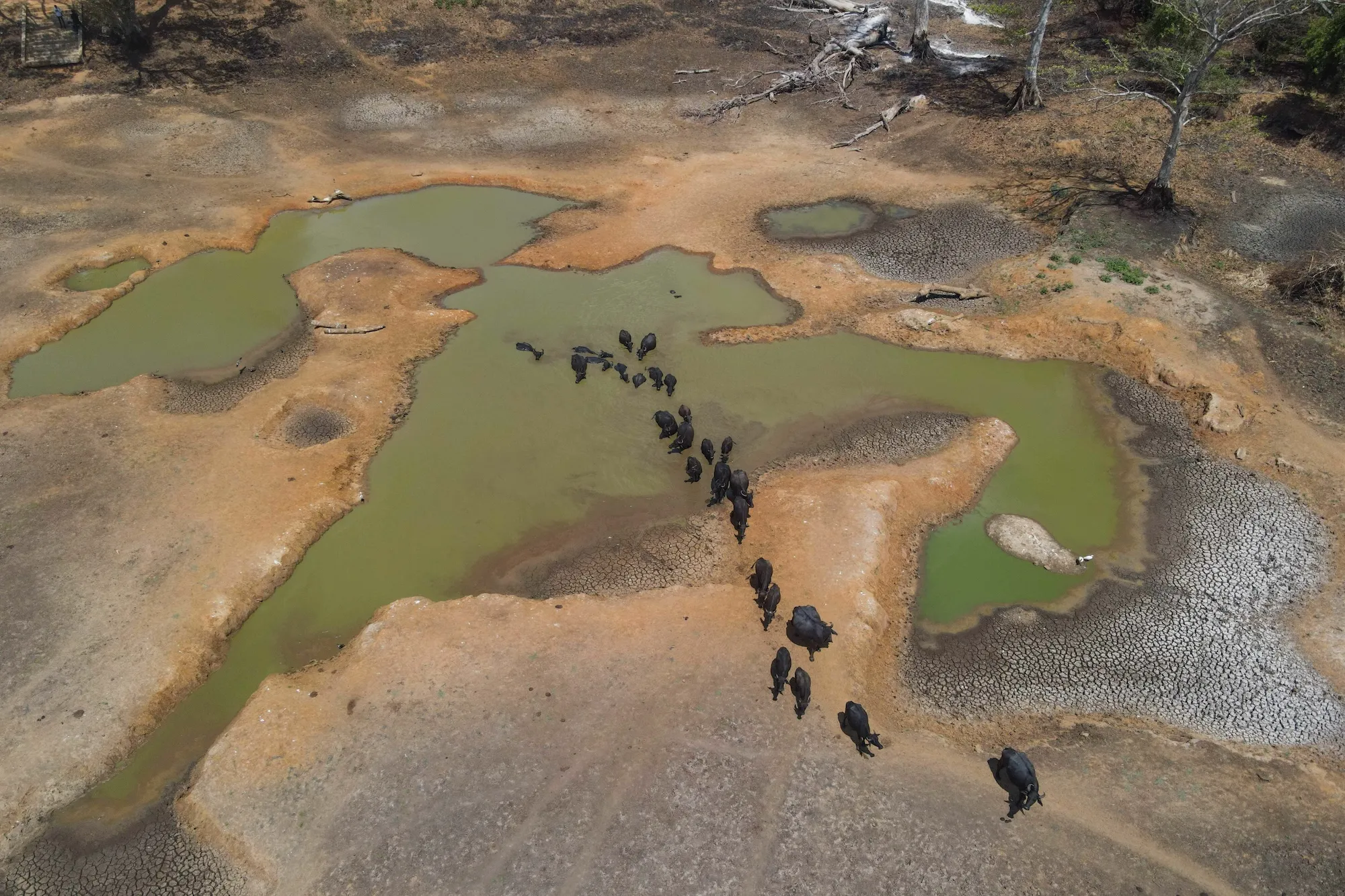
The human cost of this atmospheric volatility is projected to be staggering. Peer-reviewed research suggests that the synergistic effect of this intense El Nino and ongoing anthropogenic climate change could result in as many as 451,000 heat-related deaths worldwide by February. The mechanism for this mortality is two-fold: the direct impact of extreme heat waves and the secondary effects of food insecurity caused by agricultural failure.
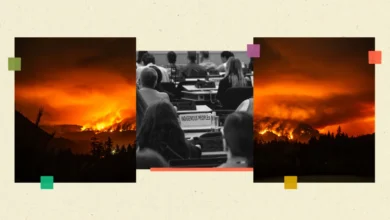
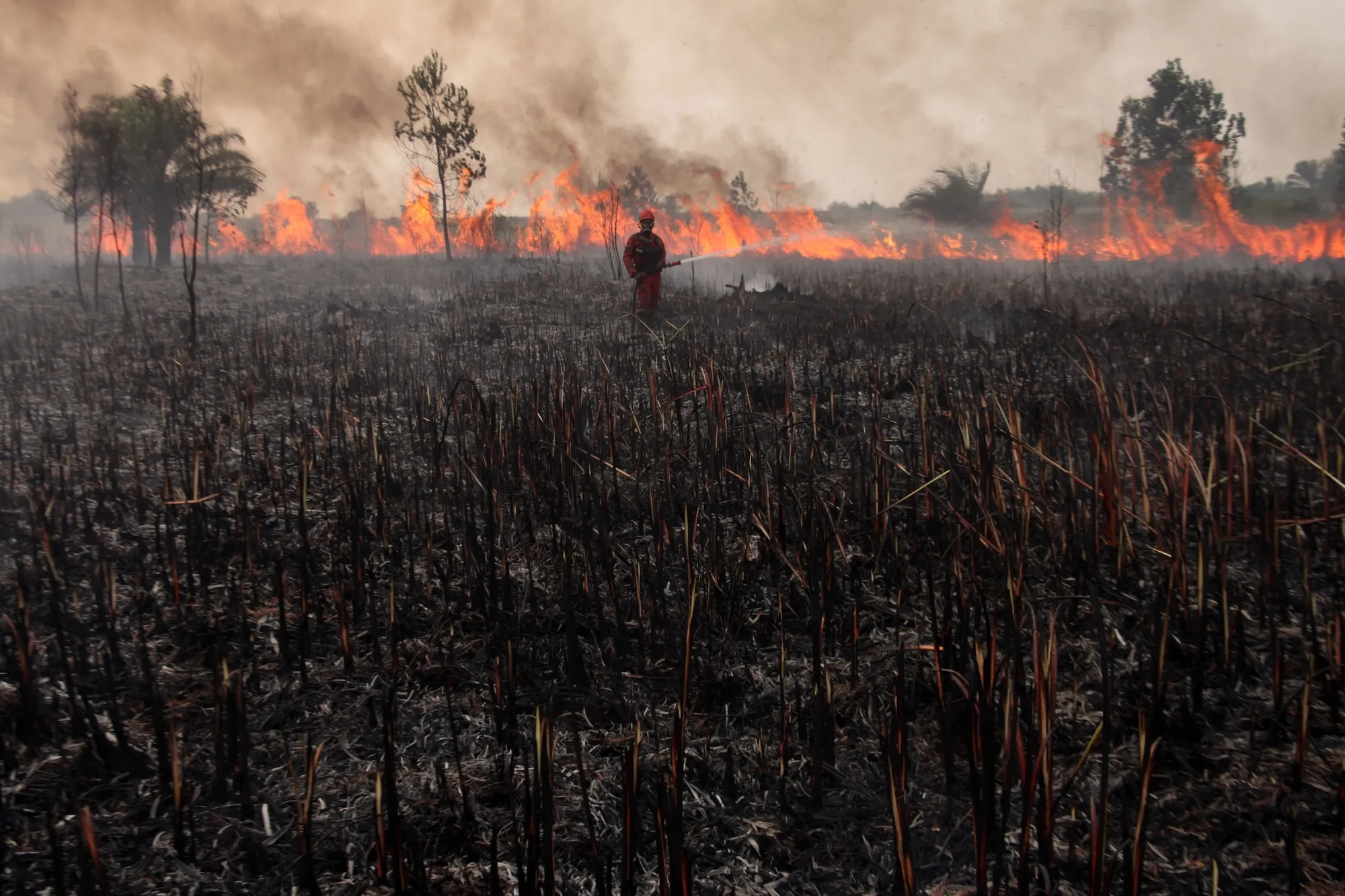
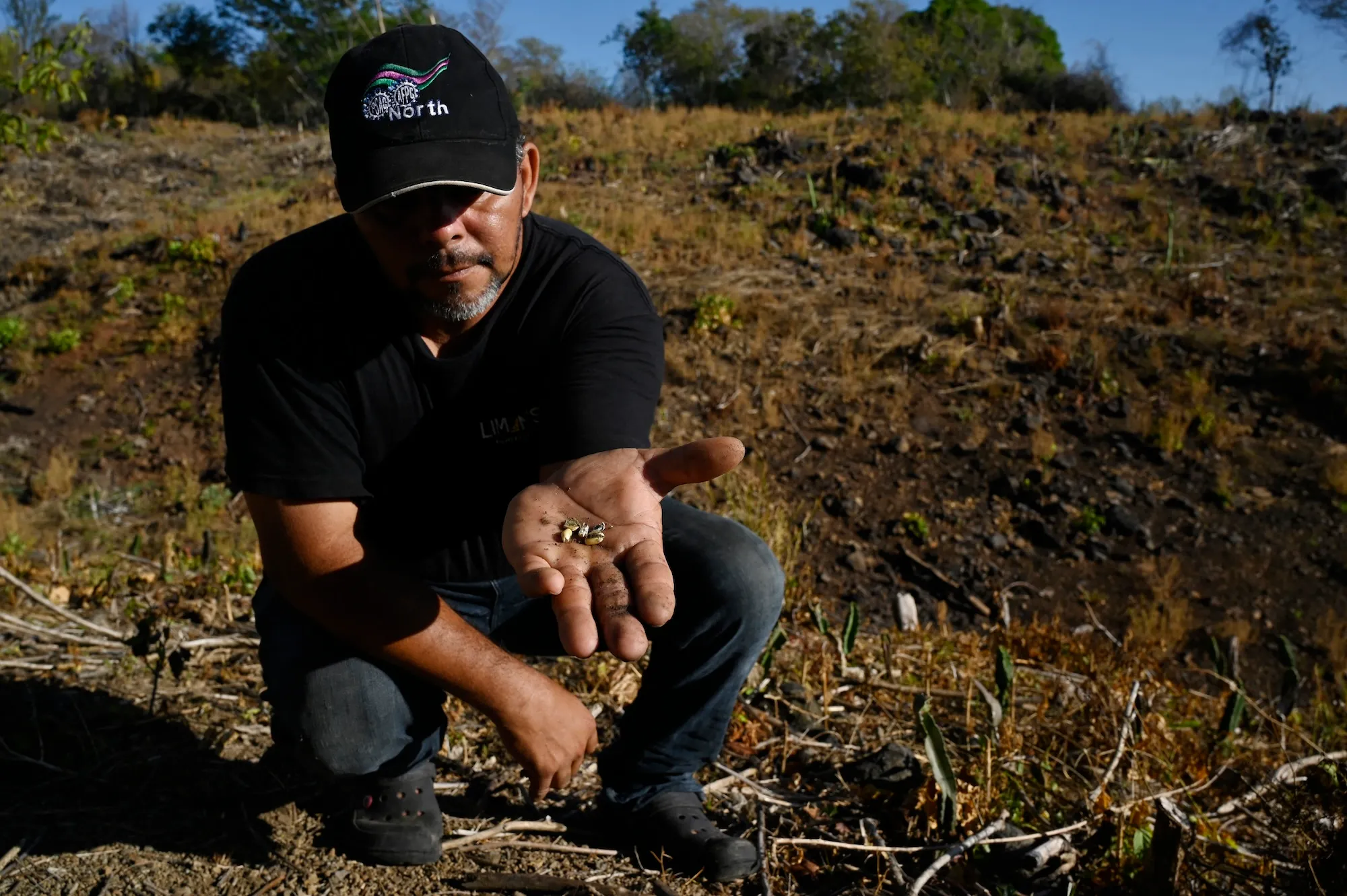
In regions such as Central America, farmers are already reporting near-total crop failures. In Honduras, for instance, vital staples like corn have failed to germinate due to moisture deficits linked to the shift in precipitation patterns. Simultaneously, in Indonesia, firefighters are struggling to contain wildfires fueled by the dry conditions that follow the cessation of typical monsoon rainfall.
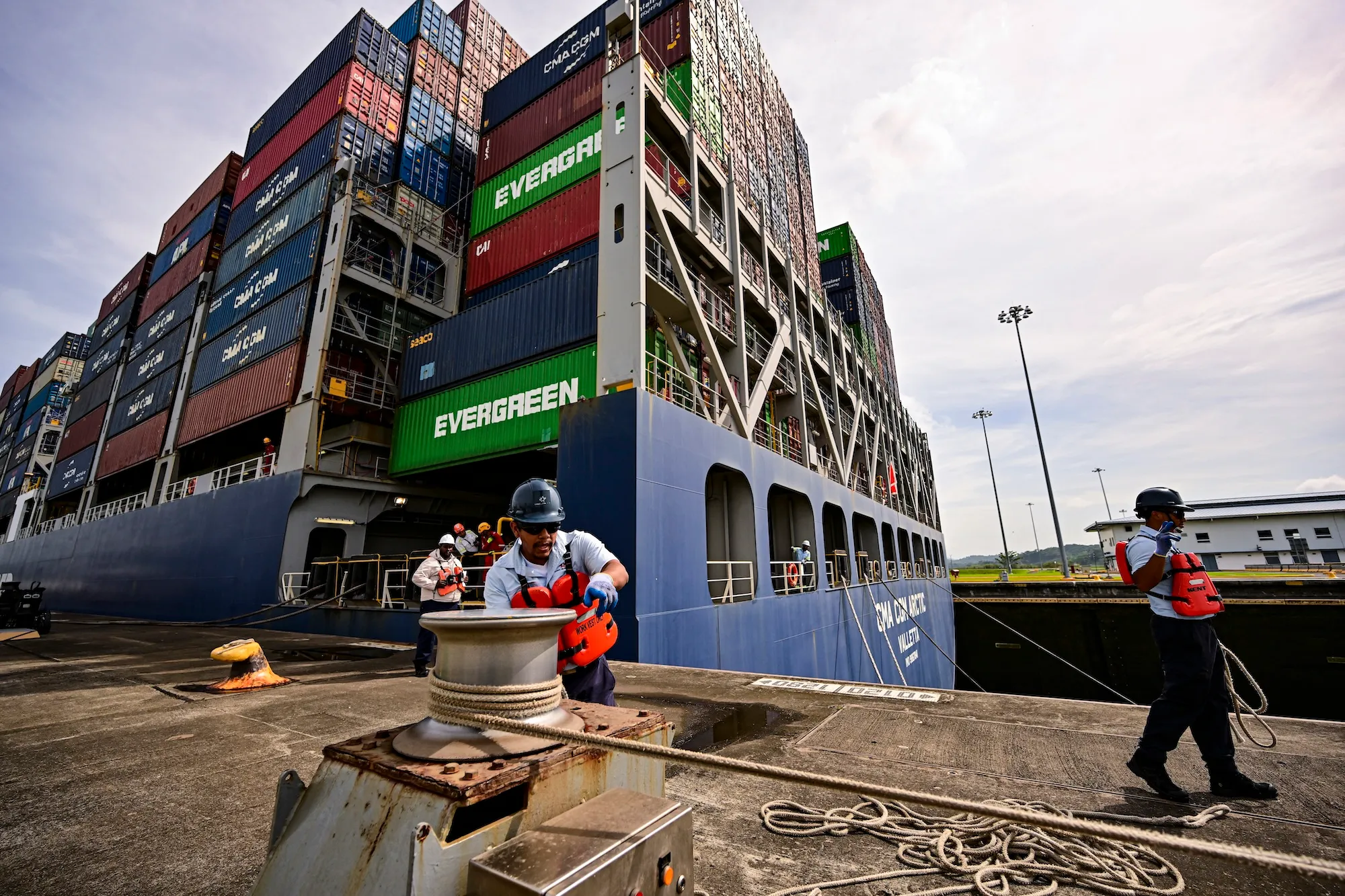
The economic implications are equally grave. The Panama Canal, a linchpin of global trade, has already implemented reduced transit measures to conserve water levels, a direct consequence of the drought conditions induced by the shifting weather patterns. When global shipping lanes are restricted, the resulting inflationary pressure on food and fuel costs ripples through the global economy, disproportionately affecting vulnerable populations.
The Language of Climate Crisis
The rise of the term "Super El Nino" highlights a growing disconnect between traditional scientific nomenclature and the reality of a rapidly changing environment. Jo Vurdelja, an expert in ecolinguistics, notes that the terminology used to describe climate events carries significant weight. When the severity of an event outpaces the language used to describe it, the public may become desensitized.
The scientific community is now debating the necessity of new terminology. As Zeke Hausfather and other prominent climate researchers have suggested, if the models predicting even more extreme future events are correct, society will require a new vocabulary that reflects the severity of these "beyond-super" phenomena. The use of terms like "gobsmackingly bananas" or "mind-bogglingly crazy" by scientists, while unconventional, underscores a deep-seated frustration with the inadequacy of current descriptors for what is, in effect, a new, more volatile climatic regime.
Official Responses and Mitigation Efforts
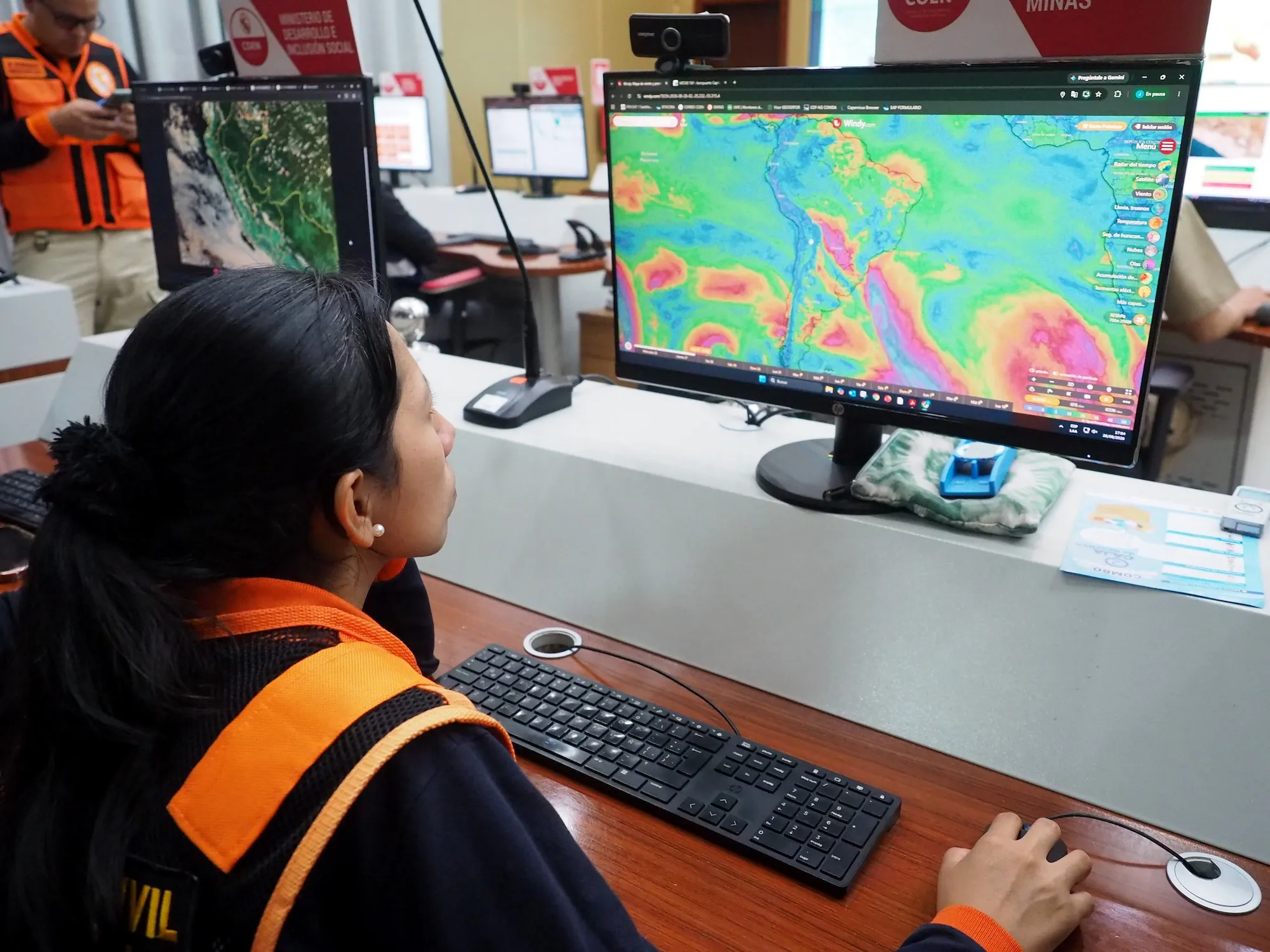
In response to these developments, international organizations are pivoting toward a crisis-management framework. The WMO has issued alerts urging member states to bolster their disaster preparedness, specifically regarding water management, health infrastructure, and emergency supply chain logistics. In Peru, national multi-hazard drills have been conducted, focusing on early warning systems and the reinforcement of coastal defenses against the expected deluge of winter storms.
However, scientists warn that preparation is only a stopgap measure. Christopher Callahan of Indiana University notes that the current event provides a preview of the world as it will exist by 2040 if fossil fuel consumption remains unchecked. The combination of a record-breaking El Nino and a long-term warming trend created by carbon emissions is not a fluke; it is the new baseline.
The Path Forward: From Adaptation to Transformation
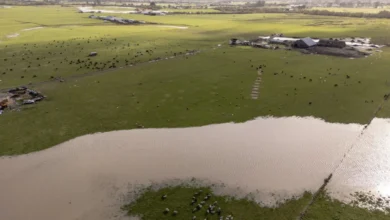
The 2026 El Nino is a clarion call for the international community. The event highlights the urgent need for a transition away from fossil fuel dependency, as each degree of additional warming amplifies the frequency and intensity of these natural cycles. While the immediate focus remains on managing the impending floods, droughts, and heatwaves, the broader imperative is to address the underlying cause of the warming that has made such a "super" event possible.
As the world heads into the winter months, the focus will shift to how effectively nations can coordinate their relief efforts. The resilience of agricultural systems, the integrity of public health responses, and the stability of global supply chains will be tested as never before. If the 2015-2016 event was the benchmark for a "strong" El Nino, the 2026 event has set a new, dangerous standard.
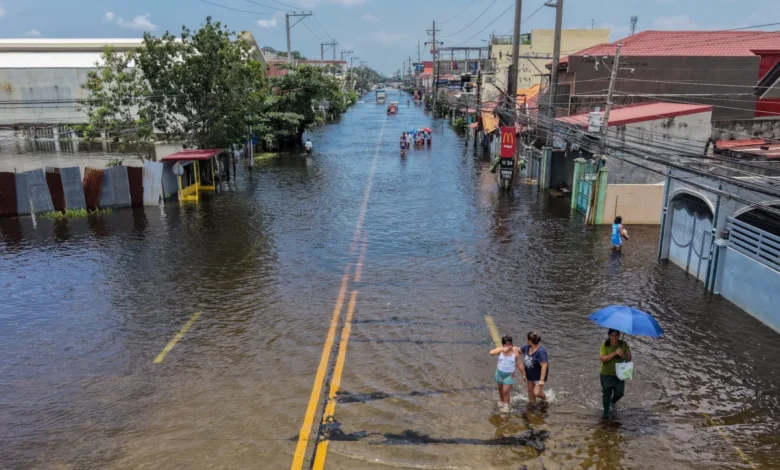
Whether this event is eventually referred to as a "Super El Nino," a "Godzilla" event, or by a yet-to-be-coined term, the physical reality remains unchanged. The ocean is retaining more heat, the atmosphere is holding more energy, and the human consequences of this imbalance are becoming increasingly unavoidable. The current state of emergency in California and the ongoing humanitarian crises in Asia and Central America are not isolated incidents; they are components of a singular, interconnected global challenge that requires a unified, science-led response.
Ultimately, the lesson of this event is that the natural world is no longer operating within the historical bounds that defined the 20th century. Policymakers must now move beyond the assumption that these weather patterns are anomalies and instead plan for a future characterized by extreme, frequent, and severe climatic disruptions. The era of the "Super El Nino" is here, and it is serving as a harsh, undeniable indicator that the time for incremental change has passed.