Methane, a colorless and odorless hydrocarbon, has emerged as one of the most critical variables in the global effort to mitigate the climate crisis. While carbon dioxide (CO2) often dominates the conversation regarding greenhouse gas emissions due to its long-term persistence in the atmosphere, methane (CH4) represents a more immediate and potent threat. As the primary component of natural gas, which currently accounts for approximately 25 percent of global electricity generation, methane is responsible for roughly one-third of the net warming the planet has experienced since the Industrial Revolution. Despite its shorter atmospheric lifespan—roughly 12 years compared to the centuries that CO2 can linger—methane’s ability to trap heat is staggering, possessing a warming potential 86 times greater than CO2 over a 20-year period.
The Chemical and Biological Foundations of Methane
At its molecular level, methane consists of one carbon atom bonded to four hydrogen atoms. It is abundant throughout the Earth’s systems, created through both geological and biological pathways. Geologically, methane is formed deep underground when organic matter is subjected to intense heat and pressure over millions of years, eventually becoming the fossil fuel known as natural gas. Biologically, the gas is produced through a process called methanogenesis. This occurs in anaerobic (oxygen-free) environments where specialized microorganisms known as archaea break down organic material. This biological process is responsible for methane emissions from wetlands, the digestive systems of ruminant animals like cattle, and the decomposition of waste in landfills.

Understanding these origins is vital for climate scientists because the balance between natural methane "sinks"—such as soil microbes and chemical reactions in the troposphere—and methane sources has been disrupted. Since the mid-18th century, human activity has increased atmospheric methane concentrations by 265 percent. According to data from 2023, concentrations reached a record 1,934 parts per billion (ppb), a surge that natural sinks are no longer capable of offsetting.
The Measurement Gap: Satellites vs. Ground Sensors
One of the most significant challenges in climate policy is accurately quantifying how much methane is entering the atmosphere. Traditionally, scientists have relied on "bottom-up" reporting, where emissions are estimated based on activity levels—such as the number of cattle in a region or the known leak rate of a specific type of valve in an oil field. However, recent "top-down" measurements, conducted via high-altitude aircraft and advanced satellite arrays, have revealed a massive discrepancy.
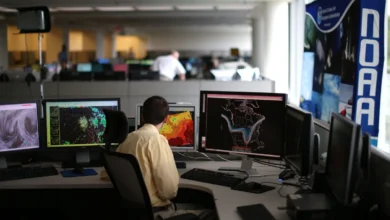
Direct measurements of U.S. oil and gas operations have shown that actual emissions are often 60 percent higher than the estimates provided by the Environmental Protection Agency (EPA). This gap is largely attributed to "super-emitters"—specific facilities or incidents where equipment failure or intentional venting releases massive volumes of gas. Satellite technology, such as the recently launched MethaneSAT and platforms operated by GHGSat, has become instrumental in identifying these events. In 2022 alone, researchers identified over 1,000 super-emitter incidents. One notable event in Turkmenistan released methane at a rate equivalent to the entire hourly emissions of France.

A Chronology of Rising Concentrations and Global Response
The trajectory of methane emissions follows the path of industrialization and the subsequent intensification of global agriculture.
- 1750–1900: Atmospheric methane remains relatively stable at around 700 ppb.
- 1950–1990: Rapid industrialization and the expansion of the global beef industry lead to a sharp incline.
- 2000–2007: A mysterious plateau occurs where methane levels stabilize, the causes of which are still debated by scientists.
- 2007–Present: Methane levels begin a renewed and accelerated climb. Scientists point to a combination of increased fracking and climate-induced feedback loops in tropical wetlands.
- 2021: The Global Methane Pledge is launched at COP26 in Glasgow, with over 100 countries initially promising to reduce emissions by 30 percent by 2030.
- 2023: Atmospheric methane reaches the highest level in recorded history, highlighting the "implementation gap" between political promises and industrial reality.
Primary Anthropogenic Sources: Agriculture, Energy, and Waste
Human activity accounts for approximately 60 percent of global methane emissions, with three sectors dominating the landscape:
1. Agriculture (40% of human-caused emissions)
Livestock production is the single largest source, primarily through enteric fermentation—the digestive process of ruminants. Cattle, sheep, and goats release methane as a byproduct of breaking down fibrous grasses. Rice cultivation is the second-largest agricultural source; the flooded paddies required for rice growth create the perfect anaerobic conditions for methane-producing archaea.

2. Fossil Fuels (35% of human-caused emissions)
The energy sector is often cited as the "low-hanging fruit" for methane reduction. During the extraction of oil, methane is often "vented" (released directly) or "flared" (burned off) if the infrastructure to capture it is absent. Additionally, coal mining releases methane trapped within coal seams. Underground mines are particularly gassy, contributing 70 percent of all coal-related methane emissions.
3. Waste Management (20% of human-caused emissions)
As organic waste—food scraps, paper, and wood—decomposes in the oxygen-poor environment of a landfill, it releases significant quantities of methane. With global solid waste production expected to rise by 73 percent by 2050, this sector represents a growing threat to climate stability.
The Myth of the "Bridge Fuel"
For decades, natural gas was marketed as a "bridge fuel" that could help transition the world from coal to renewables. The logic was simple: burning natural gas produces roughly half the CO2 of burning coal. However, this narrative ignores the "leakage rate."

Recent peer-reviewed research suggests that if as little as 0.2 percent of methane leaks during the extraction and transport process, the climate benefits of switching from coal to gas are entirely erased. A 2023 study found that when factoring in the full lifecycle of Liquefied Natural Gas (LNG), its 20-year global warming potential is actually 33 percent higher than coal. This has led to intense scrutiny of planned LNG export terminal expansions in the United States, Canada, and Australia, with activists and scientists warning that these "methane bombs" could lock in decades of high emissions.
Positive Feedback Loops and Tipping Points
Perhaps the most alarming aspect of methane is its role in "positive feedback loops." As the planet warms, natural systems begin to release stored methane, which in turn causes more warming.
- Permafrost Thaw: The Arctic permafrost contains roughly 2.5 times more carbon than is currently in the atmosphere. As it melts, microbes wake up and begin converting that organic matter into methane.
- Wetland Feedback: Warmer temperatures and changing rainfall patterns are causing tropical wetlands to expand and become more biologically active, leading to "exceptional growth" in natural emissions that humans cannot directly control.
- Wildfires: The increasing frequency of mega-fires releases not only CO2 but also significant pulses of methane, further accelerating the greenhouse effect.
Public Health and Economic Implications
Reducing methane is not just a climate imperative; it is a public health necessity. Methane is a key precursor to ground-level ozone (smog). Unlike the protective ozone layer high in the atmosphere, ground-level ozone is a toxic air pollutant that causes respiratory diseases, triggers asthma attacks, and damages agricultural crops.

The United Nations Environment Programme (UNEP) estimates that every million metric tons of methane reduced prevents 1,430 premature deaths per year and avoids the loss of 145,000 metric tons of essential crops like wheat and soy. The economic benefits of these health and agricultural gains often outweigh the costs of implementing methane-capture technology.
Pathways to Mitigation
Despite the daunting data, the International Energy Agency (IEA) maintains that a 70 percent reduction in methane emissions from the oil and gas sector is possible with existing technology.
- Technical Fixes: Leak detection and repair (LDAR) programs, the installation of "low-bleed" pneumatic controllers, and the banning of non-emergency venting and flaring could drastically cut energy-sector emissions.
- Agricultural Innovation: Scientists are testing seaweed-based feed additives for cattle, which have been shown to reduce enteric methane by over 80 percent. In rice farming, "Alternate Wetting and Drying" techniques can reduce emissions by 45 percent without sacrificing yields.
- Circular Economy: Diverting organic waste from landfills to industrial composting or anaerobic digesters can turn a pollutant into a resource, creating biogas that can be used for heating or electricity.
Analysis of Global Progress
While the Global Methane Pledge represents a historic level of diplomatic consensus, the actual reduction in atmospheric concentrations remains elusive. The IEA’s 2024 Global Methane Tracker noted that while some regions, like the European Union and the United States, have introduced new regulations to penalize methane leaks, global emissions from fossil fuel operations remained stubbornly high at over 120 million metric tons.

The "implementation gap" is the primary hurdle. Many developing nations lack the monitoring infrastructure to track leaks, while in developed nations, the political influence of the fossil fuel lobby continues to push for infrastructure expansion. To meet the Intergovernmental Panel on Climate Change (IPCC) target of a 34 percent reduction by 2030, the global community must move beyond voluntary pledges toward enforceable, transparent, and satellite-verified emission standards. Methane offers the "emergency brake" for global warming; pulling it could provide the crucial time needed to solve the more permanent problem of carbon dioxide.