Rising Waters and Aging Infrastructure: The Growing Crisis of Michigan’s Dams and the National Search for Solutions

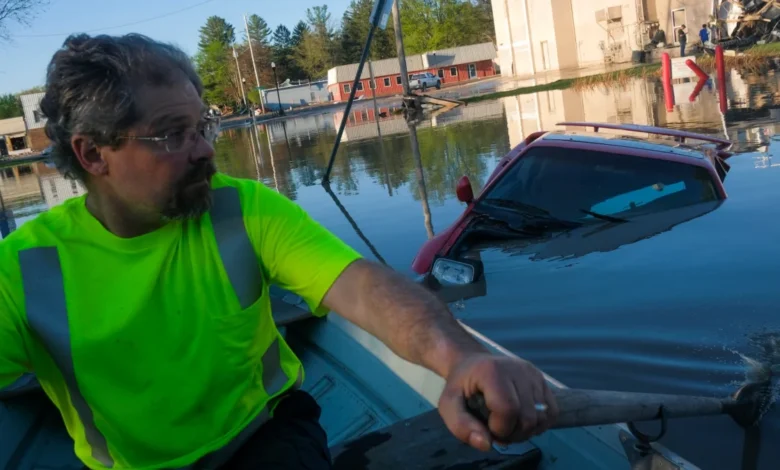
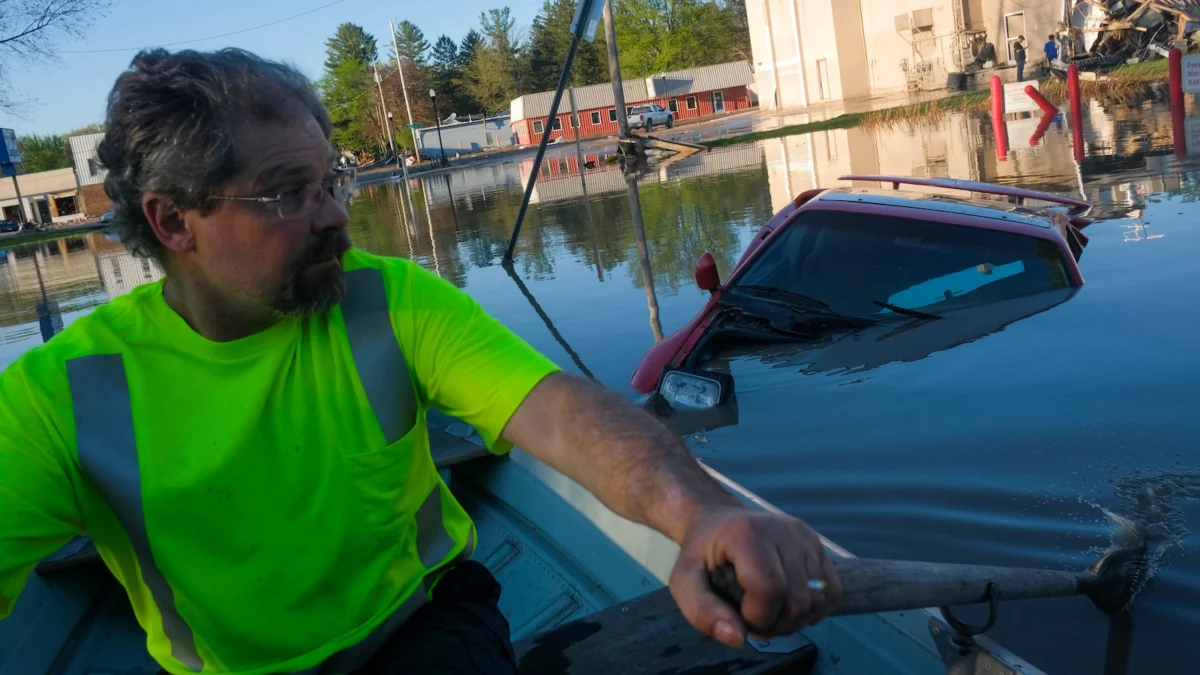
The recent surge of floodwaters across northern Michigan has pushed the state’s river systems to historic levels, exposing the precarious state of aging hydraulic infrastructure and nearly triggering a catastrophic emergency in several municipalities. In mid-April, officials in the city of Cheboygan narrowly avoided ordering mass evacuations as the Cheboygan River rose to within five inches of the dam’s crest. This narrow escape serves as a stark warning of a burgeoning national crisis: thousands of dams across the United States, built for a climate that no longer exists, are reaching the end of their functional lives just as weather patterns become increasingly volatile.
Nationwide, the average age of a dam is approximately 64 years. Most of these structures were engineered using rainfall and snowmelt data from the mid-20th century, a period that did not account for the intensified precipitation cycles driven by modern climate change. According to the American Society of Civil Engineers, thousands of these structures are now classified as "high-hazard," a designation indicating that a failure would likely result in the loss of human life. Despite the clear and present danger, dam safety experts warn that inspections remain inconsistent across state lines and that the necessary upgrades are chronically underfunded.
The Michigan Experience: A Timeline of Rising Risk
The crisis in Michigan reached a fever pitch in April, following a combination of rapid snowmelt and weeks of unrelenting heavy rain. On April 13, in the village of Bellaire, emergency crews and volunteers deployed approximately 1,000 sandbags to reinforce a century-old dam that appeared on the verge of being overwhelmed. By April 16, the focus shifted to Cheboygan, a city of 4,700 residents, where the local dam faced its most significant stress test in decades.
"This needs to be considered not the worst we can experience. This needs to be considered as typical of the future," warned Richard Rood, a professor emeritus at the University of Michigan who specializes in climate change. Rood’s assessment reflects a growing consensus among climatologists that the "once-in-a-century" flood is becoming a recurring event.
The vulnerability of Michigan’s infrastructure is not a new revelation. More than half of the state’s dams have surpassed their 50-year design life. The memory of the 2020 Edenville and Sanford dam failures remains a traumatic touchstone for the region. That disaster, which forced the evacuation of 10,000 people and caused billions in damages, was later determined by investigators to have been preventable. The April 2024 floods have reignited the same fears, prompting local leaders and safety advocates to demand immediate action before the next storm system arrives.
A National Infrastructure Deficit
The scope of the problem extends far beyond the Great Lakes. There are roughly 92,000 dams in the United States, with about 18 percent—nearly 17,000 structures—classified as high-hazard. The Association of State Dam Safety Officials (ASDSO) has estimated that the cost to repair and modernize these aging structures exceeds $165.2 billion. In Michigan alone, the price tag for essential dam remediation is estimated at $1 billion.
The financial burden often falls on small communities or private owners who lack the capital for multi-million dollar engineering projects. Approximately 75 percent of the dams regulated by the state of Michigan are privately owned. This ownership structure complicates oversight, as maintenance and safety upgrades are the responsibility of individuals or private entities rather than the public treasury.
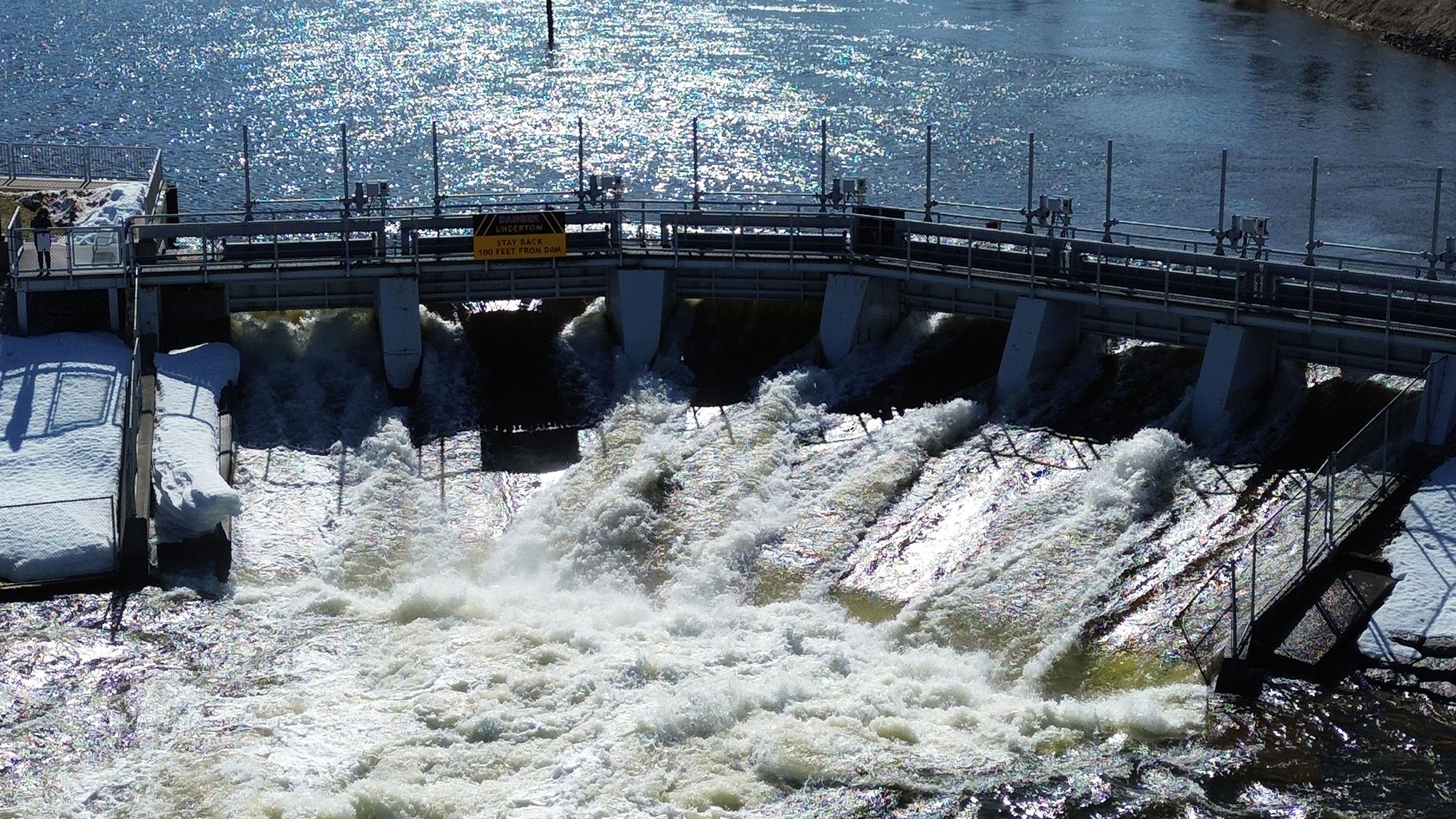
Federal funding is available through programs managed by the Federal Emergency Management Agency (FEMA) and the U.S. Army Corps of Engineers. However, these resources are often oversubscribed and represent only a fraction of the total need. Furthermore, political shifts in Washington D.C. have occasionally put these safety programs at risk of budget cuts, leaving states to navigate the crisis with limited federal support.
The Dilemma: Repair, Replace, or Remove?
As communities face the staggering costs of dam maintenance, a fundamental debate has emerged: is it better to fix a dam or remove it entirely?
Removing a dam is often significantly cheaper than upgrading it to meet modern safety and climate standards. Beyond the financial savings, removal can restore the natural flow of rivers, improve water quality, and allow fish species to return to their ancestral spawning grounds. Organizations like American Rivers report that the pace of dam removals is accelerating nationwide, with more dams being dismantled than constructed since the turn of the millennium.
In Traverse City, officials opted for removal in 2024, dismantling the Union Street Dam as part of a comprehensive restoration of the Boardman-Ottaway River. This project included the implementation of "FishPass," a sophisticated system designed to allow desirable species to migrate while blocking invasive pests like sea lamprey. Engineers believe this proactive removal likely saved the city from devastating flooding during the April surges, as the river was able to flow more freely without the bottleneck of an aging barrier.
"Upstream would have been under two more feet of water, which would have been quite devastating," said Daniel Zielinski, a principal engineer for the Great Lakes Fishery Commission. "We actually had a really great stress test of the system. It functioned really well."
However, dam removal is rarely a simple decision. Many dams created reservoirs that have become central to local economies and property values. Lakefront homeowners often fiercely oppose removal projects that would turn their "lake" back into a river, citing concerns over aesthetics and declining home prices. Furthermore, some dams serve vital roles in providing hydroelectric power or municipal drinking water, making removal a non-viable option for certain localities.
Ecological and Economic Trade-offs
Conservation groups like Huron Pines are increasingly stepping in to help dam owners navigate these difficult choices. In the last 13 years, Huron Pines has managed nine dam removals in Michigan, including the upcoming removal of the Sanback Dam in Rose City, which carries a $4 million price tag.
Josh Leisen, a senior project manager for Huron Pines, emphasizes that even dams in seemingly good condition are liabilities in the face of extreme weather. "There are costs associated with repair and there are risks associated with having a dam," Leisen said. "Even if it seems to be in good condition, you get extreme weather events like we just had."
The environmental benefits of removal are significant. Reconnecting river ecosystems allows for the natural transport of sediment and nutrients, which are essential for downstream habitats. For many Indigenous communities and local anglers, dam removal represents a chance to restore salmon and trout populations that have been decimated by fragmentation.
Legislative and Regulatory Frontiers
In the wake of the April floods, Michigan officials are pushing for more robust safety regulations and increased state funding. Phil Roos, director of the Michigan Department of Environment, Great Lakes, and Energy (EGLE), has characterized dam safety as a non-partisan issue that requires urgent legislative attention.
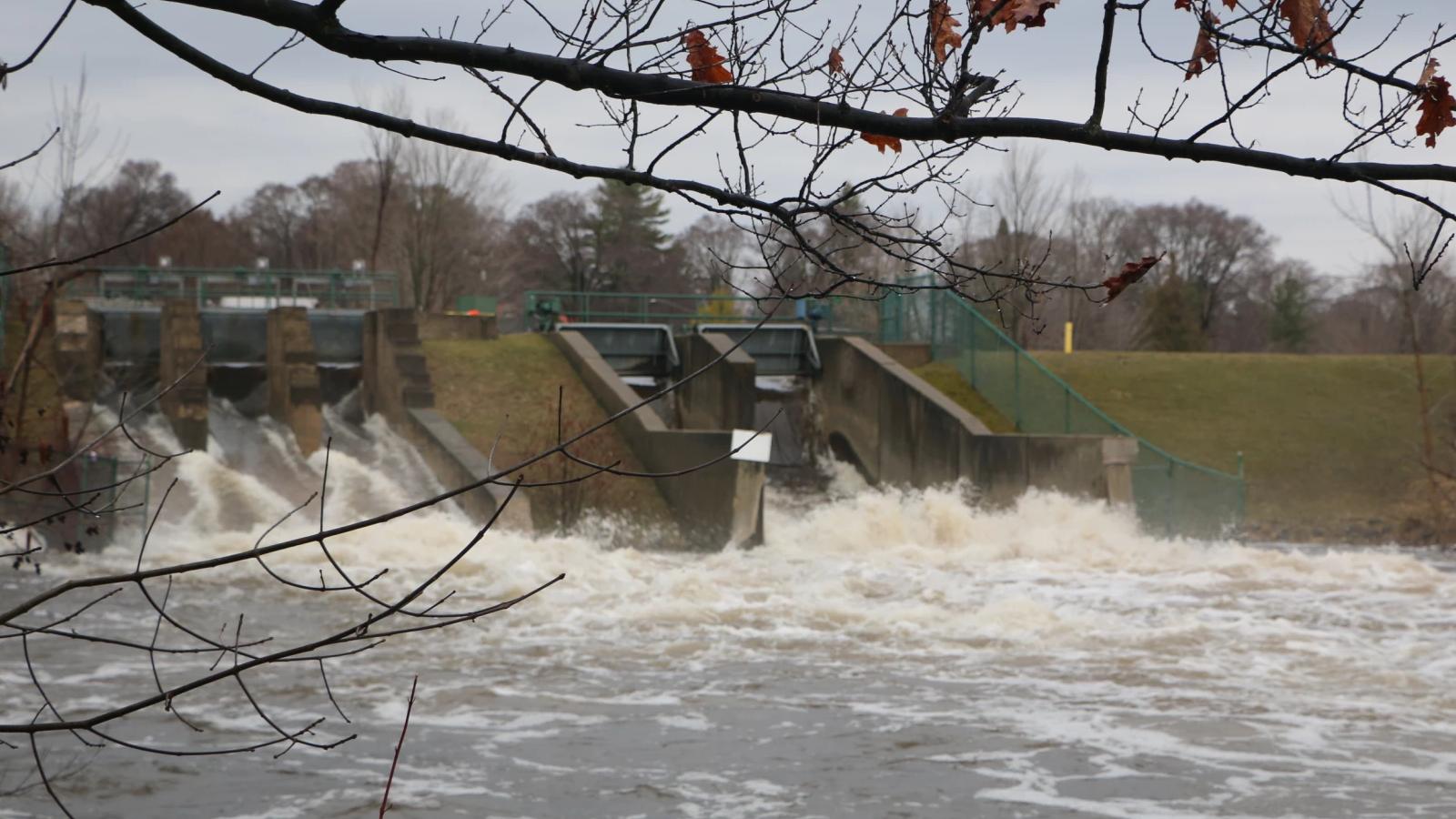
Proposed state legislation, such as House Bill 5485, aims to modernize design standards, bolster inspection requirements, and address the complexities of private dam ownership. The bill also seeks to create permanent funding mechanisms for both upgrades and removals, moving away from the "stop-gap" grant programs that have characterized previous responses.
State Senator John Damoose, who represents the Cheboygan area, has expressed particular concern regarding the hybrid ownership of dams. The Cheboygan Dam is currently under both state and private control, a situation that can lead to bureaucratic gridlock during emergencies. "Somebody made a point, ‘Well, we can’t have private companies owning these things.’ I tend to believe in private ownership but they might be right," Damoose remarked during a recent roundtable discussion.
The "New Normal" of Climate Change
The underlying driver of this crisis remains the warming atmosphere. For every degree of warming, the air can hold approximately 7 percent more moisture. This physical reality translates into more frequent and more intense "rain-on-snow" events, which are particularly dangerous for dam systems. When heavy rain falls on melting snowpack, the resulting runoff can overwhelm spillways that were designed for much lower volumes.
Luke Trumble, Michigan’s chief of dam safety, notes that the state is already dealing with conditions that exceed the original design parameters of its infrastructure. He stresses that while improved dam safety cannot stop rivers from flooding, it can prevent those floods from turning into catastrophic failures.
"It’s a little bit of a misconception that if we fix the dam issue, there’ll be no more flooding," Trumble said. "What we can do with dam safety legislation is help ensure that flooding is not made worse by a dam failure."
Conclusion: A Turning Point for Infrastructure
The events of April in northern Michigan underscore a pivotal moment for American infrastructure. The nation’s network of dams, once symbols of engineering prowess and economic progress, are now aging liabilities in a rapidly changing climate. The choice facing policymakers and local communities is increasingly binary: invest billions in reengineering these structures for a more volatile future, or embrace the ecological and safety benefits of returning rivers to their natural states.
As Richard Rood of the University of Michigan suggests, the "slowly unfolding failures" of the current system are no longer a theoretical risk but a present reality. Without a coordinated national effort to address the $165 billion repair backlog and a clear-eyed assessment of which dams are truly essential, the "close calls" of today will inevitably become the disasters of tomorrow. For the residents of cities like Cheboygan and Bellaire, the receding waters of April provide a brief respite, but the ticking clock of aging infrastructure remains.
Related posts: