Earth Records Hottest Year Ever
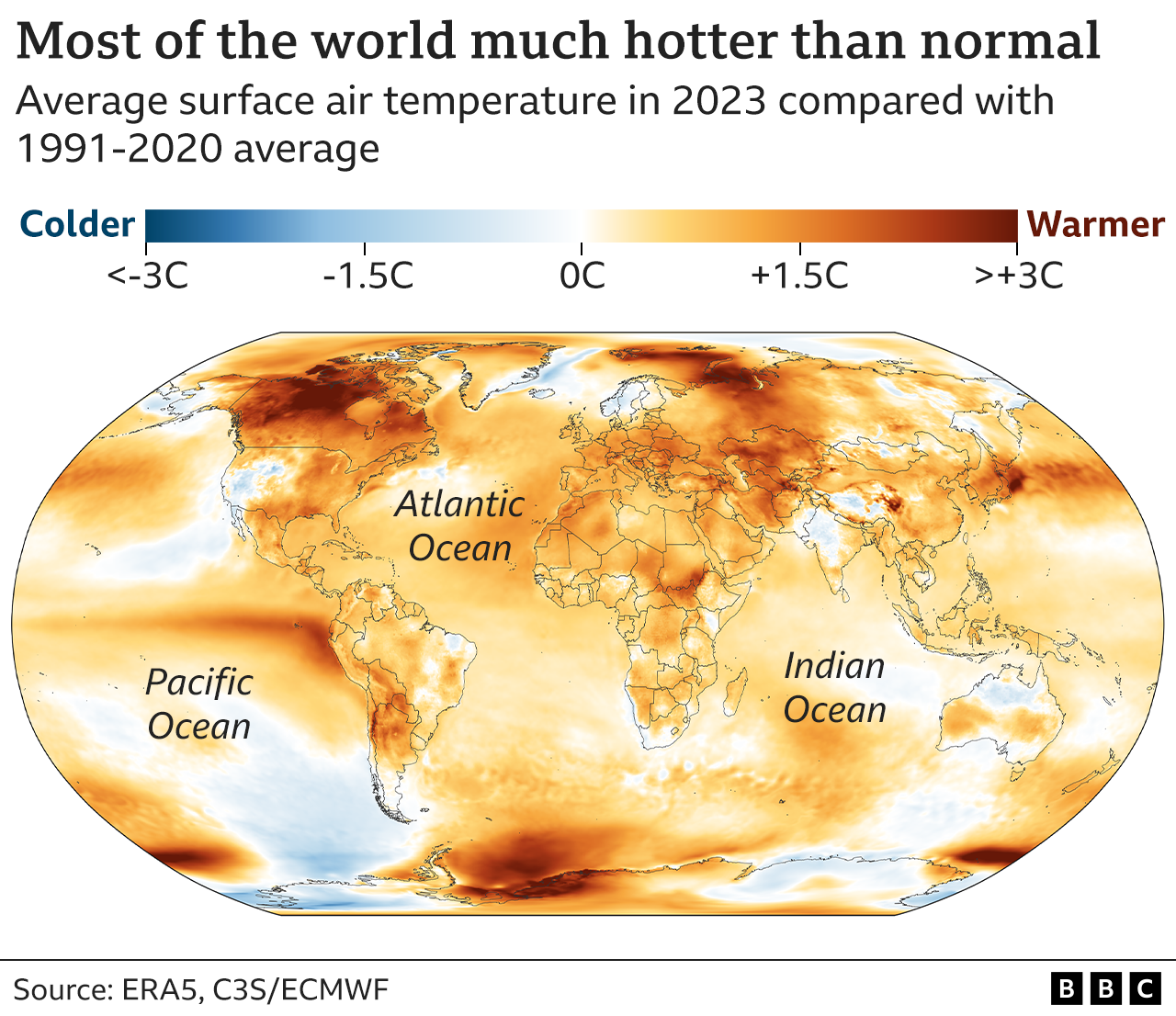

Earth Records Hottest Year Ever: Unpacking the Alarming Climate Data
The planet’s thermometer has officially reached an unprecedented level, with the latest scientific analyses confirming that the past year stands as the hottest on record for Earth. This isn’t a subtle shift; it’s a stark, unequivocal declaration from the global scientific community, backed by an overwhelming consensus of data and robust methodologies. Across multiple independent datasets, compiled by leading meteorological organizations worldwide, the conclusion is inescapable: we have entered a new, hotter era for our planet. The implications of this milestone are profound, impacting ecosystems, human societies, and the very trajectory of our future climate. Understanding the drivers behind this record-breaking heat, its observable consequences, and the urgent need for action is paramount as we navigate this critical juncture in Earth’s climate history.
The confirmation of the hottest year ever is not based on a single anomaly but on a consistent pattern of elevated global temperatures observed across numerous scientific institutions. Organizations such as NASA’s Goddard Institute for Space Studies (GISS), the National Oceanic and Atmospheric Administration (NOAA) National Centers for Environmental Information (NCEI), the UK’s Met Office Hadley Centre, and the Berkeley Earth Institute independently analyze vast amounts of temperature data collected from weather stations, ocean buoys, and satellite measurements. These datasets, though using slightly different methodologies for data processing and averaging, consistently point to the same alarming trend: the past year has surpassed all previous records for global average surface temperature. The margin by which this record has been broken is also significant, indicating a clear acceleration of warming trends rather than a marginal increase. This isn’t just a statistical blip; it’s a confirmation of a deeply concerning trajectory. The consistency across these independent analyses provides a strong, irrefutable foundation for this critical climate finding, leaving no room for doubt or misinterpretation. The data paints a clear, albeit disturbing, picture of a planet undergoing rapid climatic change.
The primary driver of this record-breaking heat is unequivocally the continued and escalating accumulation of greenhouse gases in Earth’s atmosphere, primarily carbon dioxide (CO2) and methane. These gases, released in massive quantities through the burning of fossil fuels (coal, oil, and natural gas) for energy, transportation, and industry, as well as through deforestation and agricultural practices, trap heat from the sun. This phenomenon, known as the greenhouse effect, is a natural process that keeps Earth habitable. However, human activities have dramatically amplified this effect, leading to a net warming of the planet. The concentration of CO2 in the atmosphere has now reached levels not seen in millions of years, exceeding 420 parts per million (ppm), a significant increase from pre-industrial levels of around 280 ppm. Methane, a more potent greenhouse gas in the short term, has also seen a dramatic rise due to sources like livestock farming, natural gas leaks, and thawing permafrost. The inertia of the climate system means that even if emissions were to stop today, the planet would continue to warm for decades due to the heat already absorbed by the oceans and the atmosphere. The record-breaking year is a direct consequence of this persistent buildup of heat-trapping gases, an undeniable testament to the impact of human industrial activity on the global climate system.
While the long-term trend of global warming is driven by greenhouse gas emissions, certain short-term climatic phenomena can exacerbate these effects, contributing to specific record-breaking years. In the context of the hottest year on record, the El Niño-Southern Oscillation (ENSO) cycle played a significant role. El Niño, a natural climate pattern characterized by warmer-than-average sea surface temperatures in the central and eastern tropical Pacific Ocean, typically leads to a temporary increase in global average temperatures. The transition from a La Niña phase (cooler Pacific temperatures) to a strong El Niño event during the latter half of the previous year significantly amplified the underlying warming trend. El Niño events redistribute heat in the atmosphere and oceans, influencing weather patterns globally and leading to higher temperatures in many regions. However, it is crucial to emphasize that El Niño alone does not explain the entirety of the record heat. The underlying warming trend driven by human-induced greenhouse gas emissions provided a much hotter baseline upon which the El Niño amplified warming acted. Without the sustained human-caused warming, even a strong El Niño event would not have pushed global temperatures to the unprecedented levels observed. Therefore, the record year represents a potent synergy between long-term anthropogenic warming and a natural climate variability event.
The observable consequences of Earth’s hottest year are already stark and widespread, impacting virtually every corner of the globe. Extreme heatwaves have become more frequent, intense, and prolonged, leading to increased risks of heatstroke, dehydration, and mortality, particularly among vulnerable populations. These heatwaves are not confined to specific regions; they have affected continents from North America to Europe, Asia, and Australia, often shattering historical temperature records. Simultaneously, many regions have experienced unprecedented periods of drought, decimating agricultural yields, straining water resources, and increasing the risk of wildfires. The dry conditions create tinderbox environments, leading to larger and more destructive infernos. Conversely, other areas have been subjected to extreme rainfall events, triggering devastating floods and landslides. These "whiplash" weather patterns, characterized by rapid shifts between extreme dryness and extreme wetness, are becoming increasingly common as the climate system becomes more volatile. The oceans are also bearing the brunt of this warming. Sea surface temperatures have reached record highs, contributing to the intensification of tropical storms and hurricanes, as warmer waters provide more energy for these destructive weather systems. Furthermore, rising ocean temperatures are leading to coral bleaching events on a massive scale, threatening marine ecosystems and the livelihoods that depend on them. The melting of glaciers and ice sheets has accelerated, contributing to sea-level rise and threatening coastal communities with inundation and increased storm surge impacts. These cascading effects highlight the interconnectedness of Earth’s systems and the far-reaching implications of a warming planet.
The amplified warming trend has significant implications for biodiversity. Many plant and animal species are struggling to adapt to the rapid changes in temperature and weather patterns. Shifting habitats, altered growing seasons, and increased frequency of extreme weather events can lead to population declines, local extinctions, and disruptions in ecological food webs. Species that are unable to migrate or adapt quickly enough are at particular risk. For instance, in terrestrial ecosystems, prolonged droughts can lead to widespread tree mortality, impacting the entire forest ecosystem. In marine environments, rising ocean temperatures not only cause coral bleaching but also force fish populations to migrate to cooler waters, disrupting fisheries and the marine food chain. Insect populations, often highly sensitive to temperature fluctuations, are also experiencing shifts, with some species experiencing population booms that can lead to increased pest outbreaks affecting agriculture and human health. The interconnectedness of these species means that the loss or decline of one can have a ripple effect throughout its ecosystem, leading to a domino effect of biodiversity loss. This erosion of biodiversity not only diminishes the richness of our planet but also compromises the essential ecosystem services that humans rely upon, such as pollination, water purification, and climate regulation.
The economic and societal ramifications of the hottest year on record are substantial and are projected to intensify. Agricultural sectors are facing immense pressure from changing weather patterns, with droughts, floods, and extreme heat impacting crop yields and livestock. This can lead to food shortages, increased food prices, and economic hardship for farmers, with ripple effects on global food security. Water scarcity is another growing concern, particularly in regions already experiencing arid conditions. The dwindling supply of fresh water will impact agriculture, industry, and domestic use, potentially leading to increased competition and conflict. The increased frequency and intensity of extreme weather events necessitate significant investments in disaster preparedness, response, and rebuilding efforts. Damage to infrastructure, homes, and businesses from floods, wildfires, and storms incurs enormous economic costs. Furthermore, the health impacts of extreme heat, air pollution exacerbated by wildfires, and the spread of vector-borne diseases due to changing climate conditions place an additional burden on healthcare systems and reduce workforce productivity. Climate migration is also becoming an increasingly pressing issue, as populations displaced by environmental degradation, resource scarcity, and extreme weather events seek safer and more habitable regions, leading to social and political challenges. The economic stability and social well-being of nations are increasingly intertwined with their vulnerability and resilience to climate change impacts.
Addressing the root cause of this record-breaking heat—the unabated emission of greenhouse gases—requires a swift and decisive global transition away from fossil fuels. This necessitates a multifaceted approach involving significant policy changes, technological innovation, and a fundamental shift in societal behavior. Governments must implement ambitious climate policies, including carbon pricing mechanisms, stringent emissions standards for industries and vehicles, and investments in renewable energy infrastructure. International cooperation is paramount, with nations working together to set and achieve ambitious emissions reduction targets under frameworks like the Paris Agreement. The rapid expansion of renewable energy sources, such as solar and wind power, coupled with advancements in energy storage technologies, is crucial to decarbonize the energy sector. Furthermore, promoting energy efficiency in buildings, transportation, and industrial processes can significantly reduce overall energy demand. Sustainable land management practices, including reforestation and efforts to prevent deforestation, are vital for carbon sequestration and mitigating climate change. Individual actions, while seemingly small, collectively contribute to the larger solution. This includes reducing energy consumption, choosing sustainable transportation options, adopting plant-based diets, and supporting businesses and policies that prioritize environmental sustainability. The scale of the challenge demands urgent and comprehensive action from all sectors of society.
The scientific community’s consensus on the record-breaking heat is a clarion call for immediate and transformative action. The data is not an abstract prediction; it is a tangible manifestation of a planet under stress. The record hottest year ever is not merely a statistical milestone; it is a potent indicator of the escalating climate crisis and the urgent need for a radical departure from business-as-usual. Ignoring the scientific evidence and delaying meaningful action will only lead to more severe and irreversible consequences. The trajectory we are on is unsustainable, and the time to pivot towards a resilient, low-carbon future is now. The investments made today in climate mitigation and adaptation will determine the habitability of our planet for generations to come. This is not a distant threat; it is a present reality, and our collective response will define our legacy.