Eric Dane Als Diagnosis

Eric Dane ALS Diagnosis: Understanding the Actor’s Condition and Its Implications
The announcement of Eric Dane’s amyotrophic lateral sclerosis (ALS) diagnosis has brought significant public attention to this devastating neurodegenerative disease. Dane, known for his roles in "Grey’s Anatomy" and "Euphoria," revealed his diagnosis, sparking widespread interest and concern. This article aims to provide a comprehensive overview of ALS, its symptoms, progression, diagnostic process, and the challenges faced by individuals like Eric Dane. Understanding ALS is crucial for fostering empathy, supporting research, and advancing treatment options for this complex condition.
ALS, often referred to as Lou Gehrig’s disease, is a progressive and fatal motor neuron disease that affects nerve cells in the brain and spinal cord. These nerve cells, known as motor neurons, control voluntary muscle movement. In individuals with ALS, these motor neurons degenerate and die, leading to muscle weakness, paralysis, and eventually, respiratory failure. The disease typically affects adults between the ages of 40 and 70, although it can occur at any age. The exact cause of ALS remains unknown in most cases, but genetic factors and environmental influences are believed to play a role. Familial ALS, accounting for about 10% of cases, is directly inherited, while sporadic ALS, the most common form, arises from a combination of genetic predisposition and environmental triggers.
The onset of ALS symptoms can be subtle and vary greatly from person to person. Early signs often involve muscle twitching (fasciculations), muscle cramps, and weakness in a limb. For Eric Dane, as with many patients, these initial symptoms might have been attributed to fatigue or other less serious conditions. As the disease progresses, the muscle weakness becomes more pronounced, affecting speech (dysarthria), swallowing (dysphagia), and breathing (dyspnea). Individuals may experience difficulty with fine motor skills, such as buttoning a shirt or writing, and larger movements, like walking or climbing stairs. Eventually, ALS leads to widespread paralysis, rendering individuals unable to move their limbs, speak, swallow, or breathe independently. Cognitive impairment can also occur in a subset of ALS patients, affecting executive functions like planning, decision-making, and behavior.
The diagnostic process for ALS is a challenging and often lengthy one, as there is no single definitive test. Diagnosis relies on a combination of clinical examination, neurological assessment, and exclusion of other conditions that mimic ALS symptoms. Neurologists will conduct a thorough physical and neurological examination, assessing muscle strength, reflexes, coordination, and sensory function. Electromyography (EMG) and nerve conduction studies (NCS) are crucial diagnostic tools. EMG measures the electrical activity of muscles, which can reveal abnormalities indicative of motor neuron damage. NCS evaluates the speed and strength of nerve signals, helping to rule out peripheral nerve disorders.
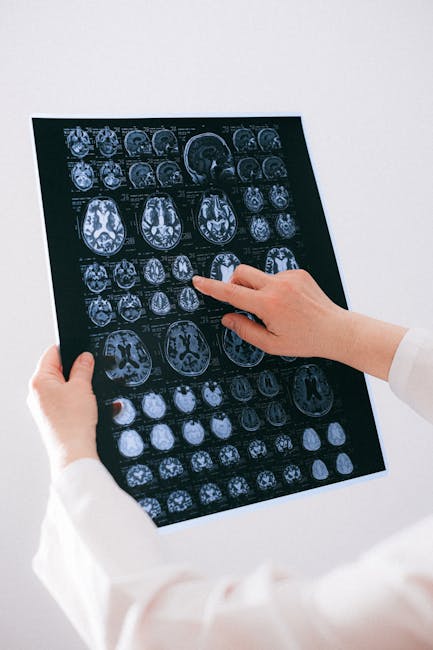
In addition to EMG and NCS, other diagnostic tests may be performed to exclude other conditions. Magnetic resonance imaging (MRI) of the brain and spinal cord can help rule out structural abnormalities like tumors or spinal cord compression. Blood tests are conducted to check for vitamin deficiencies, thyroid problems, and inflammatory or infectious conditions that can present with neurological symptoms. A muscle biopsy, though less common, may be used in some cases to examine muscle tissue for signs of degeneration. The diagnosis is ultimately made based on a pattern of progressive degeneration of motor neurons in the brain and spinal cord, confirmed by clinical findings and diagnostic tests, and the exclusion of other potential causes. The diagnostic journey can be emotionally taxing, involving multiple doctor visits, tests, and the waiting for results.
The progression of ALS is highly variable. While some individuals experience rapid disease progression, others may have a slower decline. The average life expectancy after diagnosis is typically two to five years, though some individuals live much longer, and a small percentage may experience a period of stability. Factors influencing progression include the age of onset, the specific pattern of motor neuron involvement, and the presence of any co-occurring conditions. For individuals like Eric Dane, the public’s awareness of his condition underscores the significant personal and emotional impact of ALS, extending beyond the physical challenges.
Currently, there is no cure for ALS, and treatment focuses on managing symptoms, slowing disease progression, and improving quality of life. Several medications have been approved to help manage ALS symptoms. Riluzole, the first drug approved by the FDA, may slow disease progression by reducing damage to motor neurons. Edaravone, another medication, has shown some benefit in slowing functional decline in certain patient populations. Other medications are used to manage specific symptoms such as muscle spasticity (e.g., baclofen, tizanidine), excessive salivation (e.g., atropine, glycopyrrolate), and depression.
Therapeutic interventions play a vital role in maintaining function and independence. Physical therapy can help maintain muscle strength, flexibility, and range of motion. Occupational therapy can assist with adaptive strategies and equipment for daily living, such as assistive devices for eating, dressing, and mobility. Speech therapy is crucial for individuals experiencing communication difficulties, providing techniques for clearer speech and alternative communication methods like Augmentative and Alternative Communication (AAC) devices. Respiratory therapy is essential as breathing muscles weaken. Non-invasive ventilation, such as bilevel positive airway pressure (BiPAP), can help support breathing and improve sleep quality.
The emotional and psychological impact of an ALS diagnosis is profound. Patients and their families often experience anxiety, depression, and grief as they cope with the progressive nature of the disease and the loss of independence. Comprehensive psychosocial support is critical. This includes access to mental health professionals, support groups, and palliative care services. Palliative care, often misunderstood as end-of-life care, actually focuses on providing relief from the symptoms and stress of a serious illness to improve quality of life for both the patient and the family, starting at diagnosis.
The public’s awareness of Eric Dane’s diagnosis serves as a powerful catalyst for increased understanding and support for ALS research. Funding for research into the causes, prevention, and treatment of ALS is paramount. Scientists are actively investigating various avenues, including genetic research to identify specific gene mutations and their roles in disease pathogenesis, the development of new therapeutic targets, and the exploration of stem cell therapy and gene therapy. Advances in understanding the underlying biological mechanisms of ALS are paving the way for more targeted and effective treatments.
The journey with ALS is undeniably challenging, both for the individual diagnosed and their loved ones. The challenges faced by Eric Dane highlight the need for continued advocacy and awareness. Public figures speaking out about their conditions can significantly reduce the stigma associated with serious illnesses and encourage others to seek help and support. It also galvanizes communities to rally around those affected, providing practical and emotional assistance.
In conclusion, Eric Dane’s diagnosis of ALS brings a critical spotlight to this complex and debilitating disease. Understanding the multifaceted nature of ALS—its symptoms, diagnostic complexities, progressive course, and the current treatment landscape—is essential. While the absence of a cure remains a significant hurdle, ongoing research, coupled with comprehensive symptom management and robust psychosocial support, offers hope for improving the lives of those affected. The public engagement sparked by Dane’s announcement can foster greater empathy, drive crucial funding for research, and ultimately, bring us closer to finding effective treatments and a cure for amyotrophic lateral sclerosis.