Category Social Media Marketing

Category Social Media Marketing: Dominating Niche Audiences and Building Brand Authority
Category social media marketing transcends generic brand promotion. It’s a strategic discipline focused on establishing a brand as the definitive authority and leading voice within a specific product or service category. Instead of shouting into the void of broad social media landscapes, category marketers meticulously identify, engage, and influence niche audiences who are actively seeking information, solutions, and inspiration related to their specialized domain. This approach hinges on deep understanding of the category’s pain points, trends, and influencers, and leverages social media platforms not merely for advertising, but for genuine value creation, education, and community building. The ultimate goal is to become the go-to resource, the undisputed leader, and the most trusted brand within that particular vertical, driving not just immediate sales but long-term loyalty and advocacy.
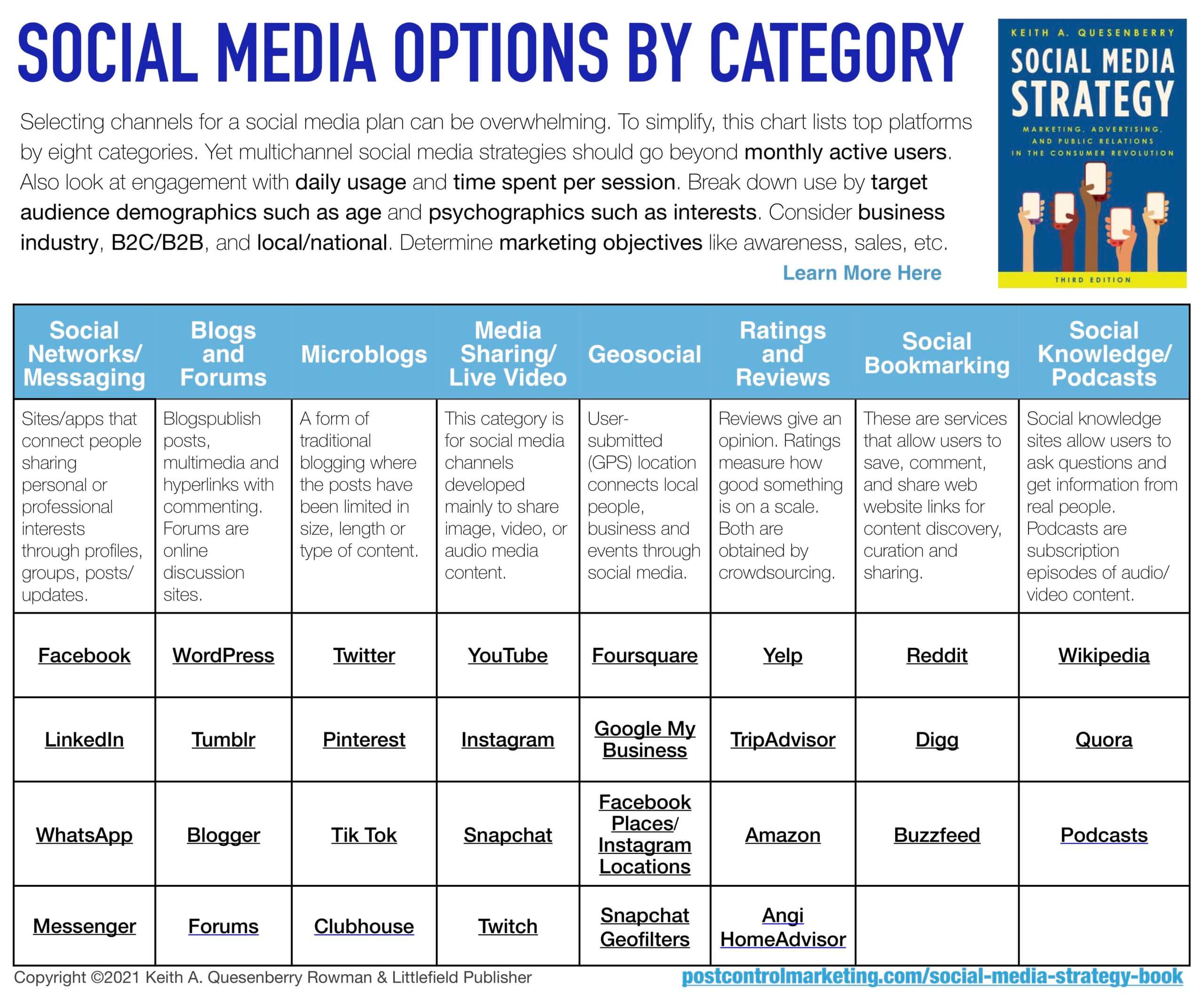
The foundational principle of category social media marketing lies in hyper-segmentation and targeted value delivery. Generic content, while sometimes effective for broad reach, fails to resonate with discerning consumers who are deeply invested in a particular category. For instance, a brand selling specialized climbing gear wouldn’t bombard a general audience with posts about outdoor adventure. Instead, they would meticulously craft content for experienced climbers, focusing on advanced techniques, gear maintenance, safety protocols for extreme conditions, and interviews with elite athletes. This targeted approach ensures that every piece of content addresses a specific need or interest of the intended audience, fostering a sense of relevance and expertise. Social media platforms, with their robust targeting capabilities, become powerful tools for delivering this precisely tailored content to the right eyes. Understanding the nuances of each platform – the visual-centricity of Instagram, the professional networking of LinkedIn, the real-time conversation of Twitter, the deep-dive potential of YouTube, and the community-building power of Facebook Groups – is crucial for optimizing delivery and engagement within the chosen category.
Building authority is paramount in category social media marketing. This isn’t achieved through paid promotions alone, but through consistent, high-quality content that showcases expertise, offers solutions, and educates the audience. This can manifest in various forms: in-depth tutorials, expert Q&A sessions, case studies demonstrating product efficacy, trend analyses within the category, myth-busting posts, and interviews with thought leaders. For example, a cybersecurity firm wouldn’t just post about phishing scams; they would offer detailed guides on advanced threat detection, analyze emerging vulnerabilities, and host webinars with cybersecurity experts discussing future challenges. The objective is to position the brand not just as a vendor, but as a trusted advisor, a thought leader whose insights are invaluable. This consistent demonstration of knowledge and helpfulness cultivates trust and credibility, making consumers more likely to turn to that brand when they have a need within the category. Search engine optimization (SEO) principles are intrinsically linked to this. By using relevant keywords within social media content, bios, and descriptions, brands can increase their discoverability both within the platform and through external search engines, further cementing their position as a category authority.
Community engagement is the lifeblood of successful category social media marketing. Once an audience is attracted, the focus shifts to fostering a sense of belonging and active participation. This involves initiating conversations, responding promptly and thoughtfully to comments and messages, hosting live Q&A sessions, running polls and surveys to gather feedback, and actively participating in relevant industry discussions. A brand selling specialized coffee beans, for instance, would encourage customers to share their brewing methods, favorite roast profiles, and latte art creations. They would engage with these posts, offer tips, and even feature user-generated content. This creates a vibrant community around the brand and the category, where users feel heard, valued, and connected. This also provides invaluable qualitative data about customer preferences and pain points, which can inform product development and future marketing strategies. Utilizing features like Facebook Groups, Slack channels, or Discord servers can further enhance this community-building effort, creating dedicated spaces for deeper interaction and knowledge sharing among enthusiasts.
Content strategy for category social media marketing must be meticulously planned and executed. It’s not about churning out random posts; it’s about developing a content calendar that aligns with category-specific events, trends, and seasonal demands. This involves a deep dive into keyword research for the niche, competitor analysis to identify content gaps and successful strategies, and audience persona development to understand their motivations and information needs. Content formats should be diverse and platform-appropriate: high-resolution imagery and short-form video for Instagram and TikTok, detailed articles and whitepapers for LinkedIn, engaging threads and real-time updates for Twitter, and longer-form educational videos for YouTube. Repurposing content across platforms is a smart strategy, but it must be adapted to the native format and audience expectations of each. For example, a blog post about advanced data analysis techniques can be summarized into a LinkedIn article, broken down into a Twitter thread, and visually explained in an infographic for Instagram.
Influencer marketing, when applied within a specific category, becomes a powerful amplification tool for category social media marketing. Instead of partnering with general lifestyle influencers, the focus shifts to micro-influencers and subject matter experts who have genuine credibility and a dedicated following within the niche. A brand selling high-performance athletic wear, for instance, would collaborate with elite athletes, sports physiotherapists, or reputable fitness coaches who are respected for their expertise and authentic endorsements within their specific disciplines. These influencers can create authentic product reviews, demonstrate product usage in real-world scenarios, and participate in live discussions, lending their credibility to the brand and reaching a highly engaged audience that trusts their recommendations. The selection process for these influencers is critical, emphasizing authenticity, engagement rates, and alignment with the brand’s values and category focus over sheer follower count.
Measuring the success of category social media marketing requires a shift in perspective from vanity metrics like raw follower growth to more impactful indicators of category dominance. Key Performance Indicators (KPIs) should include metrics related to engagement rate (comments, shares, saves), website traffic originating from social media, lead generation (form fills, demo requests), conversion rates for category-specific products, share of voice within category discussions, brand sentiment, and the growth of user-generated content. Analyzing which content formats and themes resonate most strongly with the niche audience is crucial for iterative improvement. Tools for social listening are indispensable, allowing marketers to track brand mentions, identify emerging trends within the category, monitor competitor activity, and understand the overall conversation surrounding their niche. This data-driven approach allows for continuous optimization of the strategy, ensuring that resources are allocated to the most effective tactics for category leadership.
The competitive landscape within any given category is constantly evolving, making agility and continuous learning essential for category social media marketers. Staying abreast of algorithmic changes on social media platforms, emerging content formats, and shifts in consumer behavior is paramount. This requires a proactive approach to experimentation, an openness to feedback, and a willingness to adapt strategies as needed. Regularly analyzing competitor strategies within the category can reveal new opportunities and potential threats. Building strong relationships with customers and industry stakeholders can also provide early insights into upcoming trends and shifts in the market. The ultimate aim is to not just participate in the category conversation but to shape it, becoming a driving force behind its evolution and a trusted source of information and innovation.
Categorization itself plays a significant role in how social media algorithms and users perceive and interact with content. Brands actively engaging in category social media marketing should ensure their social media profiles, bios, and content are meticulously categorized using relevant keywords and hashtags. This not only aids in discoverability but also signals to the algorithm that the brand is an authority in that specific niche, leading to more targeted content delivery and a higher chance of appearing in relevant searches and feeds. For example, a sustainable fashion brand would use hashtags like #sustainablefashion, #ethicalclothing, #slowfashion, and specific material-related tags, ensuring their content reaches audiences actively seeking eco-conscious apparel. This deliberate categorization extends to the language and tone used; it should be consistent with the established vernacular of the category’s enthusiasts.
The long-term vision of category social media marketing is to cultivate brand loyalty and advocacy that transcends transactional relationships. By consistently providing value, fostering community, and establishing undeniable expertise, brands can transform customers into devoted fans who actively champion the brand within their networks. This word-of-mouth marketing, amplified through social media, is incredibly powerful and cost-effective. These advocates often become an extension of the brand’s marketing efforts, sharing their positive experiences and insights, and even defending the brand against any negative sentiment. This organic growth and brand evangelism is the ultimate testament to the success of a well-executed category social media marketing strategy, solidifying the brand’s position as a leader not just in sales, but in influence and perception within its chosen domain.
The ethical considerations in category social media marketing are also crucial. Transparency in sponsored content, honest product claims, and genuine engagement are non-negotiable. Building trust is the cornerstone of category authority, and any misstep in ethical practice can quickly erode credibility, especially within a niche community where authenticity is highly valued. Brands must prioritize genuine value creation over manipulative tactics, focusing on empowering their audience with knowledge and solutions rather than simply pushing products. This ethical framework not only strengthens brand reputation but also fosters a more sustainable and impactful long-term presence within the category.
In conclusion, category social media marketing is a sophisticated and highly effective approach to brand building that prioritizes specialization, value delivery, and authentic engagement. It moves beyond generic advertising to establish a brand as the definitive authority and trusted resource within a specific niche. By meticulously understanding the target audience, crafting relevant and educational content, fostering vibrant communities, and leveraging strategic partnerships, brands can achieve unparalleled levels of credibility, loyalty, and influence within their chosen category. This strategic discipline, when executed with precision and a commitment to authenticity, unlocks significant long-term growth and solidifies a brand’s leadership position in today’s competitive digital landscape.