The Silent Economic Engine Under Fire: How Rising Diesel Costs Amid the Iran Conflict Are Reshaping the American Economy

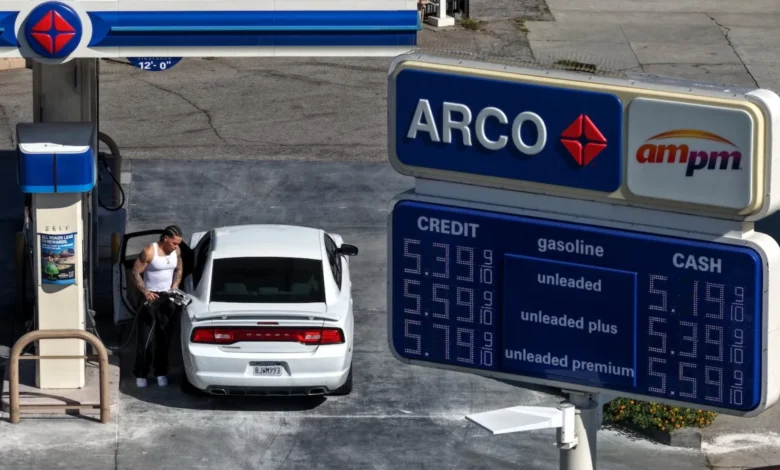
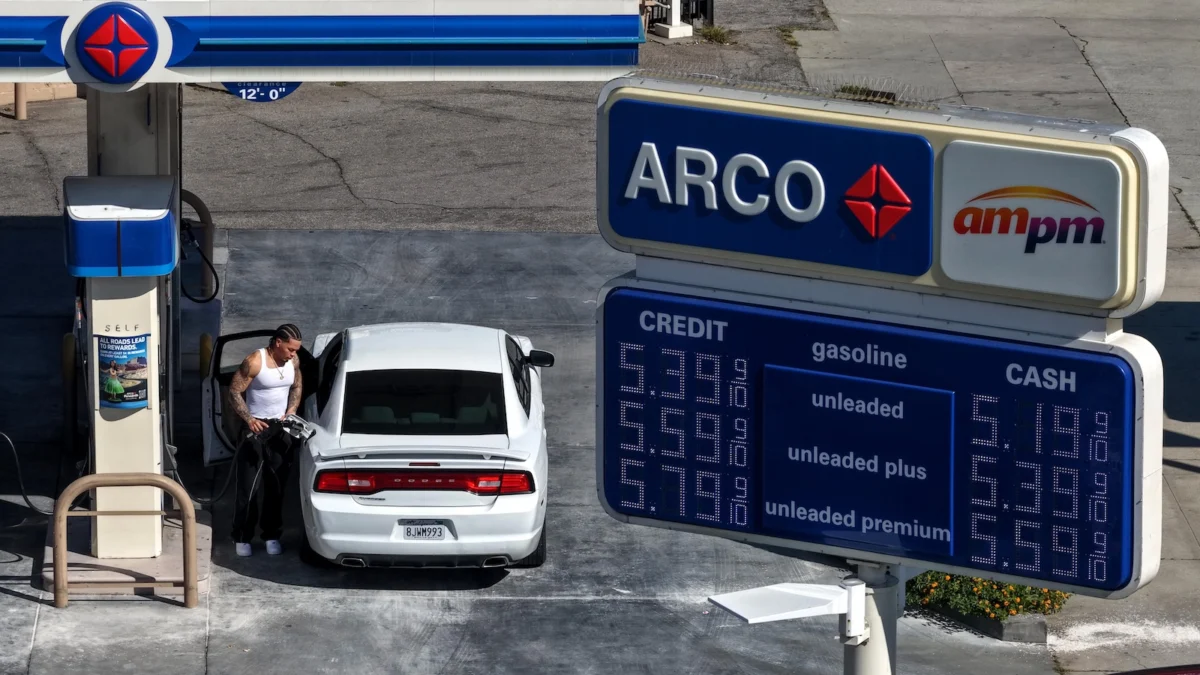
While the American public has historically used the price of consumer gasoline as the primary barometer for economic health, a more critical and volatile story is unfolding at the diesel pump. As the conflict in the Middle East escalates, new data reveals that diesel—the often-overlooked fuel that powers the nation’s industrial backbone—is inflicting a disproportionately heavy blow on the United States economy. Since the outbreak of hostilities involving Iran and the subsequent closure of the Strait of Hormuz, the financial burden on American households and businesses has surged, with diesel costs accounting for nearly half of a staggering $19 billion spike in total fuel expenditures.
The crisis, which began in late February 2026, has evolved from a regional military engagement into a global energy emergency. While gasoline prices have certainly climbed, causing visible frustration for commuters, it is the 54 percent surge in diesel prices that threatens to destabilize the broader supply chain. Because diesel is the primary energy source for trucking, rail, maritime shipping, agriculture, and construction, its rising cost acts as an invisible tax on every physical good sold in the United States. From the produce in grocery aisles to the materials used in home construction, the "diesel tax" is being felt by every American consumer, regardless of whether they own a diesel-powered vehicle.
A Chronology of Escalation: From Bombing to Blockade
The current energy crisis did not emerge in a vacuum but is the result of a rapid succession of geopolitical failures and military maneuvers. The timeline of the conflict illustrates how quickly the global energy market can be upended by instability in the Persian Gulf.
The hostilities commenced on February 28, 2026, when joint military operations involving the United States and Israel targeted strategic locations within Iran. In a swift retaliatory move, Tehran moved to close the Strait of Hormuz. This narrow waterway, which separates the Persian Gulf from the Gulf of Oman, is the world’s most important oil transit chokepoint. Approximately one-fifth of the world’s total oil supply—nearly 21 million barrels per day—passes through this 21-mile-wide passage.
The immediate closure of the Strait sent shockwaves through the global commodities markets. Oil prices, which had already been elevated due to seasonal demand, shot up instantly. Over the following weeks, international mediators attempted to broker a peace settlement. A two-week ceasefire was established in late March with the specific goal of reopening the waterway to commercial traffic. However, these efforts proved largely fruitless. By the weekend of April 11, negotiations between the United States and Iran officially collapsed.
In response to the failed diplomacy, the Trump administration announced a comprehensive blockade of Iranian ports, a campaign that began in earnest on the morning of Monday, April 13. This move signaled to the markets that a quick resolution was unlikely, driving the "spot price" of oil—the price for immediate delivery—well above the "forward curve" or the price expected in the coming months.
Analyzing the $19 Billion Economic Toll
To quantify the impact of these events, researchers at Brown University recently launched the "Iran War Cost Tracker," a digital dashboard designed to provide real-time data on the conflict’s domestic economic consequences. According to the tracker’s latest update on April 13, the war has resulted in $19 billion in added fuel costs for American consumers in just six weeks.
The breakdown of these costs reveals a troubling trend. While the national conversation often centers on the 38 percent increase in gasoline prices, diesel has accounted for $9.4 billion of the total increase. Jeff Colgan, a political scientist at Brown who led the team that built the dashboard, emphasizes that the impact is "profound and pervasive." The data suggests that the average U.S. household is now carrying an additional $71 in monthly costs purely due to the fuel price hikes.
"You’re probably feeling it in ways you don’t realize," Colgan noted during the tool’s launch. He explained that while a driver might see the price at the gas station, they might not immediately connect a 15 percent increase in the price of a gallon of milk or a delivery surcharge on an online order to the price of diesel. Because virtually every consumer good in the country passes through a diesel-powered supply chain at some point, these costs are unavoidable.
The Inelasticity of Diesel Demand
One of the primary reasons diesel is causing more economic pain than gasoline lies in the concept of economic elasticity. Patrick De Haan, head of petroleum analysis for GasBuddy, explains that gasoline demand is relatively elastic. When prices at the pump reach a "tipping point"—often cited as $4.00 or $5.00 per gallon—consumers tend to change their behavior. They carpool, use public transit, cancel road trips, or consolidate errands.
Diesel demand, however, is almost entirely inelastic. The industries that rely on diesel do not have the luxury of "driving less." A farmer cannot decide to only plow half of a field because fuel is expensive; a trucking company cannot stop delivering food to supermarkets; and a construction crew cannot stop operating heavy machinery without halting the entire project.
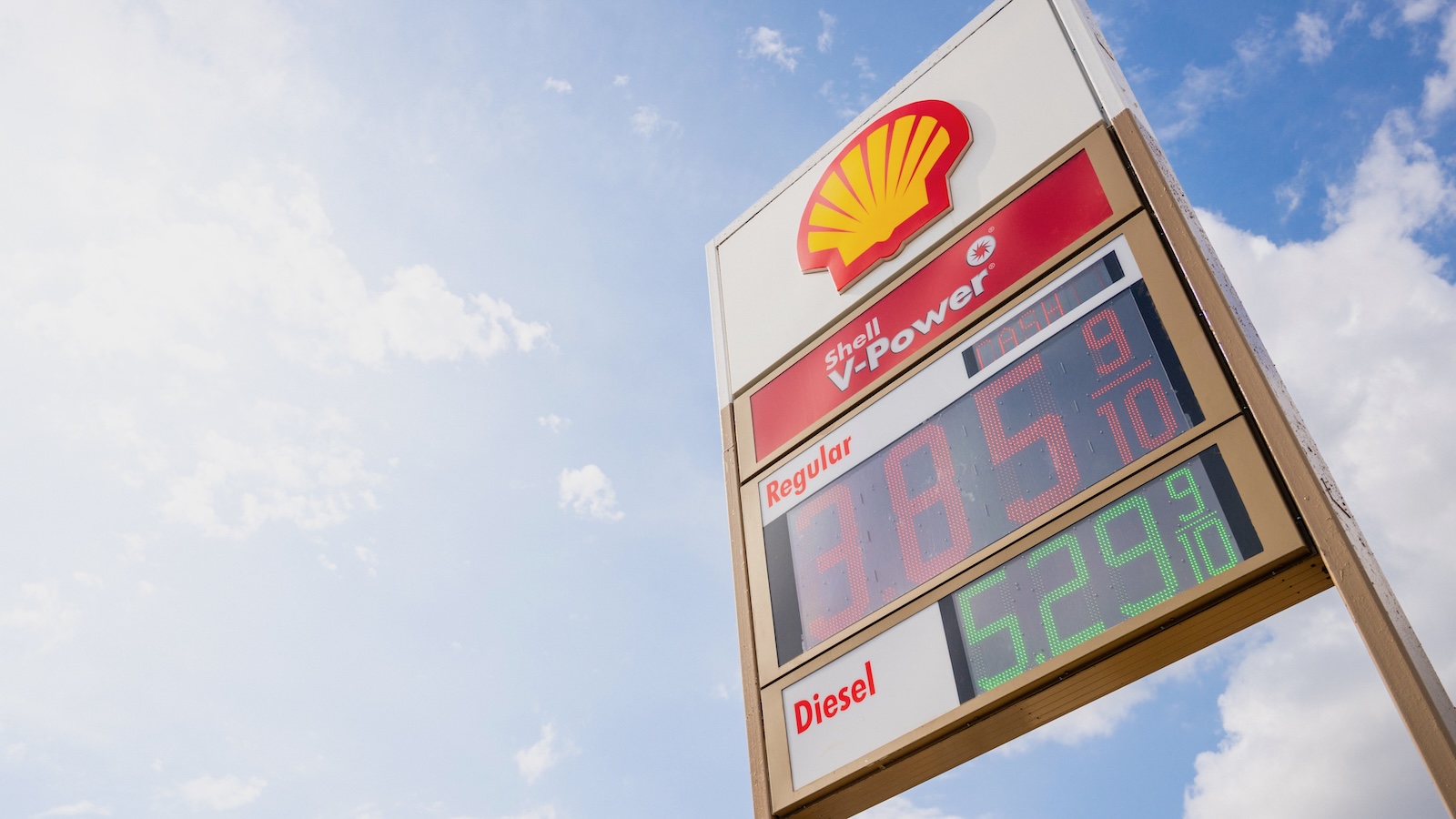
"Diesel is the fuel that powers the economy much more than gasoline does," De Haan said. He further noted that the refining process exacerbates the shortage. A standard 42-gallon barrel of crude oil typically yields about 19 to 20 gallons of gasoline but only about 11 to 12 gallons of distillate fuel (diesel and heating oil). This lower yield means that when crude supplies are restricted, the diesel market tightens much faster than the gasoline market.
Seasonal Pressures and the Heating Oil Connection
The timing of the conflict has also played a significant role in the price disparity. The war began on the heels of a particularly harsh winter in the Northeastern United States. In regions like New England, heating oil is the primary source of residential warmth.
Because heating oil and diesel are molecularly nearly identical—both are middle distillates—they are produced from the same part of the oil barrel. "Coming out of winter, heating oil consumption is elevated," De Haan explained. "That usually impacts diesel as well." The seasonal pressure on distillate stocks meant that inventories were already low when the Strait of Hormuz was closed, leaving no buffer to absorb the shock of the war.
As the U.S. transitions into spring and summer, the demand for diesel usually shifts from heating to agriculture (planting season) and construction. Simultaneously, summer is the peak season for gasoline demand due to increased travel. While De Haan expects the price gap between the two fuels to shrink as gasoline demand rises in the coming months, the high baseline for diesel remains a structural threat to the economy.
Market Disconnect and Geopolitical Beneficiaries
The volatility in the energy market has highlighted a disconnect between physical supply and speculative trading. Mike Wirth, Chief Executive of Chevron, recently pointed out that the "spot price" of oil is currently trending higher than the "Brent crude" benchmark, which reflects expectations for the future.
"Physical prices and physical supplies would reflect a tighter market than I think the forward curve reflects," Wirth stated at a recent industry conference. This suggests that while traders hope for a resolution in the next few months, the actual availability of oil right now is dangerously low, potentially indicating that the crisis is deeper than the public realizes.
Amidst this global strain, certain entities are seeing significant financial gains. The primary beneficiaries of the current crisis are oil-producing nations whose export routes remain unaffected by the blockade in the Persian Gulf. Russia and the United States have emerged as the biggest winners in this regard. As global prices rise, domestic producers in the U.S. and state-controlled entities in Russia are fetching record prices for their exports, even as their own domestic consumers struggle with the inflationary fallout.
Long-Term Implications and the Road to Recovery
Even if a diplomatic breakthrough were to occur tomorrow and the Strait of Hormuz were to reopen immediately, the economic "hangover" would likely persist for months. Military analysts point out that the waterway is currently "embattled," with only a handful of ships attempting to transit under heavy escort. Reports of damaged oil infrastructure within the region suggest that even with a ceasefire, it would take considerable time to return to pre-war production levels.
Furthermore, Iran has reportedly proposed the implementation of "million-dollar tanker fees" as a condition for safe passage in the future. If such fees are enacted, they will undoubtedly be passed down the supply chain, permanently altering the cost structure of global shipping.
For the American consumer, the immediate future remains uncertain. While the Brown University tracker provides a clear view of the damage already done, the total "bill" for the conflict is still being written. As the blockade continues and the physical supply of oil remains tight, the "diesel tax" will continue to filter through the economy, affecting everything from the price of a bus ticket to the cost of a loaf of bread.
The current crisis serves as a stark reminder of the vulnerability of the global energy infrastructure and the disproportionate role that diesel plays in maintaining economic stability. While gasoline prices may capture the headlines, it is the silent surge in diesel costs that may ultimately define the economic legacy of the Iran conflict.