Geopolitical Volatility and Political Gridlock Threaten Global Shipping’s Path to Decarbonization as IMO Convenes Amid Middle East Crisis

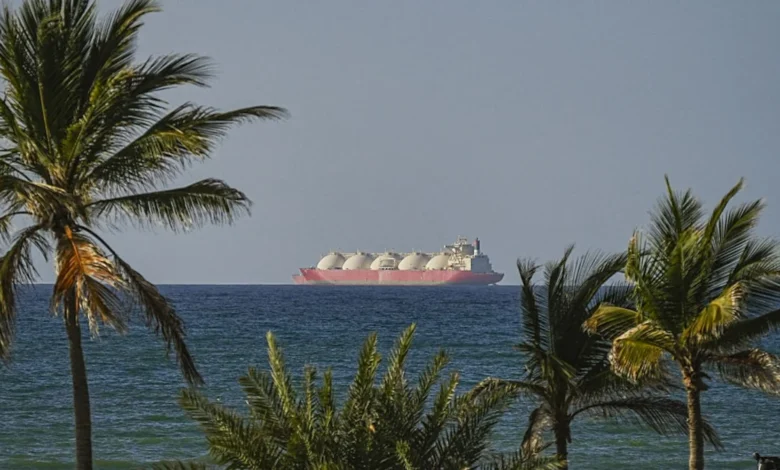
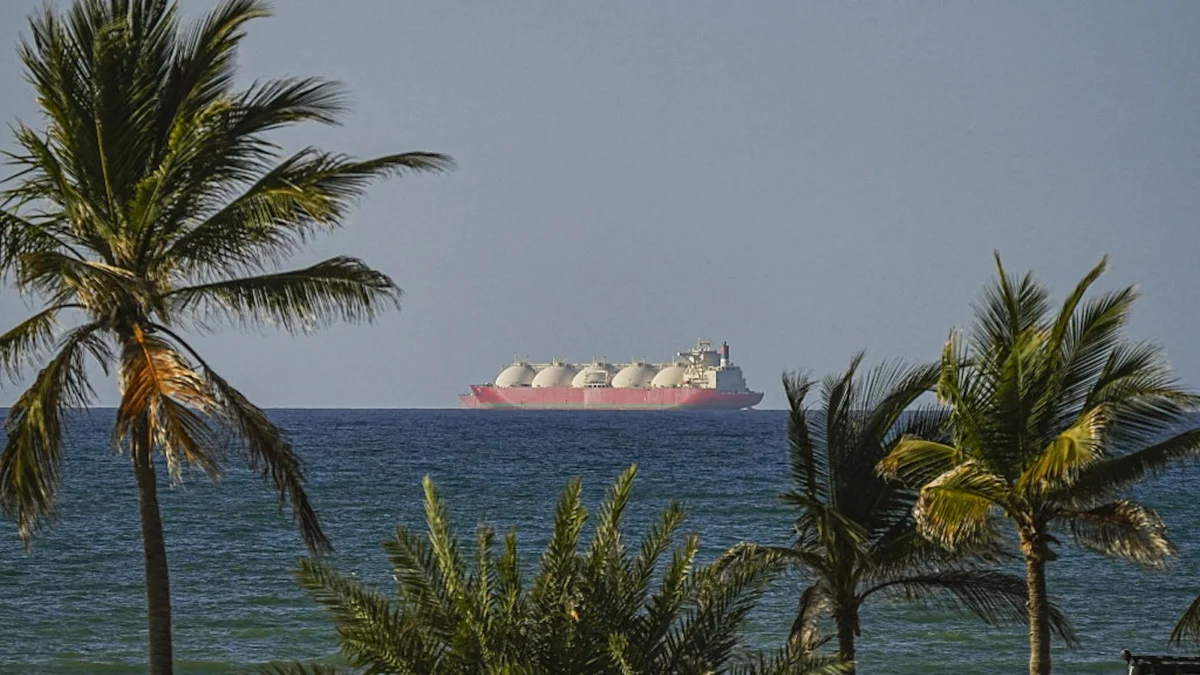
The global maritime industry is currently navigating its most turbulent period in modern history, facing a dual-front crisis that combines unprecedented geopolitical instability in the Middle East with a fracturing international consensus on climate policy. For the first time in the era of containerized trade, two of the world’s most vital maritime chokepoints—the Strait of Hormuz and the Red Sea—have been effectively neutralized by conflict. This physical disruption of the global supply chain coincides with a pivotal meeting of the International Maritime Organization (IMO) in London this week, where delegates from 176 member states are attempting to salvage a "net-zero framework" that has been pushed to the brink of collapse by shifting political winds in the United States and the economic pressures of a world at war.
The convergence of these events has created a perfect storm for the shipping sector, which is responsible for transporting approximately 80 percent of global trade by volume and contributes 3 percent of the world’s total greenhouse gas emissions. As delegates gather at the IMO’s headquarters, the primary objective is to finalize an international policy that would require ship owners to pay a fee for every ton of carbon dioxide emitted. However, the path toward a unified carbon levy is being blocked by a combination of high-intensity regional conflict and a resurgence of protectionist trade policies.
The Dual Chokepoint Crisis: A Maritime Lockdown
Since early March, the movement of global energy and goods has been severely restricted by a surge in regional hostilities. In response to U.S.-Israel military operations, Iran and Houthi rebels have intensified their campaign against commercial shipping, effectively closing the Red Sea and the Strait of Hormuz. The Strait of Hormuz alone serves as the transit point for roughly 20 percent of the world’s total oil supply, and its closure has sent immediate shockwaves through the global economy.
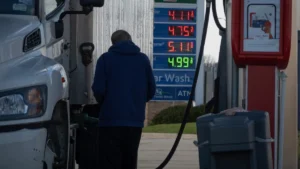
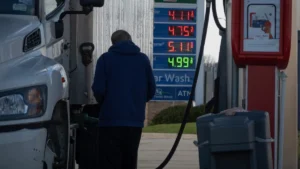
The maritime sector has reported that more than 150 vessels were recently marooned near the Strait, unable to secure safe passage. For those vessels that have managed to avoid the conflict zones, the alternative is a grueling detour around the southern tip of Africa via the Cape of Good Hope. This detour adds approximately 3,500 nautical miles and 10 to 14 days of travel time to a standard voyage between Asia and Europe. The increased distance has led to a massive spike in fuel consumption, which in turn has driven maritime fuel costs to historic highs. Interestingly, this price surge has temporarily made certain biofuels more cost-competitive than traditional heavy fuel oil (HFO), though not for the reasons climate advocates had hoped.
The seizure of the Strait by Iranian forces over the past weekend, following a brief reopening, has underscored the fragility of the current maritime order. For an industry that relies on the "freedom of navigation" as its foundational principle, the persistent closure of these waterways represents a fundamental shift in the risk profile of global trade.
A Fractured Consensus: The IMO Net-Zero Framework
It is against this backdrop of physical insecurity that the IMO is attempting to advance its decarbonization agenda. For three years, the UN agency has been refining the "net-zero framework," a landmark policy intended to bridge the price gap between cheap, carbon-intensive fossil fuels and expensive, cleaner alternatives like green ammonia, methanol, and hydrogen.
The core of the framework is an "economic element"—a carbon levy or fee. The revenue generated from this fee, estimated to reach approximately $12 billion annually by 2030, is intended to be redistributed to fund research into zero-emission technologies and to assist lower-income and climate-vulnerable nations in upgrading their port infrastructure.
Until recently, a broad consensus seemed to be forming around the necessity of this levy. However, the political landscape shifted dramatically last summer. The Trump administration, led by Secretary of State Marco Rubio and other high-ranking officials, launched a concerted campaign to derail the framework. In a formal statement, the administration warned member states that supporting the carbon fee would be viewed as an act of economic hostility toward the United States, potentially resulting in punitive measures such as visa restrictions, increased tariffs, and prohibitive port fees.
This diplomatic pressure had an immediate chilling effect. At an October meeting where the framework was slated for adoption, several countries that had previously expressed support suddenly pivoted, voting instead to delay the decision. The current week’s meeting is seen as a "make or break" moment for the policy, as technical work has continued while political will has largely evaporated.
Divergent Proposals and the Rise of Alternatives
The lack of consensus has led to a flurry of alternative proposals, each reflecting the specific economic interests of different blocs of nations:
- The Japanese "Middle Ground": Japan has proposed a carbon trading system that avoids a mandatory fee structure. Under this plan, shippers that exceed emission thresholds could purchase credits from companies that are in compliance. While this introduces a market mechanism, critics argue it lacks the revenue-generating power of a direct levy.
- The "Pragmatic Approach" (Liberia, Argentina, Panama): This coalition has proposed a framework that eliminates the fee structure entirely. By removing the "economic element," the proposal focuses on technical standards alone. However, environmental groups warn that without a financial penalty for pollution, there is no real incentive for companies to invest in expensive green fuels.
- The Petrostates: A group of major oil-producing nations is calling for the complete cancellation of the net-zero framework, arguing that it unfairly penalizes the fossil fuel industry and will lead to a permanent increase in the cost of living.
- The Island States: Small island developing states (SIDS), such as the Marshall Islands and the Solomon Islands, remain the most vocal proponents of the original framework. They are calling for an even more ambitious carbon levy—as high as $150 per ton—to ensure they have the funds necessary to defend against rising sea levels.
The U.S. Stance: Protecting the Consumer or Killing the Climate Deal?
The United States has remained steadfast in its opposition, framing the net-zero framework as an illegal global tax that would disproportionately affect American consumers. In a proposal submitted in March 2026, the Trump administration argued that the IMO should abandon the framework entirely.
The U.S. submission suggests that the industry should focus on "technological neutrality" and avoid any policy that penalizes specific fuel types. "The United States submits that the most appropriate path forward is to end consideration of the IMO Net-Zero Framework entirely," the document states. This position leverages the United States’ significant influence as a major exporter of Liquefied Natural Gas (LNG), a fuel that many in the shipping industry see as a "bridge" but which climate scientists warn still contributes significantly to methane emissions.
Evelyne Williams, a research associate at Columbia University’s Center on Global Energy Policy, notes that the U.S. position is particularly potent because of its control over energy markets. "If the U.S. does want to kill this thing, it has considerable leverage in its LNG market to threaten countries," Williams said.
Industry Reaction: A Fear of Regulatory Fragmentation
Perhaps surprisingly, much of the shipping industry itself continues to support a global carbon levy. The International Chamber of Shipping (ICS), which represents over 80 percent of the world’s merchant fleet, has warned that the alternative to an IMO-led global policy is a "patchwork" of regional regulations that would be a logistical nightmare.
The European Union has already integrated shipping into its Emissions Trading System (EU ETS), and other regions are considering similar moves. If every major trade bloc implements its own unique carbon pricing mechanism, a ship traveling from Shanghai to Rotterdam via Dubai could be subject to three or four different sets of environmental taxes and reporting requirements.
"The shipyards of tomorrow will not only build vessels; they will build confidence in the industry’s ability to meet its sustainability goals," said Thomas Kazakos, Secretary General of the International Chamber of Shipping. The industry’s preference for a single, global regulator—the IMO—is rooted in the need for operational certainty.
Analysis of Implications: The Cost of Failure
The stakes of the current negotiations extend far beyond the shipping industry. If the IMO fails to adopt a meaningful economic mechanism this week, the consequences could be twofold:
First, the "just transition" for developing nations will likely stall. Without the estimated $12 billion in annual proceeds from a carbon levy, there will be no dedicated fund to help Global South nations transition their maritime sectors. This could lead to a two-tier shipping world where wealthy nations operate green fleets while the rest of the world is left with aging, high-polluting vessels.
Second, the environmental impact would be significant. Em Fenton, a senior director at Opportunity Green, described the potential removal of the fee structure as "catastrophic." Without a financial mechanism to bridge the price gap between fossil fuels and green fuels, the shipping industry will likely continue to rely on HFO and LNG for decades, making it impossible to meet the goals of the Paris Agreement.
As the meeting continues, the world’s eyes are on London. The current Middle East crisis has proven how vulnerable global trade is to physical disruption; the outcome of the IMO meeting will determine whether that same trade remains vulnerable to the long-term disruptions of a changing climate. The fear among experts like Williams is that if this framework is abandoned now, the international community will have to start from scratch—a delay the planet may not be able to afford.