The Erosion of Federal Biodiversity Protections Under New Endangered Species Act Reinterpretations

The Endangered Species Act (ESA), once hailed by the Supreme Court as the most comprehensive legislative effort to prevent biological extinction in history, is currently undergoing its most significant regulatory transformation in decades. By narrowing the legal definitions of "take" and "harm," the current administration has initiated a policy shift that environmental advocates and legal experts warn will fundamentally undermine the federal government’s capacity to protect critical ecosystems. Since its inception in 1973, the ESA has been instrumental in the recovery of iconic species, including the bald eagle, the American alligator, and the grizzly bear, having facilitated the successful stabilization of nearly 300 U.S. species.
The backbone of this legislative framework has long been the interpretation of two specific terms. The prohibition against "taking" an animal—defined as harassing, harming, pursuing, hunting, shooting, wounding, killing, trapping, capturing, or collecting—provided a broad shield against both direct and indirect human interference. Similarly, the regulatory definition of "harm" included the significant degradation of habitat, allowing the U.S. Fish and Wildlife Service to penalize private or federal development projects that destroyed the essential breeding, feeding, and sheltering grounds of listed species.

A Shift in Regulatory Philosophy
The recent administrative changes represent a decisive break from this legacy. Under the new policy, the definition of "take" is effectively restricted to instances of intentional killing, creating a legal loophole for activities that result in the accidental death of protected animals. Simultaneously, the removal of habitat-based "harm" penalties means that the razing of ecosystems essential to the survival of threatened or endangered species may no longer trigger federal enforcement actions.
The chronology of these changes began in the early months of the current administration, following a broader push to prioritize industrial and infrastructure development over conservation mandates. By mid-year, the administration moved to solidify these interpretations, prompting a swift reaction from the legal community. Almost two dozen attorneys general have since filed lawsuits challenging the legality of these rule changes, arguing that they contradict the original legislative intent of the 1973 law.
Impact on Vulnerable Species
The practical consequences of these changes are already manifesting across diverse habitats, from the coastal waters of the Atlantic to the wetlands of the Midwest and the alpine streams of the Rockies.
The North Atlantic Right Whale
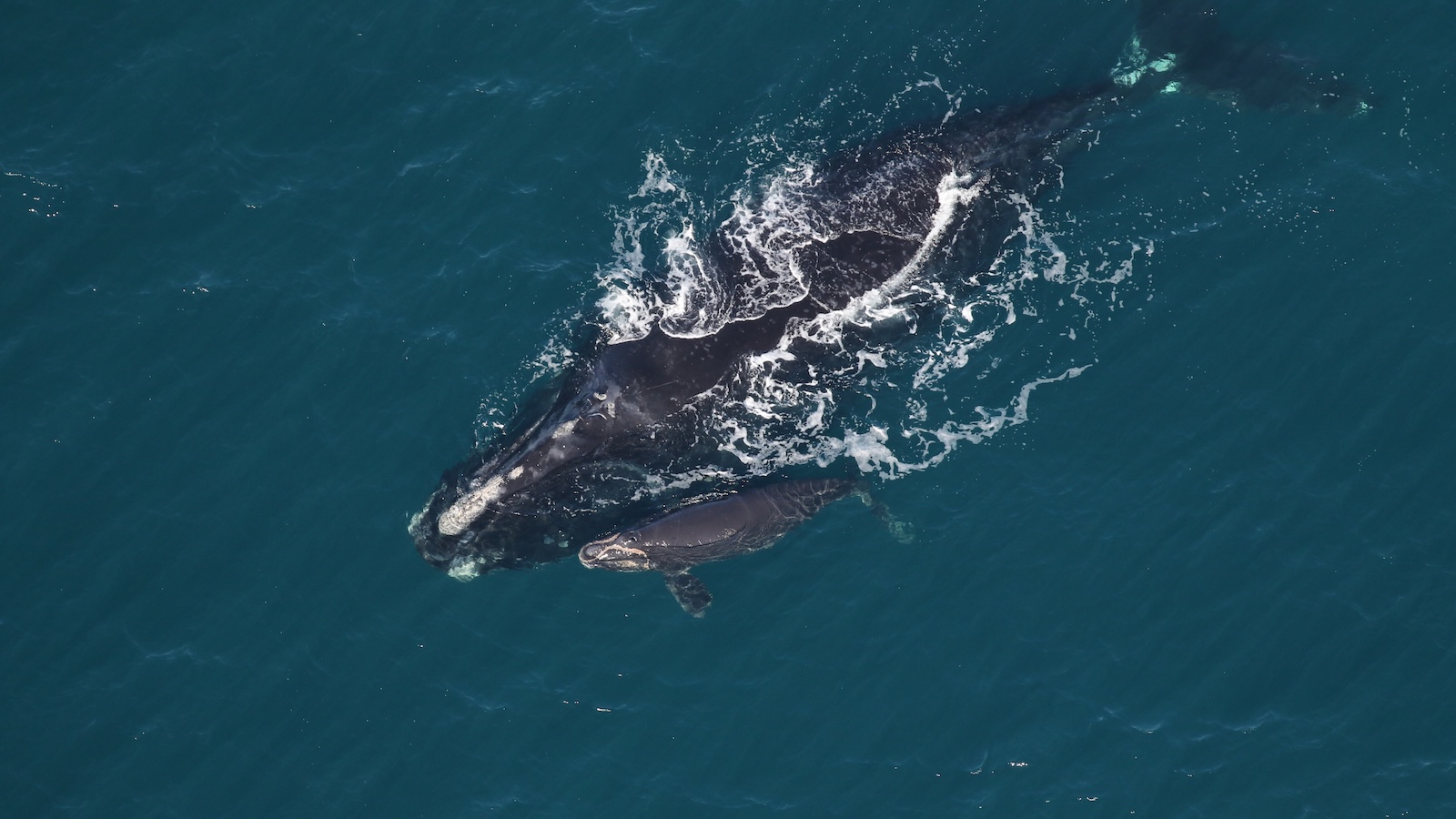
The North Atlantic right whale represents one of the most dire cases. With only approximately 380 individuals remaining—a population that includes a mere 70 breeding females—the species is in the midst of an "unusual mortality event" that began in 2017. Research confirms that the leading causes of death are vessel strikes and entanglement in commercial fishing gear. Despite this, the government has moved to rescind ocean speed restrictions previously designed to mitigate fatal collisions. Critics, such as Delcianna Winders of the Vermont Law and Graduate School, argue that the new, narrow definition of "take" allows federal agencies to abdicate their responsibility to regulate these industries, as the resulting deaths are technically "incidental" rather than "intentional."
The Eastern Massasauga Rattlesnake
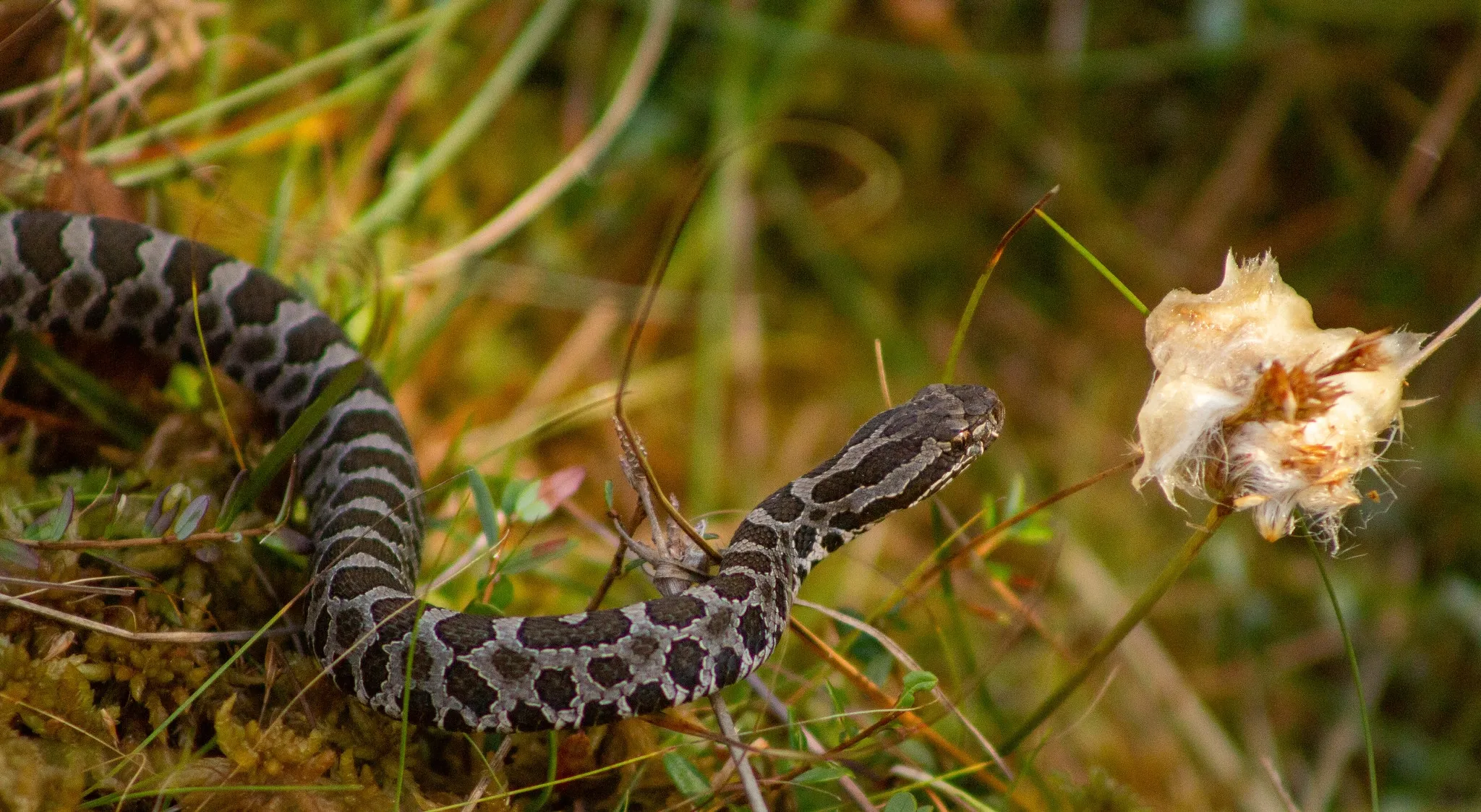
In the Great Lakes region, the Eastern massasauga rattlesnake serves as an indicator of wetland health. Listed as a threatened species in 2016, the snake has seen its habitat fragmented by industrial development and climate-induced changes. With over one-third of its surveyed sites currently at risk, the loss of federal habitat protections shifts the entire regulatory burden to state governments. However, state laws often lack the comprehensive enforcement mechanisms of the federal ESA, creating a dangerous regulatory vacuum that could accelerate the decline of the species.
The Bull Trout and the Florida Panther
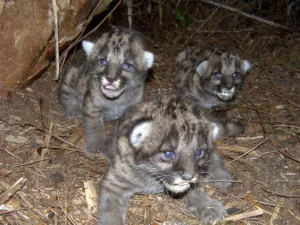
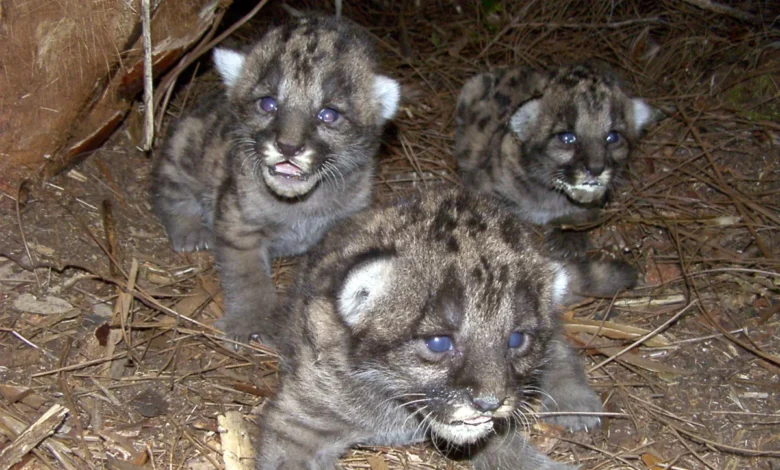
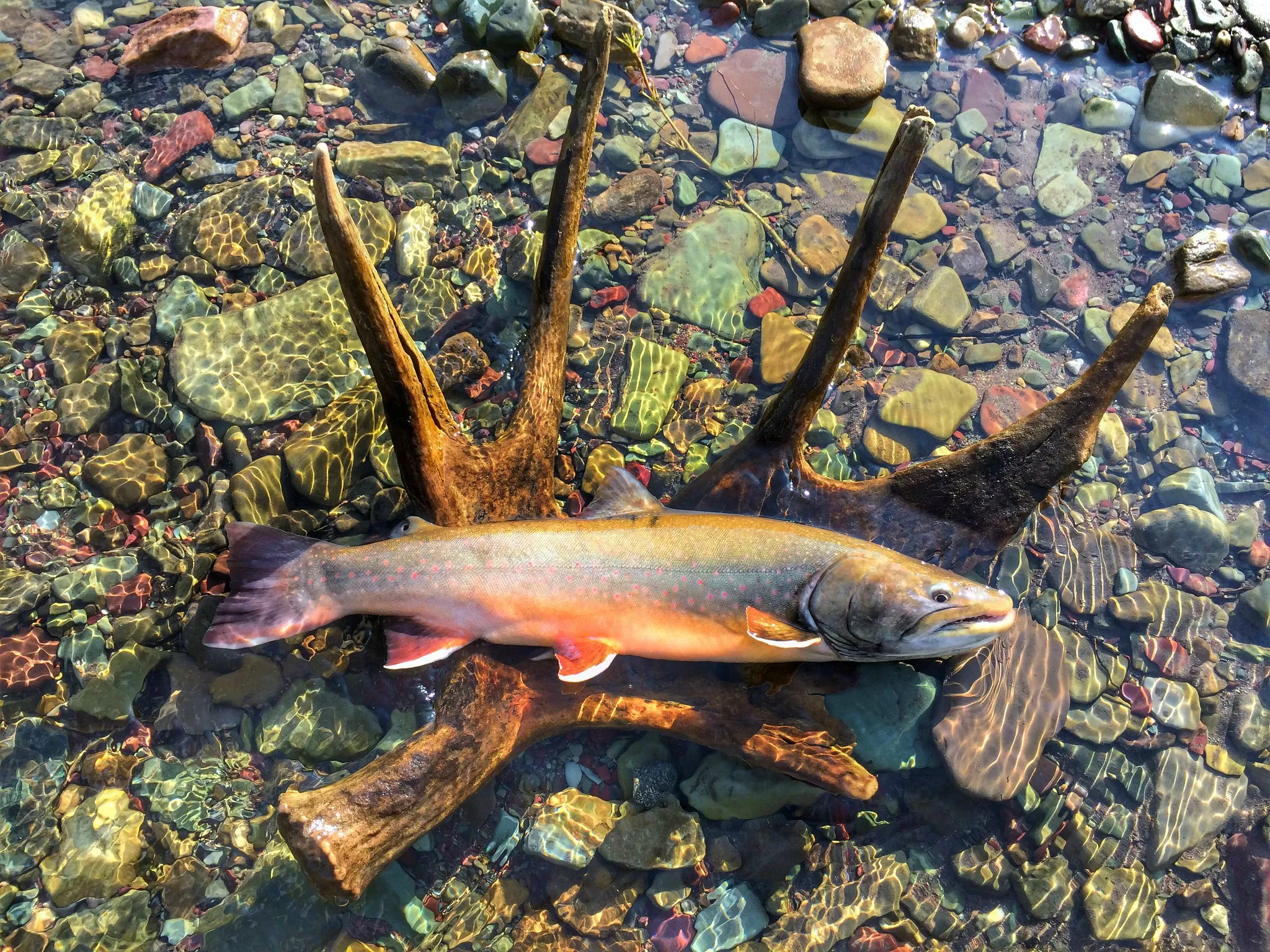
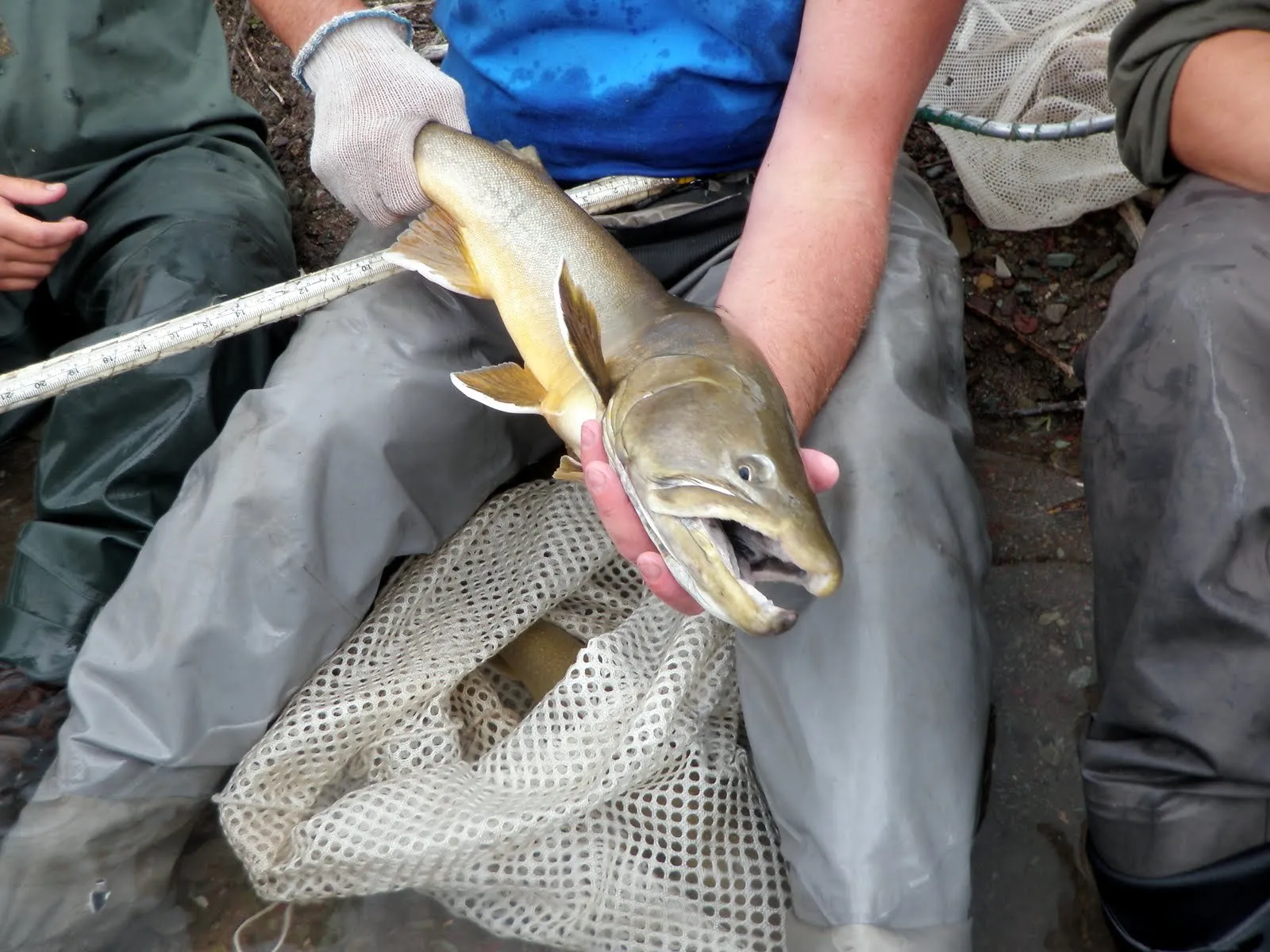
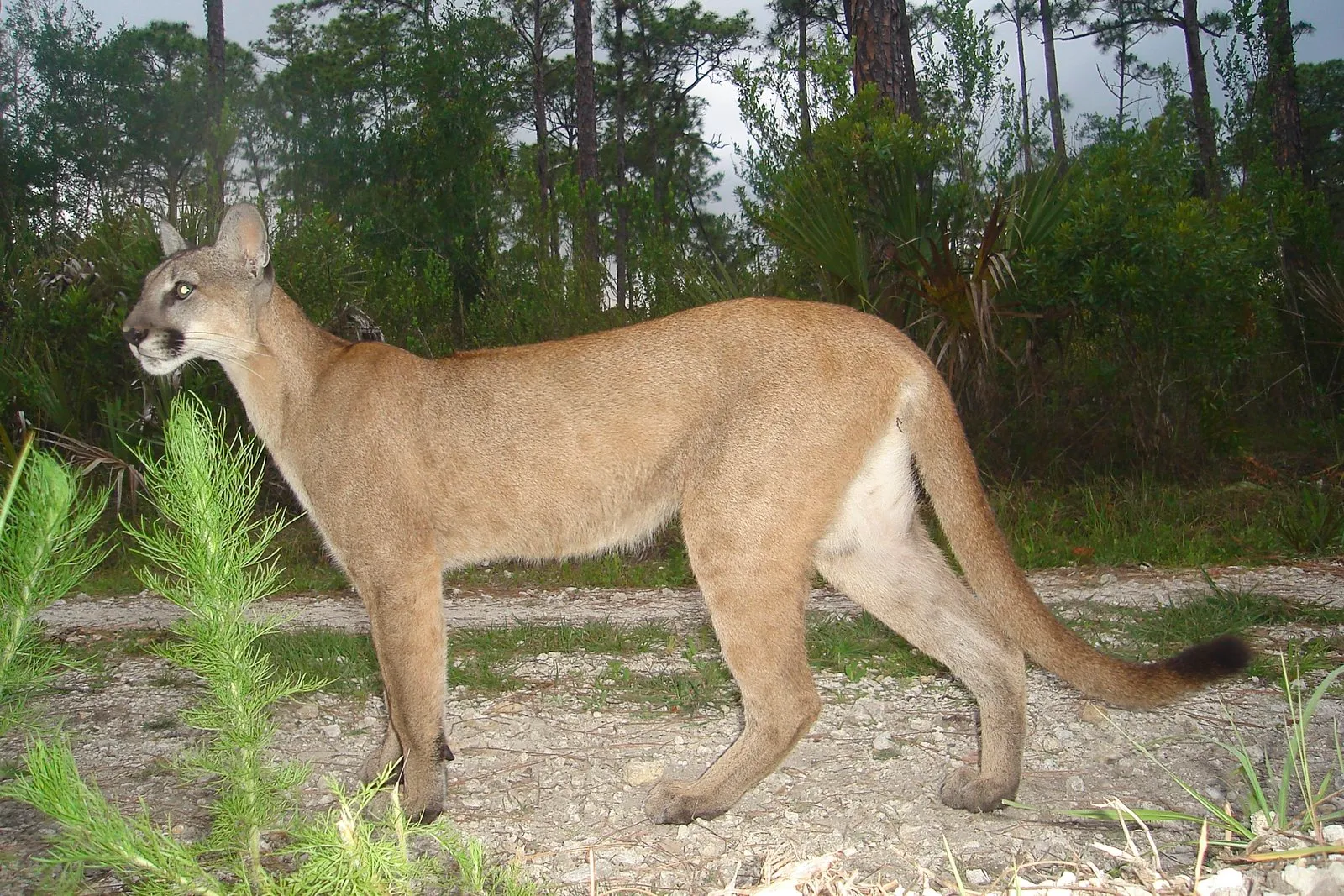
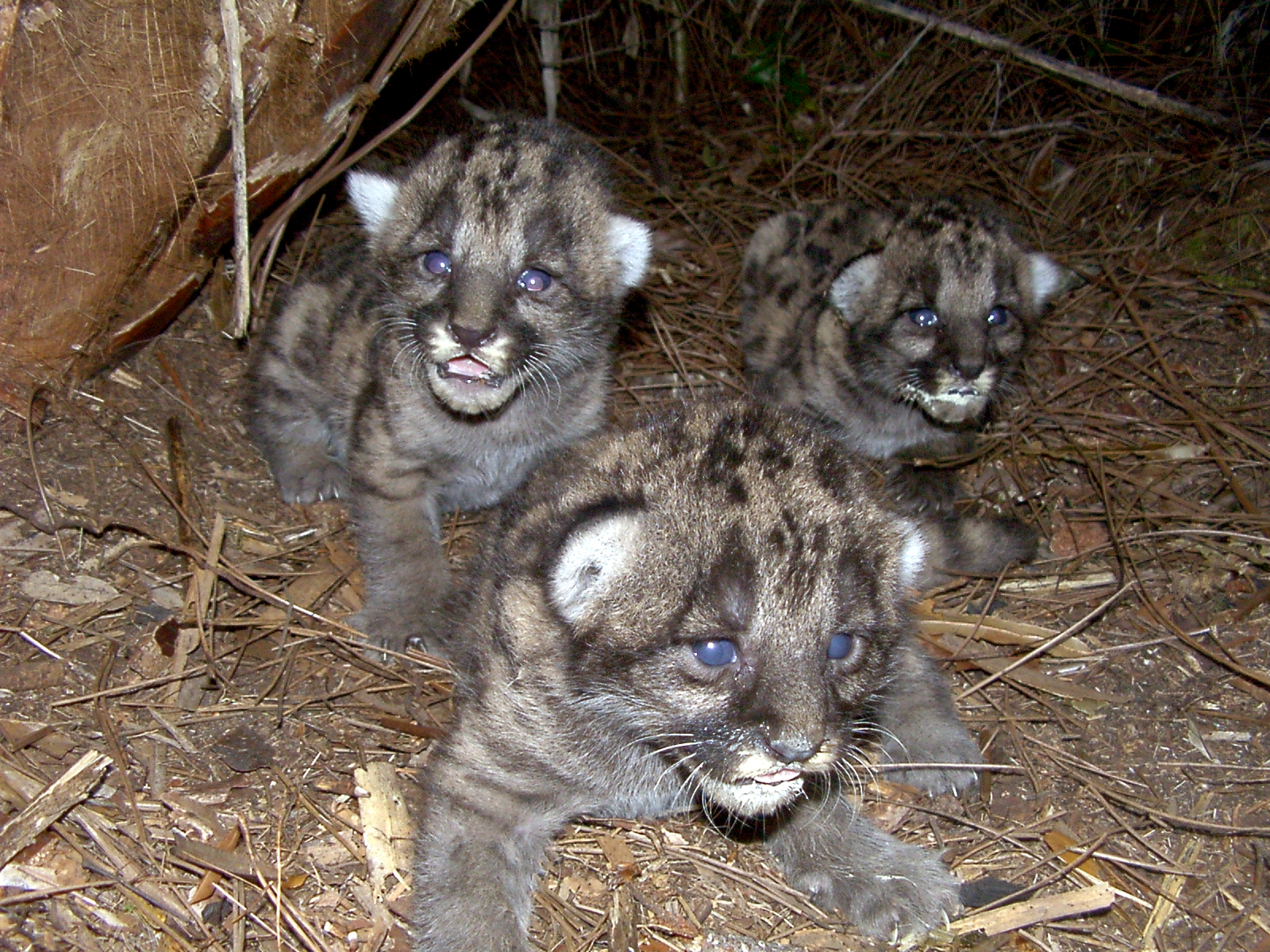
In the mountainous West, the bull trout—a cold-water fish highly sensitive to sediment runoff caused by road construction and logging—faces an uncertain future. Similarly, in Florida, the panther population, which has spent decades recovering from the brink of extinction, is threatened by increasing urban sprawl and highway expansion. Because both species are heavily dependent on protected travel corridors and pristine habitat conditions, the removal of the "harm" provision renders conservationists less capable of blocking development projects that physically isolate or degrade these critical environments.
Institutional Challenges and Scientific Critique
The current administration’s approach has been characterized by a notable slowdown in the listing of new species. Records indicate that since the current term began, the pace of new protections has hit historic lows. This inactivity, combined with the active rolling back of existing regulations, suggests a fundamental shift in the government’s approach to the precautionary principle—a core tenet of environmental law that advocates for protective action in the face of scientific uncertainty.
Elizabeth Forsyth, a senior attorney with Earthjustice, characterizes the regulatory changes as an "assault on threatened and endangered species." According to Forsyth, the strategy is clearly designed to eliminate automatic protections for threatened species and shift the balance of power toward private industry, effectively neutralizing the legal tools that have served as the nation’s primary defense against biodiversity loss.
Broader Economic and Environmental Implications
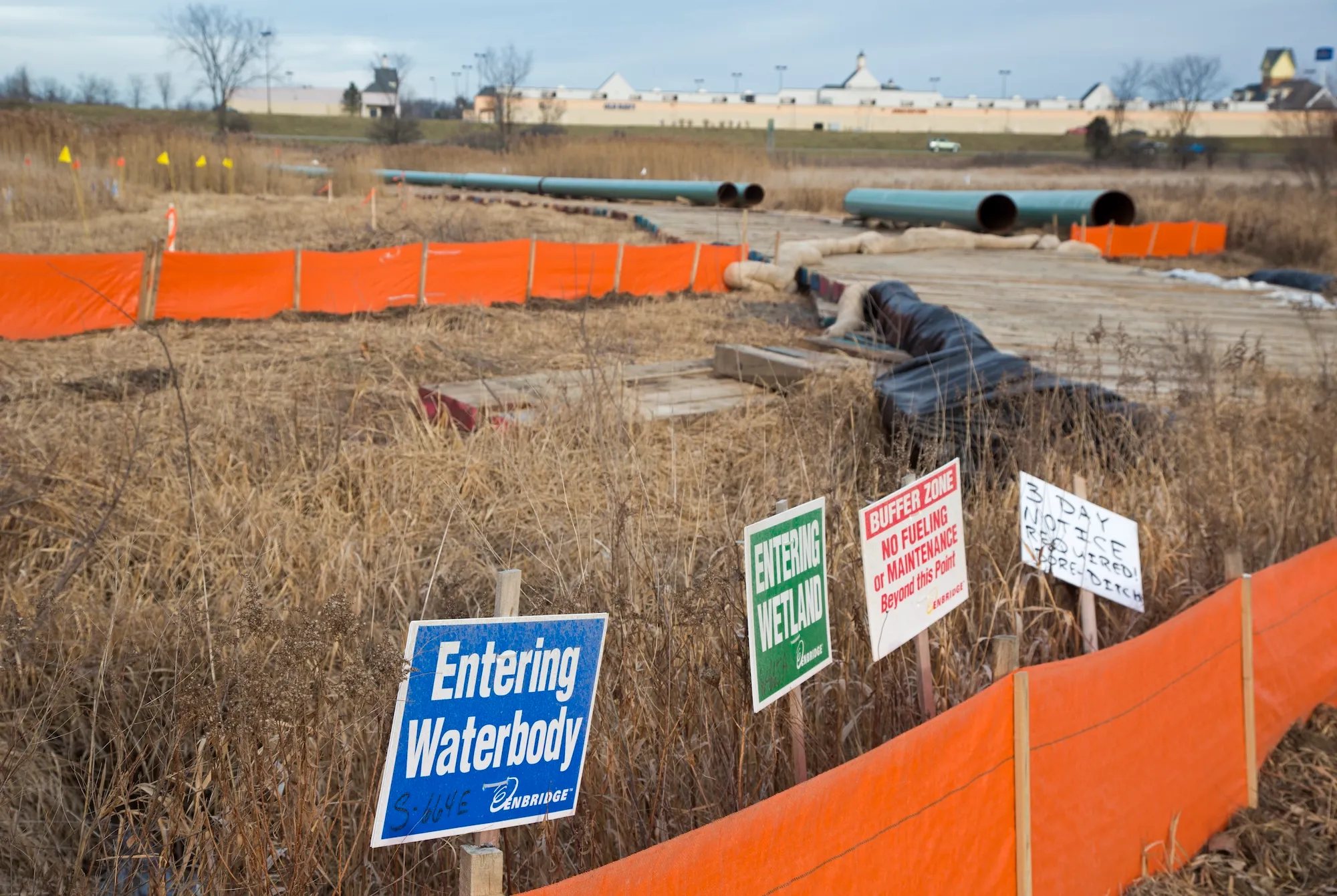
The implications of these policy changes extend beyond the survival of individual species. Many of the habitats being opened to development serve as natural carbon sinks and flood-mitigation zones. For instance, the destruction of wetlands for pipeline or housing construction not only threatens the massasauga rattlesnake but also compromises regional water quality and climate resilience.

Furthermore, the legal landscape is becoming increasingly volatile. Organizations like the California Coastkeeper Alliance have already been forced to pause litigation against major industrial polluters because their cases were predicated on the very "harm" definitions the administration has now rescinded. This creates a cycle of legal uncertainty where the cost of enforcement is shifted from the developers creating the damage to the non-profit organizations attempting to uphold the spirit of the original law.
Looking Ahead
The path forward for the Endangered Species Act is currently trapped in the courts. While the administration asserts that these changes provide necessary clarity and reduce regulatory burdens on businesses, the scientific consensus remains that the rate of global extinction is accelerating. Experts warn that the current policy trajectory may result in irreversible losses within the next decade.

As the legal battles proceed, the focus will remain on whether the judiciary will permit the administrative reinterpretation of statutes that have been settled law for over 50 years. For species like the palila in Hawaii—which relies on high-elevation forest management—or the rusty patched bumble bee in the Midwest, the administrative changes are not merely bureaucratic updates; they are existential threats. Without a federal mandate to protect the environments these species occupy, their survival depends entirely on the voluntary restraint of private landowners and the limited capacity of individual state agencies—a precarious framework that many biologists believe is insufficient to prevent further population collapse.